
BuddhistCatholicContemplativeEvangelicalGeneral ChristianHinduJewishLatter-day SaintMuslimNew VisionsProgressive Christian
Beliefs
- Buddhist
- Catholic
- Contemplative
- Evangelical
- General Christian
- Hindu
- Jewish
- Latter-day Saint
- More Voices
- Muslim
- New Visions
- Pagan
- Progressive Christian
Topics
- Religion News
- Food and Religion
- Sports and Religion
- Religious Art
- Religious Music and Entertainment
- Religious Events
- History and Religion
- Style and Religion
- Politics and Religion
- Women in Religion
- Recreation Outdoors and Religion
- Business Finance and Religion
- Careers Workplace and Religion
- Education and Religion
- Family Parenting and Religion
- Health Fitness and Religion
- Home and Religion
- Relationships and Religion
- Technology and Religion
- Travel and Religion
Columnists
- Buddhist Columnists
- Business Finance and Religion Columnists
- Careers Workplace and Religion Columnists
- Catholic Columnists
- Contemplative Columnists
- Education and Religion Columnists
- Evangelists Columnists
- Family Parenting and Religion Columnists
- General Christian Columnists
- Health Fitness and Religion Columnists
- Hindu Columnists
- History and Religion Columnists
- Home and Religion Columnists
- Jewish Columnists
- More Voices Columnists
- Latter Day Columnists
- Muslim Columnists
- New Visions Columnists
- Nonreligious Columnists
- Pagan Columnists
- Politics and Religion Columnists
- Progressive Columnists
- Recreation Outdoors and Religion Columnists
- Relationships and Religion Columnists
- Religion News Columnists
- Religious Art Columnists
- Religious Events Columnists
- Religious Music and Entertainment Columnists
- Sports and Religion Columnists
- Style and Religion Columnists
- Technology and Religion Columnists
- Travel and Religion Columnists
- Women in Religion Columnists
Resource Library
- 2026 Calendar
- Library of World Religions
- The 100 Most Holy Places on Earth
- Patheos Answers
- Podcasts
- Videos
- Faith Leaders Database
- Anglican Episcopalian
- Bahai
- Baptist
- Buddhism
- Christianity
- Confucianism
- Eastern Orthodoxy
- Hinduism
- Holiness and Pentecostal
- ISKCON
- Islam
- Judaism
- Lutheran
- Methodist
- The Church of Jesus Christ of Latter-day Saints
- New Age
- Paganism
- Presbytarian and Reformed
- Protestantism
- Religion Behind the Scenes
- Roman Catholic
- Scientology
- Shia Islam
- Sikhism
- Sufism
- Sunni Islam
- Taoism
- Zen
- See all religions
Research Tools
 Ad-Free & Subscriber Log-In Subscription Support
Ad-Free & Subscriber Log-In Subscription Support
Follow Patheos 

- Trending:
- Forgiveness
- |
- Marriage
- |
- Consciousness
- |
- Death Penalty
- |
- Election
- |
- Halloween
 Faith on the Couch
- Home
- Catholic
- Just Wait a Minute! (Why Patience Isn’t What You Think)
Just Wait a Minute! (Why Patience Isn’t What You Think)
Last updated on: March 25, 2015 at 12:56 pm by Rachael Popcak and Dr. Gregory Popcak
Just Wait a Minute! (Why Patience Isn’t What You Think) 2015-03-25T12:56:46-05:00 Rachael Popcak and Dr. Gregory Popcak
Patheos Explore the world's faith through different perspectives on religion and spirituality! Patheos has the views of the prevalent religions and spiritualities of the world.
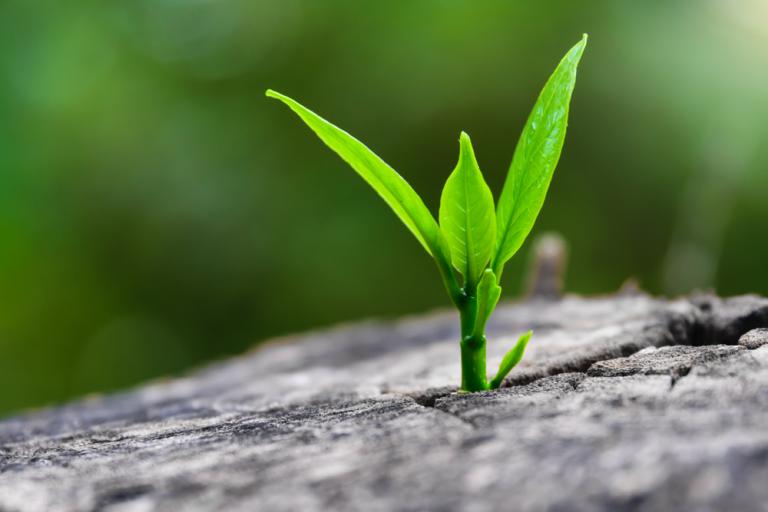
We were talking about patience on More2Life Radio today. What it is, what it isn’t, and how to get more of it.
Patience, of course, is the virtue we all love to hate. We all know we need it, but we sure as heck don’t want to ask God to give it to us. And yet, perhaps some of that reluctance is due to the fact that we don’t really understand what patience is.
Patience—> Happiness
Psychologists refer to patience as the ability to delay gratification and we know from research that this ability is essential for a happy life. In his famous Stanford Marshmallow Experiments, psychologist Walter Mischel studied a group of kindergartners. He placed a marshmallow in front of each kid in his study and told them they could eat this marshmallow now or, if they could refrain from eating that marshmallow for 15 minutes while he stepped out of the room, they could have 2 marshmallows when he came back. He recorded their responses and then continued to check in with his participants periodically into adulthood. He found that the kids who were able to patiently wait for the second marshmallow, in high school, had better academic success and better SAT scores than the kids who ate the marshmallow right away. As they entered adulthood, the kids who were able to patiently wait for the second marshmallow had lower incidence of addictions and obesity, and reported higher scores on multiple measures of life and relationship satisfaction.
The ability to practice patience is key to living a happy life.
What Patience Is and What It Isn’t
Most people think that patience is the ability to endure an injustice without getting upset. But that’s not really what it is. In fact, passivity is Satan’s plagiarism of patience. To witness an injustice and feel nothing and do nothing isn’t a virtue, it’s the sin of sloth! In reality, patience is the virtue that allows us to respond to an injustice in a thoughtful, measured, proportionate and responsible way. Patience is the virtue that allows us to experience an injustice and, instead of lashing out and merely reacting in ways that ultimately make the problem even worse, step back and consider the best way to respond and then allow that good effort to germinate and blossom and bear fruit.
As I observe in my upcoming book, Broken Gods: Hope, Healing, and the Seven Longings of the Human Heart, patience is an active virtue that allows us to respond in an appropriate way and then allow that response to mature and take effect. It allows us to make appropriate adjustments along the way and wait to see how those changes effect things before we make additional changes. True patience does not require us to disengage from the problem. It challenges us to engage in a more thoughtful and intentional manner.
Cultivating Patience…Painlessly.
It can become easier to practice patience when we stop seeing it as the call to simply grit our teeth and suffer without complaint. “Practicing patience” is really not about suffering gleefully. It is about responding to suffering and injustice in a way that allows you to be thoughtful and intentional and then, instead of complaining about it, stepping back and thoughtfully shepherding the good efforts you began to a fruitful and just conclusion. Yes, patience involves restraining ourselves from excessive complaining, pouting, and misery-making, but only so that we can save that energy we would waste complaining and instead be able to respond in a mature, productive way to the challenges we face, that God’s will might be done in our lives, that our needs would be met, and the injustices that plagued us could be resolved by his grace.
Seen in this light, perhaps we can allow patience to take it’s place in our lives as a key to happiness and well-being.


Browse Our Archives
Select a Category Anxiety atheism Attachment Church Conflict Resolution Counseling Depression faith Family forgiveness Gender Happiness Health Humor Marriage Mental Health Mental Illness Mindfulness morality More2Life Radio Parenting Personal Wellness Personality Disorder Popcak Psychology News reconciliation Relationship religion self-help Sexuality Spirituality stress theology of the body Uncategorized
Select a Month June 2020 May 2020 April 2020 March 2020 February 2020 January 2020 December 2019 November 2019 October 2019 September 2019 August 2019 July 2019 June 2019 May 2019 April 2019 March 2019 February 2019 January 2019 November 2018 October 2018 September 2018 August 2018 July 2018 June 2018 May 2018 April 2018 March 2018 February 2018 January 2018 November 2017 October 2017 September 2017 August 2017 June 2017 May 2017 April 2017 March 2017 February 2017 January 2017 December 2016 November 2016 October 2016 September 2016 August 2016 July 2016 June 2016 May 2016 April 2016 March 2016 February 2016 January 2016 December 2015 November 2015 October 2015 September 2015 August 2015 July 2015 June 2015 May 2015 April 2015 March 2015 February 2015 January 2015 December 2014 November 2014 October 2014 September 2014 August 2014 July 2014 June 2014 May 2014 April 2014 March 2014 February 2014 January 2014 December 2013 November 2013 October 2013 September 2013 August 2013 July 2013 June 2013 May 2013 April 2013 March 2013 February 2013
Follow Us!
TAKE THE
Religious Wisdom Quiz
According to 1 John, what is God?
Select your answer to see how you score.
Light Perfect Spirit The Word
Related posts from Faith on the Couch

Quarentine Blues: How Can Your Family Cope While...

Hurting/Angry Over Mass Suspensions? Finding Spiritual Consolation in...

Get a Grip—Mastering Your Emotional Life

Set Your Child Up For Success: The Relationship...
TRENDING AT PATHEOS Catholic

The Parable Of The Sower And The Word...
One of Christ’s most famous parables is that of the sower who...

Rejecting Doom: Christian Hope And Human Action
Christianity is a religion of hope. We are to have hope and...

Why I Choose the Eucharist Over the Sermon
Choose the Eucharist, Not the Sermon What are we supposed to get...

5 Design Elements Found in Spiritually Rooted Homes
Putting Spirituality Into Home Decor Our homes are more than our living...

Credo: A Story of God Told with the...
About 10 years ago, I began to imagine a personal "Credo" that...

The Anatomy of Divine Revelation in Catholic Thought
The claim that God has made Himself known to human beings is...
view all Catholic blogs
Ad-Free & Subscriber Log-In Subscription Support
- About Us
- 2026 Calendar
- Videos
- Podcasts
- Library of World Religions
- Faith In Media Tracker
- Advertise With Us
- Write for Us
- Privacy Policy
- Terms of Service
- Do Not Sell My Data
- Contact Us
- Radiant Digital
- Manage Newsletter Subscriptions
- Unsubscribe From Notifications
- Sitemap
Copyright 2008-2026, Patheos. All rights reserved.
Subscription Support Ad-Free & Subscriber Log-In
Follow Patheos