
BuddhistCatholicContemplativeEvangelicalGeneral ChristianHinduJewishLatter-day SaintMuslimNew VisionsProgressive Christian
Beliefs
- Buddhist
- Catholic
- Contemplative
- Evangelical
- General Christian
- Hindu
- Jewish
- Latter-day Saint
- More Voices
- Muslim
- New Visions
- Pagan
- Progressive Christian
Topics
- Religion News
- Food and Religion
- Sports and Religion
- Religious Art
- Religious Music and Entertainment
- Religious Events
- History and Religion
- Style and Religion
- Politics and Religion
- Women in Religion
- Recreation Outdoors and Religion
- Business Finance and Religion
- Careers Workplace and Religion
- Education and Religion
- Family Parenting and Religion
- Health Fitness and Religion
- Home and Religion
- Relationships and Religion
- Technology and Religion
- Travel and Religion
Columnists
- Buddhist Columnists
- Business Finance and Religion Columnists
- Careers Workplace and Religion Columnists
- Catholic Columnists
- Contemplative Columnists
- Education and Religion Columnists
- Evangelists Columnists
- Family Parenting and Religion Columnists
- General Christian Columnists
- Health Fitness and Religion Columnists
- Hindu Columnists
- History and Religion Columnists
- Home and Religion Columnists
- Jewish Columnists
- More Voices Columnists
- Latter Day Columnists
- Muslim Columnists
- New Visions Columnists
- Nonreligious Columnists
- Pagan Columnists
- Politics and Religion Columnists
- Progressive Columnists
- Recreation Outdoors and Religion Columnists
- Relationships and Religion Columnists
- Religion News Columnists
- Religious Art Columnists
- Religious Events Columnists
- Religious Music and Entertainment Columnists
- Sports and Religion Columnists
- Style and Religion Columnists
- Technology and Religion Columnists
- Travel and Religion Columnists
- Women in Religion Columnists
Resource Library
- 2026 Calendar
- Library of World Religions
- The 100 Most Holy Places on Earth
- Patheos Answers
- Podcasts
- Videos
- Faith Leaders Database
- Anglican Episcopalian
- Bahai
- Baptist
- Buddhism
- Christianity
- Confucianism
- Eastern Orthodoxy
- Hinduism
- Holiness and Pentecostal
- ISKCON
- Islam
- Judaism
- Lutheran
- Methodist
- The Church of Jesus Christ of Latter-day Saints
- New Age
- Paganism
- Presbytarian and Reformed
- Protestantism
- Religion Behind the Scenes
- Roman Catholic
- Scientology
- Shia Islam
- Sikhism
- Sufism
- Sunni Islam
- Taoism
- Zen
- See all religions
Research Tools
 Ad-Free & Subscriber Log-In Subscription Support
Ad-Free & Subscriber Log-In Subscription Support
Follow Patheos 

- Trending:
- Forgiveness
- |
- Marriage
- |
- Consciousness
- |
- Death Penalty
- |
- Election
- |
- Halloween

- Home
- General Christian
- Education and Religion
- Faith’s Transformative Journey
Faith’s Transformative Journey
Last updated on: October 22, 2024 at 2:19 pm by Dr. David K. Ewen
Faith’s Transformative Journey 2024-10-22T14:19:48-04:00 Dr. David K. Ewen
Patheos Explore the world's faith through different perspectives on religion and spirituality! Patheos has the views of the prevalent religions and spiritualities of the world.

Faith’s Transformative Journey / Image courtesy of Enterprise College
Grounded in profound principles, faith’s transformative journey in Christianity provides solace through forgiveness, as seen in Luke 23:34 where Jesus pardons His crucifiers. Forgiveness, illustrated in biblical narratives, extends beyond reconciliation, embodying transformative power.
Catalyzing reconciliation, forgiveness is rooted in Jesus’ teachings. Transitioning to belief in resurrection, Matthew 28:5-6 promises eternal life, fostering believers’ resilience. Joy, inherent in Christian spirituality, emanates from a deep connection with God, as Philippians 4:4 encourages rejoicing.
Transitioning to the afterlife, John 14:2-3 shapes beliefs, providing hope and motivation. In conclusion, Christianity’s themes guide believers on their transformative spiritual journey.
Core Theme: Forgiveness
Christianity emphasizes forgiveness as a cornerstone of its teachings. It is portrayed as a powerful force for healing wounds. For instance, in Luke 23:34, Jesus models forgiveness by pardoning those who crucified Him.
Forgiveness acts not merely as an act but as a profound spiritual principle. It enables individuals to release resentment and find inner peace. The Bible reiterates this concept throughout, emphasizing its importance in Christian ethics and conduct.
In the narrative of Christianity, a transformative process characterizes forgiveness. It facilitates reconciliation and restores broken relationships. The parables and teachings of Jesus often underscore the transformative power of forgiveness.
Transitioning to personal reflection, forgiveness is a challenging yet essential aspect of Christian life. It requires humility, empathy, and a willingness to let go of past grievances. Through forgiveness, believers emulate the compassion and mercy of God.
Belief in Resurrection
Resurrection stands as a central tenet of Christian faith and theology. It symbolizes the triumph of life over death. As narrated in Matthew 28:5-6, the resurrection of Jesus Christ validates His divinity and promises eternal life to believers.
The concept of resurrection instills hope and assurance in Christians. It affirms the continuity of existence beyond earthly life. This belief provides solace in times of grief and uncertainty, offering a glimpse of the divine plan for humanity.
Beyond its theological significance, the belief in resurrection shapes Christian attitudes towards suffering and adversity. It encourages believers to persevere in the face of trials, knowing that death is not the end. This perspective fosters resilience and fortitude in navigating life’s challenges.
In practical terms, the belief in resurrection influences how Christians approach death and dying. It inspires reverence for the sanctity of life and the dignity of every individual. This perspective underscores the value of compassion and care towards the sick and dying.
The Essence of Joy
Christian spirituality weaves joy into its fabric. It transcends mere happiness, encompassing a profound sense of fulfillment and contentment. Philippians 4:4 encourages believers to always rejoice in the Lord.
The essence of joy in Christianity emanates from a deep connection with God. It arises from worship, prayer, and fellowship within the faith community. This joy is contagious, spreading hope and positivity to others through acts of kindness and compassion.
Moreover, joy in Christianity is not dependent on external circumstances. It springs from an unwavering faith in God’s goodness and providence. Even amidst trials and tribulations, believers find comfort and strength in the joy of their salvation.
Transitioning to personal experience, joy becomes a lived reality for Christians. It permeates their daily lives, infusing moments of both triumph and adversity with meaning and purpose. This joy becomes a testimony to the transformative power of faith.
Understanding the Afterlife
The concept of the afterlife holds profound significance in Christian theology. It shapes beliefs about the ultimate destiny of the soul. In John 14:2-3, Jesus assures His disciples of a heavenly dwelling prepared for them.
The afterlife serves as a source of hope and motivation for believers. It offers reassurance that death is not the end but a transition to a higher state of existence. This belief imbues life with purpose and meaning, influencing moral conduct and spiritual growth.
Furthermore, the understanding of the afterlife informs Christian perspectives on justice and redemption. It underscores the accountability of individuals for their actions and the promise of divine mercy. This belief in divine justice encourages ethical living and compassion towards others.
In practical terms, the belief in the afterlife inspires a focus on eternal values rather than temporal pursuits. It encourages believers to prioritize spiritual growth and cultivate virtues that endure beyond earthly life. This perspective fosters a sense of transcendence amidst the transient nature of worldly affairs.
Faith’s Transformative Journey
In conclusion, the transformative journey of faith revolves around profound themes such as forgiveness, resurrection, joy, and the afterlife. These themes are not merely abstract concepts; instead, they are lived realities that actively shape the faith and conduct of believers. Through biblical teachings and personal reflection, Christians receive guidance on their spiritual journey towards a deeper understanding of these enduring truths.
Progressive Christian
Relationships and Religion

About Dr. David K. Ewen
Meet Dr. David K. Ewen, a remarkable individual with a heart full of unwavering compassion and a dedication that knows no bounds. Beyond his role as an ordained minister, he is a guiding light for countless individuals, couples, and families who seek spiritual guidance and support. You can read more about the author here.
Previous Post

April 25, 2024
Why Studying the Bible Is Important
Next Post

May 8, 2024 Restoring Souls Through Faith and Community
Recent Comments
"Faith shines through Halloween darkness when Christians face October with wisdom instead of panic.Huh? Panic?? ..."
Faith Shines Through Halloween Darkness
"Raising hearts and minds in gratitude. Happy Thanksgiving. "Prayer is not asking. It is a ..."
Feasting on God’s Grace Together
"So, ICE should not wear masks and be hired from biker bars. And undocumented immigrants ..."
Why Accountability Matters Today
"My initial thought while reading this was that it must be satire. I will not ..."
Living Out Kirk’s Legacy of Courage ..."
Browse Our Archives
Select a Category General Christian Living Uncategorized
Select a Month October 2026 August 2026 July 2026 June 2026 May 2026 April 2026 March 2026 January 2026 December 2025 November 2025 October 2025 September 2025 August 2025 July 2025 June 2025 May 2025 March 2025 February 2025 December 2024 November 2024 October 2024 September 2024 August 2024 July 2024 June 2024 May 2024 April 2024 March 2024 February 2024 January 2024 December 2023 November 2023 October 2023
Follow Us!
TAKE THE
Religious Wisdom Quiz
What is the correct order of 'these three' that remain, as mentioned in 1 Corinthians 13?
Select your answer to see how you score.
Love, faith, hope Faith, hope, love Hope, faith, love Faith, love, hope
Related posts from Faith Matters
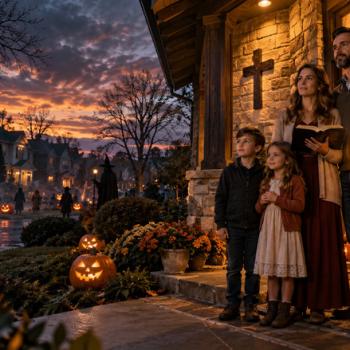
Faith Shines Through Halloween Darkness

Machines Cannot Forgive Your Spouse

Finding Forgiveness Before Love Fades

Pentecost Ignited Forgiveness in Marriage
TRENDING AT PATHEOS General Christian

A new article, written by Jeff Lindsay and Gale L. Pooley,...

Swimfan: Forgotten Aughts Pleasures
This is a recovery effort. In 2002, My Big Fat Greek Wedding...

Top Three Anti-Catholic Lies About Catholicism
This is my initial transcript for the video, "THE 3 WORST...

Pope Leo Celebrates Mass for Nurses & Docs...
I don't have any idea how he did it, but Pope Leo...

The Sermon on the Mount, Part I: Matthew...
The Sermon on the Mount, Part I (Matthew 4:12-5:12) St. Matthew moves...

What's up from Crossway: Reviewing some of their latest A few weeks...
view all General Christian blogs
What Are Your Thoughts?leave a comment
Ad-Free & Subscriber Log-In Subscription Support
- About Us
- 2026 Calendar
- Videos
- Podcasts
- Library of World Religions
- Faith In Media Tracker
- Advertise With Us
- Write for Us
- Privacy Policy
- Terms of Service
- Do Not Sell My Data
- Contact Us
- Radiant Digital
- Manage Newsletter Subscriptions
- Unsubscribe From Notifications
- Sitemap
Copyright 2008-2026, Patheos. All rights reserved.
Subscription Support Ad-Free & Subscriber Log-In
Follow Patheos