
BuddhistCatholicContemplativeEvangelicalGeneral ChristianHinduJewishLatter-day SaintMuslimNew VisionsProgressive Christian
Beliefs
- Buddhist
- Catholic
- Contemplative
- Evangelical
- General Christian
- Hindu
- Jewish
- Latter-day Saint
- More Voices
- Muslim
- New Visions
- Pagan
- Progressive Christian
Topics
- Religion News
- Food and Religion
- Sports and Religion
- Religious Art
- Religious Music and Entertainment
- Religious Events
- History and Religion
- Style and Religion
- Politics and Religion
- Women in Religion
- Recreation Outdoors and Religion
- Business Finance and Religion
- Careers Workplace and Religion
- Education and Religion
- Family Parenting and Religion
- Health Fitness and Religion
- Home and Religion
- Relationships and Religion
- Technology and Religion
- Travel and Religion
Columnists
- Buddhist Columnists
- Business Finance and Religion Columnists
- Careers Workplace and Religion Columnists
- Catholic Columnists
- Contemplative Columnists
- Education and Religion Columnists
- Evangelists Columnists
- Family Parenting and Religion Columnists
- General Christian Columnists
- Health Fitness and Religion Columnists
- Hindu Columnists
- History and Religion Columnists
- Home and Religion Columnists
- Jewish Columnists
- More Voices Columnists
- Latter Day Columnists
- Muslim Columnists
- New Visions Columnists
- Nonreligious Columnists
- Pagan Columnists
- Politics and Religion Columnists
- Progressive Columnists
- Recreation Outdoors and Religion Columnists
- Relationships and Religion Columnists
- Religion News Columnists
- Religious Art Columnists
- Religious Events Columnists
- Religious Music and Entertainment Columnists
- Sports and Religion Columnists
- Style and Religion Columnists
- Technology and Religion Columnists
- Travel and Religion Columnists
- Women in Religion Columnists
Resource Library
- 2026 Calendar
- Library of World Religions
- The 100 Most Holy Places on Earth
- Patheos Answers
- Podcasts
- Videos
- Faith Leaders Database
- Anglican Episcopalian
- Bahai
- Baptist
- Buddhism
- Christianity
- Confucianism
- Eastern Orthodoxy
- Hinduism
- Holiness and Pentecostal
- ISKCON
- Islam
- Judaism
- Lutheran
- Methodist
- The Church of Jesus Christ of Latter-day Saints
- New Age
- Paganism
- Presbytarian and Reformed
- Protestantism
- Religion Behind the Scenes
- Roman Catholic
- Scientology
- Shia Islam
- Sikhism
- Sufism
- Sunni Islam
- Taoism
- Zen
- See all religions
Research Tools
 Ad-Free & Subscriber Log-In Subscription Support
Ad-Free & Subscriber Log-In Subscription Support
Follow Patheos 

- Trending:
- Forgiveness
- |
- Marriage
- |
- Consciousness
- |
- Death Penalty
- |
- Election
- |
- Halloween

- Home
- General Christian
- Education and Religion
- Change in 2023 Prepares for New Year
Change in 2023 Prepares for New Year
Last updated on: October 22, 2024 at 2:22 pm by Dr. David K. Ewen
Change in 2023 Prepares for New Year 2024-10-22T14:22:33-04:00 Dr. David K. Ewen
Patheos Explore the world's faith through different perspectives on religion and spirituality! Patheos has the views of the prevalent religions and spiritualities of the world.

Happy New Year / Image Courtesy of BoliviaInteligente via Unsplash
Advancements for Outreach and Engagement
For centuries, Christians have been at the forefront of social justice movements, driven by the core teachings of love, compassion, and care for the marginalized found in the Bible. From the abolitionist movement to the civil rights movement, Christians have played a pivotal role in advocating for equality, justice, and human rights. The teachings of Jesus Christ, who showed deep concern for the poor, the sick, and the outcast, have inspired believers to actively address social issues and work towards a more just society.
In recent times, the faith has leveraged technological advancements to further its mission of social justice. Online ministries, social media platforms, and virtual worship services have become powerful tools for Christians to expand their reach and foster a sense of community among believers. These technological innovations have allowed the faith to transcend geographical boundaries and connect with individuals from all walks of life. Online ministries provide resources, sermons, and teachings that are accessible to anyone with an internet connection, allowing people to engage with their faith on their own terms.
Social media platforms have become virtual megaphones for Christians to amplify their messages and create a positive impact on society. Through platforms like Facebook, Twitter, and Instagram, believers can share inspirational messages, raise awareness about social issues, and mobilize support for various causes. The power of social media lies in its ability to reach a wide audience in real-time, sparking conversations and inspiring action. Christians have utilized these platforms to advocate for issues such as poverty alleviation, racial justice, environmental stewardship, and more.
Virtual worship services have also become increasingly popular, especially in light of the COVID-19 pandemic. These services allow believers to come together and worship as a community, even when physical gatherings are not possible. They provide a sense of belonging and connection, fostering a supportive environment where individuals can find solace and strength. Virtual worship services often incorporate elements such as live streaming of sermons, interactive prayer sessions, and virtual communion, ensuring that believers can continue to engage in their faith practices.
The embrace of technology by Christians has not only expanded their reach but has also facilitated collaboration and collective action. Online platforms have enabled believers from different churches, denominations, and even countries to come together, share resources, and collaborate on projects that promote social justice. The power of technology lies in its ability to connect individuals and provide a platform for collective change.
Interfaith Dialogue and Collaboration
In the year 2023, a remarkable upsurge in initiatives aimed at nurturing interfaith understanding and collaboration has emerged, marking a significant shift in the global religious landscape. Christian leaders have been instrumental in spearheading these endeavors, engaging in meaningful dialogues with representatives from various faiths. Their unwavering commitment to promoting values of tolerance, respect, and shared understanding has profoundly impacted the way different religious communities interact on a global scale.
By actively participating in interfaith dialogues, Christian leaders have set a compelling example for believers worldwide, urging them to embrace the diversity inherent in our world and encouraging a spirit of solidarity with followers of diverse religions. This dedicated commitment to fostering interfaith cooperation has paved a path toward greater mutual understanding and harmony among diverse religious groups, fostering a more unified coexistence in our multifaceted world.
The acknowledgment that no single religion possesses an exclusive claim to truth or morality has cultivated an environment conducive to meaningful conversations among individuals from distinct faith traditions. This environment has enabled learning, cooperation, and joint efforts to confront shared challenges.
The amplified emphasis on interfaith understanding has effectively dismantled stereotypes and prejudices, fostering a culture of acceptance and celebration of religious diversity. Consequently, there is a growing inclination among people to perceive individuals from different faith backgrounds as partners rather than adversaries.
This transformative shift in perspective has given rise to collaborative initiatives such as interfaith prayer gatherings, communal service projects, and educational programs. Through these collective endeavors, diverse religious communities merge their strengths, exchange experiences, and address pressing societal issues. As a result, they are making substantive contributions that positively impact their local communities and extend beyond geographic boundaries.
The strides made in 2023 towards nurturing interfaith understanding and collaboration have not only strengthened the bonds between religious groups but have also contributed significantly to fostering a more inclusive and compassionate society. As we continue to witness the ascendancy of religious pluralism, the ongoing commitment to interfaith dialogue will remain pivotal in ensuring peaceful coexistence and mutual respect among diverse religious communities.
Christian leaders and representatives of other faiths, through their active engagement in dialogues and their promotion of values centered on tolerance and respect, are pivotal in shaping a future where diverse religious communities can flourish together in harmony. Their dedication lays the groundwork for a world where different faith traditions unite to confront shared challenges and celebrate their common humanity.
Personal Spiritual Growth and Discipleship
In recent times, a noticeable shift has taken place within Christian communities, marked by a renewed focus on personal spiritual growth and the importance of discipleship. This shift reflects a growing realization among believers of the profound benefits that stem from deepening their connection with God and fortifying their faith. Christians increasingly understand that cultivating an authentic and thriving faith demands intentional dedication and commitment.
Central to this resurgence are practices like Bible study, prayer, and mentorship, which have garnered heightened attention and significance. Bible study serves as a conduit for individuals to explore the teachings within God’s Word, allowing them to gain wisdom and understanding. Through prayer, Christians discover solace, guidance, and a direct means of communing with their Creator. Additionally, mentorship plays a pivotal role in the process of discipleship, as seasoned believers come alongside newer ones, offering guidance, support, and holding each other accountable.
This emphasis on personal spiritual growth and discipleship serves as an invaluable tool for Christians to navigate the complexities of an ever-changing world. In a society where beliefs and values face constant challenges, individuals who invest time and effort into their spiritual development find themselves better equipped to withstand these pressures while remaining firmly grounded in their faith. Such individuals are empowered to discern truth amidst conflicting information, navigate moral quandaries, and respond to societal shifts with grace and wisdom.
Moreover, this renewed commitment to personal spiritual growth fosters a sense of community and unity among believers. As Christians engage in these spiritual practices together, they not only strengthen their own faith but also encourage and uplift one another on their spiritual journeys. This collective pursuit of spiritual growth contributes to the formation of a resilient and vibrant faith community capable of positively impacting the wider world.
Ultimately, the emphasis placed on personal spiritual growth and discipleship within Christian communities serves as a catalyst not only for individual strength but also for the cultivation of a resilient faith community poised to make a meaningful and positive difference in the world.
Declining Church Attendance
In the face of demonstrated resilience and adaptability, Christianity confronts persistent challenges. One of the most pressing issues is the decline in church attendance, notably among younger generations, posing a significant obstacle to the preservation of Christian traditions and values. In an age marked by technological advancements and the ascendancy of secularism, a growing number of young people are drifting away from organized religion. This shift can be attributed to various factors, including a perceived disconnection between religious teachings and the realities of contemporary life, a lack of engagement and relevance in church services, and the influence of alternative belief systems.
To confront this challenge, religious institutions must adapt their approaches to effectively engage with younger generations. Incorporating contemporary elements into religious practices, such as integrating technology, leveraging social media platforms for outreach, and establishing spaces for open discussions about faith, could be pivotal in reconnecting with the younger demographic.
Additionally, internal divisions and debates within Christianity, be they theological or related to social issues, pose challenges to unity. Diverse interpretations of scripture, distinct cultural contexts, and evolving societal norms have led to disagreements among believers, contributing to the formation of various denominations and factions within the Christian faith. While diversity can be a strength, these divisions risk fragmenting the overarching message of Christianity.
Effectively navigating these challenges necessitates fostering respectful dialogue and finding common ground among believers to ensure the faith’s continuity and relevance. Emphasizing shared values and focusing on core principles such as love, compassion, and justice can serve as unifying factors, bridging divides within the faith.
Furthermore, encouraging interfaith dialogue and collaboration can foster understanding and build bridges between different religious communities, fostering a more harmonious and tolerant society.
Ultimately, addressing the challenges confronting Christianity today demands a willingness to adapt, engage, and seek common ground. It requires ensuring that the faith remains vibrant and transformative in an ever-changing world, upholding its values while being open to evolution and dialogue.
Advocacy and Social Responsibility
The distressing reality of persecuted Christians in numerous regions around the world serves as a stark reminder of the critical necessity for relentless advocacy for religious freedom and the safeguarding of minority groups. In various parts of the globe, Christians endure discrimination, violence, and, tragically, even death due solely to their faith. This grave injustice underscores the vital importance of raising awareness and taking concrete action to defend the rights of religious minorities. It is imperative for the global Christian community to unite in solidarity, standing resolutely against injustice and fervently advocating for a world where every individual can freely practice their faith without the specter of persecution.
Christianity, as a faith, places immense significance on the values of love, compassion, and justice. The teachings of Jesus Christ call upon his followers to confront societal issues such as poverty, inequality, and social injustice. This mandate necessitates a comprehensive approach that surpasses mere acts of charity. While charity remains pivotal, advocating for systemic change, fair policies, and robust support for initiatives that uplift marginalized communities becomes equally crucial.
The principle of religious freedom stands as a fundamental human right that demands universal respect and protection. Each individual should have the liberty to express their beliefs, engage in worship, and practice their religion devoid of fear, persecution, or discrimination. Regrettably, for numerous Christians worldwide, this fundamental right is far from a reality. These individuals confront persecution from both state and non-state actors, frequently being denied access to basic services, education, and employment opportunities.
In regions where religious tensions prevail, the advocacy for religious freedom assumes a paramount role. This advocacy encompasses raising awareness, engaging with policymakers, and supporting organizations committed to safeguarding minority rights. Christians must collaborate with diverse religious and secular groups to cultivate understanding, stimulate dialogue, and establish an environment where diverse faiths can peacefully coexist.
The global Christian community wields considerable influence in advocating for religious freedom and shielding persecuted Christians. By leveraging their collective voice and resources, Christians can exert pressure on governments and international bodies to prioritize religious freedom as a core human right. They can lend support to organizations offering aid and assistance to persecuted Christians, advocate for equitable policies, and diligently endeavor to construct a society that champions inclusivity and tolerance.
Adapting While Staying True to Core Values
Christianity stands as a formidable force for good, offering solace, guidance, and a sense of belonging to millions worldwide. Its extensive history spanning over two millennia bears witness to its profound influence in shaping societies, cultures, and individual lives. Rooted in its teachings, Christianity serves as a moral compass and a wellspring of comfort during times of adversity. However, in the face of an ever-evolving world, the faith’s ability to adapt while holding onto its foundational teachings is essential for its continued relevance and impact.
The sustainability of Christianity’s impact hinges upon its willingness to embrace change. Acknowledging the shifts in social, cultural, and technological landscapes and actively engaging with them ensures the faith remains relatable to new generations. Embracing modern communication methods, such as social media and online platforms, extends Christianity’s reach, facilitating profound connections with seekers seeking guidance and support.
Equally vital is the active engagement with contemporary issues. Throughout its history, Christianity has stood at the forefront of championing social justice, advocating for equality, and promoting compassion. To remain a catalyst for positive change, the faith must persistently address pressing concerns like poverty, discrimination, environmental degradation, and mental health. By participating in these crucial dialogues and taking tangible actions, Christianity continues to inspire progress and contributes to the betterment of society.
Amid the imperative for adaptation and engagement, Christianity’s authenticity lies in staying true to its core values. Compassion, justice, and love form the bedrock of its teachings, guiding believers in their interactions and engagements with others. Christianity’s enduring strength emanates from offering a moral framework that champions empathy, forgiveness, and a dedication to social responsibility. By placing emphasis on these values, the faith inspires individuals to embody these principles in their lives, creating a ripple effect that transcends the confines of religious institutions.
In navigating the complexities of a changing world, Christianity’s ability to adapt, engage, and uphold its foundational values positions it as a beacon of hope, guidance, and communal support. Its adaptive nature ensures its continued relevance and resonance with generations to come, fostering a legacy of compassion, justice, and love that transcends time and boundaries.
Progressive Christian
Family, Parenting and Religion

About Dr. David K. Ewen
Meet Dr. David K. Ewen, a remarkable individual with a heart full of unwavering compassion and a dedication that knows no bounds. Beyond his role as an ordained minister, he is a guiding light for countless individuals, couples, and families who seek spiritual guidance and support. Dr. Ewen’s impact extends far beyond the confines of the pulpit, reaching out to those who need it most and reminding us of the transformative power of faith in action. His ability to connect with people on a deep, personal level is a testament to his understanding of the complexities of the human condition and his desire to be a source of strength for others. You can read more about the author here.
Previous Post

November 24, 2023
Origins of Jesus Christ as Starlight Savior
Next Post

December 2, 2023 Hope for the Holiday Season
Recent Comments
"Faith shines through Halloween darkness when Christians face October with wisdom instead of panic.Huh? Panic?? ..."
Faith Shines Through Halloween Darkness
"Raising hearts and minds in gratitude. Happy Thanksgiving. "Prayer is not asking. It is a ..."
Feasting on God’s Grace Together
"So, ICE should not wear masks and be hired from biker bars. And undocumented immigrants ..."
Why Accountability Matters Today
"My initial thought while reading this was that it must be satire. I will not ..."
Living Out Kirk’s Legacy of Courage ..."
Browse Our Archives
Select a Category General Christian Living Uncategorized
Select a Month October 2026 August 2026 July 2026 June 2026 May 2026 April 2026 March 2026 January 2026 December 2025 November 2025 October 2025 September 2025 August 2025 July 2025 June 2025 May 2025 March 2025 February 2025 December 2024 November 2024 October 2024 September 2024 August 2024 July 2024 June 2024 May 2024 April 2024 March 2024 February 2024 January 2024 December 2023 November 2023 October 2023
Follow Us!
TAKE THE
Religious Wisdom Quiz
What city did David capture and make his capital?
Select your answer to see how you score.
Hebron Gibeon Jerusalem Bethlehem
Related posts from Faith Matters

When Halloween Unmasks Married Hearts
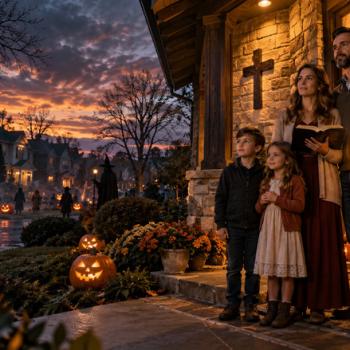
Faith Shines Through Halloween Darkness

Machines Cannot Forgive Your Spouse

Finding Forgiveness Before Love Fades
TRENDING AT PATHEOS General Christian

16 Spiritual Touchstones for a More Grounded Life
After decades of spiritual study, here are 16 principles I try...

Catholic Evangelization: Sharing Your Faith Every Day
Welcome back to the Graceful Awakening mini-series called, “From Faith to Mission.” ...

The Pillar of the Boatmen: the Ancient Monument...
The Pillar of the Boatmen is a Romano-Gaulish sculpture that dates from...

In one sense walking into Westminster Abbey is like walking down the...

'Super Scam Me' Exposes AI Jon Bon Jovi...
Leslie Pickett believed she was in a relationship with Jon Bon Jovi....

The Brazilian Remake of Kendricks' 'Flywheel' Opens in...
“Flywheel,” the story that launched the Kendrick Brothers’ filmmaking career is getting...
view all General Christian blogs
What Are Your Thoughts?leave a comment
Ad-Free & Subscriber Log-In Subscription Support
- About Us
- 2026 Calendar
- Videos
- Podcasts
- Library of World Religions
- Faith In Media Tracker
- Advertise With Us
- Write for Us
- Privacy Policy
- Terms of Service
- Do Not Sell My Data
- Contact Us
- Radiant Digital
- Manage Newsletter Subscriptions
- Unsubscribe From Notifications
- Sitemap
Copyright 2008-2026, Patheos. All rights reserved.
Subscription Support Ad-Free & Subscriber Log-In
Follow Patheos