
BuddhistCatholicContemplativeEvangelicalGeneral ChristianHinduJewishLatter-day SaintMuslimNew VisionsProgressive Christian
Beliefs
- Buddhist
- Catholic
- Contemplative
- Evangelical
- General Christian
- Hindu
- Jewish
- Latter-day Saint
- More Voices
- Muslim
- New Visions
- Pagan
- Progressive Christian
Topics
- Religion News
- Food and Religion
- Sports and Religion
- Religious Art
- Religious Music and Entertainment
- Religious Events
- History and Religion
- Style and Religion
- Politics and Religion
- Women in Religion
- Recreation Outdoors and Religion
- Business Finance and Religion
- Careers Workplace and Religion
- Education and Religion
- Family Parenting and Religion
- Health Fitness and Religion
- Home and Religion
- Relationships and Religion
- Technology and Religion
- Travel and Religion
Columnists
- Buddhist Columnists
- Business Finance and Religion Columnists
- Careers Workplace and Religion Columnists
- Catholic Columnists
- Contemplative Columnists
- Education and Religion Columnists
- Evangelists Columnists
- Family Parenting and Religion Columnists
- General Christian Columnists
- Health Fitness and Religion Columnists
- Hindu Columnists
- History and Religion Columnists
- Home and Religion Columnists
- Jewish Columnists
- More Voices Columnists
- Latter Day Columnists
- Muslim Columnists
- New Visions Columnists
- Nonreligious Columnists
- Pagan Columnists
- Politics and Religion Columnists
- Progressive Columnists
- Recreation Outdoors and Religion Columnists
- Relationships and Religion Columnists
- Religion News Columnists
- Religious Art Columnists
- Religious Events Columnists
- Religious Music and Entertainment Columnists
- Sports and Religion Columnists
- Style and Religion Columnists
- Technology and Religion Columnists
- Travel and Religion Columnists
- Women in Religion Columnists
Resource Library
- 2026 Calendar
- Library of World Religions
- The 100 Most Holy Places on Earth
- Patheos Answers
- Podcasts
- Videos
- Faith Leaders Database
- Anglican Episcopalian
- Bahai
- Baptist
- Buddhism
- Christianity
- Confucianism
- Eastern Orthodoxy
- Hinduism
- Holiness and Pentecostal
- ISKCON
- Islam
- Judaism
- Lutheran
- Methodist
- The Church of Jesus Christ of Latter-day Saints
- New Age
- Paganism
- Presbytarian and Reformed
- Protestantism
- Religion Behind the Scenes
- Roman Catholic
- Scientology
- Shia Islam
- Sikhism
- Sufism
- Sunni Islam
- Taoism
- Zen
- See all religions
Research Tools
 Ad-Free & Subscriber Log-In Subscription Support
Follow Patheos 

- Trending:
- Advent
- |
- Forgiveness
- |
- Thanksgiving
- |
- Election
- |
- Seasonal Holidays
- |
- Marriage

- Home
- General Christian
- Family, Parenting and Religion
- Boundaries as Faithfulness: What Scripture Says
Boundaries as Faithfulness: What Scripture Says
Last updated on: July 25, 2026 at 12:58 pm by Christine Moriarty Field
Boundaries as Faithfulness: What Scripture Says 2026-07-25T12:58:31-05:00 Christine Moriarty Field
Patheos Explore the world's faith through different perspectives on religion and spirituality! Patheos has the views of the prevalent religions and spiritualities of the world.
For many of us raised in faith, the word “boundary” can feel suspiciously secular — like a self-help concept layered on top of what we were taught about selfless love. But look closely at scripture, and a different picture emerges.

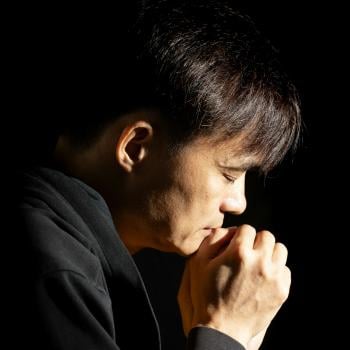
Image courtesy of Pixabay
Jesus Withdrew, Too
The gospels describe Jesus repeatedly withdrawing from crowds to pray alone, even when people still needed him, even when the demand on his time and presence was constant and real. He didn’t meet every request. He didn’t stay available to everyone at every moment. If the most selfless life we know of included deliberate withdrawal, boundaries were never the opposite of holiness — they were part of it.
Jesus Also Said No Directly
Beyond withdrawing to pray, Jesus said no in plainer ways too — declining to perform miracles on demand, refusing to answer every question posed to trap him, walking away from crowds who wanted to make him king by force. He wasn’t unkind in these moments. He was clear. Clarity and love were never in competition in his example; they worked together.
The Myth That Christian Love Has No Limits
Somewhere along the way, many of us absorbed a version of Christian love that meant unlimited availability — to anyone, at any cost to ourselves. That’s not what scripture actually models. Love that has no limits at all isn’t sustainable love; it’s a slow erosion of the person doing the loving, until there’s less and less self left to offer.
Boundaries as Stewardship, Not Selfishness
We’re taught to be good stewards of our time, our resources, our bodies. Rarely are we taught to extend that stewardship to our own emotional capacity. But protecting your peace — saying no to a draining pattern, stepping back from a role that’s quietly depleting you — is stewardship, not selfishness. You cannot pour faithfully from a life you’ve allowed to run completely dry.
The Parable of the Talents, Applied to Yourself
We’re familiar with the parable of the talents as a lesson about using our gifts wisely rather than burying them. It’s worth applying the same lesson inward: burying your own capacity for peace and rest under an endless stream of unexamined obligations isn’t faithful stewardship — it’s a slow burial of the very resources God gave you to steward in the first place.
What Saying No Can Look Like in Practice
A faithful boundary doesn’t require harsh words or a dramatic confrontation. It can sound like, “I love you, and I’m not able to be part of that conversation.” “I need to step away from this for now, but I’m not stepping away from you.” Firm and gentle are not opposites; scripture models both together, often in the same breath.
Rest as a Commandment, Not a Suggestion
The command to rest on the Sabbath wasn’t offered as an optional nicety — it was written into the structure of the law itself, a built-in limit on how much even faithful, willing hands were permitted to give without pause. If God built rest into the fabric of faithful living, our own boundaries around rest and capacity aren’t a departure from faith. They’re an echo of it.
A Prayer for the Words You’re Afraid to Say
Lord, give me the courage to say the true thing calmly, without either softening it into silence or sharpening it into anger. Help me trust that protecting my peace is not a failure of love, but a form of it. Give me the words when I freeze, and the steadiness to hold them once they’re spoken. And when the old guilt rises up afterward, whispering that I’ve done something unloving, help me remember that faithfulness was never the same thing as endless, unexamined availability.
If you’re ready to build this practice into your daily relationships, Crisis-Proof Boundaries offers a practical companion — real language and a real framework — for living out this kind of faithful, sustainable love.
Explore Crisis-Proof Boundaries →HERE
Let’s Discuss: How does the image of Jesus withdrawing to pray change how you think about your own need for space?
Previous Post

July 18, 2026
When Love Has to Change: Loving What's Real
Next Post

July 30, 2026 From Surviving to Whole: A Path Through Family Change
Recent Comments
"I find faith and end of 'human existence' planning as helpful for a better understanding ..."
Faith and End of Life Planning
"Good article. So many of us are scratching are heads and absorbing the blame. No ..."
Walking on Eggshells With Adult Children
"Thank you for this."
When the Miracle Hasn’t Come Yet
"there is healthy and unhealthy stress, fear and anxiety, learning to identify the difference is ..."
What My Anxiety Taught Me About ..."
Browse Our Archives
Select a Category Uncategorized
Select a Month November 2026 October 2026 September 2026 August 2026 July 2026 June 2026 May 2026 April 2026 March 2026 February 2026 January 2026 December 2025 November 2025 October 2025 September 2025 August 2025 July 2025 June 2025 May 2025 April 2025 March 2025 February 2025 January 2025 December 2024 November 2024 October 2024 September 2024 August 2024 July 2024
Follow Us!
TAKE THE
Religious Wisdom Quiz
True or False: Hebrews teaches that Jesus is the mediator of a new covenant.
Select your answer to see how you score.
FALSE TRUE
Books by This Author Books by Faithful Resilience
Related posts from Faithful Resilience

Apples of Gold: Words Around the Thanksgiving Table

You Can Care Deeply and Still Be the...

Jochebed's Basket: Letting Go of a Grown Child
"My Bones Are Vexed": Praying for a Grown...
TRENDING AT PATHEOS General Christian

How Thoughts Shape Our Lives - Even Lies
She wakes up with a familiar heaviness. Nothing troubling is happening yet,...

The Thanksgiving Hymn Born in a Plague-Ravaged Town
The Impossible Story of “Now Thank We All Our God" It’s an...

Does Islam Teach the Subjugation of Christians and...
“There is no compulsion in religion.” When discussions about Islam's relationship...

The Church calendar begins Advent this year on Sunday November 29....

Apples of Gold: Words Around the Thanksgiving Table
There is a verse in Proverbs that I think every mother should...

Why Jesus Shone on the Mountain and Moses...
The Divine Glory In all three of the synoptic gospels, Matthew, Mark,...
view all General Christian blogs
What Are Your Thoughts?leave a comment
Ad-Free & Subscriber Log-In Subscription Support
- About Us
- 2026 Calendar
- Videos
- Podcasts
- Library of World Religions
- Faith In Media Tracker
- Advertise With Us
- Write for Us
- Privacy Policy
- Terms of Service
- Do Not Sell My Data
- Contact Us
- Radiant Digital
- Manage Newsletter Subscriptions
- Unsubscribe From Notifications
- Sitemap
Copyright 2008-2026, Patheos, part of the Radiant Digital network of media brands. All rights reserved.
Subscription Support Ad-Free & Subscriber Log-In
Follow Patheos