
BuddhistCatholicContemplativeEvangelicalGeneral ChristianHinduJewishLatter-day SaintMuslimNew VisionsProgressive Christian
Beliefs
- Buddhist
- Catholic
- Contemplative
- Evangelical
- General Christian
- Hindu
- Jewish
- Latter-day Saint
- More Voices
- Muslim
- New Visions
- Pagan
- Progressive Christian
Topics
- Religion News
- Food and Religion
- Sports and Religion
- Religious Art
- Religious Music and Entertainment
- Religious Events
- History and Religion
- Style and Religion
- Politics and Religion
- Women in Religion
- Recreation Outdoors and Religion
- Business Finance and Religion
- Careers Workplace and Religion
- Education and Religion
- Family Parenting and Religion
- Health Fitness and Religion
- Home and Religion
- Relationships and Religion
- Technology and Religion
- Travel and Religion
Columnists
- Buddhist Columnists
- Business Finance and Religion Columnists
- Careers Workplace and Religion Columnists
- Catholic Columnists
- Contemplative Columnists
- Education and Religion Columnists
- Evangelists Columnists
- Family Parenting and Religion Columnists
- General Christian Columnists
- Health Fitness and Religion Columnists
- Hindu Columnists
- History and Religion Columnists
- Home and Religion Columnists
- Jewish Columnists
- More Voices Columnists
- Latter Day Columnists
- Muslim Columnists
- New Visions Columnists
- Nonreligious Columnists
- Pagan Columnists
- Politics and Religion Columnists
- Progressive Columnists
- Recreation Outdoors and Religion Columnists
- Relationships and Religion Columnists
- Religion News Columnists
- Religious Art Columnists
- Religious Events Columnists
- Religious Music and Entertainment Columnists
- Sports and Religion Columnists
- Style and Religion Columnists
- Technology and Religion Columnists
- Travel and Religion Columnists
- Women in Religion Columnists
Resource Library
- 2026 Calendar
- Library of World Religions
- The 100 Most Holy Places on Earth
- Patheos Answers
- Podcasts
- Videos
- Faith Leaders Database
- Anglican Episcopalian
- Bahai
- Baptist
- Buddhism
- Christianity
- Confucianism
- Eastern Orthodoxy
- Hinduism
- Holiness and Pentecostal
- ISKCON
- Islam
- Judaism
- Lutheran
- Methodist
- The Church of Jesus Christ of Latter-day Saints
- New Age
- Paganism
- Presbytarian and Reformed
- Protestantism
- Religion Behind the Scenes
- Roman Catholic
- Scientology
- Shia Islam
- Sikhism
- Sufism
- Sunni Islam
- Taoism
- Zen
- See all religions
Research Tools
 Ad-Free & Subscriber Log-In Subscription Support
Ad-Free & Subscriber Log-In Subscription Support
Follow Patheos 

- Trending:
- Forgiveness
- |
- Marriage
- |
- Consciousness
- |
- Death Penalty
- |
- Election
- |
- Halloween
 Faith Beyond Belief
-
Post Categories
- Home
- New Visions
- Beyond the Corrupt Parts of Religion
Beyond the Corrupt Parts of Religion
Last updated on: November 5, 2012 at 1:47 pm by Margaret Placentra Johnston
Beyond the Corrupt Parts of Religion 2012-10-30T17:16:12-04:00 Margaret Placentra Johnston
Patheos Explore the world's faith through different perspectives on religion and spirituality! Patheos has the views of the prevalent religions and spiritualities of the world.
 French philosopher Paul Ricoeur pointed out how many people are attracted to traditional religion out of a need for the rules it imposes and the comforts it can provide. He called these two elements, (taboo and refuge) the “corrupt” parts of religion, and opined that in mature faith we must grow beyond these “baser needs.”
Many of us are attracted to religion (probably at the subconscious level) because we need its rules to keep our behavior in line, or because we find such harsh realities in this life that we need comfort and protection from some other-worldly savior and assurance that a “better” existence awaits us in the next life. These would be the “taboo and refuge” concepts of which Ricoeur wrote. But is this a realistic and authentic way to deal with reality? If not, what way would be more realistic and more authentic, and how do we get to it?
Approaching religion for the sake of our own needs implies we need a crutch in life and are not prepared to deal with reality on its own terms. It implies that at some level, we are choosing to shield ourselves from life’s harshest conflicts through appeal to God. This is a pretty safe bet because God has a relatively high rating in our society, and no one can definitively deny or prove his existence. But it means that our life stance is being dictated by fear. It means we are choosing dependence upon a crutch.
But what would it take to let go of that crutch? What would it take to grow beyond the fear? The opposite of fear is courage. And courage depends upon trust.
To grow beyond the taboo and refuge factors in religion we must first of all trust ourselves. We must trust that we would make the right moral choices without the rules provided by our religion.
And we must trust in the power of our own resources to carry us through life’s difficulties. This does not mean we don’t turn to our earthly family and friends, to our community for support in times of trouble. It does mean we don’t turn away from the world and toward a supernatural presence for that support. It means we must trust in the power of what we find here on earth and not seek refuge in the supernatural.
Trusting our own strength and in the power of our earthly resources requires a type of courage that is not commonly considered in our society. This may be one reason popular religion is so popular. It really is easier to just buy into a pre-determined philosophy and belief system than to figure things out for one’s self.
Branching out beyond the societal norms, freeing one’s self from the need for taboo and refuge takes courage. Spiritual courage.
So moving beyond taboo and refuge does not mean we must forsake our spiritual inclinations altogether. It can be just one step on the road to a form of spiritual maturity about which very little is heard in our society. But unitive spiritual maturity can be the key to rising above the divisiveness and intolerance by which many forms of popular religion embarrass themselves in our society today.
Previous Post

November 1, 2012
Reexamining the Definition of Religion
Next Post
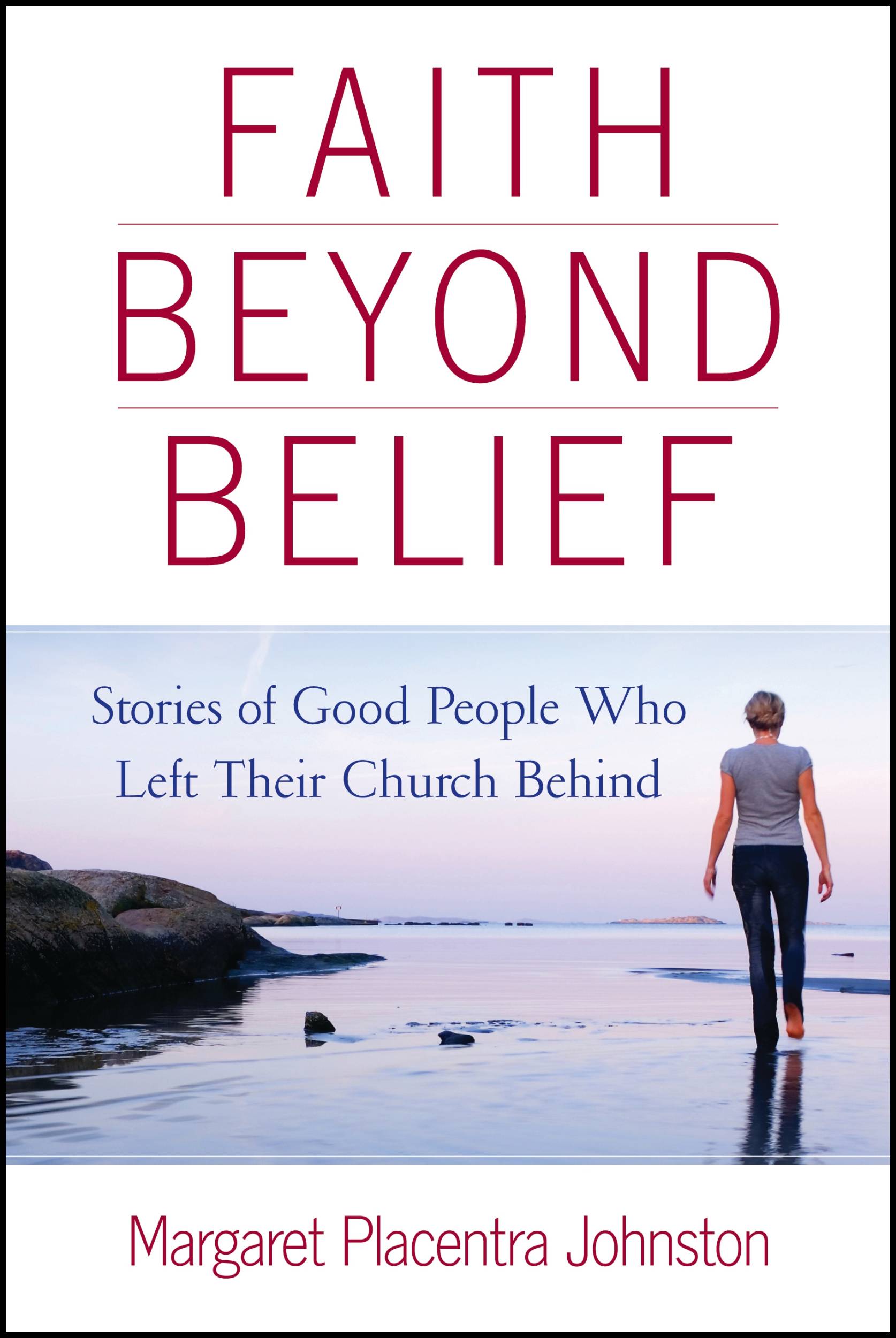
November 13, 2012 Are You Ready for Faith Beyond Belief? Take the Challenge!
Browse Our Archives
Select a Category Spiritual Courage Spiritual Maturity Spiritual Strength Uncategorized
Select a Month April 2013 March 2013 February 2013 January 2013 December 2012 November 2012 October 2012 September 2012 August 2012
TAKE THE
Religious Wisdom Quiz
Who is credited with writing much of Proverbs?
Select your answer to see how you score.
David Hezekiah Agur Solomon
Related posts from Faith Beyond Belief
What does God Really Look Like? - Time...
My Defining Moment Led to this Patheos Blog...

Why I am a Freelance Spiritual Seeker

TRENDING AT PATHEOS New Visions

Did Prayer Cure His Cancer? Or Was It...
At 4 AM one morning, Joshua W. Brown’s wife awoke to a...

8 Ways a Near-Death Experience Rewires the Soul
Does Consciousness Survive Physical Death? After 50 Years of Research, Dr. Raymond...

Holy Longing: What Our Restlessness Is Telling Us
“One can find so many pains when the rain is falling.” -John...

What this is NOT about. This blog is definitely not about...

Who said the Israelites were God’s chosen? That’s right, they did. Who...

The Spirit World Is the Real World: God...
A Monk’s Wisdom on Body and Spirit I sit with Brother Martin...
view all New Visions blogs
Ad-Free & Subscriber Log-In Subscription Support
- About Us
- 2026 Calendar
- Videos
- Podcasts
- Library of World Religions
- Faith In Media Tracker
- Advertise With Us
- Write for Us
- Privacy Policy
- Terms of Service
- Do Not Sell My Data
- Contact Us
- Radiant Digital
- Manage Newsletter Subscriptions
- Unsubscribe From Notifications
- Sitemap
Copyright 2008-2026, Patheos. All rights reserved.
Subscription Support Ad-Free & Subscriber Log-In
Follow Patheos