
BuddhistCatholicContemplativeEvangelicalGeneral ChristianHinduJewishLatter-day SaintMuslimNew VisionsProgressive Christian
Beliefs
- Buddhist
- Catholic
- Contemplative
- Evangelical
- General Christian
- Hindu
- Jewish
- Latter-day Saint
- More Voices
- Muslim
- New Visions
- Pagan
- Progressive Christian
Topics
- Religion News
- Food and Religion
- Sports and Religion
- Religious Art
- Religious Music and Entertainment
- Religious Events
- History and Religion
- Style and Religion
- Politics and Religion
- Women in Religion
- Recreation Outdoors and Religion
- Business Finance and Religion
- Careers Workplace and Religion
- Education and Religion
- Family Parenting and Religion
- Health Fitness and Religion
- Home and Religion
- Relationships and Religion
- Technology and Religion
- Travel and Religion
Columnists
- Buddhist Columnists
- Business Finance and Religion Columnists
- Careers Workplace and Religion Columnists
- Catholic Columnists
- Contemplative Columnists
- Education and Religion Columnists
- Evangelists Columnists
- Family Parenting and Religion Columnists
- General Christian Columnists
- Health Fitness and Religion Columnists
- Hindu Columnists
- History and Religion Columnists
- Home and Religion Columnists
- Jewish Columnists
- More Voices Columnists
- Latter Day Columnists
- Muslim Columnists
- New Visions Columnists
- Nonreligious Columnists
- Pagan Columnists
- Politics and Religion Columnists
- Progressive Columnists
- Recreation Outdoors and Religion Columnists
- Relationships and Religion Columnists
- Religion News Columnists
- Religious Art Columnists
- Religious Events Columnists
- Religious Music and Entertainment Columnists
- Sports and Religion Columnists
- Style and Religion Columnists
- Technology and Religion Columnists
- Travel and Religion Columnists
- Women in Religion Columnists
Resource Library
- 2026 Calendar
- Library of World Religions
- The 100 Most Holy Places on Earth
- Patheos Answers
- Podcasts
- Videos
- Faith Leaders Database
- Anglican Episcopalian
- Bahai
- Baptist
- Buddhism
- Christianity
- Confucianism
- Eastern Orthodoxy
- Hinduism
- Holiness and Pentecostal
- ISKCON
- Islam
- Judaism
- Lutheran
- Methodist
- The Church of Jesus Christ of Latter-day Saints
- New Age
- Paganism
- Presbytarian and Reformed
- Protestantism
- Religion Behind the Scenes
- Roman Catholic
- Scientology
- Shia Islam
- Sikhism
- Sufism
- Sunni Islam
- Taoism
- Zen
- See all religions
Research Tools
 Ad-Free & Subscriber Log-In Subscription Support
Ad-Free & Subscriber Log-In Subscription Support
Follow Patheos 

- Trending:
- Forgiveness
- |
- Marriage
- |
- Consciousness
- |
- Death Penalty
- |
- Election
- |
- Halloween

- Home
- Progressive Christian
- Health, Fitness and Religion
- Vashti, Shero untold
Vashti, Shero untold
Last updated on: May 3, 2024 at 6:02 pm by Olapeju Simoyan, MD, MPH
Vashti, Shero untold 2024-05-03T18:02:10-04:00 Olapeju Simoyan, MD, MPH
Patheos Explore the world's faith through different perspectives on religion and spirituality! Patheos has the views of the prevalent religions and spiritualities of the world.
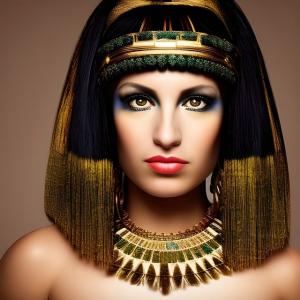
AI generated -Image by Vicki Hamilton from Pixabay
A fresh look at the Feast of Purim and the “other woman” in the story of Esther
Did you ever hear about the “other woman” in the biblical story of Esther? Let’s take a closer look. First, some background information.
What is “Purim”?
The Jewish holiday of Purim is celebrated in late winter/early spring, on the 14th day of the Hebrew month of Adar.
What event does Purim commemorate?
Purim commemorates the deliverance of the Jews from a plan to annihilate them in the ancient Persian empire. The plan was being orchestrated by a man named Haman, the prime minister at the time, who hated the Jews.
What does Purim mean?
“Purim” means “lots” in Persian, as in “lottery”. (Haman cast lots to determine when he would carry out his scheme).
Why did Esther become so famous?
Queen Esther, at the urge of her cousin Mordecai, intervened on behalf of her people, the Jews. She revealed her Jewish identity to the king and told him about Haman’s plot. As a result, the king had Haman hanged and made Mordecai prime minister in his place.
How did Esther, a young Jewish girl become Queen of Persia, in the first place?
Great question! That brings us to Vashti, the untold “shero” in this story! Queen Vashti was married to King Ahasuerus (Xerxes) and Esther became Queen after the king banished Vashti.
Why was Vashti banished?
Well, King Xerxes banished Vashti for disregarding his orders. He was angry and felt there needed to be consequences for Vashti’s disobedience. He therefore banished her, and Esther eventually became Queen in her stead.
Vashti must have been very bold to say “No” to the king. What exactly was she refusing to do? Was she just being defiant or were her actions justified?
The way the story is commonly told, Vashti is presented as a defiant, disobedient queen who was punished for not obeying the king’s orders.
The message was clear: Obey those in authority. If you disobey the king, you will be punished.
What is often neglected is a discussion of why Vashti defied the king’s orders and the possibility that her actions may have been justified.
The King’s Banquet
For a full 180 days he displayed the vast wealth of his kingdom and the splendor and glory of his majesty. When these days were over, the king gave a banquet, lasting seven days, in the enclosed garden of the king’s palace, for all the people from the least to the greatest who were in the citadel of Susa.
- Esther 1: 4-5 (NIV)
As we read in the passage above, the King was hosting a banquet after a protracted period of showing off his wealth. There was plenty of alcohol at the banquet.
Wine was served in goblets of gold, each one different from the other, and the royal wine was abundant, in keeping with the king’s liberality. By the king’s command each guest was allowed to drink with no restrictions, for the king instructed all the wine stewards to serve each man what he wished.
- Esther 1: 7-8 (NIV)
King Xerxes was “high in spirits from wine” (in other words, drunk), when he commanded his servants to bring Queen Vashti out so he could show off her beauty.
On the seventh day, when King Xerxes was in high spirits from wine, he commanded the seven eunuchs who served him—Mehuman, Biztha, Harbona, Bigtha, Abagtha, Zethar and Karkas— to bring before him Queen Vashti, wearing her royal crown, in order to display her beauty to the people and nobles, for she was lovely to look at. But when the attendants delivered the king’s command, Queen Vashti refused to come. Then the king became furious and burned with anger.
- Esther 1: 10-12 (NIV)
Vashti is a role model for girls and young women
A closer look at this story reveals a deeper lesson: Vashti was not simply being defiant to a king’s orders.
She should be praised for her courage and her boldness in standing up and refusing to be treated like a specimen in front of a bunch of drunk men, even if it meant standing up to the king and losing her place as Queen. The king wanted to show off her physical beauty and some even believe that he may have been attempting to put her on display like a prostitute. Vashti must have had a healthy sense of self esteem and courage to be able to refuse the king’s request. Another important point to note is that what the king was requesting was against the culture and customs of the land. Women were not supposed to be put on display in front of men. Some scholars even argue that Vashti was protecting the king’s dignity as well as her own by refusing to flaunt her sexuality. She made a wise decision by refusing to obey a drunken order, even when it came from her husband, who happened to be King. Just as Esther is praised for her courage in risking her life to save the Jews, Vashti should be praised for her boldness and courage in refusing to be objectified.
Young girls should be taught to stand up for themselves and say “No” to exploitation. Vashti was indeed the untold “shero” in the story of Esther.
Jewish
Women in Religion

About Olapeju Simoyan, MD, MPH
Dr. Olapeju Simoyan is a physician, board certified in family medicine and addiction medicine, with a special interest in the connections between faith and health. She strongly believes that faith and critical thinking are not mutually exclusive. As a female physician, Dr. Simoyan is also interested in women's issues and writes about religious abuse and trauma, with a focus on how misinterpretations of biblical texts have led to the perpetration of abuse within church settings. She has combined her writing and photography in several books, including Living Foolproof, a devotional based on reflections from the book of Proverbs. You can check out her author page on Amazon: https://www.amazon.com/stores/Olapeju-Simoyan/author/B0BP7RSYBL You can read more about the author here.
Previous Post
March 15, 2024
St. Patrick’s Day – Facts, myths and sobering stats
Next Post

April 3, 2024 "C.U.L.T." - What are the warning signs?
Recent Comments
"The sources are mentioned in the text and there are also hyperlinks. Hyperlinks are standard ..."
Why Are Christians Celebrating Robert Mueller’s ..."
"Obviously you're a deluded psychopath, denying medical science for the sake of immorality."
Why Are Christians Celebrating Robert Mueller’s ..."
"This article should not be even allowed by Patheos. It fails the first test of ..."
Why Are Christians Celebrating Robert Mueller’s ..."
"Why would I or anyone else grieve for insentient fetal tissue? That's freaky and insensitive ..."
Why Are Christians Celebrating Robert Mueller’s ..."
Browse Our Archives
Select a Category Uncategorized
Select a Month October 2026 July 2026 June 2026 May 2026 March 2026 February 2026 January 2026 November 2025 October 2025 September 2025 June 2025 May 2025 March 2025 February 2025 December 2024 October 2024 July 2024 May 2024 April 2024 March 2024 February 2024 January 2024 December 2023 November 2023 October 2023 September 2023 August 2023 July 2023 June 2023 May 2023
TAKE THE
Religious Wisdom Quiz
Which Old Testament prophet confronted King Ahab about worshiping Baal?
Select your answer to see how you score.
Ezekiel Isaiah Jeremiah Elijah
Related posts from Where Faith and Critical Thinking Meet

What Makes a Place Home? Lessons From Hershey...
Where Faith and Critical Thinking Meet
America at 250: Independence Was Actually July 2
Where Faith and Critical Thinking Meet

Why do we celebrate Flag Day on June...
Where Faith and Critical Thinking Meet
Lincoln, Wilson, Nixon: Presidents and Mental Health
Where Faith and Critical Thinking Meet
TRENDING AT PATHEOS Progressive Christian

57th Dove Awards Honor Dolly Parton, Crown New...
On gospel music’s biggest night, the 57th annual GMA Dove Awards honored...

The First Eucharistic Controversy: Christ’s Real Presence
For Catholics, the Eucharist is the source and summit of the Christian...

What a Stop Sign Can Teach Us About...
How to Make a Decision When You Can't Hear God Main point:...

Archdiocese Hosts Military Marriage Retreat in Germany
RASTATT, Germany — The transient military lifestyle, with its frequent deployments and...

Nearly every morning, I make the drive to Detroit with my high-school-age...

The Real AI Story Is Adoption Without Trust
Artificial intelligence has crossed a political threshold. It is no longer a...
view all Progressive Christian blogs
What Are Your Thoughts?leave a comment
Ad-Free & Subscriber Log-In Subscription Support
- About Us
- 2026 Calendar
- Videos
- Podcasts
- Library of World Religions
- Faith In Media Tracker
- Advertise With Us
- Write for Us
- Privacy Policy
- Terms of Service
- Do Not Sell My Data
- Contact Us
- Radiant Digital
- Manage Newsletter Subscriptions
- Unsubscribe From Notifications
- Sitemap
Copyright 2008-2026, Patheos. All rights reserved.
Subscription Support Ad-Free & Subscriber Log-In
Follow Patheos