
BuddhistCatholicContemplativeEvangelicalGeneral ChristianHinduJewishLatter-day SaintMuslimNew VisionsProgressive Christian
Beliefs
- Buddhist
- Catholic
- Contemplative
- Evangelical
- General Christian
- Hindu
- Jewish
- Latter-day Saint
- More Voices
- Muslim
- New Visions
- Pagan
- Progressive Christian
Topics
- Religion News
- Food and Religion
- Sports and Religion
- Religious Art
- Religious Music and Entertainment
- Religious Events
- History and Religion
- Style and Religion
- Politics and Religion
- Women in Religion
- Recreation Outdoors and Religion
- Business Finance and Religion
- Careers Workplace and Religion
- Education and Religion
- Family Parenting and Religion
- Health Fitness and Religion
- Home and Religion
- Relationships and Religion
- Technology and Religion
- Travel and Religion
Columnists
- Buddhist Columnists
- Business Finance and Religion Columnists
- Careers Workplace and Religion Columnists
- Catholic Columnists
- Contemplative Columnists
- Education and Religion Columnists
- Evangelists Columnists
- Family Parenting and Religion Columnists
- General Christian Columnists
- Health Fitness and Religion Columnists
- Hindu Columnists
- History and Religion Columnists
- Home and Religion Columnists
- Jewish Columnists
- More Voices Columnists
- Latter Day Columnists
- Muslim Columnists
- New Visions Columnists
- Nonreligious Columnists
- Pagan Columnists
- Politics and Religion Columnists
- Progressive Columnists
- Recreation Outdoors and Religion Columnists
- Relationships and Religion Columnists
- Religion News Columnists
- Religious Art Columnists
- Religious Events Columnists
- Religious Music and Entertainment Columnists
- Sports and Religion Columnists
- Style and Religion Columnists
- Technology and Religion Columnists
- Travel and Religion Columnists
- Women in Religion Columnists
Resource Library
- 2026 Calendar
- Library of World Religions
- The 100 Most Holy Places on Earth
- Patheos Answers
- Podcasts
- Videos
- Faith Leaders Database
- Anglican Episcopalian
- Bahai
- Baptist
- Buddhism
- Christianity
- Confucianism
- Eastern Orthodoxy
- Hinduism
- Holiness and Pentecostal
- ISKCON
- Islam
- Judaism
- Lutheran
- Methodist
- The Church of Jesus Christ of Latter-day Saints
- New Age
- Paganism
- Presbytarian and Reformed
- Protestantism
- Religion Behind the Scenes
- Roman Catholic
- Scientology
- Shia Islam
- Sikhism
- Sufism
- Sunni Islam
- Taoism
- Zen
- See all religions
Research Tools
 Ad-Free & Subscriber Log-In Subscription Support
Ad-Free & Subscriber Log-In Subscription Support
Follow Patheos 

- Trending:
- Forgiveness
- |
- Marriage
- |
- Consciousness
- |
- Death Penalty
- |
- Election
- |
- Halloween

- Home
- Evangelical
- An Instrument of Righteousness?
An Instrument of Righteousness?
Last updated on: December 23, 2019 at 1:18 pm by Guest Contributor
An Instrument of Righteousness? 2019-12-23T13:18:45-04:00 Guest Contributor
Patheos Explore the world's faith through different perspectives on religion and spirituality! Patheos has the views of the prevalent religions and spiritualities of the world.
By Rob Dalrymple
Is our current president an “instrument of righteousness”?
This question was posed to me by an acquaintance. Let me state at the outset that I am answering this question as a biblical scholar and not in terms of the current policital climate in the U.S. In other words, my answer would not change regardless of who the current president is, or what country I am writing about.
First, if one defines an “instrument of righteousness” in terms of a leader of a nation who is upholding the laws of the land in accord with his God-given responsibility, then it is easy to find some laws that even the most ruthless of leaders upholds and, thereby, conclude that that leader is such an instrument. In other words, almost anyone could argue that almost any leader is an “instrument of righteousness” based on this definition. This is a classic example of Edward Sapir and Benjamin Whorff’s principle “words create worlds”—which stated succinctly means that what people look for is what they find.
The primary problem, and there are many, with the suggestion that our current president is “an instrument of righteousness” is that it misunderstands what “righteousness” is, biblically speaking. “Righteousness,” in scripture, is not a moral category; it is always intimately tied to God’s covenantal faithfulness. See the phrase, “righteousness of God” throughout the books of Romans and Galatians.
An OT king could be such an instrument if he upheld the law of God (God’s covenant) for the nation of Israel—note the connection with the people of God.
In the New Testament, with the covenant with Israel fulfilled in Jesus, who begins “a new covenant,” an “instrument of righteousness” is one advancing the new covenant, which Jesus proclaimed is the Kingdom of God.
Kingdoms of the World
Thus, citing OT passages about God using kings to advance His kingdom is not applicable for Christians. Citing Romans 13 doesn’t work either because all Paul is saying is that those in authority are meant to do right—to maintain justice in the world. This is different from bringing in the justice of the Kingdom of God.
That is, national justice is not equal to justice done by the people of God—at least it cannot be when the people of God are no longer limited to a national identity. Instead, the people of God are composed of anyone who acknowledges that Jesus is Lord. If, then, an “instrument of righteousness” is one who advances the kingdom of God, then no secular leader can be one today (unless God were to bring a nation-state against the church in judgment; but there is no NT indication that such will occur.)
In addition, the NT is emphatic that the nations of the world stand opposed to the kingdom of God and as such are actually instruments of the devil. This is especially clear in Revelation 13 where the beast receives “his power, throne, and great authority” from the dragon (Rev 13:2).
Throughout the NT the Kingdom of God advances by means of the faithful, persevering, sacrificial, and loving witness of God’s people. The Kingdom of God stands opposed to the kingdoms of the world in that we proclaim Jesus is Lord while they proclaim Caesar is Lord.
A secondary problem arises with this presumption. Christians are to be “instruments of righteousness” by advancing the Kingdom of God in both word and deed to the nations. When Christians take a stand politically and endorse people or laws it is imperative that we ask ourselves: how will this affect our witness? The Church must learn to step back from partisan politics and critique matters in light of the Kingdom of God.
Concerning Trump

President Donald J. Trump, Aug. 15, 2019, onboard Air Force One following his visit to Manchester, N.H. (Official White House Photo by Joyce N. Boghosian)
The main support offered for Donald Trump being an “instrument of righteousness” is his pro-life stance. There are serious questions as to whether or not Trump is actually pro-life—or just advocating pro-life policies because it is politically expedient. After all, he previously held to a pro-choice position.
Furthermore, in the NT, there is no question that for one’s deeds to be righteous, one must have the proper motivation and the proper heart. It is problematic, then, to endorse someone simply because they have expressed pro-life sentiments.
In addition, other views from Trump contradict a pro-life definition: his apparent white supremacist views; his endorsement of hatred towards people of the opposing political party (even suggesting that congresswomen who are American citizens be “sent back.”) And does not pro-life mean that we seek the well-being of Kurds? And women? And the Chinese people?
Isn’t building a wall the opposite of compassion towards those fleeing tyranny and seeking refuge? I am not suggesting that a nation cannot and should not defend its borders. Trump’s transgression is not really his desire to build a wall. It is his anti-immigration policy in the face of the largest global refugee crisis in history.
Finally, I worry that many non-Christians may well be thinking: if this is what an ‘instrument of God’ looks like, then I don’t want that God.
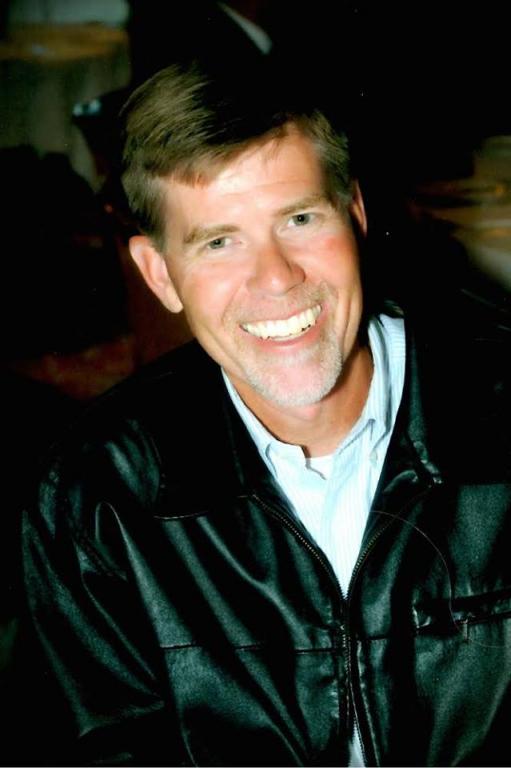
About Rob Dalrymple
Rob Dalrymple (PhD Westminster Seminary) is a pastor and professor. He has been teaching and pastoring for over 30 years at colleges, seminaries, and the local church. He is the author of numerous books and articles; including, Follow the Lamb: A Guide to Reading, Understanding, and Applying the Book of Revelation; These Brothers of Mine: A biblical theology of land and family; Understanding the New Testament and the End Times: Why it Matters; and Revelation and the Two Witnesses. Rob serves on the committee for the book of Revelation study group for the Evangelical Theological Society. You follow Rob’s blog at www.determinetruth.com; or his podcast (search “determinetruth” at podbean.com or on itunes). You can read more about the author here.
Previous Post

October 21, 2019
An Anniversary Worth Remembering
Next Post

January 8, 2020 A Time to Doubt
Browse Our Archives
Select a Category Culture Slideshow Uncategorized
Select a Month April 2026 October 2025 July 2025 April 2025 February 2025 October 2024 August 2023 June 2023 March 2023 February 2023 November 2022 April 2022 January 2022 December 2021 November 2021 October 2021 September 2021 August 2021 March 2021 February 2021 January 2021 December 2020 September 2020 August 2020 July 2020 May 2020 April 2020 March 2020 January 2020 December 2019 October 2019 September 2019 August 2019 July 2019 May 2019 April 2019 March 2019 January 2019 October 2018 August 2018 June 2018 May 2018 March 2018 February 2018 January 2018 December 2017 November 2017 October 2017 September 2017 August 2017 July 2017 May 2017 April 2017 March 2017 February 2017 January 2017 December 2016 November 2016 October 2016 September 2016 August 2016 July 2016 June 2016 May 2016 April 2016 March 2016 February 2016 January 2016 December 2015 November 2015 October 2015 September 2015 August 2015 July 2015 June 2015 May 2015 April 2015 March 2015 February 2015 January 2015 December 2014 November 2014 October 2014 September 2014
TAKE THE
Religious Wisdom Quiz
Who said, "Am I not sending you?"
Select your answer to see how you score.
Elijah Jesus Moses God
Related posts from The Evangelical Pulpit


In the Age of Trump, What Will Evangelicalism...

I Am Conservative And I Am Not Voting...

TRENDING AT PATHEOS Evangelical

How the author of the world's best hymn...
I've been working with John Newton for a while now. This makes...

Long before this Lectio Divina, Psalm 130 - the song - started...

What About the Trees? Another Living Parable
After I finished writing the last article about falling leaves as a...

Why Classical Education Is a Conversation, Not a...
Come and Read: Joy in Classical Education When I was a little...

Falling Leaves: A Living Parable on Letting Go
I’ve spent the vast majority of my life in the southeast corner...

Cornell University has received a great deal of negative publicity and intense...
view all Evangelical blogs
Ad-Free & Subscriber Log-In Subscription Support
- About Us
- 2026 Calendar
- Videos
- Podcasts
- Library of World Religions
- Faith In Media Tracker
- Advertise With Us
- Write for Us
- Privacy Policy
- Terms of Service
- Do Not Sell My Data
- Contact Us
- Radiant Digital
- Manage Newsletter Subscriptions
- Unsubscribe From Notifications
- Sitemap
Copyright 2008-2026, Patheos. All rights reserved.
Subscription Support Ad-Free & Subscriber Log-In
Follow Patheos