
BuddhistCatholicContemplativeEvangelicalGeneral ChristianHinduJewishLatter-day SaintMuslimNew VisionsProgressive Christian
Beliefs
- Buddhist
- Catholic
- Contemplative
- Evangelical
- General Christian
- Hindu
- Jewish
- Latter-day Saint
- More Voices
- Muslim
- New Visions
- Pagan
- Progressive Christian
Topics
- Religion News
- Food and Religion
- Sports and Religion
- Religious Art
- Religious Music and Entertainment
- Religious Events
- History and Religion
- Style and Religion
- Politics and Religion
- Women in Religion
- Recreation Outdoors and Religion
- Business Finance and Religion
- Careers Workplace and Religion
- Education and Religion
- Family Parenting and Religion
- Health Fitness and Religion
- Home and Religion
- Relationships and Religion
- Technology and Religion
- Travel and Religion
Columnists
- Buddhist Columnists
- Business Finance and Religion Columnists
- Careers Workplace and Religion Columnists
- Catholic Columnists
- Contemplative Columnists
- Education and Religion Columnists
- Evangelists Columnists
- Family Parenting and Religion Columnists
- General Christian Columnists
- Health Fitness and Religion Columnists
- Hindu Columnists
- History and Religion Columnists
- Home and Religion Columnists
- Jewish Columnists
- More Voices Columnists
- Latter Day Columnists
- Muslim Columnists
- New Visions Columnists
- Nonreligious Columnists
- Pagan Columnists
- Politics and Religion Columnists
- Progressive Columnists
- Recreation Outdoors and Religion Columnists
- Relationships and Religion Columnists
- Religion News Columnists
- Religious Art Columnists
- Religious Events Columnists
- Religious Music and Entertainment Columnists
- Sports and Religion Columnists
- Style and Religion Columnists
- Technology and Religion Columnists
- Travel and Religion Columnists
- Women in Religion Columnists
Resource Library
- 2026 Calendar
- Library of World Religions
- The 100 Most Holy Places on Earth
- Patheos Answers
- Podcasts
- Videos
- Faith Leaders Database
- Anglican Episcopalian
- Bahai
- Baptist
- Buddhism
- Christianity
- Confucianism
- Eastern Orthodoxy
- Hinduism
- Holiness and Pentecostal
- ISKCON
- Islam
- Judaism
- Lutheran
- Methodist
- The Church of Jesus Christ of Latter-day Saints
- New Age
- Paganism
- Presbytarian and Reformed
- Protestantism
- Religion Behind the Scenes
- Roman Catholic
- Scientology
- Shia Islam
- Sikhism
- Sufism
- Sunni Islam
- Taoism
- Zen
- See all religions
Research Tools
 Ad-Free & Subscriber Log-In Subscription Support
Ad-Free & Subscriber Log-In Subscription Support
Follow Patheos 

- Trending:
- Forgiveness
- |
- Marriage
- |
- Consciousness
- |
- Death Penalty
- |
- Election
- |
- Halloween
 Epiphenom
- Home
- Nonreligious
- In Toronto, Christian students are most likely to have unprotected sex
In Toronto, Christian students are most likely to have unprotected sex
Last updated on: November 12, 2014 at 3:52 am by Epiphenom
In Toronto, Christian students are most likely to have unprotected sex 2014-11-12T03:52:31+01:00 Epiphenom
Patheos Explore the world's faith through different perspectives on religion and spirituality! Patheos has the views of the prevalent religions and spiritualities of the world.
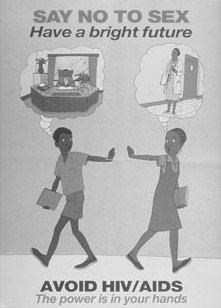
So, Christians aren’t supposed to have sex before marriage (well depending on the variant of God they follow, of course). Just to be sure of it, they have an invisible policeman in the sky watching them at all times to make sure they don’t deviate. On the other hand, Christian parents aren’t so hot on teaching safe sex. Mash that up with university, when kids get let off the leash, and what happens? Well Trevor Hart at Ryerson University and a bunch of psychologists from the University of Toronto set out to find out.
Well, to be precise, what they really wanted to do was to separate out ethnicity and religion. The two are quite closely linked, especially in a multi-cultural place like Toronto. It’s known that different ethnicities vary in their attitudes to sex, but perhaps it’s really religion that’s the deciding factor?
So anyway let’s dig into the data. They quizzed 666 university students, most of them (nearly 80%) women, about their love lives. As you might expect, the atheists and agnostics were the most sexually active, followed by Christians and Jews, with Muslims and ‘Eastern religions’ (they didn’t have many Buddhists, Hindus or Sikhs, so they lumped them all in together.
As far as unprotected sex (i.e. without a condom) goes, well it showed roughly the same pattern – except that the non-religious students ranked about the same as Christians and Jews.
However, all that doesn’t take into account ethnicity, or indeed other factors like whether the students were in a relationship (and whether it was long term), whether they knew about HIV and that condoms reduce transmission. Throwing all this into the analysis gave some clear results.
Firstly, ethnicity isn’t important. Taking all the other factors into account, Whites, Blacks, Asians, and Middle Easterns are all just as likely to have unprotected sex.
What did matter was religion. Christianity, and especially Catholicism, was the biggest risk factor. Atheism too, but to a much lesser extent. Jews, Muslims and ‘Eastern religions’ were all similarly safe.
Part of the reason for this is that Muslim students and those of Eastern religions just don’t really fornicate much. When they restricted the analysis just to those students who were sexually active, then they found that Christians were about twice as likely as the non-religious to have unprotected sex.
So what this study shows is that religion does actually seem to stop kids from having unprotected sex by scaring them off sex altogether – but only for Eastern religions and for Muslims.
Christian kids are trapped, however. They live and participate in a liberal, permissive society, but their upbringing doesn’t prepare them for it. As a result, they are placed at high risk for unsafe sex.

James, C., Hart, T., Roberts, K., Ghai, A., Petrovic, B., & Lima, M. (2010). Religion versus ethnicity as predictors of unprotected vaginal intercourse among young adults Sexual Health DOI: 10.1071/SH09119
 This article by Tom Rees was first published on Epiphenom. It is licensed under Creative Commons.
Previous Post

October 12, 2011
For atheists, the dead can live - but only if there's no corpse
Next Post
October 23, 2011 Does Chinese culture reflect a lack of monotheism?
Browse Our Archives
Select a Category Causes of religion - evolution Causes of religion - psychological Causes of religion - social Demographics Digest Effects of religion - health Effects of religion - psychological Effects of religion - social Notifications Politics Uncategorized
Select a Month March 2016 February 2016 January 2016 December 2015 November 2015 October 2015 September 2015 August 2015 July 2015 June 2015 May 2015 April 2015 March 2015 February 2015 January 2015 December 2014 November 2014 October 2014 September 2014 August 2014 July 2014 June 2014 May 2014 April 2014 March 2014 February 2014 January 2014 December 2013 November 2013 October 2013 September 2013 August 2013 July 2013 June 2013 May 2013 April 2013 March 2013 February 2013 January 2013 December 2012 November 2012 October 2012 September 2012 August 2012 July 2012 June 2012 May 2012 April 2012 March 2012 February 2012 January 2012 December 2011 November 2011 October 2011 September 2011 August 2011 July 2011 June 2011 May 2011 April 2011 March 2011 February 2011 January 2011 December 2010 November 2010 October 2010 September 2010 August 2010 July 2010 June 2010 May 2010 April 2010 March 2010 February 2010 January 2010 December 2009 November 2009 October 2009 September 2009 August 2009 July 2009 June 2009 May 2009 April 2009 March 2009 February 2009 January 2009 December 2008 November 2008 October 2008 September 2008 August 2008 July 2008 June 2008 May 2008 April 2008 March 2008 February 2008 January 2008 December 2007 November 2007 October 2007
Follow Us!
TAKE THE
Religious Wisdom Quiz
What does Paul tell Timothy to do with myths and old wives' tales?
Select your answer to see how you score.
Ignore them Correct them Have nothing to do with them Refute them
Related posts from Epiphenom

Do social crises lead to religious revivals? Nah!

What kind of woman would pray for health...

Can you use religion to change attitudes towards...

Dogmatic atheism and fundamentalist Christianity: creating certainty in...
TRENDING AT PATHEOS Nonreligious

Dethroning Jesus and Enthroning Yourself
Jesus Never Asked to Be Worshipped. He Asked to Be Understood. Christianity...

Why Most Christians are Really Paulians and Jobians
I Don't Care, But It Matters Let's get this out of the...

Essential Tips to Successfully Navigate the Selling Process
Selling a house can feel overwhelming, but it doesn’t have to be....

To Make Remote Work Effective, Think About Others
The COVID-19 pandemic forced many companies to rapidly transition to remote work....

Flexibility Is Key to Solving Problems of Tomorrow
The world of work is undergoing a dramatic transformation. The COVID-19 pandemic...
view all Nonreligious blogs
Ad-Free & Subscriber Log-In Subscription Support
- About Us
- 2026 Calendar
- Videos
- Podcasts
- Library of World Religions
- Faith In Media Tracker
- Advertise With Us
- Write for Us
- Privacy Policy
- Terms of Service
- Do Not Sell My Data
- Contact Us
- Radiant Digital
- Manage Newsletter Subscriptions
- Unsubscribe From Notifications
- Sitemap
Copyright 2008-2026, Patheos. All rights reserved.
Subscription Support Ad-Free & Subscriber Log-In
Follow Patheos