
BuddhistCatholicContemplativeEvangelicalGeneral ChristianHinduJewishLatter-day SaintMuslimNew VisionsProgressive Christian
Beliefs
- Buddhist
- Catholic
- Contemplative
- Evangelical
- General Christian
- Hindu
- Jewish
- Latter-day Saint
- More Voices
- Muslim
- New Visions
- Pagan
- Progressive Christian
Topics
- Religion News
- Food and Religion
- Sports and Religion
- Religious Art
- Religious Music and Entertainment
- Religious Events
- History and Religion
- Style and Religion
- Politics and Religion
- Women in Religion
- Recreation Outdoors and Religion
- Business Finance and Religion
- Careers Workplace and Religion
- Education and Religion
- Family Parenting and Religion
- Health Fitness and Religion
- Home and Religion
- Relationships and Religion
- Technology and Religion
- Travel and Religion
Columnists
- Buddhist Columnists
- Business Finance and Religion Columnists
- Careers Workplace and Religion Columnists
- Catholic Columnists
- Contemplative Columnists
- Education and Religion Columnists
- Evangelists Columnists
- Family Parenting and Religion Columnists
- General Christian Columnists
- Health Fitness and Religion Columnists
- Hindu Columnists
- History and Religion Columnists
- Home and Religion Columnists
- Jewish Columnists
- More Voices Columnists
- Latter Day Columnists
- Muslim Columnists
- New Visions Columnists
- Nonreligious Columnists
- Pagan Columnists
- Politics and Religion Columnists
- Progressive Columnists
- Recreation Outdoors and Religion Columnists
- Relationships and Religion Columnists
- Religion News Columnists
- Religious Art Columnists
- Religious Events Columnists
- Religious Music and Entertainment Columnists
- Sports and Religion Columnists
- Style and Religion Columnists
- Technology and Religion Columnists
- Travel and Religion Columnists
- Women in Religion Columnists
Resource Library
- 2026 Calendar
- Library of World Religions
- The 100 Most Holy Places on Earth
- Patheos Answers
- Podcasts
- Videos
- Faith Leaders Database
- Anglican Episcopalian
- Bahai
- Baptist
- Buddhism
- Christianity
- Confucianism
- Eastern Orthodoxy
- Hinduism
- Holiness and Pentecostal
- ISKCON
- Islam
- Judaism
- Lutheran
- Methodist
- The Church of Jesus Christ of Latter-day Saints
- New Age
- Paganism
- Presbytarian and Reformed
- Protestantism
- Religion Behind the Scenes
- Roman Catholic
- Scientology
- Shia Islam
- Sikhism
- Sufism
- Sunni Islam
- Taoism
- Zen
- See all religions
Research Tools
 Ad-Free & Subscriber Log-In Subscription Support
Ad-Free & Subscriber Log-In Subscription Support
Follow Patheos 

- Trending:
- Forgiveness
- |
- Marriage
- |
- Consciousness
- |
- Death Penalty
- |
- Election
- |
- Halloween
 Epiphenom
- Home
- Nonreligious
- Suicide in American colleges – the importance of existential well being
Suicide in American colleges – the importance of existential well being
Last updated on: March 2, 2015 at 9:17 pm by Epiphenom
Suicide in American colleges – the importance of existential well being 2015-03-02T21:17:26+01:00 Epiphenom
Patheos Explore the world's faith through different perspectives on religion and spirituality! Patheos has the views of the prevalent religions and spiritualities of the world.
In the past couple of posts I’ve taken a look at new studies that are exploring the complex relationship between religion and suicide. In general, religious people have lower suicide rates, and these are helping to shed light on why, and also why the relationship is not as straightforward as it sometimes seems.
That’s the case too, for this third and final recent study on this topic. It examined suicidal feelings among US college students – a critically important issue given that suicide is the second most common cause of death in this population. Around 1 in 12 US college students has, at some point, made a suicide plan, and there are around 24,000 suicide attempts by students annually.
Lindsay Taliaferro, a doctoral candidate at the University of Florida, surveyed over 400 of her fellow students. The response rate was high – around 90%. The good news is that, for the most part, they were not suicidal! On average, they scored 11 on a 70-point scale of suicidal thinking.
She found that, as expected, those who reported high levels of religious well being (e.g. that they find strength or support from God) or involvement in religious activities had fewer suicidal thoughts.
She also asked how hopeless or depressed the students felt, and how much social support they felt they got. When she took this into account, the effects of religion disappeared.
What this suggests is that religious well-being and involvement have whatever effects they have by reducing hopelessness and depression, and by increasing social support. No big surprises there.
But what is surprising is that she found a third factor that was even more important that religion and social support. That factor was “Existential Well-Being”, which relates to things such as feeling fulfilled and satisfied with life, and finding meaning and purpose in life.
What was remarkable was that Existential Well-Being remained important even after taking into account hopelessness, depression and social support. In other words, even if you feel hopeless, depressed, and alone, existential well-being (unlike religious well-being) can ease suicidal thoughts.
Now, you have to take the results of any one study with a pinch of salt. But this does seem to fit in with other studies which have shown that spirituality does not reduce suicidal thoughts,and that feeling close to God is linked to a history of depression, whereas existential well being is linked to dramatically less depression.
But so what? None of these studies undermine the link between religion and decreased risk for suicide. What they do is begin to unpick how that effect operates.
More importantly for atheists, I think, is that they show how suicidal thoughts can be reduced without needing to believe in God. After all, for most atheists, simply telling them to believe in God and everything will be OK is not an option.
That’s exactly the point that Taliaferro makes, and so I’ll leave the concluding remarks to her:
Results from the present investigation indicate that many college students did not demonstrate high involvement in organized religion. Yet they reported high levels of spiritual well-being, especially existential well-being, and low levels of suicidal ideation. Furthermore, results highlighted existential well-being as an important factor associated with lower levels of suicidal ideation among college students.
Overall, these findings suggest that a strategy for reducing distress and preventing suicide among college students may involve exploring mechanisms that nurture a sense of meaning in life in individuals for whom organized religion remains unimportant. Health professionals may have more success in improving young people’s sense of meaning and purpose by methods other than an increase in faith, participation in organized religion, or other indicators of religiosity.
 Taliaferro LA, Rienzo BA, Pigg RM Jr, Miller MD, & Dodd VJ (2009). Spiritual well-being and suicidal ideation among college students. Journal of American college health : J of ACH, 58 (1), 83-90 PMID: 19592357
 This article by Tom Rees was first published on Epiphenom. It is licensed under Creative Commons.
Effects of religion - psychological
Previous Post

October 6, 2010
Religion and suicide - a patchy global picture
Next Post
October 12, 2010 Mr Smart and Heroman
Browse Our Archives
Select a Category Causes of religion - evolution Causes of religion - psychological Causes of religion - social Demographics Digest Effects of religion - health Effects of religion - psychological Effects of religion - social Notifications Politics Uncategorized
Select a Month March 2016 February 2016 January 2016 December 2015 November 2015 October 2015 September 2015 August 2015 July 2015 June 2015 May 2015 April 2015 March 2015 February 2015 January 2015 December 2014 November 2014 October 2014 September 2014 August 2014 July 2014 June 2014 May 2014 April 2014 March 2014 February 2014 January 2014 December 2013 November 2013 October 2013 September 2013 August 2013 July 2013 June 2013 May 2013 April 2013 March 2013 February 2013 January 2013 December 2012 November 2012 October 2012 September 2012 August 2012 July 2012 June 2012 May 2012 April 2012 March 2012 February 2012 January 2012 December 2011 November 2011 October 2011 September 2011 August 2011 July 2011 June 2011 May 2011 April 2011 March 2011 February 2011 January 2011 December 2010 November 2010 October 2010 September 2010 August 2010 July 2010 June 2010 May 2010 April 2010 March 2010 February 2010 January 2010 December 2009 November 2009 October 2009 September 2009 August 2009 July 2009 June 2009 May 2009 April 2009 March 2009 February 2009 January 2009 December 2008 November 2008 October 2008 September 2008 August 2008 July 2008 June 2008 May 2008 April 2008 March 2008 February 2008 January 2008 December 2007 November 2007 October 2007
Follow Us!
TAKE THE
Religious Wisdom Quiz
According to 2 Peter, what are believers partakers of?
Select your answer to see how you score.
God's kingdom Eternal glory Christ's sufferings The divine nature
Related posts from Epiphenom

Use of prayer by African-Americans can help explain...

Planned Parenthood is disgusting? What does that even...

Kids in atheist families are more altruistic! The...
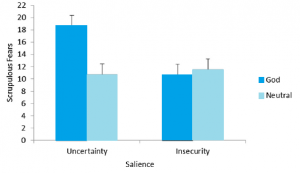
Make people uncertain then remind them about God,...
TRENDING AT PATHEOS Nonreligious

Dethroning Jesus and Enthroning Yourself
Jesus Never Asked to Be Worshipped. He Asked to Be Understood. Christianity...

Why Most Christians are Really Paulians and Jobians
I Don't Care, But It Matters Let's get this out of the...

Essential Tips to Successfully Navigate the Selling Process
Selling a house can feel overwhelming, but it doesn’t have to be....

To Make Remote Work Effective, Think About Others
The COVID-19 pandemic forced many companies to rapidly transition to remote work....

Flexibility Is Key to Solving Problems of Tomorrow
The world of work is undergoing a dramatic transformation. The COVID-19 pandemic...
view all Nonreligious blogs
Ad-Free & Subscriber Log-In Subscription Support
- About Us
- 2026 Calendar
- Videos
- Podcasts
- Library of World Religions
- Faith In Media Tracker
- Advertise With Us
- Write for Us
- Privacy Policy
- Terms of Service
- Do Not Sell My Data
- Contact Us
- Radiant Digital
- Manage Newsletter Subscriptions
- Unsubscribe From Notifications
- Sitemap
Copyright 2008-2026, Patheos. All rights reserved.
Subscription Support Ad-Free & Subscriber Log-In
Follow Patheos