
BuddhistCatholicContemplativeEvangelicalGeneral ChristianHinduJewishLatter-day SaintMuslimNew VisionsProgressive Christian
Beliefs
- Buddhist
- Catholic
- Contemplative
- Evangelical
- General Christian
- Hindu
- Jewish
- Latter-day Saint
- More Voices
- Muslim
- New Visions
- Pagan
- Progressive Christian
Topics
- Religion News
- Food and Religion
- Sports and Religion
- Religious Art
- Religious Music and Entertainment
- Religious Events
- History and Religion
- Style and Religion
- Politics and Religion
- Women in Religion
- Recreation Outdoors and Religion
- Business Finance and Religion
- Careers Workplace and Religion
- Education and Religion
- Family Parenting and Religion
- Health Fitness and Religion
- Home and Religion
- Relationships and Religion
- Technology and Religion
- Travel and Religion
Columnists
- Buddhist Columnists
- Business Finance and Religion Columnists
- Careers Workplace and Religion Columnists
- Catholic Columnists
- Contemplative Columnists
- Education and Religion Columnists
- Evangelists Columnists
- Family Parenting and Religion Columnists
- General Christian Columnists
- Health Fitness and Religion Columnists
- Hindu Columnists
- History and Religion Columnists
- Home and Religion Columnists
- Jewish Columnists
- More Voices Columnists
- Latter Day Columnists
- Muslim Columnists
- New Visions Columnists
- Nonreligious Columnists
- Pagan Columnists
- Politics and Religion Columnists
- Progressive Columnists
- Recreation Outdoors and Religion Columnists
- Relationships and Religion Columnists
- Religion News Columnists
- Religious Art Columnists
- Religious Events Columnists
- Religious Music and Entertainment Columnists
- Sports and Religion Columnists
- Style and Religion Columnists
- Technology and Religion Columnists
- Travel and Religion Columnists
- Women in Religion Columnists
Resource Library
- 2026 Calendar
- Library of World Religions
- The 100 Most Holy Places on Earth
- Patheos Answers
- Podcasts
- Videos
- Faith Leaders Database
- Anglican Episcopalian
- Bahai
- Baptist
- Buddhism
- Christianity
- Confucianism
- Eastern Orthodoxy
- Hinduism
- Holiness and Pentecostal
- ISKCON
- Islam
- Judaism
- Lutheran
- Methodist
- The Church of Jesus Christ of Latter-day Saints
- New Age
- Paganism
- Presbytarian and Reformed
- Protestantism
- Religion Behind the Scenes
- Roman Catholic
- Scientology
- Shia Islam
- Sikhism
- Sufism
- Sunni Islam
- Taoism
- Zen
- See all religions
Research Tools
 Ad-Free & Subscriber Log-In Subscription Support
Ad-Free & Subscriber Log-In Subscription Support
Follow Patheos 

- Trending:
- Forgiveness
- |
- Marriage
- |
- Consciousness
- |
- Death Penalty
- |
- Election
- |
- Halloween
 Emma Higgs
-
More
- Home
- Progressive Christian
- Coronavirus Anxiety: A Practical Checklist for a Healthy Mind
Coronavirus Anxiety: A Practical Checklist for a Healthy Mind
Last updated on: April 5, 2020 at 12:07 am by Emma Higgs
Coronavirus Anxiety: A Practical Checklist for a Healthy Mind 2020-04-05T00:07:03+00:00 Emma Higgs
Patheos Explore the world's faith through different perspectives on religion and spirituality! Patheos has the views of the prevalent religions and spiritualities of the world.
The unprecedented global impact of COVID-19 is affecting us all in different ways. Whether it’s the stress of loneliness, specific fears about health or money, compounding family and work pressures or a general sense of dread about the uncertainty we face, anxiety levels are soaring. While fear is a natural response, prolonged anxiety is unhealthy and counterproductive for us both individually and collectively. It’s more important than ever that we find ways to prioritise and protect our own mental health, for the sake of those around us as well as for ourselves.
Although the situation is in many ways wildly beyond our control, there is still a great deal we can do for our own mental and emotional health. Here’s a practical checklist to help you maintain a healthy mind in these strange times.
1. Limit your news consumption. How much do you really need to know?

Some of us enjoy and benefit from feeling informed and up to speed on current events, but for many of us the constant barrage of negativity can profoundly affect our mood and exacerbate anxiety. Pay close attention to how your news consumption is affecting you, and set limits where necessary to protect your mental health.
2. Focus your attention on what is happening right now.

With all the uncertainty surrounding this pandemic it’s easy to imagine worst-case scenarios. While forward planning and risk mitigation is obviously needed, dwelling on possible future realities is rarely productive. Each time you notice yourself imagining a catastrophic future scenario, use it as a reminder to come back to your senses, literally. Right here, right now, what do you see, hear and feel? This moment is all we really have, and it’s best to try and be here as often as we can.
3. Remember that your thoughts are just thoughts.

Experts estimate that our minds produce between 60,000 and 80,000 thoughts every day, and we have an evolutionary bias which makes us far more likely to focus on the negative ones. If we can remember that we are producing our own thoughts, we can begin to question whether they are worth taking seriously. Learning to observe our thoughts in this detached way can be a profound first step towards overcoming anxiety.
4. Schedule your time.

Most of us have found our “normal” lives disrupted beyond recognition, and this lack of routine and consistency can be a breeding ground for anxiety and rumination. Rather than wasting time pointlessly worrying about things you can’t control, instead put your energy and focus into using your time well. Writing out a schedule and displaying it somewhere visible can be a great way to regain some sense of control, and to make sure you’re still getting quality time for yourself.
5. When strong emotions arise, do your best to observe them, name them, and pay attention the physical sensations you are experiencing.

If you can pause and observe emotions before immediately acting on them, their power is often drastically reduced and you can avoid entering a downward spiral. Try to pay more attention to the strength and location of the feeling itself than to whatever triggered it, and it’s likely to fade more quickly.
6. Pay attention to the natural rise and fall of your moods, and try to pay less attention to your thinking when you feel down.

In a low mood, your mind will see things through a lens of negativity and will find it difficult to produce positive thoughts. Once the mood lifts (which it will, eventually), fresh perspectives and creative solutions will start to present themselves. Journalling is a great way to keep track of your thoughts and feelings, observe them objectively and notice how your perspective can change from day to day.
7. Find an exercise routine that makes you feel good.

A bit of vigorous exercise can be a fantastic way to combat anxiety. It releases tension, produces feel-good hormones and gets you out of your head and back into your body. Find an exercise routine that you enjoy and add it to your schedule.
8. Breathe deeply and slowly. Try breathing exercises, yoga or meditation.
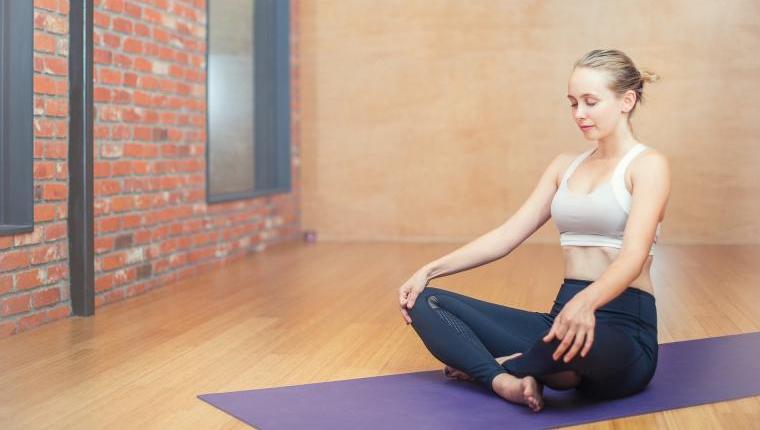
When we are anxious we tend to forget to breathe properly, which then makes us feel more tense. Practising some simple breathing exercises, yoga or meditation can have a profound effect on our anxiety levels through slowing down our breathing, bringing our attention away from repetitive thoughts and situating us back in our bodies. Check out breathing exercises and yoga videos on YouTube, and mindfulness meditation apps such as Headspace and Calm.
9. Get into nature.
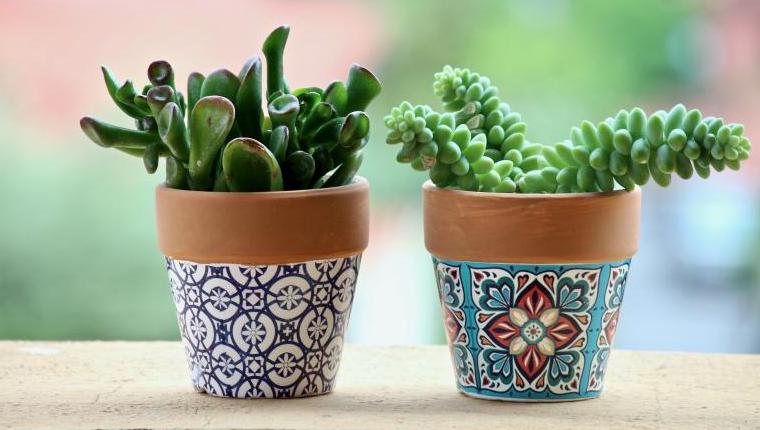
Intentionally spending time in nature is a wonderful way to reduce anxiety. Find new and creative ways to immerse yourself in nature, even if right now your only options are caring for a houseplant or watching nature documentaries.
10. Practise gratitude, and find a new perspective.

This sounds trite, but regularly seeking out things to be thankful for can radically shift your outlook on life. Even in the worst situations, there is usually a positive angle to be found somewhere. Try writing down 5 things each day you feel truly thankful for. What would you miss if it was no longer there? And are there things you are currently deprived of that you could perhaps decide to appreciate more in future?
11. Look for opportunities for meaningful connection and creativity.

Coronavirus has disrupted the status quo more than anything in recent history. While never seeking to diminish the tragic reality of human suffering and loss, for many of us this situation will present invitations for deepened connection and creativity. If we allow ourselves to think outside the box, what opportunities might be found here?
12. Remember that nothing lasts forever.

As all-consuming and inescapable as this feels right now, we will one day be on the other side of it – hopefully having learned a few valuable lessons along the way.
If you are struggling at this time, BetterHelp is great online counseling platform that gives you access to a counselor any time, anywhere via online chat, video or phone. As a more affordable and more flexible option than traditional counseling it’s a valuable resource for this time we find ourselves in.
Images via Pixabay
Previous Post

March 1, 2020
Windmills of Your Mind: The Tyranny of Thought
Next Post

June 7, 2021 7 Reasons Why the Present Moment is the Best Place to Be
Browse Our Archives
Select a Category Anxiety Anxiety Atheism Atonement Bible Blog Christianity Christmas Church Climate Change Contemplative Coronavirus Current affairs Depression Disability Faith Happiness Homosexuality LGBT Media Mental Mental health Millennials Mindfulness Motivation Mysticism New Year News Penal Substitution Politics Religion Science Statistics Stress Theology Trump Uncategorized War Yemen
Select a Month July 2021 June 2021 April 2020 March 2020 February 2020 February 2019 January 2019 November 2018 October 2018 July 2018 May 2018 March 2018 February 2018 January 2018 December 2017 November 2017 September 2017 July 2017 June 2017 May 2017 March 2017 February 2017 January 2017 December 2016 September 2016 August 2016 July 2016 June 2016 April 2016 February 2016 November 2015 October 2015 September 2015
Follow Us!
TAKE THE
Religious Wisdom Quiz
What woman followed Naomi to Bethlehem and later married Boaz?
Select your answer to see how you score.
Hannah Sarah Ruth Esther
Related posts from Emma Higgs

How Paying Attention to My Mood Helps Me...

7 Reasons Why the Present Moment is the...

Windmills of Your Mind: The Tyranny of Thought

TRENDING AT PATHEOS Progressive Christian

What Being a Modern-Day Apostle Means to Me
In my last column, I discussed the ins and outs of modern-day...

Did Ancient China Once Worship the God of...
Across human history, a common thread weaves through the origins of the...

Love Your Neighbor – Including Earth-Kin: Lev. 19,...
God’s command to love your neighbor means acting in an ethical and...

Lead a Church Study of “Jesus and Lao...
Guest writer Jack Thomas (The Irreverent Reverend) reflects on leading his church...

Pastoral Wisdom for Responding to Sermon Pushback
Getting sermon pushback on your social justice sermon? Learn practical, Proverbs-based strategies...

Principles for Understanding the Apostolic Ministry Today
Whenever people discover that my formal ministry title is "apostle," as in...
view all Progressive Christian blogs
Ad-Free & Subscriber Log-In Subscription Support
- About Us
- 2026 Calendar
- Videos
- Podcasts
- Library of World Religions
- Faith In Media Tracker
- Advertise With Us
- Write for Us
- Privacy Policy
- Terms of Service
- Do Not Sell My Data
- Contact Us
- Radiant Digital
- Manage Newsletter Subscriptions
- Unsubscribe From Notifications
- Sitemap
Copyright 2008-2026, Patheos. All rights reserved.
Subscription Support Ad-Free & Subscriber Log-In
Follow Patheos