
BuddhistCatholicContemplativeEvangelicalGeneral ChristianHinduJewishLatter-day SaintMuslimNew VisionsProgressive Christian
Beliefs
- Buddhist
- Catholic
- Contemplative
- Evangelical
- General Christian
- Hindu
- Jewish
- Latter-day Saint
- More Voices
- Muslim
- New Visions
- Pagan
- Progressive Christian
Topics
- Religion News
- Food and Religion
- Sports and Religion
- Religious Art
- Religious Music and Entertainment
- Religious Events
- History and Religion
- Style and Religion
- Politics and Religion
- Women in Religion
- Recreation Outdoors and Religion
- Business Finance and Religion
- Careers Workplace and Religion
- Education and Religion
- Family Parenting and Religion
- Health Fitness and Religion
- Home and Religion
- Relationships and Religion
- Technology and Religion
- Travel and Religion
Columnists
- Buddhist Columnists
- Business Finance and Religion Columnists
- Careers Workplace and Religion Columnists
- Catholic Columnists
- Contemplative Columnists
- Education and Religion Columnists
- Evangelists Columnists
- Family Parenting and Religion Columnists
- General Christian Columnists
- Health Fitness and Religion Columnists
- Hindu Columnists
- History and Religion Columnists
- Home and Religion Columnists
- Jewish Columnists
- More Voices Columnists
- Latter Day Columnists
- Muslim Columnists
- New Visions Columnists
- Nonreligious Columnists
- Pagan Columnists
- Politics and Religion Columnists
- Progressive Columnists
- Recreation Outdoors and Religion Columnists
- Relationships and Religion Columnists
- Religion News Columnists
- Religious Art Columnists
- Religious Events Columnists
- Religious Music and Entertainment Columnists
- Sports and Religion Columnists
- Style and Religion Columnists
- Technology and Religion Columnists
- Travel and Religion Columnists
- Women in Religion Columnists
Resource Library
- 2026 Calendar
- Library of World Religions
- The 100 Most Holy Places on Earth
- Patheos Answers
- Podcasts
- Videos
- Faith Leaders Database
- Anglican Episcopalian
- Bahai
- Baptist
- Buddhism
- Christianity
- Confucianism
- Eastern Orthodoxy
- Hinduism
- Holiness and Pentecostal
- ISKCON
- Islam
- Judaism
- Lutheran
- Methodist
- The Church of Jesus Christ of Latter-day Saints
- New Age
- Paganism
- Presbytarian and Reformed
- Protestantism
- Religion Behind the Scenes
- Roman Catholic
- Scientology
- Shia Islam
- Sikhism
- Sufism
- Sunni Islam
- Taoism
- Zen
- See all religions
Research Tools
 Ad-Free & Subscriber Log-In Subscription Support
Ad-Free & Subscriber Log-In Subscription Support
Follow Patheos 

- Trending:
- Forgiveness
- |
- Marriage
- |
- Consciousness
- |
- Death Penalty
- |
- Election
- |
- Halloween

- Home
- Evangelical
- Beauty Educates
Beauty Educates
Last updated on: May 22, 2021 at 8:19 pm by John Mark N. Reynolds
Beauty Educates 2021-05-22T20:19:41-04:00 John Mark N. Reynolds
Patheos Explore the world's faith through different perspectives on religion and spirituality! Patheos has the views of the prevalent religions and spiritualities of the world.
Beauty creates love, and love desires consent.
 Beauty is the mother of the dialectic: the discussion between students that is the heart of classical education. When we look Godward, we see beauty. This recognition of beauty can occur in a great book that some soul made in God’s image wrote. The beauty found in a poem by Langston Hughes stirs love and love begins a dialog with the poem. Beauty may appear in a film such as the Passion of Joan of Arc when we look into the eyes of Maria Falconetti as she plays the Saint. Beauty certainly appears when we see the stars moved by God’s love in the heavens.
When we see the stars and wonder, consider, and talk to God, then we are beginning to be educated. The deep mistake of the mid-twentieth century was to think that the stars “were ours,” to quote a title from a typical science fiction novel of the period. Men at that time, and some still, see the beauty of the stars and think they can go and own that beauty. They do not see God’s work, but something to possess. This a failure of education, a monstrous metaphysical mistake that undergirds all careless colonization. The beauty of nature, this land, has spawned greed and warfare.
Against this, classical education knows that the Earth is the Lord’s Earth. We might be caretakers carefully conserving the beauty that is there, like Tolkien’s elves in a forest or his dwarves in caves:
‘No, you do not understand,’ said Gimli. ‘No dwarf could be unmoved by such loveliness. None of Durin’s race would mine those caves for stones or ore, not if diamonds and gold could be got there. Do you cut down groves of blossoming trees in the springtime for firewood? We would tend these glades of flowering stone, not quarry them. With cautious skill, tap by tap – a small chip of rock and no more, perhaps, in a whole anxious day – so we could work, and as the years went by, we should open up new ways, and display far chambers that are still dark, glimpsed only as a void beyond fissures in the rock. And lights, Legolas! We should make lights, such lamps as once shone in Khazad-dûm; and when we wished we would drive away the night that has lain there since the hills were made; and when we desired rest, we would let the night return.’[1]
The dwarf Gimli knows how to respond to beauty that is not his own. At most, he might find himself caretaker of the caves. The long dialog of his kind with stone would guide his care for the beauty he found. The dwarves have been educated in conserving, even accentuating, this kind of beauty.
Classical education is an education in handling beauty and cannot be restructured to one period of life or to the formal classroom, God help us. Classical education is not a political movement. Classical education is not the property of “the West.” Classical education is the dialectic that begins in beauty is driven by love Godward. We see beauty, but know beauty is not our own, so we discuss, carefully pause, to see what our relationship to this beauty must be.
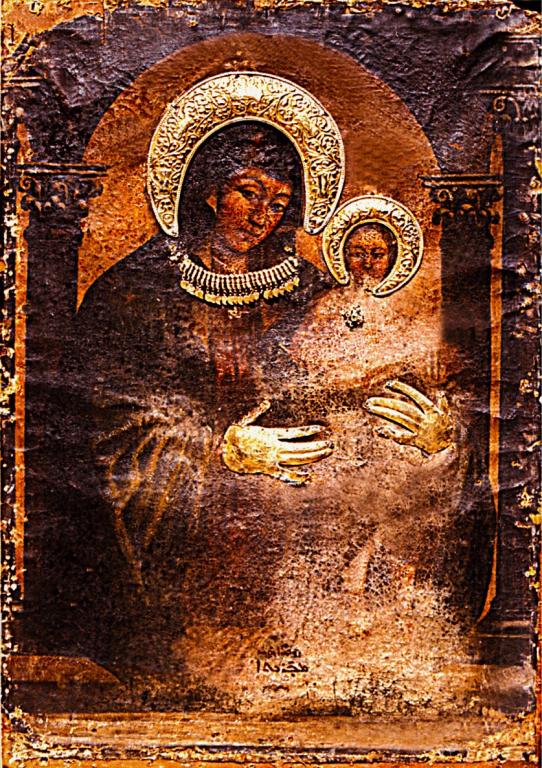
The Mother of God is our model.
Consent came after a (brief) dialogue. Mary said, “let it be done unto me.” This was just the start, the beginning of a long labor. When the Baby was born in Bethlehem, the real dialogue began as the Mother of God watched and pondered (Luke 2:19) all the things she saw and was seeing in her heart. She lived with the Lord Jesus as He grew in favor with God and man. She observed, thought, driven from the manger, to the Temple, through His first miracle, to the Cross, and then the upper room in Pentecost.
She became the first student of the Master Teacher: a lifetime relationship that ended in revelation.
[1] Tolkien, J.R.R. The Two Towers: Being the Second Part of The Lord of the Rings (pp. 178-179). Houghton Mifflin Harcourt. Kindle Edition.
Previous Post
May 21, 2021
But the Controversy the Controversialist Said!
Next Post
May 23, 2021 Rejected Love?
Browse Our Archives
Select a Category Apologetics Art Culture Education On Books On Education Philosophy Politics Pop Culture Spiritual Reflections Uncategorized
Select a Month October 2026 September 2026 August 2026 July 2026 July 2025 June 2025 September 2024 July 2024 June 2024 December 2023 June 2023 September 2022 May 2022 April 2022 March 2022 February 2022 July 2021 June 2021 May 2021 April 2021 March 2021 February 2021 January 2021 December 2020 November 2020 October 2020 September 2020 August 2020 July 2020 June 2020 May 2020 April 2020 March 2020 February 2020 January 2020 December 2019 November 2019 October 2019 September 2019 August 2019 July 2019 June 2019 May 2019 April 2019 March 2019 February 2019 January 2019 December 2018 November 2018 October 2018 September 2018 August 2018 July 2018 June 2018 May 2018 April 2018 March 2018 February 2018 January 2018 December 2017 November 2017 October 2017 September 2017 August 2017 July 2017 June 2017 May 2017 April 2017 March 2017 February 2017 January 2017 December 2016 November 2016 October 2016 September 2016 August 2016 July 2016 June 2016 May 2016 April 2016 March 2016 February 2016 January 2016 December 2015 November 2015 October 2015 September 2015 August 2015 July 2015 June 2015 May 2015 April 2015 March 2015 February 2015 January 2015 November 2014 October 2014 September 2014 August 2014 July 2014 June 2014 May 2014 April 2014 March 2014 February 2014 January 2014 December 2013 November 2013 October 2013 September 2013 August 2013 July 2013 June 2013 May 2013 April 2013 March 2013 February 2013 January 2013 December 2012 November 2012 October 2012 September 2012 August 2012 July 2012 June 2012 May 2012
Follow Us!
TAKE THE
Religious Wisdom Quiz
What is the main Christian church in Armenia?
Select your answer to see how you score.
Armenian Apostolic Church Greek Orthodox Coptic Church Catholic Church
Books by This Author John Mark Reynolds
Related posts from Eidos

Classical Education and the Art of Dying Well

Golden, Golden, Golden: My Mother's Last Lesson


When the Center Holds: A Tribute to My...
TRENDING AT PATHEOS Evangelical

The REST of Your Life: A Creative Wrestles...
This week I had a conversation with a good friend from church....

How the author of the world's best hymn...
I've been working with John Newton for a while now. This makes...

Long before this Lectio Divina, Psalm 130 - the song - started...

What About the Trees? Another Living Parable
After I finished writing the last article about falling leaves as a...

Why Classical Education Is a Conversation, Not a...
Come and Read: Joy in Classical Education When I was a little...

Cornell University has received a great deal of negative publicity and intense...
view all Evangelical blogs
Ad-Free & Subscriber Log-In Subscription Support
- About Us
- 2026 Calendar
- Videos
- Podcasts
- Library of World Religions
- Faith In Media Tracker
- Advertise With Us
- Write for Us
- Privacy Policy
- Terms of Service
- Do Not Sell My Data
- Contact Us
- Radiant Digital
- Manage Newsletter Subscriptions
- Unsubscribe From Notifications
- Sitemap
Copyright 2008-2026, Patheos. All rights reserved.
Subscription Support Ad-Free & Subscriber Log-In
Follow Patheos