
BuddhistCatholicContemplativeEvangelicalGeneral ChristianHinduJewishLatter-day SaintMuslimNew VisionsProgressive Christian
Beliefs
- Buddhist
- Catholic
- Contemplative
- Evangelical
- General Christian
- Hindu
- Jewish
- Latter-day Saint
- More Voices
- Muslim
- New Visions
- Pagan
- Progressive Christian
Topics
- Religion News
- Food and Religion
- Sports and Religion
- Religious Art
- Religious Music and Entertainment
- Religious Events
- History and Religion
- Style and Religion
- Politics and Religion
- Women in Religion
- Recreation Outdoors and Religion
- Business Finance and Religion
- Careers Workplace and Religion
- Education and Religion
- Family Parenting and Religion
- Health Fitness and Religion
- Home and Religion
- Relationships and Religion
- Technology and Religion
- Travel and Religion
Columnists
- Buddhist Columnists
- Business Finance and Religion Columnists
- Careers Workplace and Religion Columnists
- Catholic Columnists
- Contemplative Columnists
- Education and Religion Columnists
- Evangelists Columnists
- Family Parenting and Religion Columnists
- General Christian Columnists
- Health Fitness and Religion Columnists
- Hindu Columnists
- History and Religion Columnists
- Home and Religion Columnists
- Jewish Columnists
- More Voices Columnists
- Latter Day Columnists
- Muslim Columnists
- New Visions Columnists
- Nonreligious Columnists
- Pagan Columnists
- Politics and Religion Columnists
- Progressive Columnists
- Recreation Outdoors and Religion Columnists
- Relationships and Religion Columnists
- Religion News Columnists
- Religious Art Columnists
- Religious Events Columnists
- Religious Music and Entertainment Columnists
- Sports and Religion Columnists
- Style and Religion Columnists
- Technology and Religion Columnists
- Travel and Religion Columnists
- Women in Religion Columnists
Resource Library
- 2026 Calendar
- Library of World Religions
- The 100 Most Holy Places on Earth
- Patheos Answers
- Podcasts
- Videos
- Faith Leaders Database
- Anglican Episcopalian
- Bahai
- Baptist
- Buddhism
- Christianity
- Confucianism
- Eastern Orthodoxy
- Hinduism
- Holiness and Pentecostal
- ISKCON
- Islam
- Judaism
- Lutheran
- Methodist
- The Church of Jesus Christ of Latter-day Saints
- New Age
- Paganism
- Presbytarian and Reformed
- Protestantism
- Religion Behind the Scenes
- Roman Catholic
- Scientology
- Shia Islam
- Sikhism
- Sufism
- Sunni Islam
- Taoism
- Zen
- See all religions
Research Tools
 Ad-Free & Subscriber Log-In Subscription Support
Ad-Free & Subscriber Log-In Subscription Support
Follow Patheos 

- Trending:
- Forgiveness
- |
- Marriage
- |
- Consciousness
- |
- Death Penalty
- |
- Election
- |
- Halloween

- Home
- Evangelical
- God Alone Remembers: All Others Forget and Would Be Forgotten
God Alone Remembers: All Others Forget and Would Be Forgotten
Last updated on: April 4, 2019 at 9:45 pm by John Mark N. Reynolds
God Alone Remembers: All Others Forget and Would Be Forgotten 2019-04-04T21:45:10-04:00 John Mark N. Reynolds
Patheos Explore the world's faith through different perspectives on religion and spirituality! Patheos has the views of the prevalent religions and spiritualities of the world.
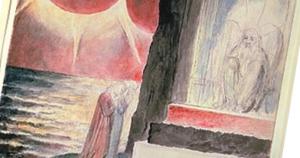 God recalls.
If God wishes, any truth, any event, is brought forward in the Divine Mind. Nothing needed is lost and not one good thing, not a sparrow fallen to the ground or a kind word quietly said to a friend, is forgotten. All can be recollected if needed or desired and brought out to shouts of joy from God’s children.
We forget, but God does not. Nothing is lost that should be recalled and nobody’s good deeds are left behind them. All is knowable to God as He steadily heals the cosmos from her wounds.
People are God’s image and so like God we try to recollect, but unlike God we do forget. This is a severe mercy, a sad, but necessary intellectual death. So much must be forgotten by us so we can endure long enough to be saved. We forget in order to stand bear the wait until all is renewed and all that is good, true, and beautiful can be remembered without pain.
Forgetting happens, but we fight to be remembered, forgetting first that we can put our faith in God alone. Like God, we create, but err by trying to make our creations eternal so no human will ever forget them or us.
This never works, not even for so great a writer as Dante. He has lasted hundreds of years, but Dante understood that forever wears down anything and everything. All that we make will be forgotten, just as we are forgotten. This was hard for an artist like Dante to hear, because his fame was great and he had good reason to think he was capable of writing works that would transcend his own time.
Most great artists, musicians, politicians, famous in their day, fade much more quickly than Dante. More than a few become (as another poet put it) those whom “renown outran and so the name died before the man.” Dante realizes in Purgatory, finally and utterly, that nothing can last or should last in this way:
Ere pass a thousand years? which is a shorter Space to the eterne, than twinkling of an eye Unto the circle that in heaven wheels slowest. With him, who takes so little of the road In front of me, all Tuscany resounded; And now he scarce is lisped of in Siena, Where he was lord, what time was overthrown The Florentine delirium, that superb Was at that day as now ’tis prostitute.*
Poets famous now forgotten. An athlete dying old so the renown died before the man. The last leaf on the tree falling long after Autumn, uncelebrated and buried under the cold snow. Dante realizes that this is bitter, but also sweet. We forget some good, but we must forget the good, because otherwise the artistic icon would be an idol. The liveliness slowly is drained out of the great work until all that is left is vain repetition.
This purgation of the memory of man is good. We purge the old to give way to the new constantly, the very pattern of purgation being our image of eternity, eternal cycle of purgation, until we reach paradise. There we will stand on holy ground in a City Foursquare and nobody will be lost that can be saved.
Nothing is forgotten and all can be brought forth at the right time. We will clap and say as we always do: “This is that spoken of by the prophet . . . The poet. . . The musician. . . The filmmaker . . . Thank God.
The old order changeth, yielding place to new,
And God fulfils Himself in many ways,
Lest one good custom should corrupt the world.**
———————————
*Purgatory XI by Dante, translated by Longfellow.
**Idylls of the King, Tennyson.
Previous Post
April 3, 2019
No Zombie, Not Alive, Not Quite Dead Yet
Next Post
April 5, 2019 The Shield of Aeneas (Guest Voice James Harrington)
Browse Our Archives
Select a Category Apologetics Art Culture Education On Books On Education Philosophy Politics Pop Culture Spiritual Reflections Uncategorized
Select a Month October 2026 September 2026 August 2026 July 2026 July 2025 June 2025 September 2024 July 2024 June 2024 December 2023 June 2023 September 2022 May 2022 April 2022 March 2022 February 2022 July 2021 June 2021 May 2021 April 2021 March 2021 February 2021 January 2021 December 2020 November 2020 October 2020 September 2020 August 2020 July 2020 June 2020 May 2020 April 2020 March 2020 February 2020 January 2020 December 2019 November 2019 October 2019 September 2019 August 2019 July 2019 June 2019 May 2019 April 2019 March 2019 February 2019 January 2019 December 2018 November 2018 October 2018 September 2018 August 2018 July 2018 June 2018 May 2018 April 2018 March 2018 February 2018 January 2018 December 2017 November 2017 October 2017 September 2017 August 2017 July 2017 June 2017 May 2017 April 2017 March 2017 February 2017 January 2017 December 2016 November 2016 October 2016 September 2016 August 2016 July 2016 June 2016 May 2016 April 2016 March 2016 February 2016 January 2016 December 2015 November 2015 October 2015 September 2015 August 2015 July 2015 June 2015 May 2015 April 2015 March 2015 February 2015 January 2015 November 2014 October 2014 September 2014 August 2014 July 2014 June 2014 May 2014 April 2014 March 2014 February 2014 January 2014 December 2013 November 2013 October 2013 September 2013 August 2013 July 2013 June 2013 May 2013 April 2013 March 2013 February 2013 January 2013 December 2012 November 2012 October 2012 September 2012 August 2012 July 2012 June 2012 May 2012
Follow Us!
TAKE THE
Religious Wisdom Quiz
Which king of Judah destroyed Nehushtan, the bronze serpent?
Select your answer to see how you score.
Uzziah Josiah Manasseh Hezekiah
Books by This Author John Mark Reynolds
Related posts from Eidos

Classical Education Must Teach Us to Make the...

Classical Education and the Art of Dying Well

Golden, Golden, Golden: My Mother's Last Lesson

TRENDING AT PATHEOS Evangelical

The REST of Your Life: A Creative Wrestles...
This week I had a conversation with a good friend from church....

How the author of the world's best hymn...
I've been working with John Newton for a while now. This makes...

Long before this Lectio Divina, Psalm 130 - the song - started...

What About the Trees? Another Living Parable
After I finished writing the last article about falling leaves as a...

Why Classical Education Is a Conversation, Not a...
Come and Read: Joy in Classical Education When I was a little...

Cornell University has received a great deal of negative publicity and intense...
view all Evangelical blogs
Ad-Free & Subscriber Log-In Subscription Support
- About Us
- 2026 Calendar
- Videos
- Podcasts
- Library of World Religions
- Faith In Media Tracker
- Advertise With Us
- Write for Us
- Privacy Policy
- Terms of Service
- Do Not Sell My Data
- Contact Us
- Radiant Digital
- Manage Newsletter Subscriptions
- Unsubscribe From Notifications
- Sitemap
Copyright 2008-2026, Patheos. All rights reserved.
Subscription Support Ad-Free & Subscriber Log-In
Follow Patheos