
BuddhistCatholicContemplativeEvangelicalGeneral ChristianHinduJewishLatter-day SaintMuslimNew VisionsProgressive Christian
Beliefs
- Buddhist
- Catholic
- Contemplative
- Evangelical
- General Christian
- Hindu
- Jewish
- Latter-day Saint
- More Voices
- Muslim
- New Visions
- Pagan
- Progressive Christian
Topics
- Religion News
- Food and Religion
- Sports and Religion
- Religious Art
- Religious Music and Entertainment
- Religious Events
- History and Religion
- Style and Religion
- Politics and Religion
- Women in Religion
- Recreation Outdoors and Religion
- Business Finance and Religion
- Careers Workplace and Religion
- Education and Religion
- Family Parenting and Religion
- Health Fitness and Religion
- Home and Religion
- Relationships and Religion
- Technology and Religion
- Travel and Religion
Columnists
- Buddhist Columnists
- Business Finance and Religion Columnists
- Careers Workplace and Religion Columnists
- Catholic Columnists
- Contemplative Columnists
- Education and Religion Columnists
- Evangelists Columnists
- Family Parenting and Religion Columnists
- General Christian Columnists
- Health Fitness and Religion Columnists
- Hindu Columnists
- History and Religion Columnists
- Home and Religion Columnists
- Jewish Columnists
- More Voices Columnists
- Latter Day Columnists
- Muslim Columnists
- New Visions Columnists
- Nonreligious Columnists
- Pagan Columnists
- Politics and Religion Columnists
- Progressive Columnists
- Recreation Outdoors and Religion Columnists
- Relationships and Religion Columnists
- Religion News Columnists
- Religious Art Columnists
- Religious Events Columnists
- Religious Music and Entertainment Columnists
- Sports and Religion Columnists
- Style and Religion Columnists
- Technology and Religion Columnists
- Travel and Religion Columnists
- Women in Religion Columnists
Resource Library
- 2026 Calendar
- Library of World Religions
- The 100 Most Holy Places on Earth
- Patheos Answers
- Podcasts
- Videos
- Faith Leaders Database
- Anglican Episcopalian
- Bahai
- Baptist
- Buddhism
- Christianity
- Confucianism
- Eastern Orthodoxy
- Hinduism
- Holiness and Pentecostal
- ISKCON
- Islam
- Judaism
- Lutheran
- Methodist
- The Church of Jesus Christ of Latter-day Saints
- New Age
- Paganism
- Presbytarian and Reformed
- Protestantism
- Religion Behind the Scenes
- Roman Catholic
- Scientology
- Shia Islam
- Sikhism
- Sufism
- Sunni Islam
- Taoism
- Zen
- See all religions
Research Tools
 Ad-Free & Subscriber Log-In Subscription Support
Ad-Free & Subscriber Log-In Subscription Support
Follow Patheos 

- Trending:
- Forgiveness
- |
- Marriage
- |
- Consciousness
- |
- Death Penalty
- |
- Election
- |
- Halloween

- Home
- Evangelical
- Questions from M: the Best Argument Against Christianity
Questions from M: the Best Argument Against Christianity
Last updated on: July 17, 2017 at 7:17 pm by John Mark N. Reynolds
Questions from M: the Best Argument Against Christianity 2017-07-17T19:17:45-04:00 John Mark N. Reynolds
Patheos Explore the world's faith through different perspectives on religion and spirituality! Patheos has the views of the prevalent religions and spiritualities of the world.
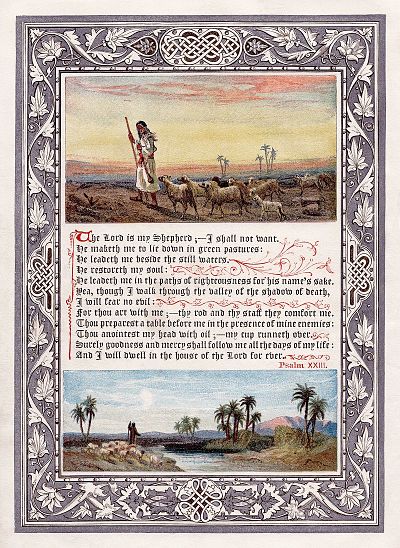
At the start of the summer, I got a thoughtful email from a non-Christian named M*. He gave me fifty-five questions and I told him I would respond (briefly) to as many as I could over the summer. M* rightly wishes me to say what I don’t like about my religious beliefs.
A person with the capacity to think should know the strengths and weaknesses of any view they have adopted. It would be odd indeed if a complicated explanation of reality like Christianity was equally plausible at all points.
M asks:
- What do you think is the strongest argument against Christianity?
That is an easy question for a philosopher to answer, but one that leads to much hard work! The arguments that come out of the so-called “problem of evil” are the best case against the existence of a Christian God. Put simply, the argument from evil attacks the existence of the Christian God, because Christians believe God is good, as powerful as a being can be, and rational. The amount or type of evil is incompatible with the existence of such a God.
An important note is that most arguments from evil do not impact two other kinds of God with the same force: the Platonic Demiurge and the deist God. The deist God does not (or cannot) intervene in cosmic history. While one might question God’s goodness for failing to intervene, the fact that God never intervenes in the system He created makes deistic inaction in particular cases easier to defend for the theist. The Demiurge of Plato is a creator God who is as powerful as a being can be, but in Plato’s opinion (Timaeus), God (and no other being) can perfectly account for the irrational actions of natural laws that were required to create.
There are two general lines of response to the problem of evil that I use:
- some evil is not evil, only apparently evil.
- much evil is caused by human free will.
First, some pain we quickly call evil is good for us. If God wishes to teach us, then some difficulties or challenges are part of the school for souls in which God has us enrolled. As any parent knows, not all things children do not like are evil or bad for the child. The obstacles of life could exist in a world where there is no evil and we might still find those hard or even painful.
There could be no gratuitous pain in a perfect world, but there is good reason to think there would be growing pains! Most of us have no desire to live eternally in a world with no challenges!
Second, if God wishes to let us meaningfully choose, then God also will allow many of the consequences of those choices. Human free will, used badly, put grit in the machine of the cosmos and much that goes wrong now is not even the result of my personal bad choices. We live in a world we have spoilt and keep spoiling. On top of our own evils, devils and other corrupted agents add to the cosmic problem. God is working it out, but over time.
These are good starting points, but despite these responses, gratuitous animal suffering is one very difficult problem for me. Animals are not in a school for souls (as far as I can tell) and they do experience pain.
There are several good ways to respond to both of these approaches and the argument is ongoing. It is impossible to account for all the nuances in modern discussions of this issue in a short blog post. A good first resource is The Problem of Evil: Selected Readings. Richard Swinburne’s Providence and the Problem of Evil is one detailed response to the arguments from evil that is helpful.
I believe the evidence and arguments in favor of Christianity combined with responses by Christian philosophers to the argument from evil are sufficient to remain a Christian. On a personal and experiential level, I find the response of Job helpful. Job sees God, experiences His goodness, and this helps him assume that there is meaning and justice to His pain. The explanation for all pain would require knowing how all particular pieces of the cosmos interact, surely beyond human comprehension, and knowing the internal mental states of each person. We cannot know this universally, and God cannot tell us, because it would violate the privacy of the moral agent for God to say all He knows about an individual to us just to justify His ways. So seeing God’s goodness and justice, combined with philosophical justifications for that experience, has helped me live with the argument from evil.
—————————-
*M has asked that I not reveal his or her name. I will write as if “he” is a male, but this is for convenience. Here are questions 1, 2, 34, 35, 37 , 54 , and 55.
Previous Post

May 23, 2017
What is The Best Evidence Against Christianity?
Next Post
May 25, 2017 If God did not exist . . . Questions from M.
Browse Our Archives
Select a Category Apologetics Art Culture Education On Books On Education Philosophy Politics Pop Culture Spiritual Reflections Uncategorized
Select a Month October 2026 September 2026 August 2026 July 2026 July 2025 June 2025 September 2024 July 2024 June 2024 December 2023 June 2023 September 2022 May 2022 April 2022 March 2022 February 2022 July 2021 June 2021 May 2021 April 2021 March 2021 February 2021 January 2021 December 2020 November 2020 October 2020 September 2020 August 2020 July 2020 June 2020 May 2020 April 2020 March 2020 February 2020 January 2020 December 2019 November 2019 October 2019 September 2019 August 2019 July 2019 June 2019 May 2019 April 2019 March 2019 February 2019 January 2019 December 2018 November 2018 October 2018 September 2018 August 2018 July 2018 June 2018 May 2018 April 2018 March 2018 February 2018 January 2018 December 2017 November 2017 October 2017 September 2017 August 2017 July 2017 June 2017 May 2017 April 2017 March 2017 February 2017 January 2017 December 2016 November 2016 October 2016 September 2016 August 2016 July 2016 June 2016 May 2016 April 2016 March 2016 February 2016 January 2016 December 2015 November 2015 October 2015 September 2015 August 2015 July 2015 June 2015 May 2015 April 2015 March 2015 February 2015 January 2015 November 2014 October 2014 September 2014 August 2014 July 2014 June 2014 May 2014 April 2014 March 2014 February 2014 January 2014 December 2013 November 2013 October 2013 September 2013 August 2013 July 2013 June 2013 May 2013 April 2013 March 2013 February 2013 January 2013 December 2012 November 2012 October 2012 September 2012 August 2012 July 2012 June 2012 May 2012
Follow Us!
TAKE THE
Religious Wisdom Quiz
I prayed while serving wine to the king, and my sad face led to permission for my mission. Who am I?
Select your answer to see how you score.
Mordecai Daniel Nehemiah Ezra
Books by This Author John Mark Reynolds
Related posts from Eidos

The Iceberg is There: Verbosity Cannot Defeat Reality

One Weeping Icon at Christmas is Enough

The Power of Dissenting Societies: A Thought

TRENDING AT PATHEOS Evangelical

How the author of the world's best hymn...
I've been working with John Newton for a while now. This makes...

Long before this Lectio Divina, Psalm 130 - the song - started...

What About the Trees? Another Living Parable
After I finished writing the last article about falling leaves as a...

Why Classical Education Is a Conversation, Not a...
Come and Read: Joy in Classical Education When I was a little...

Falling Leaves: A Living Parable on Letting Go
I’ve spent the vast majority of my life in the southeast corner...

Cornell University has received a great deal of negative publicity and intense...
view all Evangelical blogs
Ad-Free & Subscriber Log-In Subscription Support
- About Us
- 2026 Calendar
- Videos
- Podcasts
- Library of World Religions
- Faith In Media Tracker
- Advertise With Us
- Write for Us
- Privacy Policy
- Terms of Service
- Do Not Sell My Data
- Contact Us
- Radiant Digital
- Manage Newsletter Subscriptions
- Unsubscribe From Notifications
- Sitemap
Copyright 2008-2026, Patheos. All rights reserved.
Subscription Support Ad-Free & Subscriber Log-In
Follow Patheos