
BuddhistCatholicContemplativeEvangelicalGeneral ChristianHinduJewishLatter-day SaintMuslimNew VisionsProgressive Christian
Beliefs
- Buddhist
- Catholic
- Contemplative
- Evangelical
- General Christian
- Hindu
- Jewish
- Latter-day Saint
- More Voices
- Muslim
- New Visions
- Pagan
- Progressive Christian
Topics
- Religion News
- Food and Religion
- Sports and Religion
- Religious Art
- Religious Music and Entertainment
- Religious Events
- History and Religion
- Style and Religion
- Politics and Religion
- Women in Religion
- Recreation Outdoors and Religion
- Business Finance and Religion
- Careers Workplace and Religion
- Education and Religion
- Family Parenting and Religion
- Health Fitness and Religion
- Home and Religion
- Relationships and Religion
- Technology and Religion
- Travel and Religion
Columnists
- Buddhist Columnists
- Business Finance and Religion Columnists
- Careers Workplace and Religion Columnists
- Catholic Columnists
- Contemplative Columnists
- Education and Religion Columnists
- Evangelists Columnists
- Family Parenting and Religion Columnists
- General Christian Columnists
- Health Fitness and Religion Columnists
- Hindu Columnists
- History and Religion Columnists
- Home and Religion Columnists
- Jewish Columnists
- More Voices Columnists
- Latter Day Columnists
- Muslim Columnists
- New Visions Columnists
- Nonreligious Columnists
- Pagan Columnists
- Politics and Religion Columnists
- Progressive Columnists
- Recreation Outdoors and Religion Columnists
- Relationships and Religion Columnists
- Religion News Columnists
- Religious Art Columnists
- Religious Events Columnists
- Religious Music and Entertainment Columnists
- Sports and Religion Columnists
- Style and Religion Columnists
- Technology and Religion Columnists
- Travel and Religion Columnists
- Women in Religion Columnists
Resource Library
- 2026 Calendar
- Library of World Religions
- The 100 Most Holy Places on Earth
- Patheos Answers
- Podcasts
- Videos
- Faith Leaders Database
- Anglican Episcopalian
- Bahai
- Baptist
- Buddhism
- Christianity
- Confucianism
- Eastern Orthodoxy
- Hinduism
- Holiness and Pentecostal
- ISKCON
- Islam
- Judaism
- Lutheran
- Methodist
- The Church of Jesus Christ of Latter-day Saints
- New Age
- Paganism
- Presbytarian and Reformed
- Protestantism
- Religion Behind the Scenes
- Roman Catholic
- Scientology
- Shia Islam
- Sikhism
- Sufism
- Sunni Islam
- Taoism
- Zen
- See all religions
Research Tools
 Ad-Free & Subscriber Log-In Subscription Support
Ad-Free & Subscriber Log-In Subscription Support
Follow Patheos 

- Trending:
- Forgiveness
- |
- Marriage
- |
- Consciousness
- |
- Death Penalty
- |
- Election
- |
- Halloween

- Home
- Evangelical
- Under the Plane Tree: Where Desire Meets Power
Under the Plane Tree: Where Desire Meets Power
Last updated on: February 21, 2016 at 11:11 pm by John Mark N. Reynolds
Under the Plane Tree: Where Desire Meets Power 2016-02-21T23:11:53-04:00 John Mark N. Reynolds
Patheos Explore the world's faith through different perspectives on religion and spirituality! Patheos has the views of the prevalent religions and spiritualities of the world.
 Love cannot abide the abuse of power.
Or so it seems to me after a weekend watching politics and reading Phaedrus with friends. We were led by Professor Al Geier and the contrast between the two activities was remarkable. Politics is, probably rightly, about winning. If you have to get it done in South Carolina and it works, then the result justifies the action. In dialog, the goal is community and loving wisdom, virtue, and experiencing joy with integrity.
I know what I would have written as a young man. Politicians are bad and philosophers are good. I know what some friends would have said: you philosophers are useless to society. We need practical men of action.
I now reject both ideas. The impotent do no good to their neighbors and the man who will doing anything for power, while hating wisdom, is dangerous. I choose neither the effete man who only reads and the burly man of practical affairs who hates ideas.
Why?
Plato has taught me the importance of doing and not just talking and politics has taught me the danger of those who do not love wisdom before they act. Philosophy prevents tyrants in politics and politics prevents drones in society.
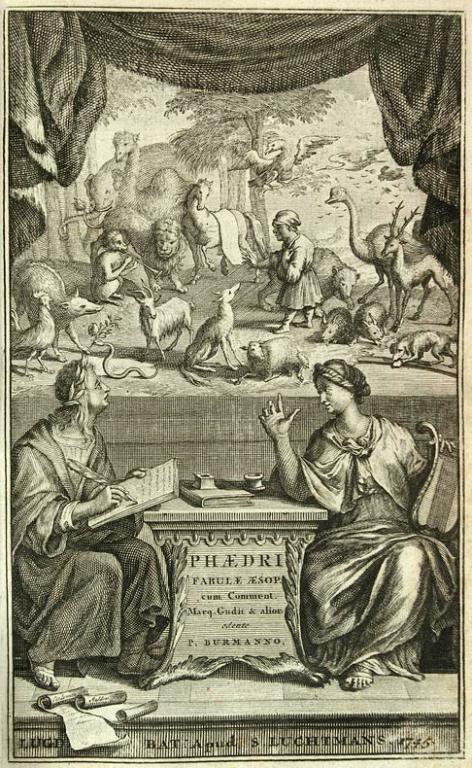
Phaedrus begins with a young man in love with speeches. He is enamored with love and it takes time for Socrates to help him see that he does not know what he thinks he knows. His emotional life is like the weather, just there, and so not a good guide to what he should do. His intellectual life is ravaged by the entertainment and “schooling” of his city.
Young Phaedrus is in trouble.
Under a tree by a stream, the good teacher, Socrates, talks with Phaedrus until they see that the speeches that school has taught Phaedrus are not just nonsense, but exploitative. The powerful people in the community are playing on the young man’s desires to get what they want (cash, sex, work) from him.
Socrates sets him free by showing him what love is and forming a better community with him.
Why does politics matter? Socrates and Phaedrus form a new community and this is a political act. They must know how to govern themselves with dignity and moderation or they will be destroyed.
They cannot just ignore the surrounding city because that city might destroy the discussion they are having. A good city will give them the freedom to get carried away with learning, discussion, and innovation. A bad city will regiment, control, and exploit.
Phaedrus and Socrates cannot ignore the city, but they must also not be “in” it. They are just outside . . . part of greater Athens, but not overwhelmed by Athens.
So it is for us. We are hearing the sound and fury of politics. We might run away and disengage. How tempting! If we do that, then the city will have revenge and we will be found and destroyed. That may happen no matter what we do, ask Socrates, but we must be engaged to some degree in self-defense!
Love demands it. Conversation produces friendship and friendship is based on love. Love needs rules or it consumes us all. The rules of love, patriotic love, are politics.
Politics is not everything anymore than the rules of the road are driving. We love and so we need guidance, laws, community, and standards, but we have politics for the sake of love and not love for the sake of politics.
We will elect a President whose chief job is to allow us to flourish as human beings . . . what the Founding Fathers called the “pursuit of happiness.” We need a leader strong enough to protect those we love, but merciful and wise enough to leave us alone.
Ideally, we would find a philosopher to be President, but since that is (nearly) impossible we must be content with a modest, though powerful person. We need a human strong enough to rule, but meek enough (Moses!) to be endured.
Our goal in this life is to love each other and in the love of wisdom, gain wings for our souls so that we can fly up now and at the hour of our death and see the Good.
Next Post

February 22, 2016 Six Sure Signs You Picked the Wrong Church
Browse Our Archives
Select a Category Apologetics Art Culture Education On Books On Education Philosophy Politics Pop Culture Spiritual Reflections Uncategorized
Select a Month October 2026 September 2026 August 2026 July 2026 July 2025 June 2025 September 2024 July 2024 June 2024 December 2023 June 2023 September 2022 May 2022 April 2022 March 2022 February 2022 July 2021 June 2021 May 2021 April 2021 March 2021 February 2021 January 2021 December 2020 November 2020 October 2020 September 2020 August 2020 July 2020 June 2020 May 2020 April 2020 March 2020 February 2020 January 2020 December 2019 November 2019 October 2019 September 2019 August 2019 July 2019 June 2019 May 2019 April 2019 March 2019 February 2019 January 2019 December 2018 November 2018 October 2018 September 2018 August 2018 July 2018 June 2018 May 2018 April 2018 March 2018 February 2018 January 2018 December 2017 November 2017 October 2017 September 2017 August 2017 July 2017 June 2017 May 2017 April 2017 March 2017 February 2017 January 2017 December 2016 November 2016 October 2016 September 2016 August 2016 July 2016 June 2016 May 2016 April 2016 March 2016 February 2016 January 2016 December 2015 November 2015 October 2015 September 2015 August 2015 July 2015 June 2015 May 2015 April 2015 March 2015 February 2015 January 2015 November 2014 October 2014 September 2014 August 2014 July 2014 June 2014 May 2014 April 2014 March 2014 February 2014 January 2014 December 2013 November 2013 October 2013 September 2013 August 2013 July 2013 June 2013 May 2013 April 2013 March 2013 February 2013 January 2013 December 2012 November 2012 October 2012 September 2012 August 2012 July 2012 June 2012 May 2012
Follow Us!
TAKE THE
Religious Wisdom Quiz
Who was the prophet who pronounced doom on Jezebel and Ahab?
Select your answer to see how you score.
Hosea Isaiah Elijah Elisha
Books by This Author John Mark Reynolds
Related posts from Eidos

Yet I Love Her: History and the Church


The Iceberg is There: Verbosity Cannot Defeat Reality

One Weeping Icon at Christmas is Enough
TRENDING AT PATHEOS Evangelical

The REST of Your Life: A Creative Wrestles...
This week I had a conversation with a good friend from church....

How the author of the world's best hymn...
I've been working with John Newton for a while now. This makes...

Long before this Lectio Divina, Psalm 130 - the song - started...

What About the Trees? Another Living Parable
After I finished writing the last article about falling leaves as a...

Why Classical Education Is a Conversation, Not a...
Come and Read: Joy in Classical Education When I was a little...

Cornell University has received a great deal of negative publicity and intense...
view all Evangelical blogs
Ad-Free & Subscriber Log-In Subscription Support
- About Us
- 2026 Calendar
- Videos
- Podcasts
- Library of World Religions
- Faith In Media Tracker
- Advertise With Us
- Write for Us
- Privacy Policy
- Terms of Service
- Do Not Sell My Data
- Contact Us
- Radiant Digital
- Manage Newsletter Subscriptions
- Unsubscribe From Notifications
- Sitemap
Copyright 2008-2026, Patheos. All rights reserved.
Subscription Support Ad-Free & Subscriber Log-In
Follow Patheos