
BuddhistCatholicContemplativeEvangelicalGeneral ChristianHinduJewishLatter-day SaintMuslimNew VisionsProgressive Christian
Beliefs
- Buddhist
- Catholic
- Contemplative
- Evangelical
- General Christian
- Hindu
- Jewish
- Latter-day Saint
- More Voices
- Muslim
- New Visions
- Pagan
- Progressive Christian
Topics
- Religion News
- Food and Religion
- Sports and Religion
- Religious Art
- Religious Music and Entertainment
- Religious Events
- History and Religion
- Style and Religion
- Politics and Religion
- Women in Religion
- Recreation Outdoors and Religion
- Business Finance and Religion
- Careers Workplace and Religion
- Education and Religion
- Family Parenting and Religion
- Health Fitness and Religion
- Home and Religion
- Relationships and Religion
- Technology and Religion
- Travel and Religion
Columnists
- Buddhist Columnists
- Business Finance and Religion Columnists
- Careers Workplace and Religion Columnists
- Catholic Columnists
- Contemplative Columnists
- Education and Religion Columnists
- Evangelists Columnists
- Family Parenting and Religion Columnists
- General Christian Columnists
- Health Fitness and Religion Columnists
- Hindu Columnists
- History and Religion Columnists
- Home and Religion Columnists
- Jewish Columnists
- More Voices Columnists
- Latter Day Columnists
- Muslim Columnists
- New Visions Columnists
- Nonreligious Columnists
- Pagan Columnists
- Politics and Religion Columnists
- Progressive Columnists
- Recreation Outdoors and Religion Columnists
- Relationships and Religion Columnists
- Religion News Columnists
- Religious Art Columnists
- Religious Events Columnists
- Religious Music and Entertainment Columnists
- Sports and Religion Columnists
- Style and Religion Columnists
- Technology and Religion Columnists
- Travel and Religion Columnists
- Women in Religion Columnists
Resource Library
- 2026 Calendar
- Library of World Religions
- The 100 Most Holy Places on Earth
- Patheos Answers
- Podcasts
- Videos
- Faith Leaders Database
- Anglican Episcopalian
- Bahai
- Baptist
- Buddhism
- Christianity
- Confucianism
- Eastern Orthodoxy
- Hinduism
- Holiness and Pentecostal
- ISKCON
- Islam
- Judaism
- Lutheran
- Methodist
- The Church of Jesus Christ of Latter-day Saints
- New Age
- Paganism
- Presbytarian and Reformed
- Protestantism
- Religion Behind the Scenes
- Roman Catholic
- Scientology
- Shia Islam
- Sikhism
- Sufism
- Sunni Islam
- Taoism
- Zen
- See all religions
Research Tools
 Ad-Free & Subscriber Log-In Subscription Support
Ad-Free & Subscriber Log-In Subscription Support
Follow Patheos 

- Trending:
- Forgiveness
- |
- Marriage
- |
- Consciousness
- |
- Death Penalty
- |
- Election
- |
- Halloween
 Egregious Twaddle
- Home
- Catholic
- Finding My Way Back to Fatima, and Down the Road
Finding My Way Back to Fatima, and Down the Road
Last updated on: May 12, 2016 at 12:00 pm by Joanne McPortland
Finding My Way Back to Fatima, and Down the Road 2016-05-12T08:10:35-06:00 Joanne McPortland
Patheos Explore the world's faith through different perspectives on religion and spirituality! Patheos has the views of the prevalent religions and spiritualities of the world.
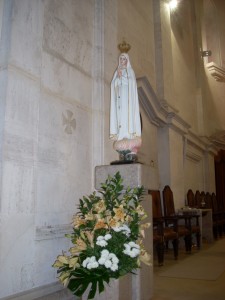 “Tell everybody that God gives His graces through the Immaculate Heart of Mary. Tell them to ask graces from her, . . . for the Lord has confided the peace of the world to her.” ~ A message from the Lady of Fatima, according to Lucia
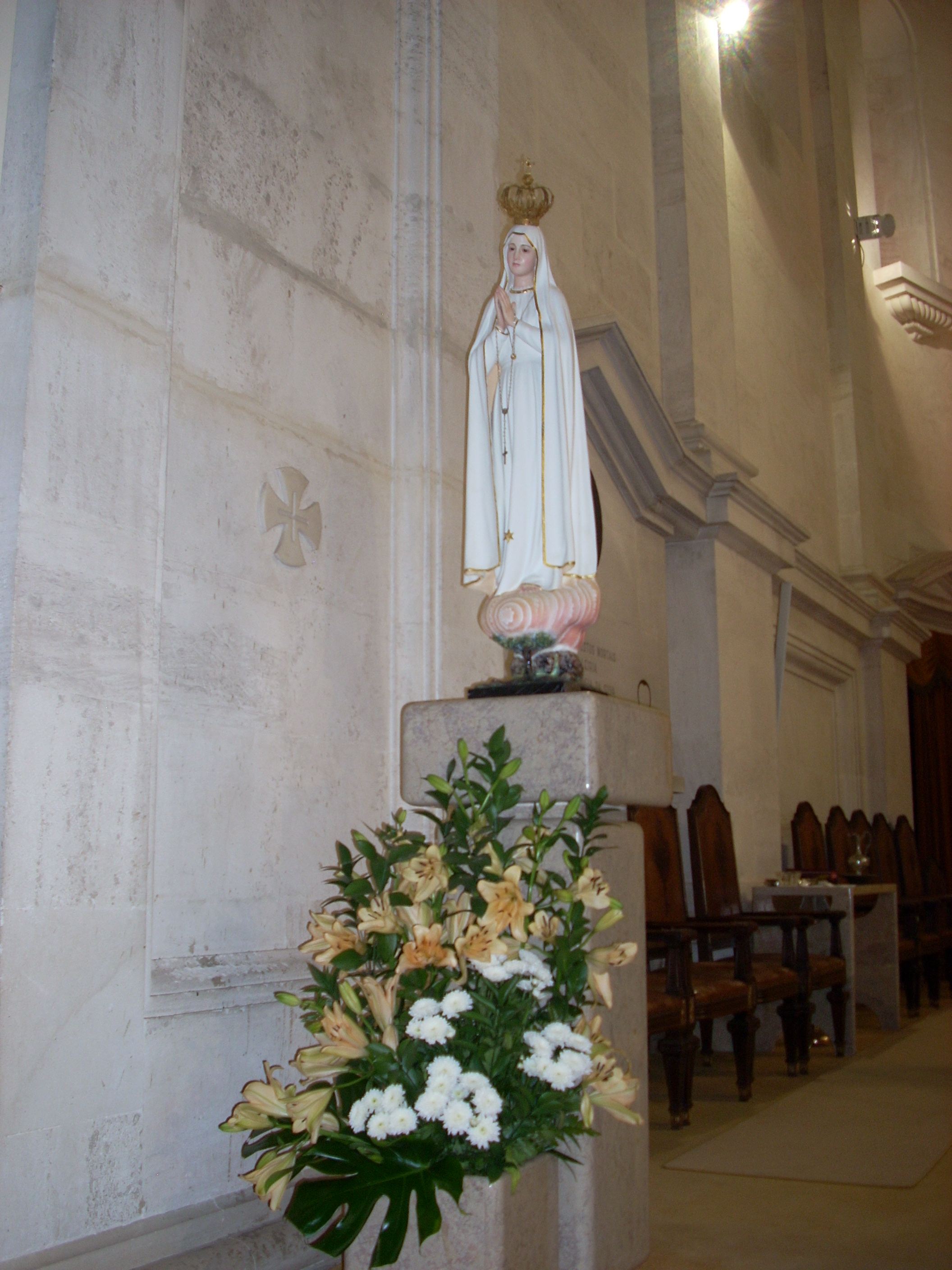
Tomorrow is the optional Memorial of Our Lady of Fatima, the 99th anniversary of the Lady’s first appearance to three children minding their sheep in a bowl-like vale on a dusty Portuguese afternoon. The children, a brother and sister and their slightly older cousin, had encountered the more-than-natural before. Three times in the year 1916 they had been visited by a messenger who called himself the Angel of Peace. He taught the children prayers and impressed upon them the importance of making small sacrifices and of spending time in adoration of the Blessed Sacrament.
Peace. Sacrifice. Prayer. Three things even children understood in that time of world war and revolution. The peace so longed for, the sacrifice so dumbly unavoidable, the prayer so constant that even an angelic visitor did not faze them. Neither did the Lady “shining brighter than the sun” who first appeared in the branches of a tree on May 13, 1917. The children, and the world, would come to know her as Our Lady of Fatima (the name of their town, called after the daughter of a Muslim overlord, who named her for the daughter of Muhammad, back when Portugal was part of the Moorish caliphate).
We—people my age, who grew up in the 1950s and 60s—came to know Our Lady of Fatima not as a bearer of peace but as a harbinger of destruction meted out by the wrath of God against godless communists, not as one who invites us to joyful self-sacrifice but as a punishing judge of our failure to be pure enough, not as a model of prayer but as a keeper of terrible, apocalyptic secrets. I was in 5th grade at Immaculate Heart of Mary Parish School on May 13, 1960, when rumor had it that the notorious Third Secret of Fatima would be at last revealed, setting off nuclear war with Russia. It was my friend Mary’s eleventh birthday, and she was inconsolable that she’d never get to swim or play volleyball again. I, still 10 until October, thought to myself, Ten wasn’t long enough.
Even when I grew up enough to learn how much of the story of Our Lady of Fatima had been coopted by the political and ecclesial factions of its time (and subsequent times, and even our own present time), I couldn’t much warm to the Lady. And then, in 2012, through the beneficent offices of another Mary, I went on pilgrimage to Fatima. And I came home.
Here’s how I described that day here in my pilgrim’s journal nearly four years ago:
Pilgrimage 2012, Day 3: Fatima
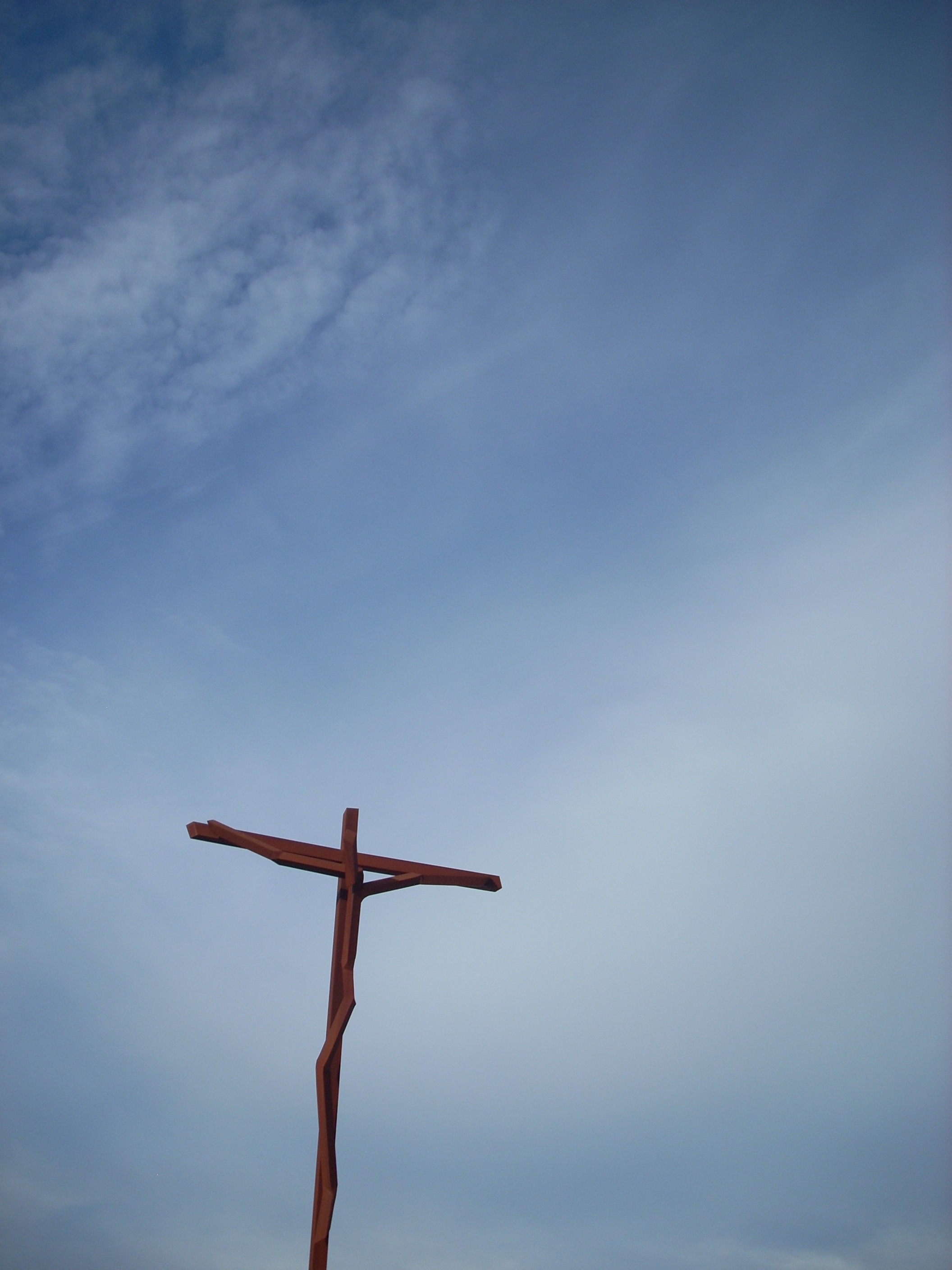
The High Cross in the Sanctuary of Fatima
We pilgrims spent yesterday in Fatima. In the early morning, a tour of the Sanctuary, the huge devotional complex that encompasses the Chapel of the Apparitions on the site where the Lady most often appeared to the three children, the massive Basilica of Our Lady of the Rosary, the Sacred Heart fountain, the High Cross, the colonnades (modeled after Bernini’s in St Peter’s Square, but with arms open wide to embrace the world), and the new Church of the Holy Trinity. We took a group photo on the plaza, all 3 score and 10+ of us staring into the white-hot sun just long enough to say queso*.*
Then off to visit the village of Aljustrel, where the little shepherds lived, and the wooded hills of Valinhos, from which they drove their sheep each day to the small bowl-like valley called the Cova da Iria. (Which means, not at all coincidentally, the Vale of Peace.) The afternoon was our own, for lunch, shopping for religious goods among the vendors whose shops line the colonnades in town, personal devotion, and siesta. We had Mass in the early evening in the Chapel of the Resurrection, one of the new chapels on the crypt level of Holy Trinity. Then dinner together in our hotel. After dinner, many joined the Candlelight Procession.
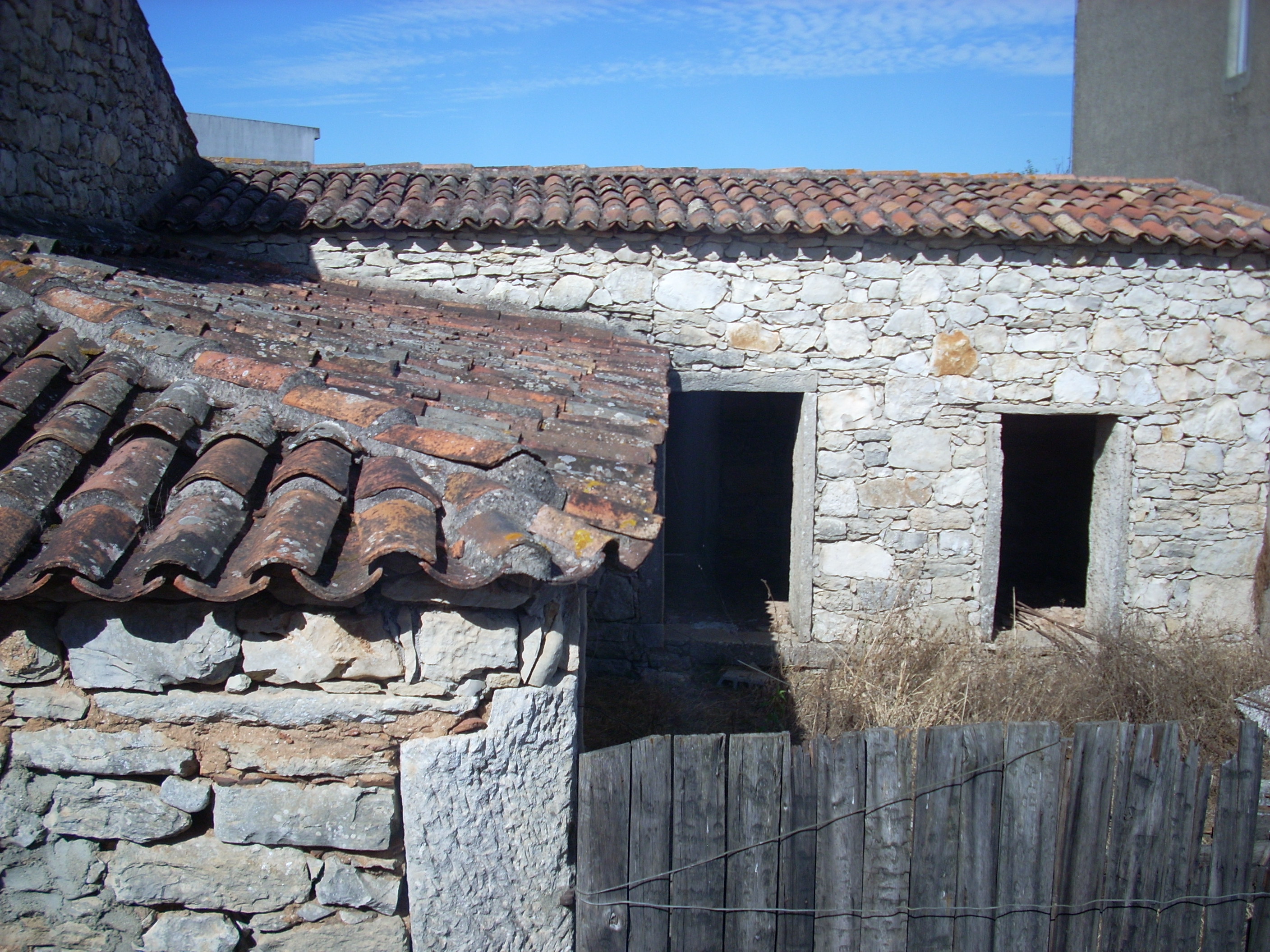
Jacinta and Francisco’s house
But no itinerary can capture the ineffable peace of Fatima, the grace of the place. The dazzling sun through the trees, dancing and throwing rainbow rays as wonderfully as it did on October 13, 1917. The wedding-cake whiteness of the Basilica, stark and much more beautiful in person than in pictures, against the Mary-blue sky. The woman crossing the vast expanse of the Sanctuary plaza on her knees, a child occasionally whispering encouragement in her ear. The warm stone walls and tiled roofs of Aljustrel, and the Valinhos hillside covered with holm oaks and olives and scented heavily with pine and sage, quiet as it must have been when the children kicked up the dust on the sheep path—until chatty Portuguese families, 4 generations out on a stroll to visit their Mama Maria on a Sunday, pass by, smiling. The people lining up with armloads of flowers and other gifts to leave for the Lady, or purchasing candles, or writing intercessions to be posted in the gray mailboxes that I am convinced lead directly to heaven.
It’s a peace and a grace, as Fr Jan Schmidt, pastor of St Margaret of York in Loveland, reminded us in his homily last night, rooted in two inevitabilities: not death and taxes, but suffering and the love of God. Fatima, no less than Lourdes, acknowledges the suffering of our fallen humanity and reaches to heal it, but here the emphasis is on those things that are out of joint with our own spirits and that of the world. Sin—most especially those breaks with innocence that disturb the peace Christ promised (not only sins of the flesh, Sr Lucia later explained, but the even worse acts of injustice against the poor and the vulnerable)—and war, with its deadly consequences and collateral damage, are what the Lady came to lament.
But at Fatima, it is not miraculous water that is the instrument of the healing Mary intercedes for. It is the redemptive suffering entered into by each person who hears her message—from young Lucia, Francisco, and Jacinta to those of us who stood in the Cova da Iria yesterday—that will make the difference. “Are you ready to offer yourself to God?” These words of the Lady, in many languages, hung as a banner for the outdoor Mass. They made us think, and pray, and wonder.
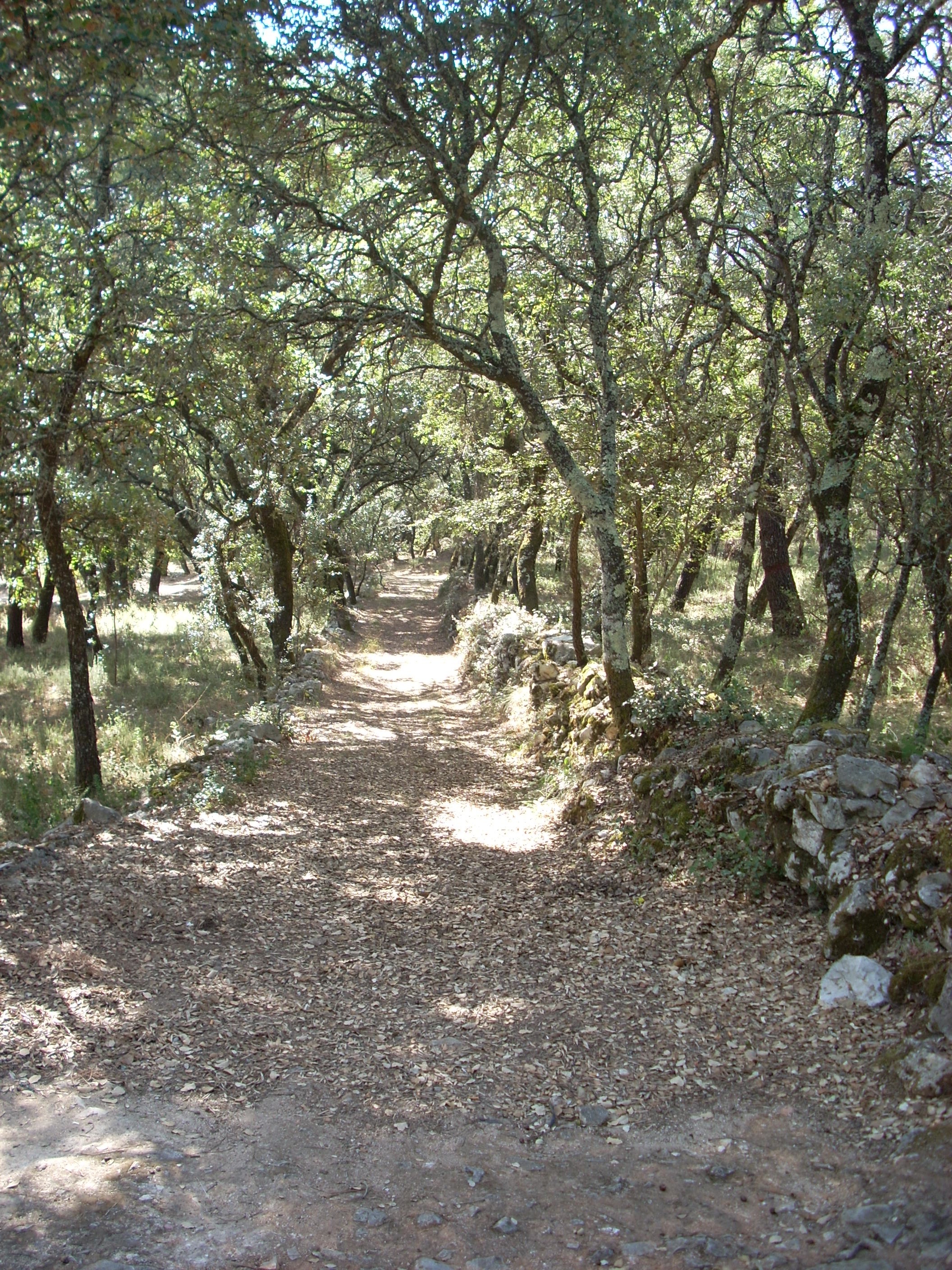
Along the Holy Way in Valinhos, where I sat out a walk, prayed the Rosary, and made my peace with Fatima
Personally, Fatima is the place I was least looking forward to visiting. I grew up at the height of Catholic anti-communist fervor, when the Lady of Fatima, with her scary apocalyptic secrets and messages interpreted with a heavily political slant, was used more as an ideological weapon in the Cold War than as a means of drawing closer to Mary and her Son. There is still a lot of that associated with Fatima today among US Catholics, so I was stunned to find that there is none of it visible there. What there was was peace, the same palpable presence of God’s inevitable love I have encountered at the Shrine of the Virgin of Guadalupe at Tepeyac and in the cloister of San Damiano at Assisi. This is truly one of those places where heaven breaks through into earth in the form of sacrificial love, the twinned flames of the Sacred Heart of Jesus and Mary’s Immaculate Heart burning away every other bit of nonsense. I am so grateful to have been there and found it unimaginably and undeniably home.
Saying Yes
On that pilgrimage, I was as broken and ill as I had ever been. Years of drinking and hoarding and obesity and untreated depression were boiling to the surface, no more able to be hidden than the secrets of Fatima. Two months later I would face the shame of confessing it all, the prospect of homelessness, and the ineffable miracles of love and friendship that brought me back to California and my family and sustain me to this day.
I didn’t know it while I was there, but something in me answered Yes to the Lady’s call: Are you ready to offer yourself to God? For the years left to me, I walk in sacrifice and prayerful adoration and unassailable peace.
That walk takes this blog in new directions now. It has been almost a year since Egregious Twaddle last posted at Patheos. During that time, my own journey and that of the Patheos Catholic Channel went down different paths, and the time has come to make official what has been true in practice. I am taking Egregious Twaddle back to independent blogging status, at a new WordPress site under development. I’ll let readers know through social media when it’s up, in case anyone’s interested in walking with me wherever the pilgrimage goes next. Thank you for the great conversations and the challenges.
I am entirely and profoundly grateful to all at Patheos who brought me in and supported me for the years I was here. The Patheos management have been encouraging and gracious, and with all the rough edges I continue to salute them for the nobility of an enterprise that brings together people of such wide-ranging perspectives and practices. Editor Sam Rocha is taking the Catholic Channel in promising directions, and I wish him the best. My former Catholic Channel editor Elizabeth Scalia, The Anchoress, has grown from an idol to a friend (who is still an idol, even though she keeps writing books about how stupid idolatry is). Current and past bloggers at the Catholic Channel and beyond have become respected colleagues, dear online friends, and even the most powerful prayer circle in the world. It was, and is, a privilege to be counted in your midst.
Happy Feast of Our Lady of Fatima. Peace. Sacrifice. Prayer. We need them now more than ever, wherever we twaddle.
Images are all my own, copyright Joanne K. McPortland
Previous Post

May 20, 2015
Depressed and Catholic: Learning It's OK to Live
Browse Our Archives
Select a Category Abortion Advent Art Bishops Book Review Catholicism Fortnight 4 Freedom In the News Lent Marriage Mary Mental Health New Evangelization Nuns Pilgrimage 2012 Pop Culture Pope Francis Religious Education Reverts Saints' Lives and Legends Sin Staying Catholic Uncategorized Year of Faith
Select a Month May 2016 May 2015 April 2015 March 2015 December 2014 November 2014 October 2014 September 2014 August 2014 July 2014 June 2014 April 2014 March 2014 February 2014 December 2013 November 2013 October 2013 September 2013 August 2013 July 2013 June 2013 May 2013 April 2013 March 2013 February 2013 January 2013 December 2012 November 2012 October 2012 September 2012 August 2012 July 2012 June 2012 May 2012 April 2012 March 2012 February 2012 January 2012 November 2011 April 2011 March 2011 December 2010
Follow Us!
TAKE THE
Religious Wisdom Quiz
Which letter contains a hymn about Christ emptying Himself and being exalted?
Select your answer to see how you score.
Romans Ephesians Titus Philippians
Related posts from Egregious Twaddle
The Exultation (sic) of the Holy Cross

Hey, Who You Callin' Egregious?: More on a...
"A Palpable Hopefulness": A Book Response and a...
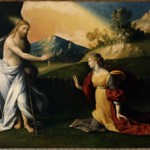
Something New, Something Other: An Annunciation Diptych
TRENDING AT PATHEOS Catholic

Rejecting Doom: Christian Hope And Human Action
Christianity is a religion of hope. We are to have hope and...

It’s What Comes From Within Which Matters
One of the most difficult things for us to understand is why...

Why I Choose the Eucharist Over the Sermon
Choose the Eucharist, Not the Sermon What are we supposed to get...

5 Design Elements Found in Spiritually Rooted Homes
Putting Spirituality Into Home Decor Our homes are more than our living...

Credo: A Story of God Told with the...
About 10 years ago, I began to imagine a personal "Credo" that...

The Anatomy of Divine Revelation in Catholic Thought
The claim that God has made Himself known to human beings is...
view all Catholic blogs
Ad-Free & Subscriber Log-In Subscription Support
- About Us
- 2026 Calendar
- Videos
- Podcasts
- Library of World Religions
- Faith In Media Tracker
- Advertise With Us
- Write for Us
- Privacy Policy
- Terms of Service
- Do Not Sell My Data
- Contact Us
- Radiant Digital
- Manage Newsletter Subscriptions
- Unsubscribe From Notifications
- Sitemap
Copyright 2008-2026, Patheos. All rights reserved.
Subscription Support Ad-Free & Subscriber Log-In
Follow Patheos