
BuddhistCatholicContemplativeEvangelicalGeneral ChristianHinduJewishLatter-day SaintMuslimNew VisionsProgressive Christian
Beliefs
- Buddhist
- Catholic
- Contemplative
- Evangelical
- General Christian
- Hindu
- Jewish
- Latter-day Saint
- More Voices
- Muslim
- New Visions
- Pagan
- Progressive Christian
Topics
- Religion News
- Food and Religion
- Sports and Religion
- Religious Art
- Religious Music and Entertainment
- Religious Events
- History and Religion
- Style and Religion
- Politics and Religion
- Women in Religion
- Recreation Outdoors and Religion
- Business Finance and Religion
- Careers Workplace and Religion
- Education and Religion
- Family Parenting and Religion
- Health Fitness and Religion
- Home and Religion
- Relationships and Religion
- Technology and Religion
- Travel and Religion
Columnists
- Buddhist Columnists
- Business Finance and Religion Columnists
- Careers Workplace and Religion Columnists
- Catholic Columnists
- Contemplative Columnists
- Education and Religion Columnists
- Evangelists Columnists
- Family Parenting and Religion Columnists
- General Christian Columnists
- Health Fitness and Religion Columnists
- Hindu Columnists
- History and Religion Columnists
- Home and Religion Columnists
- Jewish Columnists
- More Voices Columnists
- Latter Day Columnists
- Muslim Columnists
- New Visions Columnists
- Nonreligious Columnists
- Pagan Columnists
- Politics and Religion Columnists
- Progressive Columnists
- Recreation Outdoors and Religion Columnists
- Relationships and Religion Columnists
- Religion News Columnists
- Religious Art Columnists
- Religious Events Columnists
- Religious Music and Entertainment Columnists
- Sports and Religion Columnists
- Style and Religion Columnists
- Technology and Religion Columnists
- Travel and Religion Columnists
- Women in Religion Columnists
Resource Library
- 2026 Calendar
- Library of World Religions
- The 100 Most Holy Places on Earth
- Patheos Answers
- Podcasts
- Videos
- Faith Leaders Database
- Anglican Episcopalian
- Bahai
- Baptist
- Buddhism
- Christianity
- Confucianism
- Eastern Orthodoxy
- Hinduism
- Holiness and Pentecostal
- ISKCON
- Islam
- Judaism
- Lutheran
- Methodist
- The Church of Jesus Christ of Latter-day Saints
- New Age
- Paganism
- Presbytarian and Reformed
- Protestantism
- Religion Behind the Scenes
- Roman Catholic
- Scientology
- Shia Islam
- Sikhism
- Sufism
- Sunni Islam
- Taoism
- Zen
- See all religions
Research Tools
 Ad-Free & Subscriber Log-In Subscription Support
Ad-Free & Subscriber Log-In Subscription Support
Follow Patheos 

- Trending:
- Forgiveness
- |
- Marriage
- |
- Consciousness
- |
- Death Penalty
- |
- Election
- |
- Halloween
 Eating Peaches
- Home
- Catholic
- Advent and the Incarnation When Words Fail
Advent and the Incarnation When Words Fail
Last updated on: December 6, 2018 at 11:06 am by Marina S. Brungardt
Advent and the Incarnation When Words Fail 2018-12-06T11:06:09-07:00 Marina S. Brungardt
Patheos Explore the world's faith through different perspectives on religion and spirituality! Patheos has the views of the prevalent religions and spiritualities of the world.
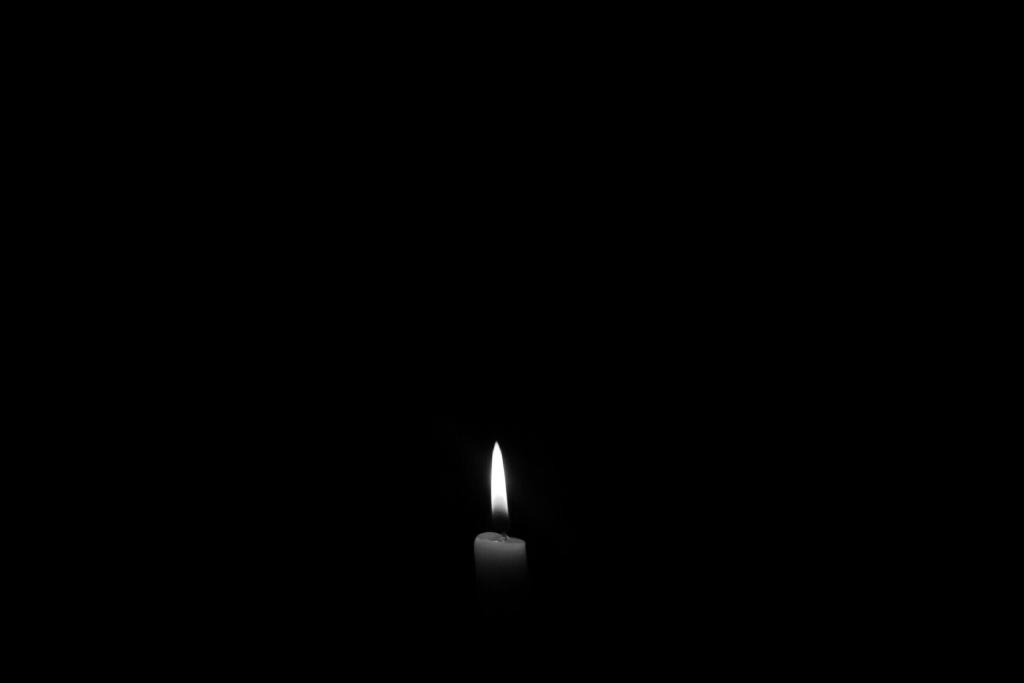
Image via pexels.com
And the Word became flesh and made his dwelling among us.
In in these words, St. John encapsulates the wonder that is the Incarnation: the union of the Divine with His creation. As our liturgy draws us closer to the celebration of this wondrous event, it’s not surprising that the Incarnation and Incarnational theology take center stage during the Advent season. It’s hard not to ask ourselves: what does it really mean to say God became Man?
The problem with asking that question is that, as the holiest, most intelligent, and most contemplative of the saints know far too well, after we have said all we might possibly say on the subject, the Incarnation has far too much of reality about it for us to even begin to comprehend what God did when the Logos united a human nature to His Divine Person.
So what is faith supposed to be in this realm where words themselves fall silent in the overwhelming presence of the Word Himself?
It seems wrong to fall back on emotion—the stirring up within ourselves in the face of this piercing truth—because this truth is more solid than our ability to grasp it can ever be. It seems an even greater travesty to turn to sentimentality—if only because sentimentality is perhaps best characterized as a “degraded feeling—emotional schmaltz and artistic schlock,” to borrow the philosopher Eva Brann’s description.
So how ought a Catholic to respond to the truth of the Incarnation?
The symbolism of the Advent season offers us insight here: a single lit candle illuminating the darkness. The reality itself of the Incarnation, God became Man, is both the beginning and the end of our contemplation—the truth that resounds where our minds fall dark.
And yet, even in the darkness of our failed comprehension, some bit of the reality seems to spark into our minds. For,
There is in God, some say,
A deep but dazzling darkness, as men here
Say it is late and dusky, because they
See not all clear.
In Advent we are invited to contemplate what is incomprehensible: the union of a Divine and Human nature in the Person of the Word made Flesh. Our contemplation necessarily reaches what the theologians of old called the “vía negativa,” where we can only stammer that the reality of God is so much more real than what is dreamed up in our philosophies that our tongues fall silent in the face of it.
And, in that silent stillness, we perhaps begin to taste a hint of the wondrous love that would lead God to break bread with His creation.
The Reality Superelevating Things
Previous Post

June 14, 2017
St. Anthony, Lost Faith, and How to Find It
Next Post
December 6, 2018 Saint Nicholas of Myra
Browse Our Archives
Select a Category Body Problems Fatherhood Feast Day Friendship Grace Building on Nature Holy Days and Liturgy Living Life in Christ Love and Marriage and Other Responsibilities Mary Motherhood Philosophic Wanderings Podcasts Reality of Things Saint of the Day The Beautiful The Good The Habit of Being In The Polis The Reality Superelevating Things The True Transcendentals Transcendentals Trinity Uncategorized Virtue
Select a Month December 2018 June 2017 May 2017 April 2017 March 2017 February 2017 January 2017 December 2016 September 2016 August 2016 July 2016 June 2016 May 2016
Follow Us!
TAKE THE
Religious Wisdom Quiz
Like a sheep led to slaughter, silent before shearers, this servant was pierced for our transgressions. What chapter foretells this suffering?
Select your answer to see how you score.
Isaiah 7 Isaiah 53 Isaiah 9 Isaiah 61
Related posts from Eating Peaches
Mary, Mother of God: The Theotokos

Saint Lucy of Syracuse: Looking to God
Our Lady of Guadalupe: Empress of the Americas
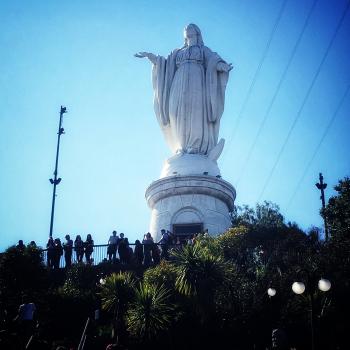
Mary: The Immaculate Conception
TRENDING AT PATHEOS Catholic

The Parable Of The Sower And The Word...
One of Christ’s most famous parables is that of the sower who...

Rejecting Doom: Christian Hope And Human Action
Christianity is a religion of hope. We are to have hope and...

Why I Choose the Eucharist Over the Sermon
Choose the Eucharist, Not the Sermon What are we supposed to get...

5 Design Elements Found in Spiritually Rooted Homes
Putting Spirituality Into Home Decor Our homes are more than our living...

Credo: A Story of God Told with the...
About 10 years ago, I began to imagine a personal "Credo" that...

The Anatomy of Divine Revelation in Catholic Thought
The claim that God has made Himself known to human beings is...
view all Catholic blogs
Ad-Free & Subscriber Log-In Subscription Support
- About Us
- 2026 Calendar
- Videos
- Podcasts
- Library of World Religions
- Faith In Media Tracker
- Advertise With Us
- Write for Us
- Privacy Policy
- Terms of Service
- Do Not Sell My Data
- Contact Us
- Radiant Digital
- Manage Newsletter Subscriptions
- Unsubscribe From Notifications
- Sitemap
Copyright 2008-2026, Patheos. All rights reserved.
Subscription Support Ad-Free & Subscriber Log-In
Follow Patheos