
BuddhistCatholicContemplativeEvangelicalGeneral ChristianHinduJewishLatter-day SaintMuslimNew VisionsProgressive Christian
Beliefs
- Buddhist
- Catholic
- Contemplative
- Evangelical
- General Christian
- Hindu
- Jewish
- Latter-day Saint
- More Voices
- Muslim
- New Visions
- Pagan
- Progressive Christian
Topics
- Religion News
- Food and Religion
- Sports and Religion
- Religious Art
- Religious Music and Entertainment
- Religious Events
- History and Religion
- Style and Religion
- Politics and Religion
- Women in Religion
- Recreation Outdoors and Religion
- Business Finance and Religion
- Careers Workplace and Religion
- Education and Religion
- Family Parenting and Religion
- Health Fitness and Religion
- Home and Religion
- Relationships and Religion
- Technology and Religion
- Travel and Religion
Columnists
- Buddhist Columnists
- Business Finance and Religion Columnists
- Careers Workplace and Religion Columnists
- Catholic Columnists
- Contemplative Columnists
- Education and Religion Columnists
- Evangelists Columnists
- Family Parenting and Religion Columnists
- General Christian Columnists
- Health Fitness and Religion Columnists
- Hindu Columnists
- History and Religion Columnists
- Home and Religion Columnists
- Jewish Columnists
- More Voices Columnists
- Latter Day Columnists
- Muslim Columnists
- New Visions Columnists
- Nonreligious Columnists
- Pagan Columnists
- Politics and Religion Columnists
- Progressive Columnists
- Recreation Outdoors and Religion Columnists
- Relationships and Religion Columnists
- Religion News Columnists
- Religious Art Columnists
- Religious Events Columnists
- Religious Music and Entertainment Columnists
- Sports and Religion Columnists
- Style and Religion Columnists
- Technology and Religion Columnists
- Travel and Religion Columnists
- Women in Religion Columnists
Resource Library
- 2026 Calendar
- Library of World Religions
- The 100 Most Holy Places on Earth
- Patheos Answers
- Podcasts
- Videos
- Faith Leaders Database
- Anglican Episcopalian
- Bahai
- Baptist
- Buddhism
- Christianity
- Confucianism
- Eastern Orthodoxy
- Hinduism
- Holiness and Pentecostal
- ISKCON
- Islam
- Judaism
- Lutheran
- Methodist
- The Church of Jesus Christ of Latter-day Saints
- New Age
- Paganism
- Presbytarian and Reformed
- Protestantism
- Religion Behind the Scenes
- Roman Catholic
- Scientology
- Shia Islam
- Sikhism
- Sufism
- Sunni Islam
- Taoism
- Zen
- See all religions
Research Tools
 Ad-Free & Subscriber Log-In Subscription Support
Ad-Free & Subscriber Log-In Subscription Support
Follow Patheos 

- Trending:
- Forgiveness
- |
- Marriage
- |
- Consciousness
- |
- Death Penalty
- |
- Election
- |
- Halloween
 Eating Peaches
- Home
- Catholic
- Theology of the Body, Topless Picnics, and the Message Our Body Sends
Theology of the Body, Topless Picnics, and the Message Our Body Sends
Last updated on: July 29, 2016 at 8:48 am by Marina S. Brungardt
Theology of the Body, Topless Picnics, and the Message Our Body Sends 2016-07-29T08:48:43-07:00 Marina S. Brungardt
Patheos Explore the world's faith through different perspectives on religion and spirituality! Patheos has the views of the prevalent religions and spiritualities of the world.

Theology of the Body, Topless Picnics, and the Message Our Body Sends
So the fine fellows over at Mountain Catholic are running my thoughts rn on topless picnics, art, St. JPII’s Theology of the Body, and all sorts of fun things today. You should check those thoughts out! And if you aren’t sold, here’s a tease:
So, women and men are pretty different in many ways and very similar in others. As someone reading a Catholic think site on the internet, you probably realized this at some point in your life. I think for me, that moment came shortly after a growth spurt during a 7th grade cotillion ball. I realized that my waltz partner was not exactly at eye level with me any more. Men and women tend to have some pretty key differences that follow on that whole male/female division thing.
Now, I’m also a Californian, so I’m pretty lax about some stuff. You want to wear a burkini? Go for it. Want to show off your spin class and juice detox abs? I’m jealous and kind of numb to it honestly. You want to breastfeed and keep talking to me? I’m flattered you think so well of our friendship. You want to go start a nudist intentional community with your housemates, live in tiny homes, and raise alpaca? That’s a thing you can do with your life, and hey, it’s not a pot dispensary, so there’s that.
But for all that, I do think it’s worth remembering that what you do with your body sends a message, because we are not ghosts in a machine. We are humans, body and soul. What we say with the body, and how we say it, matters. Because, communication. So with this preface, let’s talk about the whole topless picnic think going down in Helena. By which I mean, let’s talk about what a woman’s body can communicate.
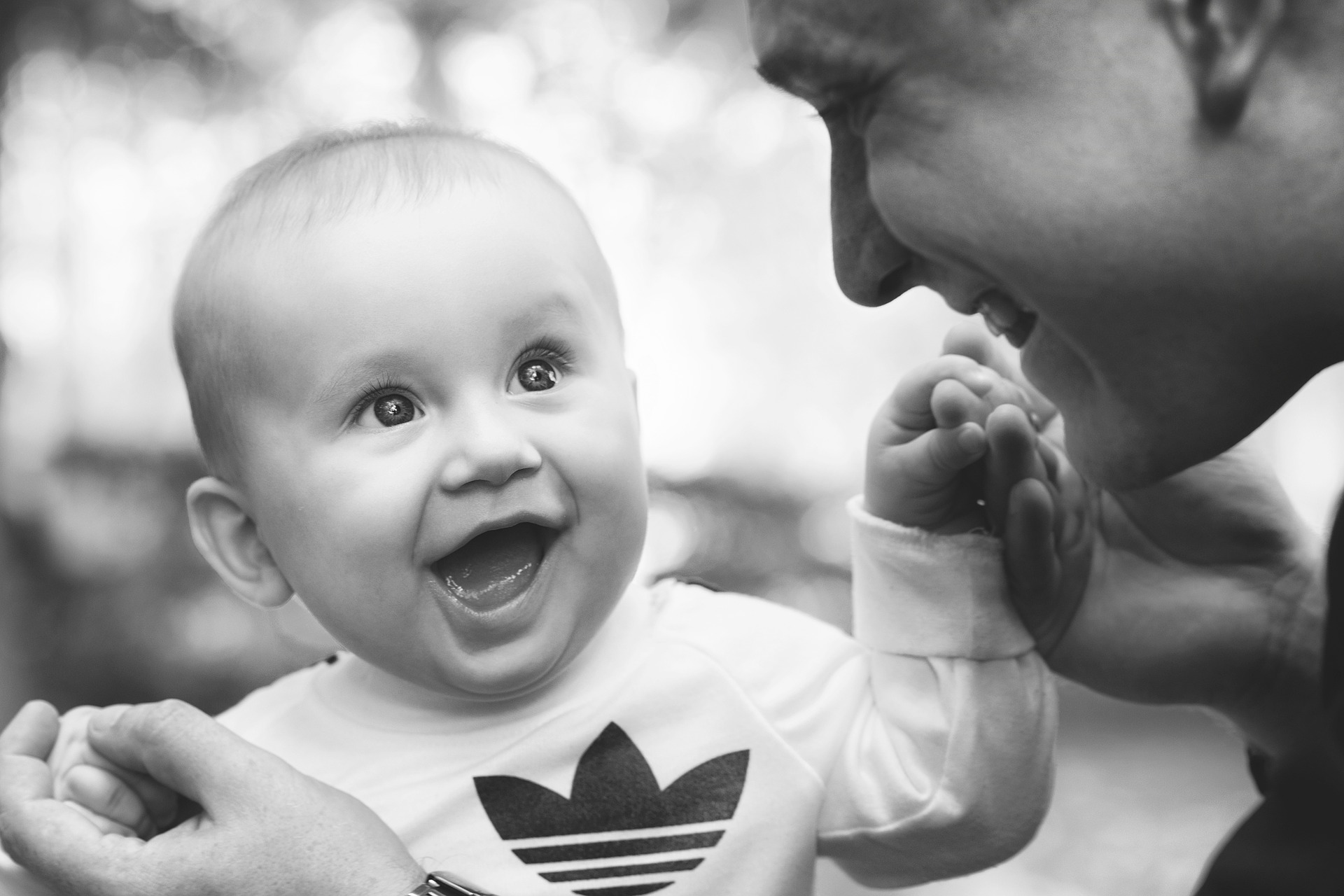
Now, bodies, being all multifaceted and stuff with their opposable thumbs, can communicate a lot of different things. For example the face can convey that we are happy:
Photo Credit: Pixabay
It can also convey how quickly our life is spiraling downwards:
Photo Credit: Pixabay
So the same parts of the body (here the face) in similar arrangements (mouth open) can nevertheless tell us very different things, based on nuances and context. Likewise, the physical form of the person convey different things. Let’s say this now: the female form is good. It is not intrinsically lustful or sexual or erotic in a way that the male form is not. If you cannot look at a Greek marble nude without lust in your heart, I will be so bold as to say the issue is not that women exist. However, that is not to deny that the human body cannot have a sexual or economic or political or educative dimension, among the many ways it communicates the person who is embodied within its limits.
So the female form, as the male form, can communicate the person according to two different modes of material existing, which I will borrow from Roger Scruton: the person’s existing body or the person existing as embodied. This can also be called the difference between being naked and being nude. A naked person is one who has, to follow Scruton, “disappeared behind his own flesh, which is no longer the person himself but an object, an instrument…the eclipse of the soul by the body.” A nude person, however, is the form of a person as embodied, “flesh animated by the individual soul, and expressing individuality in all its parts.”
…

Read the rest at Mountain Catholic!
Love and Marriage and Other Responsibilities
Previous Post

July 27, 2016
Father Jacques Hamel's Day of Triumph
Next Post

August 1, 2016 Stories that Shape Us: Remembering Our Past and Our Communities
Browse Our Archives
Select a Category Body Problems Fatherhood Feast Day Friendship Grace Building on Nature Holy Days and Liturgy Living Life in Christ Love and Marriage and Other Responsibilities Mary Motherhood Philosophic Wanderings Podcasts Reality of Things Saint of the Day The Beautiful The Good The Habit of Being In The Polis The Reality Superelevating Things The True Transcendentals Transcendentals Trinity Uncategorized Virtue
Select a Month December 2018 June 2017 May 2017 April 2017 March 2017 February 2017 January 2017 December 2016 September 2016 August 2016 July 2016 June 2016 May 2016
Follow Us!
TAKE THE
Religious Wisdom Quiz
Which Christian principle is in "Do unto others as you would have them do unto you"?
Select your answer to see how you score.
Keep to yourself The Golden Rule Never forgive Always judge
Related posts from Eating Peaches
Is Work Valuable?: A Question for the Feast...

Pastoral Memes: A Mountain Catholic Podcast with Bishop...
St. Joseph, Masculinity, and Embracing Impositions

Please Stop Panicking About NFP: The Internet Makes...
TRENDING AT PATHEOS Catholic

Creation, Preservation, and Teleology in Catholic Theology
As I write this, it is very early Monday morning. Like millions...

The Parable Of The Sower And The Word...
One of Christ’s most famous parables is that of the sower who...

Rejecting Doom: Christian Hope And Human Action
Christianity is a religion of hope. We are to have hope and...

Why I Choose the Eucharist Over the Sermon
Choose the Eucharist, Not the Sermon What are we supposed to get...

5 Design Elements Found in Spiritually Rooted Homes
Putting Spirituality Into Home Decor Our homes are more than our living...

Credo: A Story of God Told with the...
About 10 years ago, I began to imagine a personal "Credo" that...
view all Catholic blogs
Ad-Free & Subscriber Log-In Subscription Support
- About Us
- 2026 Calendar
- Videos
- Podcasts
- Library of World Religions
- Faith In Media Tracker
- Advertise With Us
- Write for Us
- Privacy Policy
- Terms of Service
- Do Not Sell My Data
- Contact Us
- Radiant Digital
- Manage Newsletter Subscriptions
- Unsubscribe From Notifications
- Sitemap
Copyright 2008-2026, Patheos. All rights reserved.
Subscription Support Ad-Free & Subscriber Log-In
Follow Patheos