
BuddhistCatholicContemplativeEvangelicalGeneral ChristianHinduJewishLatter-day SaintMuslimNew VisionsProgressive Christian
Beliefs
- Buddhist
- Catholic
- Contemplative
- Evangelical
- General Christian
- Hindu
- Jewish
- Latter-day Saint
- More Voices
- Muslim
- New Visions
- Pagan
- Progressive Christian
Topics
- Religion News
- Food and Religion
- Sports and Religion
- Religious Art
- Religious Music and Entertainment
- Religious Events
- History and Religion
- Style and Religion
- Politics and Religion
- Women in Religion
- Recreation Outdoors and Religion
- Business Finance and Religion
- Careers Workplace and Religion
- Education and Religion
- Family Parenting and Religion
- Health Fitness and Religion
- Home and Religion
- Relationships and Religion
- Technology and Religion
- Travel and Religion
Columnists
- Buddhist Columnists
- Business Finance and Religion Columnists
- Careers Workplace and Religion Columnists
- Catholic Columnists
- Contemplative Columnists
- Education and Religion Columnists
- Evangelists Columnists
- Family Parenting and Religion Columnists
- General Christian Columnists
- Health Fitness and Religion Columnists
- Hindu Columnists
- History and Religion Columnists
- Home and Religion Columnists
- Jewish Columnists
- More Voices Columnists
- Latter Day Columnists
- Muslim Columnists
- New Visions Columnists
- Nonreligious Columnists
- Pagan Columnists
- Politics and Religion Columnists
- Progressive Columnists
- Recreation Outdoors and Religion Columnists
- Relationships and Religion Columnists
- Religion News Columnists
- Religious Art Columnists
- Religious Events Columnists
- Religious Music and Entertainment Columnists
- Sports and Religion Columnists
- Style and Religion Columnists
- Technology and Religion Columnists
- Travel and Religion Columnists
- Women in Religion Columnists
Resource Library
- 2026 Calendar
- Library of World Religions
- The 100 Most Holy Places on Earth
- Patheos Answers
- Podcasts
- Videos
- Faith Leaders Database
- Anglican Episcopalian
- Bahai
- Baptist
- Buddhism
- Christianity
- Confucianism
- Eastern Orthodoxy
- Hinduism
- Holiness and Pentecostal
- ISKCON
- Islam
- Judaism
- Lutheran
- Methodist
- The Church of Jesus Christ of Latter-day Saints
- New Age
- Paganism
- Presbytarian and Reformed
- Protestantism
- Religion Behind the Scenes
- Roman Catholic
- Scientology
- Shia Islam
- Sikhism
- Sufism
- Sunni Islam
- Taoism
- Zen
- See all religions
Research Tools
 Ad-Free & Subscriber Log-In Subscription Support
Ad-Free & Subscriber Log-In Subscription Support
Follow Patheos 

- Trending:
- Forgiveness
- |
- Marriage
- |
- Consciousness
- |
- Death Penalty
- |
- Election
- |
- Halloween
 East Meets West Social Worker
- Home
- Evangelical
- Family, Parenting and Religion
- 7 Step Guide for Christians to Overcome Shame and Find Freedom
7 Step Guide for Christians to Overcome Shame and Find Freedom
Last updated on: November 15, 2018 at 7:19 pm by Kim Parker, LCSW
7 Step Guide for Christians to Overcome Shame and Find Freedom 2018-11-15T19:19:05+00:00 Kim Parker, LCSW
Patheos Explore the world's faith through different perspectives on religion and spirituality! Patheos has the views of the prevalent religions and spiritualities of the world.
Shame is a huge topic that cuts to the core of our common humanity. Shame keeps us in bondage to sin and self defeat. As famous TedTalk author and research professor, Brene Brown puts it, it’s a vulnerable emotion that must be dealt with openly, honestly, and with sensitivity.
According to Dr. Brown, shame can be identified as feeling bad for what or who I am, while guilt is feeling bad for what I’ve done. Since shame has more to do with identity than behavior, the steps to find freedom and overcome shame has everything to do with understanding our identity as humans.
Shame attacks every people group, including Christians. Nevertheless, it is the biblical framework that ultimately frees people from bondage because it addresses this problem at the root level.
For this short blog, I will tackle how Christians can overcome shame.
- Understand the main characters: God in three forms (the Father, Jesus the Son, and the Holy Spirit), created humankind in His image. Male and female God created them. There are other spirits on this Earth (Satan and his minions of fallen angels) versus the Holy Spirit that believers can be indwelled with.
- Understand the biblical narrative: God created humans to dwell on this Earth. But humans were created with free will–the ability to make choices including to accept or reject God. Sin entered the world through deception of the serpent (Satan, a fallen angel). God allowed Satan to tempt this world. God plans to restore those who put their trust in Him, but to a different world–one that is free of sin, disease, and corruption. Believers (those who accept Christ as Lord and Savior and therefore indwelled with the Holy Spirit) are not of this world.
- Identify the real struggle: The deceiver will tempt us, isolate us, instill fear in us, give us half truths, accuse us, and try to turn us against one another and away from the truth of God’s love. According to Ephesians 6:12, these are all spiritual battles, not of flesh and blood (or people or political parties).
- Put on the armor of God: Christians are equipped with the biblical language and premise. We can fight evil (ungodly spirits) with the Holy Spirit. We have the keen understanding that we’ve been bought with a price–the blood of the unblemished Lamb. While we were still sinners, Christ died for us, God’s created beings. Therefore, let no one boast in self righteousness. Romans 8:1 tells us that there is no condemnation for a redeemed child of the Most High King. The armor of God (Ephesians 6: 13-17) that can be utilized by believers include the belt of truth, breastplate of righteousness, feet that carry the gospel of peace, shield of faith, helmet of salvation, and sword of the Spirit (the word of God).
- Be grateful for Christ, stay submitted for your protection. These are action words and choices that each believer can make no matter the circumstance. We will unlikely behave in guilty ways when we are constantly seeking and submitting to the Judge. We may make mistakes that wound others severely due to our shortsightedness, but our human learning curve is not a cause for shame according to the Bible. Furthermore, when we adopt a grateful posture and see how blessed we are to be called children of God, it’s difficult to be also disgruntled or entitled. John Piper gave a wonderful sermon on what it means to be bought with a price and to stay submitted to God’s righteousness.
- Receive forgiveness of sin: We’ve been unconditionally forgiven by the ultimate Judge. Whether or not the offended party forgives us, we can let go and trust God. When we’ve been falsely accused by someone, rather than react in defensiveness, anger, or blame, we can extend grace. This is the grace that is based on the deep understanding that while we were still sinners, Christ died on the cross for us. And the longer we walk with God, the more we realize how much the work on the cross was needed for us. We feel God’s acceptance and forgiveness. Kim Jaggers writes about how the cross is enough for our most shameful sins.
- Seek reconciliation with whom we wronged: Reconciliation is not a head matter but a heart matter. It is not about agreement or approval, but connection. We can put our self righteousness, pride, and hurt aside to care for another image bearer despite our differences. We are not in denial. We are not justifying our sin with someone else’s sins. We are not seeking man’s approval. We let go of the need to be right or to be affirmed. It’s hard to blame others when we understand God’s character and goodness transforming the people around us. It’s even harder to feel shame when we see God working in our own life.
Those who are without the biblical worldview can still be helped to overcome shame. In my counseling office, I sometimes meet nonChristians–wonderful, loving people of other faiths or no faith in a higher power. I still lean on my identity as the redeemed, forgiven child of the most High God when I provide empathy, validation, and encouragement to these folks. Based on the understanding that God loves all his children, I can help my clients find forgiveness for themselves. Based on the truth that we are all fallen human beings prone to sin, I can normalize my client’s struggles, validate their feelings, and encourage each person to pick up and move on just as I have moved on.
After all, Psalm 103:11-12 reminds us that “for as high as the heavens are above the earth, so great is his steadfast love toward those who fear him; as far as the east is from the west, so far does he remove our transgressions from us.”
In my book, East Meets West: Parenting from the Best of Both Worlds, I ponder the question, can the East truly meet the West? Without the meaning of the cross, can our differences with each other ever be bridged?
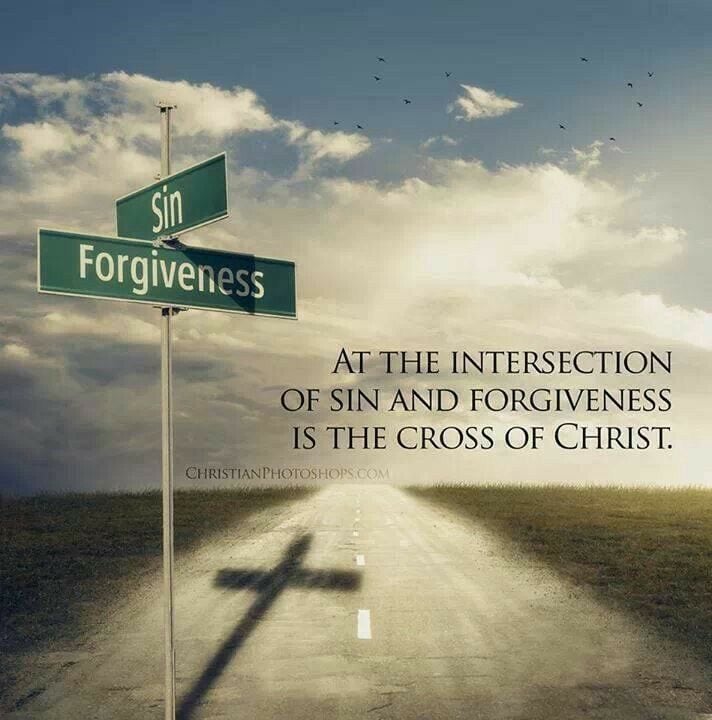
Sin brings shame, forgiveness frees us
Previous Post

October 23, 2018
Parenting: A Journey of Patience and Perseverance
Next Post

December 29, 2018 Holiday Blues Are Common Post Family Gatherings
Browse Our Archives
Select a Category Asian Americans Asians Black Lives Matter Blogging bullying Christianity complementariansim culture Diversity/Multiculturalism Feminism Good Friday Healthy Relationships immigration love marriage Mental health Moms Parenting Race refugees Religion socialjustice spirituality Suicide Uncategorized
Select a Month May 2020 April 2020 January 2020 July 2019 May 2019 April 2019 March 2019 February 2019 December 2018 November 2018 October 2018 September 2018 August 2018 July 2018 June 2018 May 2018 April 2018 March 2018 February 2018 January 2018 December 2017 November 2017 October 2017 September 2017 August 2017 July 2017 June 2017 May 2017 April 2017 March 2017 February 2017 January 2017 December 2016 November 2016 October 2016 September 2016 August 2016 July 2016 June 2016 May 2016 April 2016 March 2016 February 2016 January 2016
Follow Us!
TAKE THE
Religious Wisdom Quiz
True or False: Believers are instructed to test everything and hold fast to what is good.
Select your answer to see how you score.
FALSE TRUE
Related posts from East Meets West Social Worker

8 Simple Steps for Crisis Parenting: Parents as...
Understanding Your Power and Privilege and Taking Responsibility

7 Consequences of Retaining Anger: And How You...

Law and Order Allows America to Continue Welcoming...
TRENDING AT PATHEOS Evangelical

The REST of Your Life: A Creative Wrestles...
This week I had a conversation with a good friend from church....

How the author of the world's best hymn...
I've been working with John Newton for a while now. This makes...

Long before this Lectio Divina, Psalm 130 - the song - started...

What About the Trees? Another Living Parable
After I finished writing the last article about falling leaves as a...

Why Classical Education Is a Conversation, Not a...
Come and Read: Joy in Classical Education When I was a little...

Cornell University has received a great deal of negative publicity and intense...
view all Evangelical blogs
Ad-Free & Subscriber Log-In Subscription Support
- About Us
- 2026 Calendar
- Videos
- Podcasts
- Library of World Religions
- Faith In Media Tracker
- Advertise With Us
- Write for Us
- Privacy Policy
- Terms of Service
- Do Not Sell My Data
- Contact Us
- Radiant Digital
- Manage Newsletter Subscriptions
- Unsubscribe From Notifications
- Sitemap
Copyright 2008-2026, Patheos. All rights reserved.
Subscription Support Ad-Free & Subscriber Log-In
Follow Patheos