
BuddhistCatholicContemplativeEvangelicalGeneral ChristianHinduJewishLatter-day SaintMuslimNew VisionsProgressive Christian
Beliefs
- Buddhist
- Catholic
- Contemplative
- Evangelical
- General Christian
- Hindu
- Jewish
- Latter-day Saint
- More Voices
- Muslim
- New Visions
- Pagan
- Progressive Christian
Topics
- Religion News
- Food and Religion
- Sports and Religion
- Religious Art
- Religious Music and Entertainment
- Religious Events
- History and Religion
- Style and Religion
- Politics and Religion
- Women in Religion
- Recreation Outdoors and Religion
- Business Finance and Religion
- Careers Workplace and Religion
- Education and Religion
- Family Parenting and Religion
- Health Fitness and Religion
- Home and Religion
- Relationships and Religion
- Technology and Religion
- Travel and Religion
Columnists
- Buddhist Columnists
- Business Finance and Religion Columnists
- Careers Workplace and Religion Columnists
- Catholic Columnists
- Contemplative Columnists
- Education and Religion Columnists
- Evangelists Columnists
- Family Parenting and Religion Columnists
- General Christian Columnists
- Health Fitness and Religion Columnists
- Hindu Columnists
- History and Religion Columnists
- Home and Religion Columnists
- Jewish Columnists
- More Voices Columnists
- Latter Day Columnists
- Muslim Columnists
- New Visions Columnists
- Nonreligious Columnists
- Pagan Columnists
- Politics and Religion Columnists
- Progressive Columnists
- Recreation Outdoors and Religion Columnists
- Relationships and Religion Columnists
- Religion News Columnists
- Religious Art Columnists
- Religious Events Columnists
- Religious Music and Entertainment Columnists
- Sports and Religion Columnists
- Style and Religion Columnists
- Technology and Religion Columnists
- Travel and Religion Columnists
- Women in Religion Columnists
Resource Library
- 2026 Calendar
- Library of World Religions
- The 100 Most Holy Places on Earth
- Patheos Answers
- Podcasts
- Videos
- Faith Leaders Database
- Anglican Episcopalian
- Bahai
- Baptist
- Buddhism
- Christianity
- Confucianism
- Eastern Orthodoxy
- Hinduism
- Holiness and Pentecostal
- ISKCON
- Islam
- Judaism
- Lutheran
- Methodist
- The Church of Jesus Christ of Latter-day Saints
- New Age
- Paganism
- Presbytarian and Reformed
- Protestantism
- Religion Behind the Scenes
- Roman Catholic
- Scientology
- Shia Islam
- Sikhism
- Sufism
- Sunni Islam
- Taoism
- Zen
- See all religions
Research Tools
 Ad-Free & Subscriber Log-In Subscription Support
Ad-Free & Subscriber Log-In Subscription Support
Follow Patheos 

- Trending:
- Forgiveness
- |
- Marriage
- |
- Consciousness
- |
- Death Penalty
- |
- Election
- |
- Halloween
 East Meets West Social Worker
- Home
- Evangelical
- Family, Parenting and Religion
- Bully-Proof Your Kids, part 1/4
Bully-Proof Your Kids, part 1/4
Last updated on: January 12, 2018 at 2:25 pm by Kim Parker, LCSW
Bully-Proof Your Kids, part 1/4 2018-01-12T14:25:47+00:00 Kim Parker, LCSW
Patheos Explore the world's faith through different perspectives on religion and spirituality! Patheos has the views of the prevalent religions and spiritualities of the world.
Part 1–Fortify their self esteem.
Part 2–Make home a safe place to thrive, not just survive.
Part 3–Teach them emotional intelligence/emotion regulation.
Part 4–Help them figure out the path of least resistance.
All these parts are related and intertwined, to be discussed in detail weekly for the next 4 weeks.
Bullying is a big problem in American society today. Bullying occurs at schools, in the community, and on the internet. Each parent would be well served to learn how to equip their children with skills and strength to deal with this ever prevalent menace. As a counselor in private practice, I meet dozens of families each year with whom I address bully-proof techniques with parent and child. A big deterrent of bullying is a child’s strong self esteem.
To begin, how does a parent go about fortifying children’s self esteem? The easy answer is to see them as people who are worthy of love and respect at all times. The hard part is to treat them with love and respect at all times. That means that when our kids have made major mistakes, lied, cheated, hit someone, gotten another conduct note from school, or whatever upsetting behavior they may have engaged in, we must keep our cool. We must refrain from seeing them as disasters, or hopeless cases, or devil worshippers, or even rebels deserving of punishment. Instead, they are little people who need our gentle but firm guidance. They have tender feelings and insightful thoughts that can put a grown adult to shame.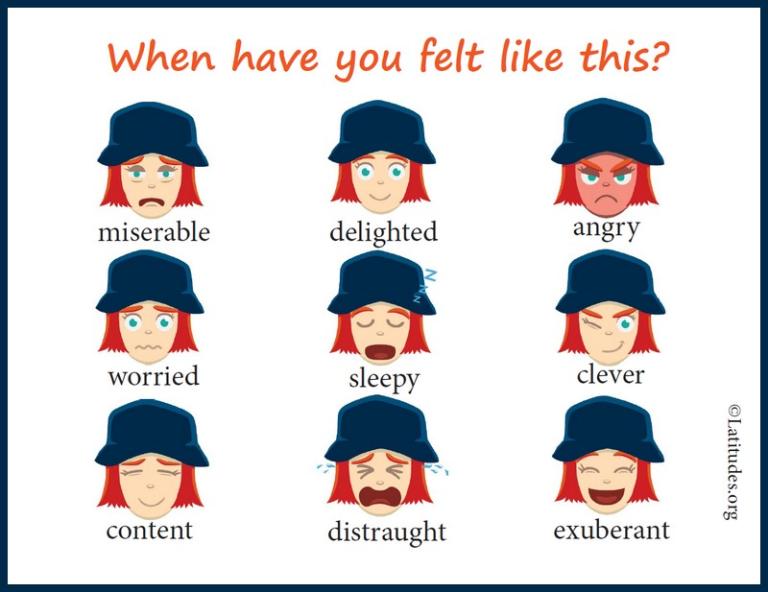
Whenever we teach or discipine, it is best done with tender loving care. A child’s self image is fragile, much like her mother’s sense of security or her father’s ego. Therefore, build it up one tender look at a time, one encouraging statement at a time, one reassuring tone of voice at a time. A child’s self esteem reflects his caregiver’s self esteem. If the parent is struggling with self defeating thoughts, self deprecating statements, poor impulse control, or low frustration tolerance, it is best to engage in some self care for the sake of your young wards. If needed, get professional or pastoral help.
A strong mom is a happy, confident mom who expects that her child will give her teaching moments. She takes these teaching moments in strides, not allowing momentary frustrations or setbacks to change her core. She does not fall apart when her children’s behavior “needs improvement.” She does not expect her son or daughter to be perfect for her to have a peace filled day. Her inner strength rubs off on her children.
Teaching with love means that a father’s love for his daughter is unconditional of her performance. He may be disappointed or sad or even aggrieved with her misbehaviors, but he does not withdraw his love from her. Gary Chapman’s book, 5 Love Languages of Children, helps parents to learn their child’s particular love language so that they can relate to the child more effectively in a way in which sons and daughters feel loved. A loved child is a child with strong ego strength.
Teaching with respect means that a parent refrains from belittling the child. We refrain from using sarcasm, threats, or severe age-inappropriate consequences for their misconducts. When we remember that their poor conduct is a reflection of their age, self esteem, maturity, and relationship quality, we have a lot to focus on regarding parenting. It is not productive for parents to react to children with anger or self defeat, even though these are natural human reactions to unfortunate events in life.
Trust me, I’ve had to learn all of this the hard way. I’ve lost my cool plenty of embarrassing times. I’ve been disrespectful and unloving to my kids more times than I care to admit. If I can acknowledge and recover my fumbles in the home, so can you. I’m building up my kids’ self esteem one humble step at a time. In my book, East Meets West: Parenting from the Best of Both Worlds, you will learn more about how the one-platitude-fits-all shortcut does not work and what a more effective approach entails.
It seems that my husband and I have done such a good job fortifying our children’s self esteem that now theirs are so strong that we’re looking for ways to dial it back a bit (!). No kids will mess with strong boys who know their worth.
Previous Post

February 10, 2017
Black History Month
Next Post

February 24, 2017 Bully-Proof Your Kid, part 2/4
Browse Our Archives
Select a Category Asian Americans Asians Black Lives Matter Blogging bullying Christianity complementariansim culture Diversity/Multiculturalism Feminism Good Friday Healthy Relationships immigration love marriage Mental health Moms Parenting Race refugees Religion socialjustice spirituality Suicide Uncategorized
Select a Month May 2020 April 2020 January 2020 July 2019 May 2019 April 2019 March 2019 February 2019 December 2018 November 2018 October 2018 September 2018 August 2018 July 2018 June 2018 May 2018 April 2018 March 2018 February 2018 January 2018 December 2017 November 2017 October 2017 September 2017 August 2017 July 2017 June 2017 May 2017 April 2017 March 2017 February 2017 January 2017 December 2016 November 2016 October 2016 September 2016 August 2016 July 2016 June 2016 May 2016 April 2016 March 2016 February 2016 January 2016
Follow Us!
TAKE THE
Religious Wisdom Quiz
What animal is commonly associated with Jesus?
Select your answer to see how you score.
Fish Donkey Lion Lamb
Related posts from East Meets West Social Worker

8 Simple Steps for Crisis Parenting: Parents as...
Understanding Your Power and Privilege and Taking Responsibility
Law and Order Allows America to Continue Welcoming...

An Ode to the Proverbs 31 Moms
TRENDING AT PATHEOS Evangelical

The REST of Your Life: A Creative Wrestles...
This week I had a conversation with a good friend from church....

How the author of the world's best hymn...
I've been working with John Newton for a while now. This makes...

Long before this Lectio Divina, Psalm 130 - the song - started...

What About the Trees? Another Living Parable
After I finished writing the last article about falling leaves as a...

Why Classical Education Is a Conversation, Not a...
Come and Read: Joy in Classical Education When I was a little...

Cornell University has received a great deal of negative publicity and intense...
view all Evangelical blogs
Ad-Free & Subscriber Log-In Subscription Support
- About Us
- 2026 Calendar
- Videos
- Podcasts
- Library of World Religions
- Faith In Media Tracker
- Advertise With Us
- Write for Us
- Privacy Policy
- Terms of Service
- Do Not Sell My Data
- Contact Us
- Radiant Digital
- Manage Newsletter Subscriptions
- Unsubscribe From Notifications
- Sitemap
Copyright 2008-2026, Patheos. All rights reserved.
Subscription Support Ad-Free & Subscriber Log-In
Follow Patheos