
BuddhistCatholicContemplativeEvangelicalGeneral ChristianHinduJewishLatter-day SaintMuslimNew VisionsProgressive Christian
Beliefs
- Buddhist
- Catholic
- Contemplative
- Evangelical
- General Christian
- Hindu
- Jewish
- Latter-day Saint
- More Voices
- Muslim
- New Visions
- Pagan
- Progressive Christian
Topics
- Religion News
- Food and Religion
- Sports and Religion
- Religious Art
- Religious Music and Entertainment
- Religious Events
- History and Religion
- Style and Religion
- Politics and Religion
- Women in Religion
- Recreation Outdoors and Religion
- Business Finance and Religion
- Careers Workplace and Religion
- Education and Religion
- Family Parenting and Religion
- Health Fitness and Religion
- Home and Religion
- Relationships and Religion
- Technology and Religion
- Travel and Religion
Columnists
- Buddhist Columnists
- Business Finance and Religion Columnists
- Careers Workplace and Religion Columnists
- Catholic Columnists
- Contemplative Columnists
- Education and Religion Columnists
- Evangelists Columnists
- Family Parenting and Religion Columnists
- General Christian Columnists
- Health Fitness and Religion Columnists
- Hindu Columnists
- History and Religion Columnists
- Home and Religion Columnists
- Jewish Columnists
- More Voices Columnists
- Latter Day Columnists
- Muslim Columnists
- New Visions Columnists
- Nonreligious Columnists
- Pagan Columnists
- Politics and Religion Columnists
- Progressive Columnists
- Recreation Outdoors and Religion Columnists
- Relationships and Religion Columnists
- Religion News Columnists
- Religious Art Columnists
- Religious Events Columnists
- Religious Music and Entertainment Columnists
- Sports and Religion Columnists
- Style and Religion Columnists
- Technology and Religion Columnists
- Travel and Religion Columnists
- Women in Religion Columnists
Resource Library
- 2026 Calendar
- Library of World Religions
- The 100 Most Holy Places on Earth
- Patheos Answers
- Podcasts
- Videos
- Faith Leaders Database
- Anglican Episcopalian
- Bahai
- Baptist
- Buddhism
- Christianity
- Confucianism
- Eastern Orthodoxy
- Hinduism
- Holiness and Pentecostal
- ISKCON
- Islam
- Judaism
- Lutheran
- Methodist
- The Church of Jesus Christ of Latter-day Saints
- New Age
- Paganism
- Presbytarian and Reformed
- Protestantism
- Religion Behind the Scenes
- Roman Catholic
- Scientology
- Shia Islam
- Sikhism
- Sufism
- Sunni Islam
- Taoism
- Zen
- See all religions
Research Tools
 Ad-Free & Subscriber Log-In Subscription Support
Ad-Free & Subscriber Log-In Subscription Support
Follow Patheos 

- Trending:
- Forgiveness
- |
- Marriage
- |
- Consciousness
- |
- Death Penalty
- |
- Election
- |
- Halloween
 Drishtikone
- Home
- Hindu
- 5 days of Diwali
5 days of Diwali
Last updated on: October 29, 2008 at 12:22 pm by Desh Kapoor
5 days of Diwali 2008-10-29T12:22:59-05:00 Desh Kapoor
Patheos Explore the world's faith through different perspectives on religion and spirituality! Patheos has the views of the prevalent religions and spiritualities of the world.
Diwali’s celebrations start two days before the day we all do Lakshmi Pujan and go on two days after that as well. In total, throughout India 5 days are celebrated as part of the larger festivities. What are these 5 days? They have a regional flavor as well. Let’s take a look at them. I have listed the different flavors under the more popular name.
1st day: DHANTERAS
Dhanatrayodashi | Yamadeepdaan | Dhan Teyras | Asweyuja Bahula Thrayodasi / Dhantheran
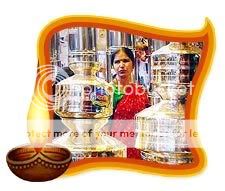 Dhanteras is the first day of the five-day Diwali Festival. Dhanteras Festival, also known as “Dhantrayodashi” or “Dhanwantari Triodasi”, falls on the auspicious thirteenth lunar day of Krishna Paksha in the Hindu month of Ashwin (October/November).
In the word Dhanteras, “Dhan” stands for wealth. On Dhanteras, the “Owl” form of the Goddess Laxmi is worshiped to provide prosperity and well being. Dhanteras holds special significance for the business community due to customary purchases of precious metals on this day
A very interesting story about this day is of the sixteen year old son of King Hima. As per his horoscope he was doomed to die by a snake-bite on the fourth day of his marriage. On that particular fourth day of his marriage his young wife did not allow him to sleep. She laid all the ornaments and lots of gold and silver coins in a big heap at the entrance of her husband’s boudoir and lighted innumerable lamps all over the place. And she went on telling stories and singing songs. When Yam, the god of Death arrived there in the guise of a Serpent his eyes got blinded by that dazzle of those brilliant lights and he could not enter the Prince’s chamber. So he climbed on top of the heap of the ornaments and coins and sat there whole night listening to the melodious songs. In the morning he quietly went away. Thus the young wife saved her husband from the clutches of death. Since then this day of Dhanteras came to be known as the day of “YAMADEEPDAAN” and lamps are kept burning throughout the night in reverential adoration to Yam, the god of Death.
2nd DAY: NARKA-CHATURDASHI
Choti Diwali | Narkachaturdashi | Roop Chaturdashi | Kali Choudas | Mahanisha / Kali Puja | Divvela Panduga / Divili Panduga
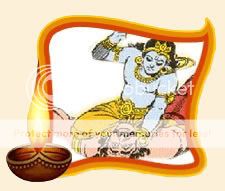 The story goes that the demon king Narakasur ruler of Pragjyotishpur ( a province to the South of Nepal ) after defeating Lord Indra had snatched away the magnificent earrings of Aditi, the Mother Goddess and imprisoned sixteen thousand daughters of the gods and saints in his harem. On the day previous to Narakachaturdashi, Lord Krishna killed the demon and liberated the imprisoned damsels and also recovered those precious earrings of Aditi. As a symbol of that victory Lord Krishna smeared his forehead with the demon king’s blood. Krishna returned home in the very early morning of the Narakachaturdashi day. The womenfolk massaged scented oil to his body and gave him a good bath to wash away the filth from his body. Since then the custom of taking bath before sunrise on this day has become a traditional practice specially in Maharashtra .
Another legend is about King Bali of the nether world mighty power had become a threat to the gods. In order to curb his powers Lord Vishnu in the guise of a Batu Waman- a small boy- visited him and begged him to give him only that much land which he could cover with his three steps. Known for his philanthropy King Bali proudly granted him his wish. That very moment that small boy transformed himself into the all-powerful Lord Vishnu. With his first step Lord Vishnu covered the entire heaven and with the second step the earth and asked Bali where to keep his third step. Bali offered his head. Putting his foot on his head Vishnu pushed him down to the underworld. At the same time for his generosity Lord Vishnu gave him the lamp of knowledge and allowed him to return to earth once a year to light millions of lamps to dispel the darkness and ignorance and spread the radiance of love and wisdom.
3rd DAY: LAKSHMI-PUJA
Laxmi Pujan | Chopda Pujan | Deva Divali | Sukhsuptika | Kaumudi Mahostavam | Badhausar | Balindra Pooja | Karthigai Deepam | Thalai Deepavali | Sharda Pujan | Bandi Chhor Diwas | Diyari
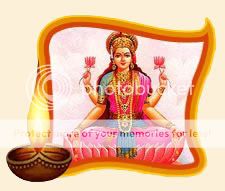 This is the day that is popularly celebrated as Diwali. Accompanied by the exchange of sweets and the explosion of fireworks, the third day of Diwali is the most important and significant day. The name Diwali comes from the Sanskrit word Deepavali.
On this auspicious day Lord Shri Krishna around whom revolved the entire story of our great epic Mahabharat and the philosopher, who preached Karmayog through his Geeta to Arjun on the battlefield of Kurukshetra, discarded his body.
Bhagwan, Mahavir, the Jain prophet also attained “Nirvan” on this day.
Swami Ramtirth, the beloved “Ram Badshah” of millions of Indians was not only born on this day and took “Sanyas” but also took “Samadhi” on this day.
Swami Dayanand Saraswati, founder of Brahma-Samaj with his superb yogic powers greed his soul from his body and mingled with divinity on this auspicious day of Diwali.
We kindle innumerable lights on this day to immortalise the sacred memories of those great men who lived to brighten the lives of millions of their fellow beings.
One very interesting story about this Diwali day is from Kathopanishad of a small boy called Nichiketa who believed that Yam, the god of Death was as black as the dark night of amavasya. But when he met Yam in person he was puzzled seeing Yam’s calm countenance and dignified stature. Yam explained to Nichiketa on this Diwali day of amavasya that by only passing through the darkness of death, man sees the light of highest wisdom and then only his soul can escape from the bondage of his mortal frame to mingle with the Supreme Power without whose will not an at ton moves in the world. And then Nichiketa realised the importance of worldly life and significance of death. Nichiketa’s all doubts were set at rest and he whole-heartedly participated in Diwali celebrations.
4th DAY: PADWA or VARSHAPRATIPADA
Goverdhan puja | Bestavarsh | Gudi Padava | Varsha Pratipada/ Pratipad Padwa | Annakoot | Bali Padyam / Bali Pratipada | Muharat Pujan
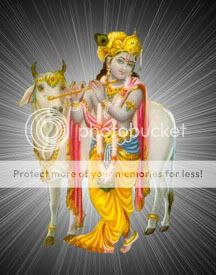 The fourth day of Diwali falls on the first day Karthik Masa of the Indian calendar. It is known as Varshapratipada or Pratipad Padwa. VarshaPratipada that marks the coronation of King Vikramaditya and Vikaram-Samvat was started from this Padwa day. Newly wed females are invited over to their parents place along with their husbands. On this day, businessmen open their account books afresh, every kind of transaction, receipt or payment and business is postponed. On this day, many people try the their luck of gambling. This day is looked upon as the most auspicious day to start any new venture.
In many Hindu homes it is a custom for the wife to put the red tilak on the forehead of her husband, garland him and do his “Aarathi” with a prayer for his long life. In appreciation of all the tender care that the wife showers on him, the husband gives her a costly gift. This Gudi Padwa is symbolic of love and devotion between the wife and husband. On this day newly-married daughters with their husbands are invited for special meals and given presents. In olden days brothers went to fetch their sisters from their in-laws home for this important day.
Govardhan-Puja is also performed in the North on this day. As per Vishnu-Puran the people of Gokul used to celebrate a festival in honour of Lord Indira and worshipped him after the end of every monsoon season but one particular year the young Krishna stopped them from offering prayers to Lord Indra who in terrific anger sent a deluge to submerge Gokul. But Krishna saved his Gokul by lifting up the Govardhan mountain and holding it over the people as an umbrella.
Govardhan is a small hillock in Braj, near Mathura and on this day of Diwali people of Punjab, Haryana, Uttar Pradesh and Bihar build cowdung, hillocks, decorate them with flowers and then worship them.
5th DAY: BHAIYA-DUJ
Bhai Phota | Bhaubeej / Bhav-Bij | Bhai-Tika | Yamadwitheya / Bhathru Dwithiya | Gorehabba | Bhatri Ditya | Bhathru Dwithiya
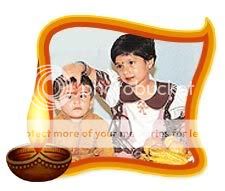 As the legend goes Yamraj, the God of Death visited his sister Yami on this particular day. She put the auspicious tilak on his forehead, garlanded him and led him with special dishes and both of them together ate the sweets, talked and enjoyed themselves to their heart’s content, while parting Yamraj gave her a special gift as a token of his love and in return Yami also gave him a lovely gift which she had made with her own hands. That day Yamraj announced that anyone who receives tilak from his sister will never be thrown… That is why this day of Bhayyaduj is also known by the name of “YAMA-DWITIYA” Since then this day is being observed as a symbol of love between sisters and brothers. It became also imperative for the brother to go to his sister’s house to celebrate Bhaiyaduj.
Previous Post

October 29, 2008
Knowledge is a detriment to change
Next Post
October 30, 2008 Blasts in Assam - same politics . same apathy for citizens
Browse Our Archives
Select a Category Aarti Achievement and Leadership AfPak Africa Annual and Year-end Asia Audio Australia Behavioural Sciences Bhagwad Gita Bhagwad Gita Blogging Blogs Business Business Intelligence Business Strategy Cannes Careers Chanakya China Conservation Corruption Creative Daily Links Desh Poems Development & Welfare Devotional Audio Devotional Songs Drama Earth Economics Education Entertainment Environment Europe Everyday Quotes Featured Articles Featured Songs Finance Flickr Pictures Food Geo-Political Global Warming Globalization Health & Medicine Hinduism Historic History Humour India Indian Culture Indian music Indian Weddings Israel Issues Legal Link Love Minorities Misc Motivation and Personal Development Movie Lists Movie Reviews Movies Mumbai terror attacks Natural Disasters Nature News Outsourcing Pakistan Parenting Personal Philosophy Poetry Politics Poverty Quotes Recipe Regular Blog Post Relationships Religion Religious/Spiritual Audio Sciences Showcase Slideshow South Asia Special Stories Spiritual Quotes Spirituality Sports Stories Strategy Technology Technology Terrorism Travel Uncategorized US Video Women Women_s Rights Worship Yoga
Select a Month December 2015 November 2015 October 2015 September 2015 August 2015 June 2015 April 2015 March 2015 February 2015 September 2014 August 2014 January 2014 November 2013 October 2013 September 2013 August 2013 July 2013 June 2013 April 2013 March 2013 February 2013 January 2013 December 2012 November 2012 October 2012 September 2012 August 2012 July 2012 June 2012 May 2012 April 2012 March 2012 February 2012 January 2012 December 2011 November 2011 October 2011 September 2011 August 2011 July 2011 June 2011 May 2011 April 2011 March 2011 February 2011 January 2011 December 2010 November 2010 October 2010 September 2010 August 2010 July 2010 June 2010 May 2010 April 2010 March 2010 February 2010 January 2010 December 2009 November 2009 October 2009 September 2009 August 2009 July 2009 June 2009 May 2009 April 2009 March 2009 February 2009 January 2009 December 2008 November 2008 October 2008 September 2008 August 2008 July 2008 June 2008 May 2008 April 2008 March 2008 February 2008 January 2008 December 2007 November 2007 October 2007 September 2007 August 2007 July 2007 June 2007 May 2007 April 2007 March 2007 February 2007 January 2007 December 2006 November 2006 October 2006 September 2006 August 2006 July 2006 June 2006 May 2006 April 2006 March 2006 February 2006 January 2006 December 2005 November 2005 October 2005 September 2005 August 2005
Follow Us!
TAKE THE
Religious Wisdom Quiz
What is the "denarius" Jesus used in teaching about taxes?
Select your answer to see how you score.
A loaf of bread A Roman coin A robe A temple offering
Related posts from Drishtikone

Delhi: A City That Connects the Diverse

How the Historically Intolerant forces are now Preaching...

Why does Republicans' Outrage on the Pope Reminds...

Detailed Historical Context to India-Pakistan Kashmir Issue, Recent...
TRENDING AT PATHEOS Hindu

Indian Hindu pilot’s valor in line of duty...
There is a hoary maritime tradition that the captain of the...

Movie on Neem Karoli Baba’s life is a...
Neem Karoli Baba’s life (1900-1973) is associated with miracles he made in...

20 Questions to Ask Before an Interfaith Marriage,...
Four questions every interfaith couple should discuss before marriage: Conversion. Will either...

Avadhānam: The Art of Concentration and Intellectual Mastery
What is Avadhānam? In the summer of 2015, during a three-day Sanskrit...

Jesus in the Dharma: Where Christ Fits in...
Where Does Jesus Fit in Hinduism? That’s a question I get often...

Hormuz: A Shared Hindu and Zoroastrian Heritage
Every evening, somewhere in the world, a newsreader utters the words: "The...
view all Hindu blogs
Ad-Free & Subscriber Log-In Subscription Support
- About Us
- 2026 Calendar
- Videos
- Podcasts
- Library of World Religions
- Faith In Media Tracker
- Advertise With Us
- Write for Us
- Privacy Policy
- Terms of Service
- Do Not Sell My Data
- Contact Us
- Radiant Digital
- Manage Newsletter Subscriptions
- Unsubscribe From Notifications
- Sitemap
Copyright 2008-2026, Patheos. All rights reserved.
Subscription Support Ad-Free & Subscriber Log-In
Follow Patheos