
BuddhistCatholicContemplativeEvangelicalGeneral ChristianHinduJewishLatter-day SaintMuslimNew VisionsProgressive Christian
Beliefs
- Buddhist
- Catholic
- Contemplative
- Evangelical
- General Christian
- Hindu
- Jewish
- Latter-day Saint
- More Voices
- Muslim
- New Visions
- Pagan
- Progressive Christian
Topics
- Religion News
- Food and Religion
- Sports and Religion
- Religious Art
- Religious Music and Entertainment
- Religious Events
- History and Religion
- Style and Religion
- Politics and Religion
- Women in Religion
- Recreation Outdoors and Religion
- Business Finance and Religion
- Careers Workplace and Religion
- Education and Religion
- Family Parenting and Religion
- Health Fitness and Religion
- Home and Religion
- Relationships and Religion
- Technology and Religion
- Travel and Religion
Columnists
- Buddhist Columnists
- Business Finance and Religion Columnists
- Careers Workplace and Religion Columnists
- Catholic Columnists
- Contemplative Columnists
- Education and Religion Columnists
- Evangelists Columnists
- Family Parenting and Religion Columnists
- General Christian Columnists
- Health Fitness and Religion Columnists
- Hindu Columnists
- History and Religion Columnists
- Home and Religion Columnists
- Jewish Columnists
- More Voices Columnists
- Latter Day Columnists
- Muslim Columnists
- New Visions Columnists
- Nonreligious Columnists
- Pagan Columnists
- Politics and Religion Columnists
- Progressive Columnists
- Recreation Outdoors and Religion Columnists
- Relationships and Religion Columnists
- Religion News Columnists
- Religious Art Columnists
- Religious Events Columnists
- Religious Music and Entertainment Columnists
- Sports and Religion Columnists
- Style and Religion Columnists
- Technology and Religion Columnists
- Travel and Religion Columnists
- Women in Religion Columnists
Resource Library
- 2026 Calendar
- Library of World Religions
- The 100 Most Holy Places on Earth
- Patheos Answers
- Podcasts
- Videos
- Faith Leaders Database
- Anglican Episcopalian
- Bahai
- Baptist
- Buddhism
- Christianity
- Confucianism
- Eastern Orthodoxy
- Hinduism
- Holiness and Pentecostal
- ISKCON
- Islam
- Judaism
- Lutheran
- Methodist
- The Church of Jesus Christ of Latter-day Saints
- New Age
- Paganism
- Presbytarian and Reformed
- Protestantism
- Religion Behind the Scenes
- Roman Catholic
- Scientology
- Shia Islam
- Sikhism
- Sufism
- Sunni Islam
- Taoism
- Zen
- See all religions
Research Tools
 Ad-Free & Subscriber Log-In Subscription Support
Ad-Free & Subscriber Log-In Subscription Support
Follow Patheos 

- Trending:
- Forgiveness
- |
- Marriage
- |
- Consciousness
- |
- Death Penalty
- |
- Election
- |
- Halloween
 Double, Toil and Resist
- Home
- Pagan
- Spotting And Stopping Energy Vampires Using Bram Stoker’s ‘Dracula’
Spotting And Stopping Energy Vampires Using Bram Stoker’s ‘Dracula’
Last updated on: December 2, 2019 at 1:57 am by Courtney Weber
Spotting And Stopping Energy Vampires Using Bram Stoker’s ‘Dracula’ 2019-12-02T01:57:25-07:00 Courtney Weber
Patheos Explore the world's faith through different perspectives on religion and spirituality! Patheos has the views of the prevalent religions and spiritualities of the world.
In Pagan circles, a person who seems to suck all the energy, attention, and time of the people close to them is often called an “Energy Vampire.” Most of us have experienced one (or more!). It’s a rather cruel description, but still an apt one. They exhaust the resources of the people they connect to. In Magickal groups, they can do incredible damage. But so-called “Energy Vampires” are rarely bad people. They’re usually injured in some way and are looking for love and acceptance. However, because of their methods in trying to find those things, they can harm the people close to them.
I read Bram Stoker’s Dracula for the first time this October. Setting aside the elements of xenophobia and sexism, I was struck by how Dracula’s interactions with others and the ultimate damage he inflicted mirrored the experiences I’ve had or witnessed with energy vampires. This classic horror novel reads like a guide book for spotting and stopping energy vampires.
1.) Constantly Flattering Subject
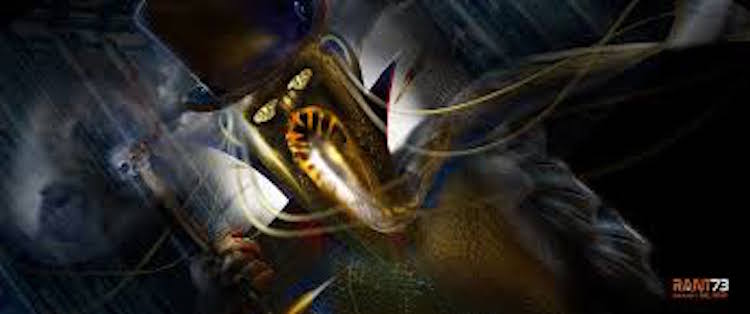
Dracula invites Jonathan into his castle, and the first thing he does is flatter the shit out of Jonathan. He also wines and dines him, skipping no comfort and making it all look effortless. Jonathan feels super special.
An energy vampire will make you feel like you’re the most special person in the world. You find yourself on a pedestal, immediately. You might hear them say, “You are exactly who I’ve been looking for!” or “This is the nicest group of people I’ve ever met!” In a Magickal group, they’re likely to become everyone’s best friend and are suddenly the most helpful, engaged person the group has ever had. How lucky you found them and they you….right???? Remember that No one is the greatest, smartest person in the world. No group is perfect. If someone starts to make you feel like you or your group are perfect, this is the first step of a psychic vampire trying to come into your world.
2.) Absorbing Others
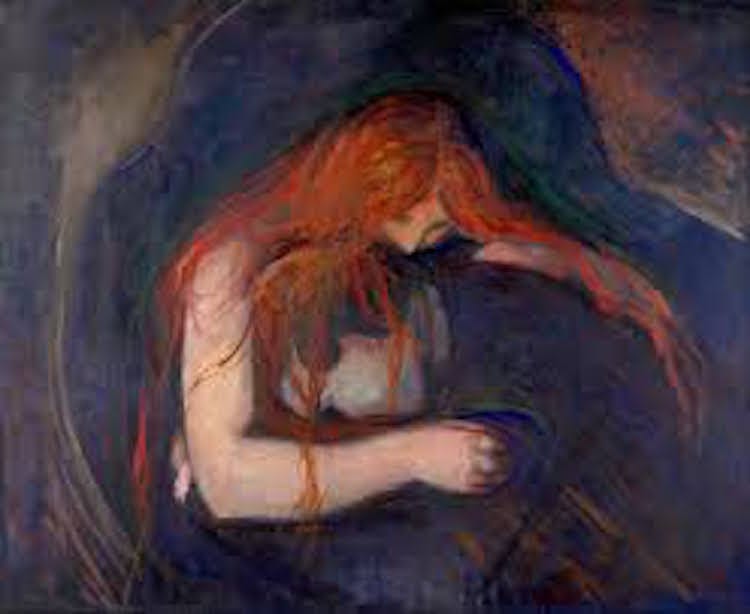
Dracula studies Jonathan, pulling information out of him to better understand his world. We get the sense he is trying to BE him…as though this is part of how he becomes immortal.
Energy vampires are often looking for new identities. Whether they’ve never found themselves or they don’t like themselves very much, they are looking to find traits that can make them feel more secure in who they are. You might hear them say, “Wow! Yes! Me too!” to every thing you say. A perhaps unexpected example would be Andy Bernard on The Office. When he first begins working at Dunder Mifflin, he adheres himself to Michael Scott–agreeing with everything Michael says, liking all of Michael’s likes and disliking his dislikes. Michael soon finds himself hiding in his office to get away from him. When the new group member finds endless things in common with other group members…but doesn’t seem to have any unique interests…they are trying to build their own identity by feeding off of others. It feels like camaraderie, but it will get toxic very quickly.
3.) Cannot See Themselves
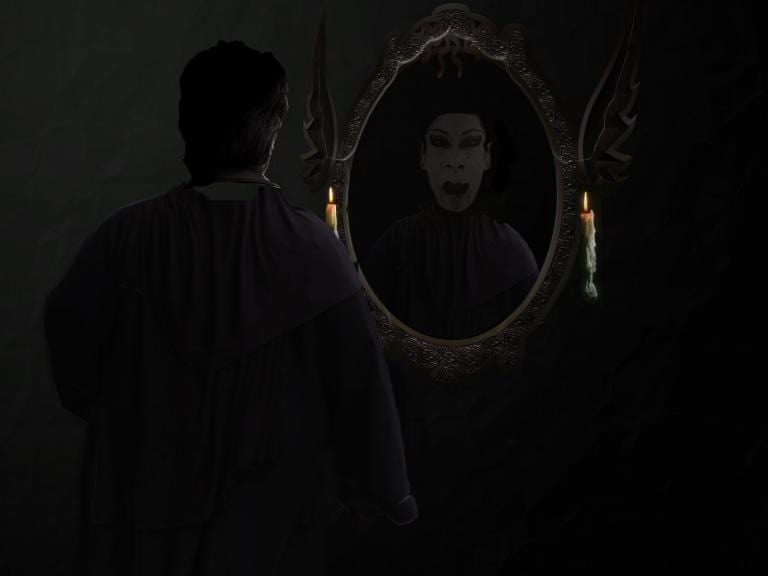
Dracula has no reflection.
In one of the most common depicters of vampires, Dracula is unable to see himself in the mirror. For a energy vampire, this is symbolic. They are rarely aware of their effects on others, and unlikely to take accountability. Calling out an energy vampire, no matter how kindly you try to do it, (“Hey, I love your contributions, but you’re taking up a larger amount of time than others during open sharing…” “I’m so glad you’re here, but we can’t focus on only your issues during every circle as others need space, too”), is likely to be taken more as a personal attack than helpful feedback. Energy vampires are also very likely to accuse others of being energy vampires–particularly if they hurt their feelings or disappointed them in some way. In a group setting, after taking up more time than they should, they’ll take up EXTRA time as they’ll need their feelings soothed for having been called out on taking up too much time.
4.) Traps People

Dracula keeps Jonathan in his castle, and Jonathan is aware of how helpless he is, and how impossible it is for him to leave the situation. However, he is also pampered and cared for, which makes Jonathan wonder if he himself is the problem–shouldn’t he be more grateful for Dracula’s hospitality?
An energy vampire will often cleave to you, making you feel it’s impossible to get away from them. They may ensnare them with their own problems, making you feel like you alone are their sole life support. It becomes harder and harder to separate yourself from the energy vampire. In a group setting, other members may start to believe that the focus of the group should be on helping the energy vampire.
5.) Others avoid them
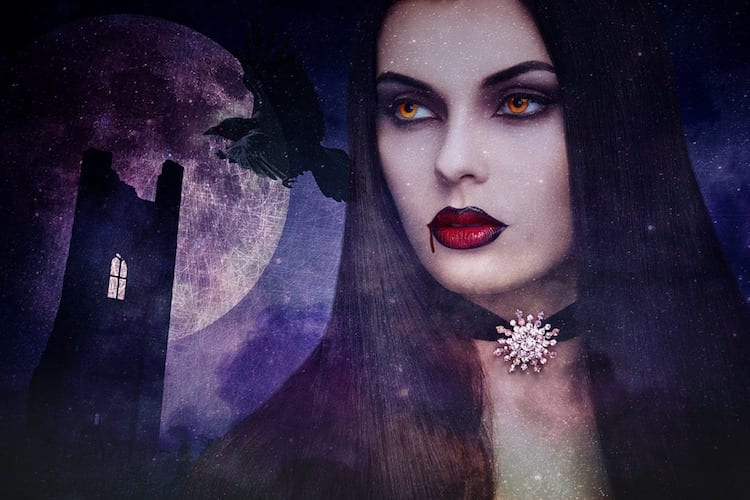
The townspeople try to warn Jonathan against going to Dracula’s castle. Once there, Dracula laments that he cannot connect with any of the “lowly” townspeople, making himself both the hero and the victim of his environment.
Many years ago, I met someone I would define as an energy vampire. Although they were deep into their forties, they said they had recently “fired” all of their friends. I didn’t see it at the time, but that was a red flag. Short of leaving a cult or becoming sober and needing to get rid of all friends still mired in addiction, someone who doesn’t have at least a couple of ride-or-die friends by the time they hit middle age is likely an energy vampire. Sometimes, others who know this person may warn you about them. The trouble is that it can be hard to believe them. They just seem so nice! In a group setting, if the new member doesn’t seem to have any other close people outside of the group, this is a big warning sign.
6.) They disrupt your world, through you…and people don’t notice
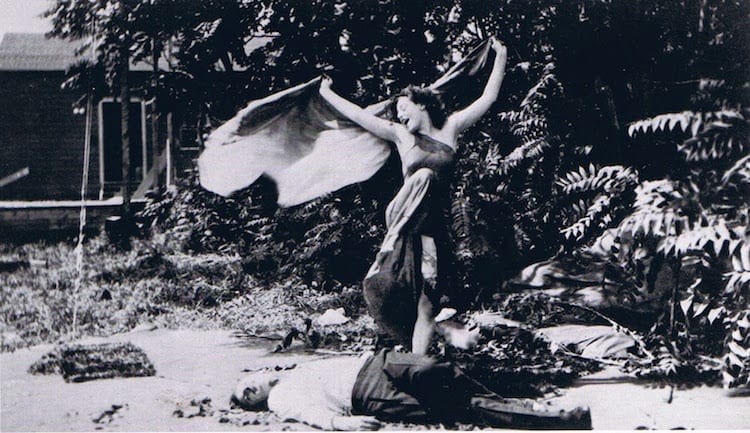
Dracula enters Jonathan’s world by first preying on his girlfriend’s best friend, Lucy. Although he visits Lucy and drains her every night, those closest to Lucy don’t understand the nature of the problem. Lucy’s well-meaning mother even removes the garlic bulbs Van Helsing left in order to protect her.
At this point, you may even realize that this person is problematic. But what do you do? They’ve endeared themselves to your friends and maybe even your colleagues. In a Magickal group, they’ve developed some very intense relationships with other members–which causes stress for those members–but no one seems to notice the source of the problem. At this point, you may have become frustrated with them and tried to take some distance, which the energy vampire may see as a threat. They may start trying to turn your people against you and in some cases, it may work. They’re looking for people whom they may believe are allies, who will continue to affirm their need to be affirmed. This is when relationships suffer damage because of this person’s presence.
7.) They cause all kinds of damage and suck other people dry in the meantime
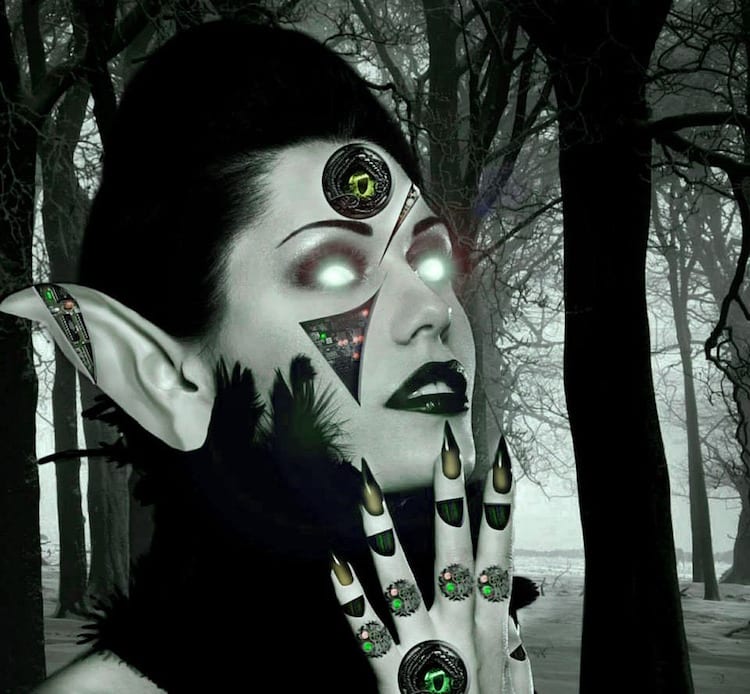
Dracula ultimately kills Lucy and nearly kills Mina, too. It takes a concerted effort on behalf of Van Helsing’s team to end Dracula for good, but not without a few more casualties.
In a Coven or other group situation, an energy vampire will eventually lash out. They might be upset by another person’s actions and start a fight. They might start a fight simply to see who will take their side. If they don’t get the desired effect, they’re likely to cause even more damage and drama. When they finally leave the group (or get expelled), they’ll probably take a few people with them because they’ve won their hearts and sympathies. If you asked them to leave or didn’t beg them to stay, you’re likely to be the ultimate “bad guy.” It can be very hurtful, but others will most likely see the person for who they are.
Addressing an energy vampire:

- Know the signs. If something feels “off” about a person, something probably is. Energy vampires want to be the perfect person–for you. If they seem “too good to be true,” they probably are.
- Set your boundaries. Check in with yourself about your role as clergy or friend. Don’t be a therapist or a life coach–unless you are a therapist or life coach, and then see them as a client.
- Communicate boundaries clearly, upfront. An energy vampire is likely to go away quickly if they don’t get the energy they’re looking for right away. If someone comes into your life and immediately acts as though they believe you’re the savior they were looking for, be very quick to remind them that you’re not. If this is someone in your Coven or Magickal group, consider directing them to a therapeutic or other resource, but don’t try to be that resource.
- Be compassionate in your distance. Remember that someone who is acting like an energy vampire does so because they are wounded. Don’t bash them or let others criticize them. It’s not your job to fix them, but you don’t have to make it worse for them, either.
- Healing will happen. Give it time. If your group was damaged by an energy vampire, it will heal if given proper time and energy. Groups that weather energy vampires will ultimately be stronger in the future and less likely to suffer another one.
Previous Post

November 22, 2019
Gods, Path, And Magick: You Don't Have To Know
Next Post

December 13, 2019 8 Ways To Invoke Solstice Season Magick
Browse Our Archives
Select a Category Activism Books Brigid Broom Closet Dealing With Non-Witches Goddess New Moon Paganism Psychics Ritual Solstice Spring Tarot The Morrigan Uncategorized Witch Movies Witchcraft Writing
Select a Month September 2020 August 2020 June 2020 May 2020 April 2020 March 2020 February 2020 January 2020 December 2019 November 2019 October 2019 September 2019 August 2019 July 2019 June 2019 May 2019 April 2019 March 2019 February 2019 January 2019 December 2018 November 2018 October 2018 September 2018 August 2018 June 2018 May 2018
Follow Us!
TAKE THE
Religious Wisdom Quiz
What does "Gethsemane" mean?
Select your answer to see how you score.
Garden Spring Oil press Olive tree
Related posts from Double, Toil and Resist

What Magick Supplies Would You Save In A...
How We White People Engage In White Supremacy...And...
TRENDING AT PATHEOS Pagan

I was recently chatting with someone on Instagram. She asked me what...

While there are many people who share their results, the end of...

On July 23, I saw Christopher Nolan's The Odyssey which is Homer’s...

As I write this two big events have just finished up. One...

Restoring the Watershed of Divine Love
Perhaps cooperation is not something we manufacture through legislation, ideology, or moral...

Many UUs don’t pray because of bad experiences in a previous religion,...
view all Pagan blogs
Ad-Free & Subscriber Log-In Subscription Support
- About Us
- 2026 Calendar
- Videos
- Podcasts
- Library of World Religions
- Faith In Media Tracker
- Advertise With Us
- Write for Us
- Privacy Policy
- Terms of Service
- Do Not Sell My Data
- Contact Us
- Radiant Digital
- Manage Newsletter Subscriptions
- Unsubscribe From Notifications
- Sitemap
Copyright 2008-2026, Patheos. All rights reserved.
Subscription Support Ad-Free & Subscriber Log-In
Follow Patheos