
BuddhistCatholicContemplativeEvangelicalGeneral ChristianHinduJewishLatter-day SaintMuslimNew VisionsProgressive Christian
Beliefs
- Buddhist
- Catholic
- Contemplative
- Evangelical
- General Christian
- Hindu
- Jewish
- Latter-day Saint
- More Voices
- Muslim
- New Visions
- Pagan
- Progressive Christian
Topics
- Religion News
- Food and Religion
- Sports and Religion
- Religious Art
- Religious Music and Entertainment
- Religious Events
- History and Religion
- Style and Religion
- Politics and Religion
- Women in Religion
- Recreation Outdoors and Religion
- Business Finance and Religion
- Careers Workplace and Religion
- Education and Religion
- Family Parenting and Religion
- Health Fitness and Religion
- Home and Religion
- Relationships and Religion
- Technology and Religion
- Travel and Religion
Columnists
- Buddhist Columnists
- Business Finance and Religion Columnists
- Careers Workplace and Religion Columnists
- Catholic Columnists
- Contemplative Columnists
- Education and Religion Columnists
- Evangelists Columnists
- Family Parenting and Religion Columnists
- General Christian Columnists
- Health Fitness and Religion Columnists
- Hindu Columnists
- History and Religion Columnists
- Home and Religion Columnists
- Jewish Columnists
- More Voices Columnists
- Latter Day Columnists
- Muslim Columnists
- New Visions Columnists
- Nonreligious Columnists
- Pagan Columnists
- Politics and Religion Columnists
- Progressive Columnists
- Recreation Outdoors and Religion Columnists
- Relationships and Religion Columnists
- Religion News Columnists
- Religious Art Columnists
- Religious Events Columnists
- Religious Music and Entertainment Columnists
- Sports and Religion Columnists
- Style and Religion Columnists
- Technology and Religion Columnists
- Travel and Religion Columnists
- Women in Religion Columnists
Resource Library
- 2026 Calendar
- Library of World Religions
- The 100 Most Holy Places on Earth
- Patheos Answers
- Podcasts
- Videos
- Faith Leaders Database
- Anglican Episcopalian
- Bahai
- Baptist
- Buddhism
- Christianity
- Confucianism
- Eastern Orthodoxy
- Hinduism
- Holiness and Pentecostal
- ISKCON
- Islam
- Judaism
- Lutheran
- Methodist
- The Church of Jesus Christ of Latter-day Saints
- New Age
- Paganism
- Presbytarian and Reformed
- Protestantism
- Religion Behind the Scenes
- Roman Catholic
- Scientology
- Shia Islam
- Sikhism
- Sufism
- Sunni Islam
- Taoism
- Zen
- See all religions
Research Tools
 Ad-Free & Subscriber Log-In Subscription Support
Follow Patheos 

- Trending:
- Advent
- |
- Forgiveness
- |
- Thanksgiving
- |
- Election
- |
- Seasonal Holidays
- |
- Marriage
 Doc Hollywood
- Home
- Religious Music & Entertainment
- Spiritual Transformation in The Birth of a Nation
Spiritual Transformation in The Birth of a Nation
Last updated on: October 7, 2016 at 2:20 am by Craig Detweiler
Spiritual Transformation in The Birth of a Nation 2016-10-07T02:20:42-06:00 Craig Detweiler
Patheos Explore the world's faith through different perspectives on religion and spirituality! Patheos has the views of the prevalent religions and spiritualities of the world.

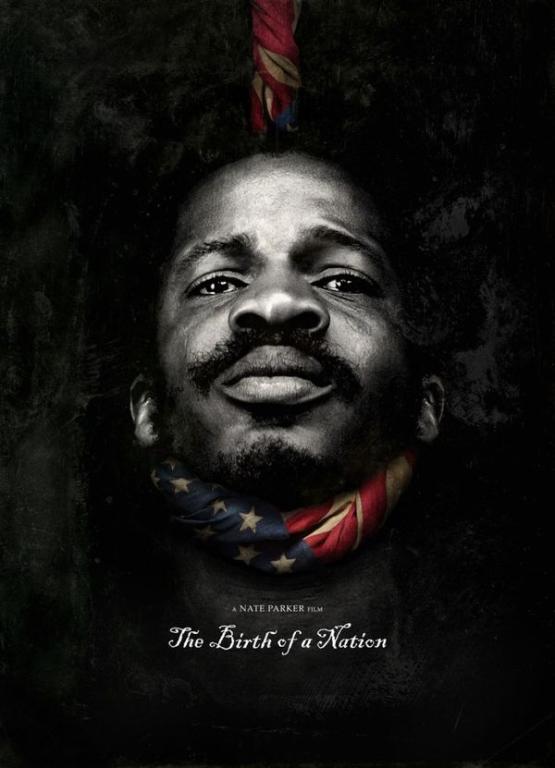
Rarely has such a small, independent film been forced to carry such weight on its shoulders. Purchased for a record breaking price at the 2016 Sundance Film Festival and positioned as an Oscar contender months before it was released, The Birth of a Nation can’t really sneak into theaters. As soon as writer-director-producer-star Nate Parker audaciously titled his Nat Turner story, The Birth of a Nation, he was taking on the tangled history of Hollywood and race relations in America. What rare and remarkable artistic courage. His directorial debut is a potent tonic for our troubled times; messy and oh so necessary.

Parker’s Birth of a Nation wades into the complicated history surrounding slavery, the co-opting of Christianity, the abuse of women and black bodies, and the (ongoing) need for African American resistance. It makes conscious connections to Black Lives Matter, police brutality, and injustice in America. Somehow, amidst all of that bold storytelling, Parker did not foresee how his personal history involving black athletes, a white woman, and a rape trial might detract from his artistic intentions. So much baggage now surrounds the film, it will take years before this Birth of a Nation is judged on its own merits.
The title snaps audiences back to 1915 and D.W. Griffith’s ground-breaking glorification of the Ku Klux Klan. Griffith’s Birth of a Nation continues to be studied for its pioneering filmmaking techniques despite the abhorrent depictions of African-Americans. Parker counters Griffith with an alternative Southern history, the 1831 slave uprising led by preacher and prophet, Nat Turner. While Griffith dazzled the masses with epic scope, Parker’s Birth of a Nation is far more measured and modest in scale. This Birth of a Nation succeeds as a historical biopic, grounding this remarkable story of resistance in spiritual authority. It turns on how the Bible can be used to mollify insurrection or inspire rebellion. How amazing to see scriptural hermeneutics as the wellspring for Nat Turner’s uprising. The Birth of a Nation is one of the most overt and uncompromising stories of religious transformation ever presented onscreen. While charges from Parker’s past will be attached to reviews of the film, Parker’s very present faith resonates throughout the picture.
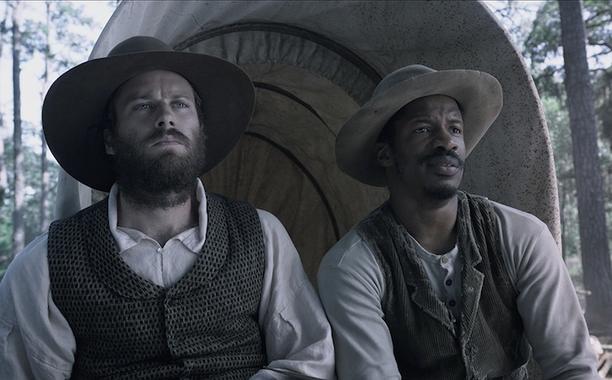
Birth begins with an African tribal rite. Young Nathaniel is marked as a prophetic leader of wisdom and courage. Later, he is taught to read by his seemingly benevolent white owner, Elizabeth Turner. Yet, in the first of many instances, a plantation-owning husband overturns his wives intentions. Nat is sent to pick cotton as a field hand. The Turners appear to be a humane alternative to more abusive slaveholders in Southhampton County, Virginia. Nat talks Samuel Turner (Armie Hammer’s best performance yet) into purchasing a young woman who has clearly been abused by a previous owner. As Nat and Cherry (a radiant Aja Naomi King) meet and fall in love, we see how the joys of family can inspire slaves to endure overwhelming hardship.
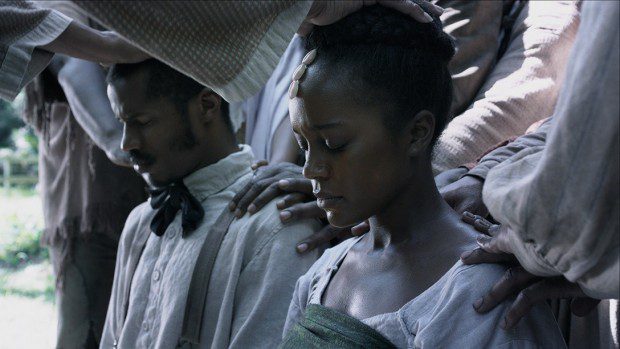
Nat’s gifts as a preacher make him a profitable commodity for his owner. Samuel is paid handsomely for Nat’s sermons that quell slave insurrections via carefully chosen Bible passages. Nat is expected to remind slaves to obey their masters; heavenly promises await those who keep their anger in check. Exposure to the cruelty of neighboring plantation owners disturbs both Nat and Samuel. While Samuel pockets the proceeds, Nat wrestles with his conscience. Scripture reading emboldens Nat. What if the Lord sides with the oppressed rather than the oppressor? Nat’s awakening occurs gradually, the story unspools in a surprisingly slow burn.
When Nat’s wife, Cherry is raped and almost beaten to death, his anger boils over. Birth demonstrates how black women were tortured and abused by white plantation owners. It illustrates the physical and psychic damage inflicted on victims and their extended families. Husbands, mothers, fathers, and children also suffer with those who have been abused. The Birth of a Nation makes us cry for justice and sympathize with those who seek retribution. Perhaps as an African American man who has been on trial for the rape of a white woman, Parker connected with this exploration of the South’s sordid history. The film can be read as a form of penance, a defense of all women who have had their history forever altered by violence.
Parker crafted this story with his college roommate, Jean McGianni Celestin. Their shared history as athletes at Penn State University tried for rape has raised a red flag. Given the egregious cover up of misbehavior within the Penn State athletic department, their sexual assault case fits another reading of recent American history. Are Parker and Celestin representative of the entitled, out of control college athletes who’ve made far too many headlines for sexual assaults? Could they be emblematic of everything wrong with our sports obsessed campuses and alumni associations who protect serial abusers like Jerry Sandusky as long as the team keeps winning? Such coddling and exceptions have fueled calls for reform. For activists raising awareness of campus rape culture and victims rights, Parker and Celestin’s Hollywood profile reinforces fears and suspicions about preferential treatment.

The Birth of a Nation wades into the existential questions we all bring to these complex issues. How long must we wait for racism, sexism, and injustice to be overturned? For those who are abused because of their race or gender or poverty, there is not enough solace in airing our complaints before God. Victims do not want to wait for heavenly justice to prevail. Nat Turner vows vengeance, despite Jesus’ warning that all who draw the sword will die by the sword. He searches for a sign from God. Inspired by an eclipse, Nat takes up arms. We root for the insurrection. Like Nat, we have witnessed enough cruelty and pain.
The Birth of a Nation is far more restrained in its depictions of suffering than Fox Searchlight’s Oscar winner, 12 Years a Slave. The rapes occur off screen, but the horror and revulsion still registers. 12 Years featured far more directorial flourishes. Parker keeps his style reined in until it is time to fight. When the rebellion begins, The Birth of a Nation begins to resemble Django Unchained. Scenes of revenge are bloody and graphic. Yet, the historicity of Nation denies the audience an easy fantasy kick a la Django. Biblical truths play out. Evil masters will be judged; slaves who take up arms will also be sacrificed (along with many others). It is tough to declare a winner in this gruesome war. Nina Simone sings a requiem for the strange Southern fruit of racism.
Parker portrays Turner as a chosen, but reluctant hero (combining elements of Moses and Jesus). Nat doesn’t naturally seek a fight. The Caucasian villains aren’t written with much nuance (and maybe they don’t deserve it). Life on the Turner farm seems endurable (for awhile). Yet, by traveling from farm to farm, Nat is exposed to realities he cannot ignore. What could be more American (or patriotic) than to rise up against tyranny?

Nat’s journey comes to resemble our current national dilemma. Those of us who have been insulated from the everyday realities of America’s inner cities have been barraged by police body-cam videos. Smart phones are capturing what residents of Cleveland and Tulsa and Charleston and Charlotte have known for far too long. It is tempting to turn our heads against police brutality, to ignore the cries coming from the other side of town. But the evidence is growing overwhelming, the incidents too numerous to suppress. Like Nat, we may need to reread scripture with a fresh set of eyes.
The Bible has been used in nefarious ways. Politicians and preachers can find phrases to bolster almost any position. When our lived experience fails to match up with the aphorisms we’ve been offered, spiritual frisson results. Hermeneutics, the art of interpretation, kicks in when we realize we need to read the Bible more carefully and prayerfully than ever before. Context is key to figuring how ancient truths apply to our contemporary setting. We may not see things clearly from the comfort of our suburban homes. Prolonged exposure to the suffering of others can soften even the most guarded hearts.
Troubled by what he witnessed, Nat Turner found ample argument in the Bible for taking a hatchet towards injustice. It remains to be seen how people of faith and conscience will attack systematic racism in our time. The Birth of a Nation suggests that we may have to join Nat in moving from scriptural excuses for indifference to Spirit-led actions.
Previous Post

March 31, 2016
Morgan Freeman Explores The Story of God
Next Post
December 22, 2016 The Best Films of 2016: Empathy in Action
Browse Our Archives
Select a Category Books Movies Music Uncategorized Upcoming Videos
Select a Month February 2023 February 2022 March 2021 January 2020 December 2019 December 2018 September 2018 August 2018 October 2017 January 2017 December 2016 October 2016 March 2016 February 2016 November 2015 October 2015 February 2015 January 2015 December 2014 November 2014 October 2014 July 2014 April 2014 February 2014 January 2014 December 2013 November 2013 October 2013 August 2013 July 2013 June 2013 May 2013 April 2013 February 2013 January 2013 December 2012 November 2012 October 2012 September 2012 August 2012 July 2012 June 2012
TAKE THE
Religious Wisdom Quiz
I am the command to love the Lord your God with all your heart, soul, and strength. What am I?
Select your answer to see how you score.
The law of Moses The Shema The Golden Rule The 8th Commandment
Related posts from Doc Hollywood
The Finest Films of 2022: Rise, Roar, and...

Ambiguity, Complexity, and the Finest Films of 2021
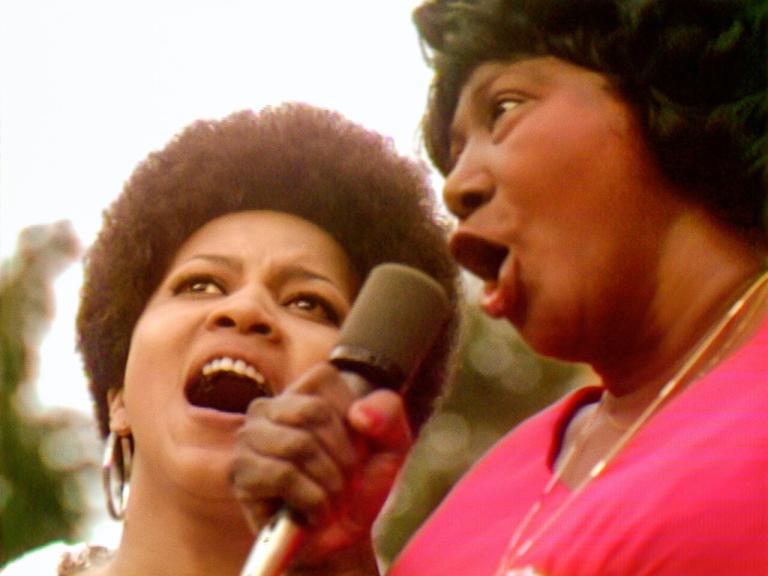
BEYOND NOSTALGIA: The Best Music Docs of 2021

Real to Reel: The Best Documentaries of 2020
TRENDING AT PATHEOS Religious Music & Entertainment

A Christian, a Narnia Fan, and a Filmmaker...
Watching The Narnia Trailer As A Fan And A Filmmaker Ever since...

Great Spiritual Horror Films of the 20th Century...
For the Christian, horror movies are often troubling—and many would say that...

"Les Diabolique" and Transgression
Alongside something like Arrival, Vertigo, or Charade, Les Diaboliques is a...

"The Plague Dogs" and Mortality
So, flashback to the late 70s, early 80s. Walt Disney Studios is...

With the recent and highly successful release of Christopher Nolan’s epic film,...

"L'avventura" and Human Weakness
Today's piece is going to be a little different for a few...
view all Religious Music & Entertainment blogs
Ad-Free & Subscriber Log-In Subscription Support
- About Us
- 2026 Calendar
- Videos
- Podcasts
- Library of World Religions
- Faith In Media Tracker
- Advertise With Us
- Write for Us
- Privacy Policy
- Terms of Service
- Do Not Sell My Data
- Contact Us
- Radiant Digital
- Manage Newsletter Subscriptions
- Unsubscribe From Notifications
- Sitemap
Copyright 2008-2026, Patheos, part of the Radiant Digital network of media brands. All rights reserved.
Subscription Support Ad-Free & Subscriber Log-In
Follow Patheos