
BuddhistCatholicContemplativeEvangelicalGeneral ChristianHinduJewishLatter-day SaintMuslimNew VisionsProgressive Christian
Beliefs
- Buddhist
- Catholic
- Contemplative
- Evangelical
- General Christian
- Hindu
- Jewish
- Latter-day Saint
- More Voices
- Muslim
- New Visions
- Pagan
- Progressive Christian
Topics
- Religion News
- Food and Religion
- Sports and Religion
- Religious Art
- Religious Music and Entertainment
- Religious Events
- History and Religion
- Style and Religion
- Politics and Religion
- Women in Religion
- Recreation Outdoors and Religion
- Business Finance and Religion
- Careers Workplace and Religion
- Education and Religion
- Family Parenting and Religion
- Health Fitness and Religion
- Home and Religion
- Relationships and Religion
- Technology and Religion
- Travel and Religion
Columnists
- Buddhist Columnists
- Business Finance and Religion Columnists
- Careers Workplace and Religion Columnists
- Catholic Columnists
- Contemplative Columnists
- Education and Religion Columnists
- Evangelists Columnists
- Family Parenting and Religion Columnists
- General Christian Columnists
- Health Fitness and Religion Columnists
- Hindu Columnists
- History and Religion Columnists
- Home and Religion Columnists
- Jewish Columnists
- More Voices Columnists
- Latter Day Columnists
- Muslim Columnists
- New Visions Columnists
- Nonreligious Columnists
- Pagan Columnists
- Politics and Religion Columnists
- Progressive Columnists
- Recreation Outdoors and Religion Columnists
- Relationships and Religion Columnists
- Religion News Columnists
- Religious Art Columnists
- Religious Events Columnists
- Religious Music and Entertainment Columnists
- Sports and Religion Columnists
- Style and Religion Columnists
- Technology and Religion Columnists
- Travel and Religion Columnists
- Women in Religion Columnists
Resource Library
- 2026 Calendar
- Library of World Religions
- The 100 Most Holy Places on Earth
- Patheos Answers
- Podcasts
- Videos
- Faith Leaders Database
- Anglican Episcopalian
- Bahai
- Baptist
- Buddhism
- Christianity
- Confucianism
- Eastern Orthodoxy
- Hinduism
- Holiness and Pentecostal
- ISKCON
- Islam
- Judaism
- Lutheran
- Methodist
- The Church of Jesus Christ of Latter-day Saints
- New Age
- Paganism
- Presbytarian and Reformed
- Protestantism
- Religion Behind the Scenes
- Roman Catholic
- Scientology
- Shia Islam
- Sikhism
- Sufism
- Sunni Islam
- Taoism
- Zen
- See all religions
Research Tools
 Ad-Free & Subscriber Log-In Subscription Support
Ad-Free & Subscriber Log-In Subscription Support
Follow Patheos 

- Trending:
- Forgiveness
- |
- Marriage
- |
- Consciousness
- |
- Death Penalty
- |
- Election
- |
- Halloween
 Adventures of Dharma Dad
- Home
- Buddhist
- Suffering That Changed Me.
Suffering That Changed Me.
Last updated on: May 12, 2015 at 6:11 pm by Ty Phillips
Suffering That Changed Me. 2015-05-12T18:11:30-04:00 Ty Phillips
Patheos Explore the world's faith through different perspectives on religion and spirituality! Patheos has the views of the prevalent religions and spiritualities of the world.
Both formerly and now, it is only suffering that I describe, and the cessation of suffering.
Buddha
The spiritual practice is not bright and sunny. Anyone who says otherwise is selling something. It’s a confrontation with the truth as it is, not as we wish it to be. It becomes a healing process not because we paint the sun over the clouds but because we stop clinging to a notion that only the sun brings happiness.
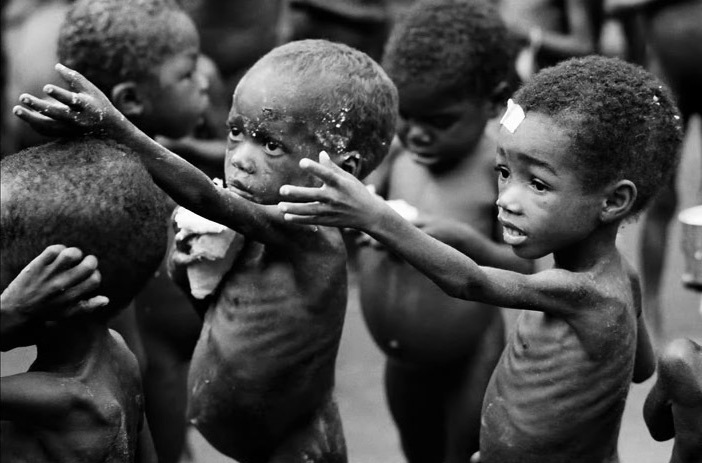
It was not the shiny happy people that brought me to the path of Buddhism, nor was it the idea that my life would become so; it was suffering. In fact, it was the suffering of a child that brought me to a place of tears and empathy, for not only others but also for myself. There is a mistaken belief that somehow, a spiritual life or the pursuit of a spiritual path, means that suffering, negativity, doubt and fear are somehow all left behind, on the other side, or absent from this point forward.
We see spiritual teachers selling books promising happiness and bliss. We buy art, crystals, clothing and the like, hoping it will make us feel more spiritual. We begin and walk away from practices in the hopes of or with the disappointment that it didn’t relieve all of our grief. Much like Chogyam Trungpas concept of idiot compassion (doing what others want instead of what they need, in an attempt to avoid our own feelings of being uncomfortable), we use our spirituality as an attempt to distract us from the basic nature of what is happening here and now.
I know the knee jerk reaction is to say, “Well, what’s the point then?” I’ve actually been down that road myself. The point lies in understanding the whole of the path, not just the outcome we expect. We often understand our sadness and frustration but rarely the causes. We look to fill the empty space of here and now with concepts and and ideas that take away this suffering instead of taking the time to see the root of our pain and the pain of others. We cannot heal what we do not understand. At best, we can put a bandaid on a severed limb and hope it goes away.
In this lies the main issue. We remain attached to our emotional reactions all the while hiding from the basic reality of the presence of suffering and hurt. We want to look the other way and hope someone else will give us a shot of happiness. This notion of out there and far away happiness—ever filled with distraction and pomp—is the cause, while sitting and engaging the truth of suffering is the cure.
I vividly remember sitting there, feeling sorry for myself, cursing the woes of life and there she was, a small child, crying, bloated, covered in flies, barely two years old, whose whole life had been a sense of suffering so profound, that I would never be able to fathom it. I wept, and I hated myself for my trite whining and vague attempts at soul searching. I was then confronted with another image—an image so disturbing that the man who took it would commit suicide a few short months later.
A small child, little more than bones and belly, crawling face down, half dead, towards people on the other side of a fence. A vulture hopped around close behind, waiting for the child’s death. The child did die. The people on the other side of the fence stood by, watching, unmoving, because of policy. I was crushed. I knew from that moment on, that I could not spend my life as I had, anymore.
When I came across this realization, I was dying. At least that was the expectation. I had massive heart failure. Sudden cardiac death was the talking phrase among my team of doctors. My will was made out and I was undergoing testing and procedural policy to see if I qualified for a new heart. Yet this suffering didn’t bring me to a place of compassion. It brought me to a place of self pity. I was wrapped up in my own sense of psychological materialism. I was filling the empty space with anger and distraction, yet unwilling to face reality.
It was the full impact of universal suffering that tugged my heart. As I sat, weeping, hurting, all thoughts of duality vanished. The woman next door who just lost her husband, the snake run over by a car, my dog who just lost her life to cancer and the face of the child on the TV, made me realize something. Suffering is universal. It was this profound connection that brought back those words: “Both formerly and now, it is only suffering that I describe, and the cessation of suffering.”
We cannot begin the process of healing while we remain disconnected from the suffering of others or the reality of our own suffering. It is a step beyond the idea that we are unhappy, it is an intimate relationship with the knowledge of why. That we experience pain is no mystery, that we cling to our suffering and our reactions to it, is.
It is the process of clinging and struggling for control that we lose ourselves to our suffering. Letting go of ideas of control can be a scary thing and until we are ready to face the truth that we truly have no control and that all is in flux at all times, we will find ourselves resigned to suffering over healing.
In letting go, we are open to the encounters of every moment and are open to the interactions between each other. Our walls and judgments drop and we see a chase for similar ends by all people. A chase for happiness, a chase for feelings of security and well being, a chase for love and wellness. This is not unique to any of us, nor is the human experience.
Put down your wallet or purse and pick up the person who is sitting next to you. Be present, be open, be willing to encounter them on their level and from their experience. The race for each of us ends at the same place. We can face it happily or begrudgingly. We can come to realize that love is both the path and the vehicle and in so doing find that understanding suffering does bring us to a worthy end.
picture: (source)
Previous Post

May 5, 2015
Zen and The Art of Powerlifting.
Next Post

May 20, 2015 Don't Force The Moment.
Browse Our Archives
Select a Category book review buddhism Buddhism and daily life Buddhism and Parenthood Interfaith Uncategorized
Select a Month February 2016 January 2016 December 2015 November 2015 October 2015 September 2015 August 2015 July 2015 June 2015 May 2015 April 2015
Follow Us!
TAKE THE
Religious Wisdom Quiz
How many chapters are in the book of Hebrews?
Select your answer to see how you score.
10 15 13 16
Related posts from Adventures of Dharma Dad

A Buddhist and a Nun Walk into a...


You Left Me: When Their Words Hurt.

TRENDING AT PATHEOS Buddhist

On Taking Refuge in the Dharma
(Here I continue the feature of sharing talks and essays by teachers...

(Continuing my intention to share talks and essays by other members of Empty...
The Subtle Art of Bowing: A Dharma Discourse
(This presentation was first offered by my dear friend Dharma Holder Tom...

Internal Family Systems Can Heal you Mentally &...
How IFS Helped Me Stop Fighting Myself Internal Family Systems (IFS) is...

The Bible No One Spoke About: A Family’s...
A mysterious family Bible, unspoken faith, and a journey from curiosity to...

How Uncertainty Can Transform Your Life in 2025
Embracing Uncertainty: A New Year’s Resolution for the Brave As 2025 approaches,...
view all Buddhist blogs
Ad-Free & Subscriber Log-In Subscription Support
- About Us
- 2026 Calendar
- Videos
- Podcasts
- Library of World Religions
- Faith In Media Tracker
- Advertise With Us
- Write for Us
- Privacy Policy
- Terms of Service
- Do Not Sell My Data
- Contact Us
- Radiant Digital
- Manage Newsletter Subscriptions
- Unsubscribe From Notifications
- Sitemap
Copyright 2008-2026, Patheos. All rights reserved.
Subscription Support Ad-Free & Subscriber Log-In
Follow Patheos