
BuddhistCatholicContemplativeEvangelicalGeneral ChristianHinduJewishLatter-day SaintMuslimNew VisionsProgressive Christian
Beliefs
- Buddhist
- Catholic
- Contemplative
- Evangelical
- General Christian
- Hindu
- Jewish
- Latter-day Saint
- More Voices
- Muslim
- New Visions
- Pagan
- Progressive Christian
Topics
- Religion News
- Food and Religion
- Sports and Religion
- Religious Art
- Religious Music and Entertainment
- Religious Events
- History and Religion
- Style and Religion
- Politics and Religion
- Women in Religion
- Recreation Outdoors and Religion
- Business Finance and Religion
- Careers Workplace and Religion
- Education and Religion
- Family Parenting and Religion
- Health Fitness and Religion
- Home and Religion
- Relationships and Religion
- Technology and Religion
- Travel and Religion
Columnists
- Buddhist Columnists
- Business Finance and Religion Columnists
- Careers Workplace and Religion Columnists
- Catholic Columnists
- Contemplative Columnists
- Education and Religion Columnists
- Evangelists Columnists
- Family Parenting and Religion Columnists
- General Christian Columnists
- Health Fitness and Religion Columnists
- Hindu Columnists
- History and Religion Columnists
- Home and Religion Columnists
- Jewish Columnists
- More Voices Columnists
- Latter Day Columnists
- Muslim Columnists
- New Visions Columnists
- Nonreligious Columnists
- Pagan Columnists
- Politics and Religion Columnists
- Progressive Columnists
- Recreation Outdoors and Religion Columnists
- Relationships and Religion Columnists
- Religion News Columnists
- Religious Art Columnists
- Religious Events Columnists
- Religious Music and Entertainment Columnists
- Sports and Religion Columnists
- Style and Religion Columnists
- Technology and Religion Columnists
- Travel and Religion Columnists
- Women in Religion Columnists
Resource Library
- 2026 Calendar
- Library of World Religions
- The 100 Most Holy Places on Earth
- Patheos Answers
- Podcasts
- Videos
- Faith Leaders Database
- Anglican Episcopalian
- Bahai
- Baptist
- Buddhism
- Christianity
- Confucianism
- Eastern Orthodoxy
- Hinduism
- Holiness and Pentecostal
- ISKCON
- Islam
- Judaism
- Lutheran
- Methodist
- The Church of Jesus Christ of Latter-day Saints
- New Age
- Paganism
- Presbytarian and Reformed
- Protestantism
- Religion Behind the Scenes
- Roman Catholic
- Scientology
- Shia Islam
- Sikhism
- Sufism
- Sunni Islam
- Taoism
- Zen
- See all religions
Research Tools
 Ad-Free & Subscriber Log-In Subscription Support
Ad-Free & Subscriber Log-In Subscription Support
Follow Patheos 

- Trending:
- Forgiveness
- |
- Marriage
- |
- Consciousness
- |
- Death Penalty
- |
- Election
- |
- Halloween

-
More
- Home
- Evangelical
- Devotional Guide: Rev 5:1-7:17
Devotional Guide: Rev 5:1-7:17
Last updated on: May 23, 2023 at 9:07 am by Rob Dalrymple
Devotional Guide: Rev 5:1-7:17 2023-05-23T09:07:30-08:00 Rob Dalrymple
Patheos Explore the world's faith through different perspectives on religion and spirituality! Patheos has the views of the prevalent religions and spiritualities of the world.

Monday: Read Revelation 5:1-14
As I noted in yesterday’s reading, the heavenly vision (4:1-16:21)—the second story (the main story) in the book of Revelation—opens with John being taken into heaven and brought before the throne. The throne room scene (4:1-5:14) encourages the readers to not be afraid of the powers of the world because, although it may appear that they are in control, the reality is that God is the One on the throne.
In 5:1-14, we learn that the Father has a scroll in His hand (1). The Scroll most certainly represents God’s sovereign will. And on it are the answers to the book of Revelation’s key questions: “How will the nations be redeemed” and “How will the creation be restored?”
There is an initial problem, however. John learns that no one is worthy to open the scroll (3-4). Then John then hears from one of the elders that the lion is worthy to open the book (5). When he looks, however, he “sees” a slain Lamb (6).
This is a major key to understanding the book of Revelation. God’s sovereign plan will unfold because the Lamb (Jesus) was slain and is worthy to take the Scroll and “break its seals” (5:9). In fact, after Jesus takes the Scroll, He receives worship (8-14) from the very same creatures that worshiped the Father in 4:1-11.
In 4:1-11, the Father was worthy of worship because He is sovereign and because He made all things (4:8, 11). In 5:1-14, Jesus is worthy of worship because He “was slain” (12) and because He has “purchased for God with Your blood men from every tribe and tongue and people and nation” (9).
Questions to ponder/discuss:
- Recognizing that Jesus is the slain “Lamb” is a critical factor for understanding the book of Revelation. Jesus is called the “lion” only once, but he is called the “Lamb” twenty-seven times. Jesus rules, in other words, not as a lion—after all, that is how the nations rule—but as a Lamb. The nations operate by means of lion power, which exerts itself by means of force and oppression, most often at the expense of the poor and the marginalized (which in Rome was upwards of 90% of the people). Lamb power, however, exerts itself by sacrificially dying for the sake of others.
- In light of this, read Mark 8:34 and discuss what you think Jesus may have meant by cross-bearing.
- Read Matt 6:19-34. Note that Jesus connects the fact that we cannot serve two masters (Matt 6:24) with the fact that we should not worry about food or clothing (Matt 6:25-32). It is important to recognize, when reading Jesus or the book of Revelation, that these two go together. That is, following Jesus and forsaking the powers of this world, may well result in the deprivation of food and clothing. To which Jesus responds, “Why do you worry?” Jesus assures us that just as the Father cares for the birds and the lilies so He will care for us. This, of course, does not mean it will be easy. That, in fact, is the point. What do you think of this?
Tuesday: Read Revelation 6:1-8 (Mark 13:1-13; or Matt 24:1-14; or Luke 21:5-19)
In the story of the book of Revelation, Jesus takes the Scroll and will break its seals in order to reveal its’ contents. As Jesus begins to open the Scroll, one seal at a time, John describes something tragic that occurs on the Earth.
To understand this passage, and the narrative of the book of Revelation, we must first recognize that the Scroll cannot be read until all the Seals are broken. This means that the Seals do not represent the unfolding of God’s will.
Instead, the account of the Seals represents what happens when humanity continues to rule. They occur while we are awaiting the revealing of the contents of the Scroll.
In addition, it is important to recognize that the account of the first four Seals (1-8) greatly parallels Jesus’ words to His disciples regarding the destruction of Jerusalem (Mark 13:1-13). Jesus had explained to His disciples that the destruction of Jerusalem would not happen immediately and they must be prepared to endure. John appears to be announcing the same thing to his readers.
We learn then from the account of the first four Seals (1-8), that until the end comes, there will be false prophets and false Christs (1-2), wars (3-4), famines (5-6), and death (7-8). This description, of course, relays what has been happening in every generation since humanity first rebelled against God. In other words, as Jesus opens the first four Seals, we learn that life will continue as it always has for a time.
The Seals indicate that God’s ultimate plan of salvation and redemption will not be completed immediately. Instead, there will be a delay.
This also means that the presence of false prophets and false Christs, wars, famine, and death are not something that God brings about. Instead, they are the result of human rule—which God allows to continue until His will (the contents of the Scroll) is accomplished.
It is also important to recognize that the effects in the account of the opening of the first four Seals are also suffered by the people of God (this will become apparent in the account of the Fifth Seal: 6:9-11). That is, false prophets and false Christs will attempt to deceive us. Just as the Nicolaitans in Ephesus (2:6) and Pergamum (2:15), the false prophets in Pergamum (2:14), and “Jezebel” (2:20) in Thyatira—whom God “time to repent” (2:21).
Questions to ponder/discuss:
- The account of the first four Seals conveys that life will continue as normal for some time, and that this period will be marked by the suffering of God’s people. It is important to understand that the Lord’s delay in bringing about the consummation of His kingdom is an act of love. It may not seem like it since the continued rule of humanity brings devastation and destruction. God does so in order that all may have time to repent. This, as we will see, results when the people of God maintain their love and witness for the world. What do you think this means for you and for the church?
- Spend some time in prayer today focusing on the impact of humanity’s rule on the poor and the marginalized (war brings famine and death and those who are affected the most are the poor and the common persons).
Wednesday: Read Revelation 6:9-17
The account of the Fifth Seal (9-11) introduces us to the people of God who are under the altar (9) and crying out, “How long, Lord . . . until you avenge our blood?” (10). They are told that it will be a little longer (11). Why the delay? Because God is waiting “until the number of their fellow servants and their brethren who were to be killed even as they had been, would be completed also” (11). This may seem strange. But as noted previously, God’s will that the nations are redeemed comes to fruition through the sacrificial love of His people.
The account of the Sixth Seal (12-17) brings us to the final judgment on the nations. The Sixth Seal, thus, serves as an initial response to the cries for justice from the people of God in the narrative of the Fifth Seal. What is described in the Sixth Seal does not occur in real-time until the final judgment (19:11-21:8).
As we proceed, we will learn that there are two reasons for God’s delay in bringing about the consummation of His kingdom. First, God desires that the nations repent. Until they do so, God allows humanity to remain in power, despite the devastating effects human rule brings. Second, as indicated in this passage, God is waiting for the full number of martyrs to be reached (9-11). As we continue on in the story, we will learn that these two points go hand in hand. That is, it is the faithful, loving, and sacrificial living of God’s people, which often results in their deaths, that brings the nations to repentance.
Questions to ponder/discuss:
- Spend some time in prayer today focusing on your witness to the world. After all, it is only when we have completed our testimony (11:7) that the will of God will be completed. Note, when considering your witness do not think simply in terms of when you have told others about Jesus. Consider the fact that our entire lives is our witness. Consider also what your prophetic word is to the people of God and to the powers of the world (what is meant here will become clearer as we proceed).
Thursday: Read Revelation 7:1-8; Ezekiel 9:3-10
Thus far in our study, Jesus has opened six of the seven Seals. Of course, we will not know what is on the Scroll until all seven Seals have been broken. Surprisingly, Revelation 7:1 does not introduce us to the Seventh Seal. Instead, 7:1-17 interrupts the account of the breaking of the Seals with what is best termed “an interlude.” (We will see a similar interlude between the Sixth and Seventh Trumpets also (10:1-11:13). In this interlude, we are introduced to both the 144,000 (3-8) and the Great Multitude (9-17).
The 144,000 are “sealed” (4-8). The sealing of the people of God is best understood in light of the sealing or marking, of the people of God for divine protection in light of Ezekiel 9:3-10.
In the New Testament, Paul notes that God’s seal indicates the presence of the Holy Spirit among the people of God. For example, in 2 Cor 1:21-22, he says. “Now He who establishes us with you in Christ and anointed us is God, who also sealed us and gave us the Spirit in our hearts as a pledge” (see also Eph 1:13-14).
Although it may appear that the 144,000 are distinct from the Great Multitude, a careful reading of the text confirms that they are the same group. For one, although the 144,000 are said to be “from every tribe of the sons of Israel” (4), a careful look at the list of twelve tribes in 5-8 affirms that these are not the twelve tribes (this list does not correspond to any list of the twelve tribes in any Jewish literature). The difference is that this list adds the names “Joseph” and “Levi” and does not include “Ephraim” and “Dan.”
In addition, the Great Multitude is said to be “from every nation and all tribes and peoples and tongues” (9). Since the Great Multitude is from every nation, then it stands to reason that Israelites are included.
Also, the fact that the number 144,000 is derived, in part, from multiplying 12 and 12 (12×12=144) suggests that it includes the OT (12 tribes) and NT (12 apostles) people of God.
Another key to discerning John’s intent here is to recognize that John has again introduced two apparently distinct things by means of “hearing” and “seeing” (John employed this technique when He introduced us to the lion—which he heard: 5:5; and the Lamb—which he saw: 5:6; which we know both refer to Jesus). In this account, John “heard” of the 144,000 (7:4) and he saw the Great Multitude (7:9).[2] This suggests that they are to be viewed as the same group.
Questions to ponder/discuss:
- The significance of the interlude in 7:1-17 is to remind the reader that in the midst of the devastation and destruction that continues to occur on the earth, the people of God are sealed and under God’s protection. That is, God’s people can maintain their witness in the midst of a hostile world because they are under God’s sovereign protection. This does not mean that they cannot be harmed, arrested, or killed. It simply means that no matter what is done to them, they will be the ones who are before the throne of God (7:15) and who will follow the Lamb to the “springs of the water of life” (7:17), and they will not hunger or thirst any more (7:16). Does this provide any added strength or encouragement for you to be faithful to Christ and to bear witness for him in the midst of the world?
Friday: Read Revelation 7:9-17
Thus far in the narrative of Revelation, we have seen that the people of God are included among those who suffer from the effects of the first four Seals (6:1-8).[3] Their suffering led to the cry of the martyrs under the altar, “How long?” (6:10).
In the present interlude then, John first provides comfort to the people of God with the knowledge that they have been sealed and are under God’s divine protection (7:3-8). Now, in the account of the Great Multitude, we learn that they are the ones who will be brought through the Great Tribulation (13), and into the glorious presence of God and the Lamb (15-17).[4] The interlude, in other words, is both a reminder for the people of God that God is sovereignly protecting them in the present and it is a looking forward to their ultimate destiny.
The significance of these promises is well capture by Barbara Rossing: “Think how wonderful this promise of unlimited food must have been in the face of the poverty and hunger that haunted many of John’s communities in the first century: abundant fruit, an ever-bearing tree, growing beside the river of life with its water flowing as a gift for everyone. In contrast to the economy of Babylon/Rome, which was characterized by famine and hunger and an exploitive system of taxation that squeezed peasants and the poor, God’s holy city provides enough food to all.”[5]
Questions to ponder/discuss:
- Rev 7:13-17 is one of the great passages of hope in the NT. Spend time each day for the next week to ten days meditating on and memorizing these verses. Then, anytime you are having a tough day, come back to this passage and reflect on what is awaiting those who overcome.
- That the Great Multitude and the 144,000 are the same group should be understood in terms of promise and fulfillment. That is, God called Abraham (Gen 12:1-3; 17:5) to be a blessing to the nations. In doing so, he noted that Abraham’s descendants would be as numerous as the stars in the sky (Gen 15:5). In John’s account, what began as a countable number of “Israelites” (144,000), has now become a “Great Multitude which no one could count” (9). God is faithful to His promises. He promised Abraham that his descendants will be innumerable and that they will be a blessing to the nations.
For those who wish to investigate the seven Seals further, I have written several blogs on them. See: 7 Seals and Revelation;
Our goal is to keep these posts free of charge. I do not intend to ever hide them behind a paywall. I can only do this if those of you who have been blessed by them and can afford to give ($5, $10, $25, or more/month) do so. You can give a tax-deductible contribution by following this link.
Please share this post and let others know about determinetruth.
If you wish to view this blog on your smartphone through the Determinetruth app simply download the “tithe.ly church” app on your smartphone and insert “determinetruth” as the church name you wish to follow. Once it is loaded, simply click on the “blog” icon and it will automatically load.
If you would like to have Rob speak at your church or organization in person or via zoom, please let us know by filling out the contact info on the Contact me tab on this site.
[1] This guide is meant to be done either as a group study over the course of 2 or 4 meetings (Day 1-5; 6-10; 11-15; 16-20) or as a private devotion over the course of 4 weeks (or a calendar month—5 lessons per week).
[2] John will use the technique of hearing and seeing several times in the book of Revelation.
[3] Again, this does not mean that the nations do not suffer also. War, famine, and wild beast kills indiscriminately.
[4] The suggestion that the Great Multitude are brought “out of” the great tribulation in the sense that they were “raptured” away so that they did not have to suffer runs contrary to much in the NT. For one, the NT never promises that the people of God will be taken from tribulation but that they will persevere through it. Jesus, Himself, prayed: “I do not ask You to take them out of the world, but to keep them from the evil one” (John 17:15).
[5] Rossing, Barbara R. The Rapture Exposed (pp. 154-155). Basic Books. Kindle Edition.
About Rob Dalrymple
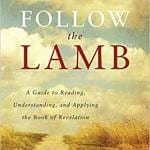
Rob Dalrymple is married to his wife Toni and is the father of four fabulous children, and two grandchildren. He has been teaching and pastoring for over 33 years at colleges, seminaries, and the local church. He has a PhD in biblical interpretation. He is the author of four books (including Follow the Lamb: A Guide to Reading, Understanding, and Applying the Book of Revelation & Understanding the New Testament and the End Times: Why it Matters) as well as numerous articles and other publications. He is currently completing a commentary on the book of Revelation titled, “Revelation: a Love Story” (Cascade Books, pending 2024). You can read more about the author here.

Next Post

May 8, 2023 A Christian family that needs our help
Browse Our Archives
Select a Category 000 1 Cor 11:17-34 1 Corinthians 1 John 1 Peter 1 Thessalonians 1 Timothy 10 Commandments 2 Corinthians 2 John 2 Peter 2 Thessalonians 2 Timothy 3 John 666 Abortion Acts 2:42 Ahmaud Arbery AIPAC All Saints Day America antisemitism BDS Beast Betting Bible Bible study Biblical Interpretation Biden Book of Acts Boycott Campus Protests Catholicism Ceasefire Chavez Ravine Christian Nationalism Christian Zionism Christianity Today Christmas Church Colossians Communion Convict Leasing Covid-19 Craig Blaising creation Crucifixion Daoud Nassar Deception Deconstruction Democracy Devotional guide Discipleship Easter Eden Education Election End-times Ephesians Eschatology Ethnic Cleansing Evangelicalism Evangelicals Evolution Fall Famine Fascism FIFA Freedom of Speech Galatians Gary Burge Gaza Gaza; Genocide; Boycott Genesis Genocide George Floyd Global Warming God's will Gospel Gospel of John Gospel of Luke Gospel of Mark Gospel of Matthew Government Grace Great Prostitute Hamas Harris healthcare Hebrews HeGetsUs Holy Spirit Holy Week Honor Father and Mother ICJ Immigration Indigenous peoples day Iran Israel Israel Palestine Itamar Ben Gvir James Jesus Joel Willits Jude Just war Justice Kamala Harris Kingdom Of God Kings and Queens land of Israel Law (OT) Lazarus Les Miserable LGBTQ+ Love Luke Mahmoud Khalil Man of Lawlessness Mark Mark of the Beast Marriage Martin Luther King Jr Mercy Mexican Repatriation Military-Industrial-Complex Ministry Mission Money NAFTA Nakba Netanyahu New Creation New Testament Nicaragua Nicodemus Non Violence Occupation Pacifism Palestine Parable Paul Peace Pentecost Peonage Philemon Philippians Politics Poor Power Prayer Pride Month Priests Pro-life Propaganda Prophesy Prophet Qatar Queen Elizabeth Racism Reconstruction Redemption Reformation Resurrection Revelation Roe v Wade Romans Romans 13:1-7 Rome Russia Sabbath Samaritan Seals Sermon Settlements Slavery Spiritual gifts Taxes Tent of Nations Terrorism The Beast Theology Titus Torture Trump truth Ukraine Uncategorized Veteran's Day War Warsaw Ghetto wealth Wedding Women World Cup 2022 Worldview Worship Wrath Yemen Zionism
Select a Month September 2026 May 2026 February 2026 November 2025 October 2025 August 2025 July 2025 June 2025 May 2025 April 2025 March 2025 February 2025 January 2025 December 2024 November 2024 October 2024 September 2024 August 2024 July 2024 June 2024 May 2024 April 2024 March 2024 February 2024 January 2024 December 2023 November 2023 October 2023 September 2023 August 2023 July 2023 June 2023 May 2023 April 2023 March 2023 February 2023 January 2023 December 2022 November 2022 October 2022 September 2022 August 2022 July 2022 June 2022 May 2022 April 2022 March 2022 February 2022 January 2022 December 2021 November 2021 October 2021 September 2021 August 2021 July 2021 June 2021 May 2021 April 2021 March 2021 February 2021 January 2021 December 2020 October 2020 September 2020 August 2020 July 2020 June 2020 May 2020 April 2020 March 2020 February 2020 January 2020 December 2019 November 2019 October 2019 August 2019 July 2019 June 2019 May 2019 April 2019 August 2018 June 2018 May 2018 March 2018 September 2017 July 2017 May 2017 November 2016 October 2016 May 2016 April 2016 March 2016 December 2015 November 2015 October 2015 September 2015 August 2015 July 2015
Follow Us!
TAKE THE
Religious Wisdom Quiz
What Persian king helped rebuild the Temple by searching royal records?
Select your answer to see how you score.
Darius Xerxes Artaxerxes Cyrus
Support this
Column


Related posts from Determinetruth

The Gospel Above Party: Why I Speak Critically...

A Scholar Weighs In: Why Don't You Listen...
The victors write history: Have we also been...

What happened to American democracy?
TRENDING AT PATHEOS Evangelical

The Iron Gates and the Lion of the...
Yesterday, I didn't finish my report about, well, yesterday. So I'll...

Dolly Parton’s Last Song Wins Dove Award with...
Bluegrass band The Grascals, speaking on the red carpet at the 57th...

The Image: On the Horror of Capitalism and...
The Image Then went the Pharisees, and took counsel how they might...

We are approaching the date of our new American national holiday: October...

Letters on Living the Faith by C.S. Lewis
Most of us met C.S. Lewis as a public intellectual. Mere Christianity....

When Halloween Unmasks Married Hearts
Written by Dr. David K. Ewen from Eternal Truth Bible College Behind...
view all Evangelical blogs
Ad-Free & Subscriber Log-In Subscription Support
- About Us
- 2026 Calendar
- Videos
- Podcasts
- Library of World Religions
- Faith In Media Tracker
- Advertise With Us
- Write for Us
- Privacy Policy
- Terms of Service
- Do Not Sell My Data
- Contact Us
- Radiant Digital
- Manage Newsletter Subscriptions
- Unsubscribe From Notifications
- Sitemap
Copyright 2008-2026, Patheos. All rights reserved.
Subscription Support Ad-Free & Subscriber Log-In
Follow Patheos