
BuddhistCatholicContemplativeEvangelicalGeneral ChristianHinduJewishLatter-day SaintMuslimNew VisionsProgressive Christian
Beliefs
- Buddhist
- Catholic
- Contemplative
- Evangelical
- General Christian
- Hindu
- Jewish
- Latter-day Saint
- More Voices
- Muslim
- New Visions
- Pagan
- Progressive Christian
Topics
- Religion News
- Food and Religion
- Sports and Religion
- Religious Art
- Religious Music and Entertainment
- Religious Events
- History and Religion
- Style and Religion
- Politics and Religion
- Women in Religion
- Recreation Outdoors and Religion
- Business Finance and Religion
- Careers Workplace and Religion
- Education and Religion
- Family Parenting and Religion
- Health Fitness and Religion
- Home and Religion
- Relationships and Religion
- Technology and Religion
- Travel and Religion
Columnists
- Buddhist Columnists
- Business Finance and Religion Columnists
- Careers Workplace and Religion Columnists
- Catholic Columnists
- Contemplative Columnists
- Education and Religion Columnists
- Evangelists Columnists
- Family Parenting and Religion Columnists
- General Christian Columnists
- Health Fitness and Religion Columnists
- Hindu Columnists
- History and Religion Columnists
- Home and Religion Columnists
- Jewish Columnists
- More Voices Columnists
- Latter Day Columnists
- Muslim Columnists
- New Visions Columnists
- Nonreligious Columnists
- Pagan Columnists
- Politics and Religion Columnists
- Progressive Columnists
- Recreation Outdoors and Religion Columnists
- Relationships and Religion Columnists
- Religion News Columnists
- Religious Art Columnists
- Religious Events Columnists
- Religious Music and Entertainment Columnists
- Sports and Religion Columnists
- Style and Religion Columnists
- Technology and Religion Columnists
- Travel and Religion Columnists
- Women in Religion Columnists
Resource Library
- 2026 Calendar
- Library of World Religions
- The 100 Most Holy Places on Earth
- Patheos Answers
- Podcasts
- Videos
- Faith Leaders Database
- Anglican Episcopalian
- Bahai
- Baptist
- Buddhism
- Christianity
- Confucianism
- Eastern Orthodoxy
- Hinduism
- Holiness and Pentecostal
- ISKCON
- Islam
- Judaism
- Lutheran
- Methodist
- The Church of Jesus Christ of Latter-day Saints
- New Age
- Paganism
- Presbytarian and Reformed
- Protestantism
- Religion Behind the Scenes
- Roman Catholic
- Scientology
- Shia Islam
- Sikhism
- Sufism
- Sunni Islam
- Taoism
- Zen
- See all religions
Research Tools
 Ad-Free & Subscriber Log-In Subscription Support
Ad-Free & Subscriber Log-In Subscription Support
Follow Patheos 

- Trending:
- Forgiveness
- |
- Marriage
- |
- Consciousness
- |
- Death Penalty
- |
- Election
- |
- Halloween

- Home
- Religion News
- Is Your Home in Harmony? The Feng Shui Way
Is Your Home in Harmony? The Feng Shui Way
Last updated on: March 1, 2016 at 1:28 pm by Deily
Is Your Home in Harmony? The Feng Shui Way 2016-03-01T13:28:32-05:00 Deily
Patheos Explore the world's faith through different perspectives on religion and spirituality! Patheos has the views of the prevalent religions and spiritualities of the world.
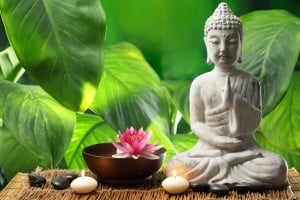
Photo courtesy of iStock/fotohunter
We spend close to two thirds of our lives’ in our own homes. Of course a good portion of that time is spent sleeping, where a person may or may not feel the immediate discomfort of their surroundings, but that doesn’t mean their spirit is in harmony with their environment. Enter Feng Shui.
“Important decisions, such as buying a house, need to be founded on more than just the material values of size, location and cost. Indeed, we need to base all major decisions in our spiritual beliefs for it is when we are in touch with our true nature that we gain access to our deepest wisdom and insight.”, claims Christy Dixon, an Austin Real Estate Agent. “Feng Shui, the ancient Chinese science, is an important tool that can help you connect to your deepest roots and clarify your decision making process. It has become very popular in the United States since the early 90s, with roughly 2 out of every 10 home buyers in Austin considering Feng Shui during their home selection process. “
Feng Shui—what is it?
Feng Shui has its origins in ancient Taoist beliefs and is believed to be more than 3,000 years old. This expansive body of knowledge is built around the Chinese belief that all things are permeated and enlivened by a form of energy known as ‘chi’. Chi can best be described as synonymous with ‘prana’—the breath of life present in all things.
In fact, the art of Feng Shui is very similar to the Indian science of Vastu Shastra described in the ancient Vedic texts. Both concern themselves with the analysis of your surroundings in terms of the flow of universal energy (chi or prana) and how this flow can affect your happiness and success.
Feng (wind) Shui (water), like the Hindu Vastu Shastra, analyses events or locations in terms of the harmony of the five elements. The male and female attributes (yin and yang) also play a key role in understanding Feng Shui. The five elements; earth, water, fire, metal, and wood influence each other and need to be in balance to achieve personal harmony and happiness.
Feng Shui has undergone a renaissance in recent years and is now seen as especially important in the real estate industry. This is because people have seen real benefits for their health, wealth and happiness through the use of Feng Shui. As Donald Trump, in his usual blunt fashion said, “I don’t have to believe in Feng Shui, I do it because it makes me money”.1
How does Feng Shui work?
In practical terms, Feng Shui divides your home or office into eight areas:
- Health
- Money
- Fame
- Love and marriage
- Creativity
- Helpful people
- Career
- Spiritual growth
These areas are represented by the directions of a compass called the ‘Bagua’. Using this compass you can map the energy of your home or office. These compass directions also relate to the elements and each element is further defined by a particular color. The color associations are logical and straightforward as follows:
Wood: green, brown
Fire: red, yellow, orange
Earth: yellow, earthy colors, brown
Metal: white, grey
Water: blue, black

Photo courtesy of Deily
Feng Shui works because energy follows natural laws just as water does. When you block the natural flow of these energies you create problems. These same principles can be seen at play in yoga postures where breath energy is used to release muscular tension and blocks. These subtle principles can also help re-pattern your mental thought processes on a profound level. Balancing these key aspects and allowing the energy to flow freely can ensure your home or office is a happy, healthy and harmonious place to be.
How can Feng Shui help me?
If you are looking to buy or build a new home or office Feng Shui principles can help you avoid making some expensive mistakes. Feng Shui will give you an invaluable insight into how the house design and room placement will support both your material and spiritual well being.
Feng Shui can also help you transform your existing living space should you decide to renovate. Major changes such as turning a bedroom into a kitchen or bathroom for example can be supported by color and decoration changes. Spiritually significant icons placed in strategic positions around the house reinforce these healthier energy flows. Some of the traditional Chinese symbols include the:
- The Dragon
- Coin tied with red string
- Three-legged toad
- Gods of wealth
- Buddha
And many others. These symbols are said to reinforce the beneficial energy flows and subtly transform your thinking processes.
Feng Shui can not only ensure your home or office is happy and prosperous but any building designed according to Feng Shui principles will fetch premium prices on the property market.
Feng Shui and Hinduism
As mentioned earlier, there are strong correlations between the Chinese art of Feng Shui and the Hindu Vastu Shastra. A brief outline of the similarities will allow any Hindu to embrace Feng Shui as a powerful and meaningful support for their Hindu faith.
Like Feng Shui, Vastu is based on the directions of the compass with each quarter representing one of the Hindu gods. In Vastu house design the main door should face east and the God Indra is positioned in this quarter to bring prosperity and good luck. The northeastern direction is ruled by Dharma the God of righteousness and the East is the ideal position for your puja room. Agni, the God of fire is in the South East and this represents the ideal position of a kitchen. The other key deities in the Vastu pantheon are Yama, Niruthi, Varuna, and Vayu.
The above is a very simplistic exploration of Feng Shui and Vastu Shastra but an understanding of these important principles should be at the heart of every Hindu home.
1 http://www.woopidoo.com/business_quotes/feng-shui.htm
Previous Post

January 14, 2016
David Bowie's Death Rocks the World, Religious Leaders Pay Respects
Next Post

March 21, 2016 Holy Week Timeline 2016
Browse Our Archives
Select a Category 10 Best Posts About Deily Ancestors of Faith: Roots of Christianity Council on Foreign Relations: Religion & Foreign Policy Health & Wellness Holidays Member Content on Deily News Political Faith Profiles Pope Francis Religion in the News Uncategorized
Select a Month June 2016 May 2016 April 2016 March 2016 January 2016 December 2015 November 2015 October 2015 September 2015 August 2015
Follow Us!
TAKE THE
Religious Wisdom Quiz
True or False: The Gospel of John records seven miracles (signs) of Jesus.
Select your answer to see how you score.
FALSE TRUE
Related posts from The Deily Blog

An LGBT Rabbi Responds To The Orlando Shooting

Could Religion Survive Contact With Extraterrestrial Life?

Religion Communicators Council 2016 Annual Convention
TRENDING AT PATHEOS Religion News

An LGBT Rabbi Responds To The Orlando Shooting
Omar Seddique’s father said, “This has nothing to do with religion.” He...
Could Religion Survive Contact With Extraterrestrial Life?
Stephen Hawking is reaching for the stars, but he may end up...

Deily Interviews Dena Johnson of Dena Johnson Ministries
Deily: Tell us a little about your background. Why did you decide...

Question How can I become a Christian? Answer from Pastor and Deily...
view all Religion News blogs
Ad-Free & Subscriber Log-In Subscription Support
- About Us
- 2026 Calendar
- Videos
- Podcasts
- Library of World Religions
- Faith In Media Tracker
- Advertise With Us
- Write for Us
- Privacy Policy
- Terms of Service
- Do Not Sell My Data
- Contact Us
- Radiant Digital
- Manage Newsletter Subscriptions
- Unsubscribe From Notifications
- Sitemap
Copyright 2008-2026, Patheos. All rights reserved.
Subscription Support Ad-Free & Subscriber Log-In
Follow Patheos