
BuddhistCatholicContemplativeEvangelicalGeneral ChristianHinduJewishLatter-day SaintMuslimNew VisionsProgressive Christian
Beliefs
- Buddhist
- Catholic
- Contemplative
- Evangelical
- General Christian
- Hindu
- Jewish
- Latter-day Saint
- More Voices
- Muslim
- New Visions
- Pagan
- Progressive Christian
Topics
- Religion News
- Food and Religion
- Sports and Religion
- Religious Art
- Religious Music and Entertainment
- Religious Events
- History and Religion
- Style and Religion
- Politics and Religion
- Women in Religion
- Recreation Outdoors and Religion
- Business Finance and Religion
- Careers Workplace and Religion
- Education and Religion
- Family Parenting and Religion
- Health Fitness and Religion
- Home and Religion
- Relationships and Religion
- Technology and Religion
- Travel and Religion
Columnists
- Buddhist Columnists
- Business Finance and Religion Columnists
- Careers Workplace and Religion Columnists
- Catholic Columnists
- Contemplative Columnists
- Education and Religion Columnists
- Evangelists Columnists
- Family Parenting and Religion Columnists
- General Christian Columnists
- Health Fitness and Religion Columnists
- Hindu Columnists
- History and Religion Columnists
- Home and Religion Columnists
- Jewish Columnists
- More Voices Columnists
- Latter Day Columnists
- Muslim Columnists
- New Visions Columnists
- Nonreligious Columnists
- Pagan Columnists
- Politics and Religion Columnists
- Progressive Columnists
- Recreation Outdoors and Religion Columnists
- Relationships and Religion Columnists
- Religion News Columnists
- Religious Art Columnists
- Religious Events Columnists
- Religious Music and Entertainment Columnists
- Sports and Religion Columnists
- Style and Religion Columnists
- Technology and Religion Columnists
- Travel and Religion Columnists
- Women in Religion Columnists
Resource Library
- 2026 Calendar
- Library of World Religions
- The 100 Most Holy Places on Earth
- Patheos Answers
- Podcasts
- Videos
- Faith Leaders Database
- Anglican Episcopalian
- Bahai
- Baptist
- Buddhism
- Christianity
- Confucianism
- Eastern Orthodoxy
- Hinduism
- Holiness and Pentecostal
- ISKCON
- Islam
- Judaism
- Lutheran
- Methodist
- The Church of Jesus Christ of Latter-day Saints
- New Age
- Paganism
- Presbytarian and Reformed
- Protestantism
- Religion Behind the Scenes
- Roman Catholic
- Scientology
- Shia Islam
- Sikhism
- Sufism
- Sunni Islam
- Taoism
- Zen
- See all religions
Research Tools
 Ad-Free & Subscriber Log-In Subscription Support
Ad-Free & Subscriber Log-In Subscription Support
Follow Patheos 

- Trending:
- Forgiveness
- |
- Marriage
- |
- Consciousness
- |
- Death Penalty
- |
- Election
- |
- Halloween
 Edges of Faith
- Home
- Progressive Christian
- Lenten Disciplines for Social Media: Creating a Better Web Together
Lenten Disciplines for Social Media: Creating a Better Web Together
Last updated on: February 12, 2016 at 2:54 pm by David Roberts
Lenten Disciplines for Social Media: Creating a Better Web Together 2016-02-12T14:54:13+00:00 David Roberts
Patheos Explore the world's faith through different perspectives on religion and spirituality! Patheos has the views of the prevalent religions and spiritualities of the world.

Social media can be a pretty harsh place these days. Death threats, bullying, shaming, and the ever-present Twitter feud. It’s exhausting. Many folks I’ve talked to admit to feeling emotionally frayed, spiritually frustrated, and frankly fearful because of it.
And as I was sitting in an Ash Wednesday service, I began to think about how, during Lent, we tend to focus on disciplines IRL. But increasingly, we are living our lives online, as much as 4.7 hours a day in some cases. While some chose to fast social media for Lent, I began to wonder what Lenten disciplines for social media might look like.
Now, I’m not interested in tone-policing how folks engage online. But I know that over the past year, I’ve pulled back somewhat from online engagement because it was becoming unhealthy. When what’s happening on Twitter, Facebook, or in the comments on my blog disrupts my ability to help my kids with their homework, I knew it was time for a change. Here are some boundaries, disciplines, and things I tell myself that I have found helpful personally.
1. You don’t have to engage with every person who disagrees with your Facebook post, tweet, or blog. Let it go. You’re actually not that important. Not everyone is going to agree with you, even if you are CLEARLY in the right and they are CLEARLY in the wrong. And don’t play the role of persecuted social media Christian to your fans and friends. Make a practice of engaging with the intent of listening rather than being heard. Make a discipline of exiting unproductive conversations without parting shots across the bow — either direct or passive aggressive attacks. In the heat of the moment, open up a Word document, write all the responses you would like to tweet, and come back to it in the morning with thanksgiving that you had the courage to be quiet.
2. Social media is not a place for personalized theological, social, or racial education. That’s what libraries, Google, and classes are for. If you are *really* interested in an argument or a perspective someone puts forward, I’d be willing to bet there are lots of books, essays, and even easy to find blog posts on the subject. Develop an inquisitive spirit but not an entitled one. Don’t expect the person you follow on Twitter to be your professor or personal trainer for more just living. Unless you want to pay them to be your life coach or something.
3. Walk away. Having a terrible, no-good, awful day? Instead of doubling down, try closing the laptop, opening the Prayer Book, going for a walk. Better yet, don’t even log in. Something will rankle you and you might be more likely to pop off without thinking. My worst, snarkiest, most critical social media behavior tends to come after a long day, when I’m really tired, or am dealing with other issues in my life. Had I just chosen to take a nice hot bath, I probably would have saved myself a lot of online stress.
4. Fast from outrage. This doesn’t mean to stop being angry or upset over injustices, but maybe raging out online isn’t the most productive thing to do for your cause. Know what your triggers are and steer clear of them.
5. Create safe spaces for yourself online. We all need to vent every now and then. That’s okay. We just don’t have to do it in front of everyone.
6. Use the World Table commenting system. As bad as Twitter and Facebook can be, the comments sections on blogs are often the worst. They are no longer safe spaces, and it takes quite a bit of emotional effort to moderate vicious and specific death threats and vile, hateful slurs. So like many Patheos bloggers, I’m trying out the World Table commenting system in hopes of doing something to systemically address the brutal nature of the behavior in the comments section here.
What do you do to set boundaries for yourself online? What helps you step away and engage in a healthy way without betraying who you are and what you are passionate about? What does Lent look like for you on social media?
Image Credit: Thoth God of Knowledge/Flickr C.C.
Previous Post

February 8, 2016
Soot, Stones, and Stewardship: A Homily for the First Sunday in Lent
Browse Our Archives
Select a Category Black Lives Matter Christian Calendar Daily Office Essay Fiction Film homily Humor Lectionary Lenten Meditations Living Faith Meditation Ministry Parable Parenting Poem Politics Pop Culture Reflection Satire Sketch Uncategorized
Select a Month December 2016 September 2016 August 2016 July 2016 June 2016 May 2016 April 2016 March 2016 February 2016 January 2016 December 2015 November 2015 October 2015 September 2015 August 2015 July 2015 June 2015 May 2015 April 2015 March 2015 February 2015 January 2015 December 2014 November 2014 October 2014 August 2014 July 2014 June 2014 April 2014 March 2014 February 2014 December 2013 November 2013 October 2013 September 2013 August 2013 July 2013 June 2013 May 2013 April 2013 March 2013 February 2013 December 2012 October 2012 September 2012 August 2012 May 2012 April 2012 March 2012 February 2012 January 2012 December 2011 November 2011 October 2011 September 2011
Follow Us!
TAKE THE
Religious Wisdom Quiz
What city did the Good Samaritan's story happen on the road to?
Select your answer to see how you score.
Bethlehem Jerusalem Jericho Nazareth
Related posts from Edges of Faith

Welcoming Wonder and Curiosity: Lessons from a Comic...

Keep Christianity Weird: The Trinity, Mermaids, UFOs, and...
Fear Will Be the Big Winner on Super...
TRENDING AT PATHEOS Progressive Christian

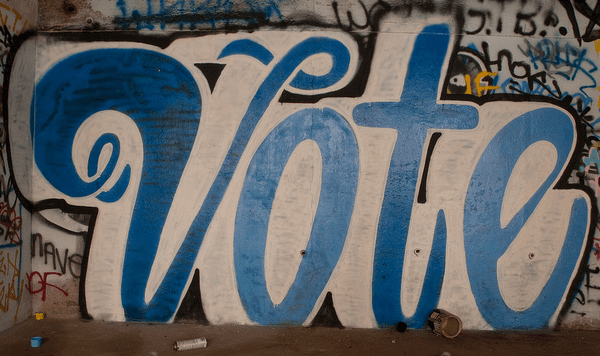
Why Christians Have a Sacred Duty to Vote:...
The Bible offers strong support for the sacred duty to vote. Here...

What Being a Modern-Day Apostle Means to Me
In my last column, I discussed the ins and outs of modern-day...

Did Ancient China Once Worship the God of...
Across human history, a common thread weaves through the origins of the...

Love Your Neighbor – Including Earth-Kin: Lev. 19,...
God’s command to love your neighbor means acting in an ethical and...

Lead a Church Study of “Jesus and Lao...
Guest writer Jack Thomas (The Irreverent Reverend) reflects on leading his church...

Principles for Understanding the Apostolic Ministry Today
Whenever people discover that my formal ministry title is "apostle," as in...
view all Progressive Christian blogs
Ad-Free & Subscriber Log-In Subscription Support
- About Us
- 2026 Calendar
- Videos
- Podcasts
- Library of World Religions
- Faith In Media Tracker
- Advertise With Us
- Write for Us
- Privacy Policy
- Terms of Service
- Do Not Sell My Data
- Contact Us
- Radiant Digital
- Manage Newsletter Subscriptions
- Unsubscribe From Notifications
- Sitemap
Copyright 2008-2026, Patheos. All rights reserved.
Subscription Support Ad-Free & Subscriber Log-In
Follow Patheos