
BuddhistCatholicContemplativeEvangelicalGeneral ChristianHinduJewishLatter-day SaintMuslimNew VisionsProgressive Christian
Beliefs
- Buddhist
- Catholic
- Contemplative
- Evangelical
- General Christian
- Hindu
- Jewish
- Latter-day Saint
- More Voices
- Muslim
- New Visions
- Pagan
- Progressive Christian
Topics
- Religion News
- Food and Religion
- Sports and Religion
- Religious Art
- Religious Music and Entertainment
- Religious Events
- History and Religion
- Style and Religion
- Politics and Religion
- Women in Religion
- Recreation Outdoors and Religion
- Business Finance and Religion
- Careers Workplace and Religion
- Education and Religion
- Family Parenting and Religion
- Health Fitness and Religion
- Home and Religion
- Relationships and Religion
- Technology and Religion
- Travel and Religion
Columnists
- Buddhist Columnists
- Business Finance and Religion Columnists
- Careers Workplace and Religion Columnists
- Catholic Columnists
- Contemplative Columnists
- Education and Religion Columnists
- Evangelists Columnists
- Family Parenting and Religion Columnists
- General Christian Columnists
- Health Fitness and Religion Columnists
- Hindu Columnists
- History and Religion Columnists
- Home and Religion Columnists
- Jewish Columnists
- More Voices Columnists
- Latter Day Columnists
- Muslim Columnists
- New Visions Columnists
- Nonreligious Columnists
- Pagan Columnists
- Politics and Religion Columnists
- Progressive Columnists
- Recreation Outdoors and Religion Columnists
- Relationships and Religion Columnists
- Religion News Columnists
- Religious Art Columnists
- Religious Events Columnists
- Religious Music and Entertainment Columnists
- Sports and Religion Columnists
- Style and Religion Columnists
- Technology and Religion Columnists
- Travel and Religion Columnists
- Women in Religion Columnists
Resource Library
- 2026 Calendar
- Library of World Religions
- The 100 Most Holy Places on Earth
- Patheos Answers
- Podcasts
- Videos
- Faith Leaders Database
- Anglican Episcopalian
- Bahai
- Baptist
- Buddhism
- Christianity
- Confucianism
- Eastern Orthodoxy
- Hinduism
- Holiness and Pentecostal
- ISKCON
- Islam
- Judaism
- Lutheran
- Methodist
- The Church of Jesus Christ of Latter-day Saints
- New Age
- Paganism
- Presbytarian and Reformed
- Protestantism
- Religion Behind the Scenes
- Roman Catholic
- Scientology
- Shia Islam
- Sikhism
- Sufism
- Sunni Islam
- Taoism
- Zen
- See all religions
Research Tools
 Ad-Free & Subscriber Log-In Subscription Support
Ad-Free & Subscriber Log-In Subscription Support
Follow Patheos 

- Trending:
- Forgiveness
- |
- Marriage
- |
- Consciousness
- |
- Death Penalty
- |
- Election
- |
- Halloween
 When Gods Were Men
- Home
- Latter-day Saint
- History and Religion
- Marcus Borg on How to Save the Bible
Marcus Borg on How to Save the Bible
Last updated on: April 30, 2015 at 9:08 am by David Bokovoy
Marcus Borg on How to Save the Bible 2015-04-30T09:08:49-06:00 David Bokovoy
Patheos Explore the world's faith through different perspectives on religion and spirituality! Patheos has the views of the prevalent religions and spiritualities of the world.
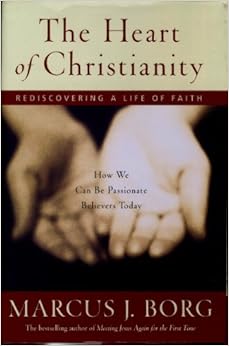
What are we to make of the Bible? It is a historical product that lacks historicity. God, according to the text, is real and he has in the past interacted directly with humanity. But what does that mean if the past depicted in the Bible is not always historically correct? This topic is addressed by Christian theologian and New Testament scholar Marcus Borg in his classic work The Heart of Christianity: Rediscovering a Life of Faith. I find his approach quite insightful. Borg’s study provides the following five points concerning the Bible as a historical product. From Borg’s perspective, recognizing these points can help readers address some of the concerns sometimes expressed concerning the Bible’s theological portrayals of God:
* The Bible is the product of two historical communities, ancient Israel and the early Christian movement.
* As such, it is a human product, not a divine product. This claim in no way denies the reality of God. Rather, it sees the Bible as the response of these two ancient communities to God.
* As their response to God, the Bible tells us how they saw things. Above all, it tells us how they saw their life with God. It contains their stories about God’s involvement in their lives, their laws and ethical teachings, their prayers and praises, their wisdom about how to live, and their hopes and dreams. It is not God’s witness to God (not a divine product), but their witness to God.
* As a human product, the Bible is not ‘absolute truth’ or ‘God’s revealed truth,’ but relative and culturally conditioned. To many, ‘relative’ and ‘culturally conditioned’ means something inferior, even negative. But ‘relative’ means ‘related’: the Bible is related to their time and place. So also ‘culturally conditioned’ means that the bible uses the language and concepts of the cultures in which it took shape…
* When the Bible is approached in this way, many of the problems that people have with the Bible largely disappear. The conflict between the Genesis creation stories and science vanishes. The laws of the Bible need not be understood as God’s laws for all time, but as the laws and ethical teachings of these communities. The stories of God destroying Israel’s enemies are Israel’s way of telling its story, just as violent destruction of the enemies of Christ is what some early Christians hoped for. Of course, this realization doesn’t make these ‘good stories’; but at least the problem of thinking of them as expressing the will of God disappears. In general, the literal and absolute reading of the Bible as infallible words of God disappears and is replaced by a historical and metaphorical reading (pp. 45-46).
Previous Post

April 19, 2015
Mormon Miscellaneous with Van Hale
Next Post
May 9, 2015 The Word of God: Both Scandalous and Divine
Browse Our Archives
Select a Category Bible Book of Mormon Documentary Hypothesis Eden Eve Feminism Genesis goddesses Gods Historical Criticism Judaism Mormon Studies New Testament Prophecy Prophets Religion Religious Studies Social Justice Uncategorized
Select a Month November 2015 July 2015 May 2015 April 2015 March 2015 February 2015 January 2015 December 2014 November 2014 October 2014 July 2014 April 2014 March 2014 January 2014
Follow Us!
TAKE THE
Religious Wisdom Quiz
How many years from creation to Abraham?
Select your answer to see how you score.
1500 years Approximately 2000 years 2500 years 1000 years
Related posts from When Gods Were Men


The Word of God: Both Scandalous and Divine

Who Wrote the Gospels? (part 3)

Who Wrote the Gospels (part 2)
TRENDING AT PATHEOS Latter-day Saint

Did Prayer Cure His Cancer? Or Was It...
At 4 AM one morning, Joshua W. Brown’s wife awoke to a...

8 Ways a Near-Death Experience Rewires the Soul
Does Consciousness Survive Physical Death? After 50 Years of Research, Dr. Raymond...

Holy Longing: What Our Restlessness Is Telling Us
“One can find so many pains when the rain is falling.” -John...

What this is NOT about. This blog is definitely not about...

Who said the Israelites were God’s chosen? That’s right, they did. Who...

The Spirit World Is the Real World: God...
A Monk’s Wisdom on Body and Spirit I sit with Brother Martin...
view all Latter-day Saint blogs
Ad-Free & Subscriber Log-In Subscription Support
- About Us
- 2026 Calendar
- Videos
- Podcasts
- Library of World Religions
- Faith In Media Tracker
- Advertise With Us
- Write for Us
- Privacy Policy
- Terms of Service
- Do Not Sell My Data
- Contact Us
- Radiant Digital
- Manage Newsletter Subscriptions
- Unsubscribe From Notifications
- Sitemap
Copyright 2008-2026, Patheos. All rights reserved.
Subscription Support Ad-Free & Subscriber Log-In
Follow Patheos