
BuddhistCatholicContemplativeEvangelicalGeneral ChristianHinduJewishLatter-day SaintMuslimNew VisionsProgressive Christian
Beliefs
- Buddhist
- Catholic
- Contemplative
- Evangelical
- General Christian
- Hindu
- Jewish
- Latter-day Saint
- More Voices
- Muslim
- New Visions
- Pagan
- Progressive Christian
Topics
- Religion News
- Food and Religion
- Sports and Religion
- Religious Art
- Religious Music and Entertainment
- Religious Events
- History and Religion
- Style and Religion
- Politics and Religion
- Women in Religion
- Recreation Outdoors and Religion
- Business Finance and Religion
- Careers Workplace and Religion
- Education and Religion
- Family Parenting and Religion
- Health Fitness and Religion
- Home and Religion
- Relationships and Religion
- Technology and Religion
- Travel and Religion
Columnists
- Buddhist Columnists
- Business Finance and Religion Columnists
- Careers Workplace and Religion Columnists
- Catholic Columnists
- Contemplative Columnists
- Education and Religion Columnists
- Evangelists Columnists
- Family Parenting and Religion Columnists
- General Christian Columnists
- Health Fitness and Religion Columnists
- Hindu Columnists
- History and Religion Columnists
- Home and Religion Columnists
- Jewish Columnists
- More Voices Columnists
- Latter Day Columnists
- Muslim Columnists
- New Visions Columnists
- Nonreligious Columnists
- Pagan Columnists
- Politics and Religion Columnists
- Progressive Columnists
- Recreation Outdoors and Religion Columnists
- Relationships and Religion Columnists
- Religion News Columnists
- Religious Art Columnists
- Religious Events Columnists
- Religious Music and Entertainment Columnists
- Sports and Religion Columnists
- Style and Religion Columnists
- Technology and Religion Columnists
- Travel and Religion Columnists
- Women in Religion Columnists
Resource Library
- 2026 Calendar
- Library of World Religions
- The 100 Most Holy Places on Earth
- Patheos Answers
- Podcasts
- Videos
- Faith Leaders Database
- Anglican Episcopalian
- Bahai
- Baptist
- Buddhism
- Christianity
- Confucianism
- Eastern Orthodoxy
- Hinduism
- Holiness and Pentecostal
- ISKCON
- Islam
- Judaism
- Lutheran
- Methodist
- The Church of Jesus Christ of Latter-day Saints
- New Age
- Paganism
- Presbytarian and Reformed
- Protestantism
- Religion Behind the Scenes
- Roman Catholic
- Scientology
- Shia Islam
- Sikhism
- Sufism
- Sunni Islam
- Taoism
- Zen
- See all religions
Research Tools
 Ad-Free & Subscriber Log-In Subscription Support
Ad-Free & Subscriber Log-In Subscription Support
Follow Patheos 

- Trending:
- Forgiveness
- |
- Marriage
- |
- Consciousness
- |
- Death Penalty
- |
- Election
- |
- Halloween
 When Gods Were Men
- Home
- Latter-day Saint
- History and Religion
- Minimalists versus Maximalists and Contemporary Scholarship
Minimalists versus Maximalists and Contemporary Scholarship
Last updated on: January 24, 2015 at 10:31 pm by David Bokovoy
Minimalists versus Maximalists and Contemporary Scholarship 2015-01-24T22:31:36-06:00 David Bokovoy
Patheos Explore the world's faith through different perspectives on religion and spirituality! Patheos has the views of the prevalent religions and spiritualities of the world.
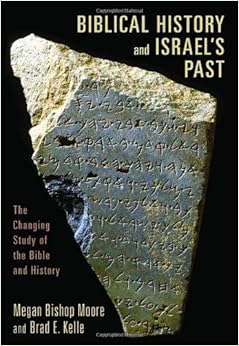
For some reason, I have recently received a few messages from readers interested in where I stand in relationship to the “Minimalist vs. Maximalist” debate. For those not familiar with this term, the so-called “Minimalist vs. Maximalist” debates refer to discussions that occurred some twenty to thirty years ago in biblical studies.
To answer the question, like all mainstream scholars, I don’t fit into either group. While we will always continue to debate issues concerning Israel’s past, the truth is that contemporary biblical scholarship has surpassed the specific concerns that once characterized the Minimalist and Maximalists discussions of the 1990’s.
Perhaps the best way to summarize the matter is to cite Megan Bishop Moore and Brad E. Kelle’s recent assessment of the matter in their work, Biblical History and Israel’s Past: The Changing Study of the Bible and History published in 2011 by Eerdman’s. The authors explain:
“The study of Israel’s past has moved beyond the minimalist-maximalist debate. Lester Grabbe’s Ancient Israel: What Do We Know and How Do We Know It? (2007), Victor Matthew’s Studying the Ancient Israelites: A Guide to Sources and Methods (2007), and Hans Barstad’s History and the Hebrew Bible (2008) are books that are, in effect, modern prolegomena to Israel’s history. Rather than write histories of Israel, Grabbe, Matthews, and Barstad put evidence for ancient Israel and issues about how to interpret it in front of the reader. Other recent histories, such as K.L. Noll’s Canaan and Israel in Antiquity (2001), reflect 1990’s concerns and attempt to include ancient Israel in a broader geographical and chronological span than twelfth-century-to-third-century central hill country Palestine. Recently, Mario Liverani has offered a history of Israel that neither fully adopts what he calls the traditional format, which, in his opinion, does not understand the biblical sources fully in their context (which he sees as the Persian period), nor entirely endorses minimalist ideas, which, he says, do not recognize the importance of the ancient material that the biblical authors used. Meanwhile, the study of Israel’s past outside of the formal disciple of history, especially through archeology, has continued.” (p. 39).
So like all mainstream scholars today, even though I feel sincerely grateful for the earlier academic discussions of our predecessors, I don’t find myself in either of these two camps. Contemporary studies have matured beyond these debates in the 1990’s.
It’s an exciting time!
Previous Post

January 24, 2015
William Schniedewind on Scribalism and the Development of the Bible
Next Post
January 27, 2015 Mosaic Authorship: Creating History, Creating Torah
Browse Our Archives
Select a Category Bible Book of Mormon Documentary Hypothesis Eden Eve Feminism Genesis goddesses Gods Historical Criticism Judaism Mormon Studies New Testament Prophecy Prophets Religion Religious Studies Social Justice Uncategorized
Select a Month November 2015 July 2015 May 2015 April 2015 March 2015 February 2015 January 2015 December 2014 November 2014 October 2014 July 2014 April 2014 March 2014 January 2014
Follow Us!
TAKE THE
Religious Wisdom Quiz
What year did the Great Schism occur, splitting the Eastern and Western churches?
Select your answer to see how you score.
325 AD 500 AD 1054 AD 1517 AD
Related posts from When Gods Were Men


The Word of God: Both Scandalous and Divine

Marcus Borg on How to Save the Bible

Who Wrote the Gospels? (part 3)
TRENDING AT PATHEOS Latter-day Saint

Did Prayer Cure His Cancer? Or Was It...
At 4 AM one morning, Joshua W. Brown’s wife awoke to a...

8 Ways a Near-Death Experience Rewires the Soul
Does Consciousness Survive Physical Death? After 50 Years of Research, Dr. Raymond...

Holy Longing: What Our Restlessness Is Telling Us
“One can find so many pains when the rain is falling.” -John...

What this is NOT about. This blog is definitely not about...

Who said the Israelites were God’s chosen? That’s right, they did. Who...

The Spirit World Is the Real World: God...
A Monk’s Wisdom on Body and Spirit I sit with Brother Martin...
view all Latter-day Saint blogs
Ad-Free & Subscriber Log-In Subscription Support
- About Us
- 2026 Calendar
- Videos
- Podcasts
- Library of World Religions
- Faith In Media Tracker
- Advertise With Us
- Write for Us
- Privacy Policy
- Terms of Service
- Do Not Sell My Data
- Contact Us
- Radiant Digital
- Manage Newsletter Subscriptions
- Unsubscribe From Notifications
- Sitemap
Copyright 2008-2026, Patheos. All rights reserved.
Subscription Support Ad-Free & Subscriber Log-In
Follow Patheos