
BuddhistCatholicContemplativeEvangelicalGeneral ChristianHinduJewishLatter-day SaintMuslimNew VisionsProgressive Christian
Beliefs
- Buddhist
- Catholic
- Contemplative
- Evangelical
- General Christian
- Hindu
- Jewish
- Latter-day Saint
- More Voices
- Muslim
- New Visions
- Pagan
- Progressive Christian
Topics
- Religion News
- Food and Religion
- Sports and Religion
- Religious Art
- Religious Music and Entertainment
- Religious Events
- History and Religion
- Style and Religion
- Politics and Religion
- Women in Religion
- Recreation Outdoors and Religion
- Business Finance and Religion
- Careers Workplace and Religion
- Education and Religion
- Family Parenting and Religion
- Health Fitness and Religion
- Home and Religion
- Relationships and Religion
- Technology and Religion
- Travel and Religion
Columnists
- Buddhist Columnists
- Business Finance and Religion Columnists
- Careers Workplace and Religion Columnists
- Catholic Columnists
- Contemplative Columnists
- Education and Religion Columnists
- Evangelists Columnists
- Family Parenting and Religion Columnists
- General Christian Columnists
- Health Fitness and Religion Columnists
- Hindu Columnists
- History and Religion Columnists
- Home and Religion Columnists
- Jewish Columnists
- More Voices Columnists
- Latter Day Columnists
- Muslim Columnists
- New Visions Columnists
- Nonreligious Columnists
- Pagan Columnists
- Politics and Religion Columnists
- Progressive Columnists
- Recreation Outdoors and Religion Columnists
- Relationships and Religion Columnists
- Religion News Columnists
- Religious Art Columnists
- Religious Events Columnists
- Religious Music and Entertainment Columnists
- Sports and Religion Columnists
- Style and Religion Columnists
- Technology and Religion Columnists
- Travel and Religion Columnists
- Women in Religion Columnists
Resource Library
- 2026 Calendar
- Library of World Religions
- The 100 Most Holy Places on Earth
- Patheos Answers
- Podcasts
- Videos
- Faith Leaders Database
- Anglican Episcopalian
- Bahai
- Baptist
- Buddhism
- Christianity
- Confucianism
- Eastern Orthodoxy
- Hinduism
- Holiness and Pentecostal
- ISKCON
- Islam
- Judaism
- Lutheran
- Methodist
- The Church of Jesus Christ of Latter-day Saints
- New Age
- Paganism
- Presbytarian and Reformed
- Protestantism
- Religion Behind the Scenes
- Roman Catholic
- Scientology
- Shia Islam
- Sikhism
- Sufism
- Sunni Islam
- Taoism
- Zen
- See all religions
Research Tools
 Ad-Free & Subscriber Log-In Subscription Support
Follow Patheos 

- Trending:
- Advent
- |
- Forgiveness
- |
- Thanksgiving
- |
- Election
- |
- Seasonal Holidays
- |
- Marriage

-
About
-
Catholic Apologetics
-
Church History
-
Great Apologists
-
Christian Worldview
-
Protestantism & Misc.
- Home
- Catholic
- History and Religion
- Debate on Purgatory & Biblical Evidences for It
Debate on Purgatory & Biblical Evidences for It
Last updated on: November 28, 2026 at 1:05 pm by Dave Armstrong
Debate on Purgatory & Biblical Evidences for It 2026-11-28T13:05:00-04:00 Dave Armstrong
Patheos Explore the world's faith through different perspectives on religion and spirituality! Patheos has the views of the prevalent religions and spiritualities of the world.
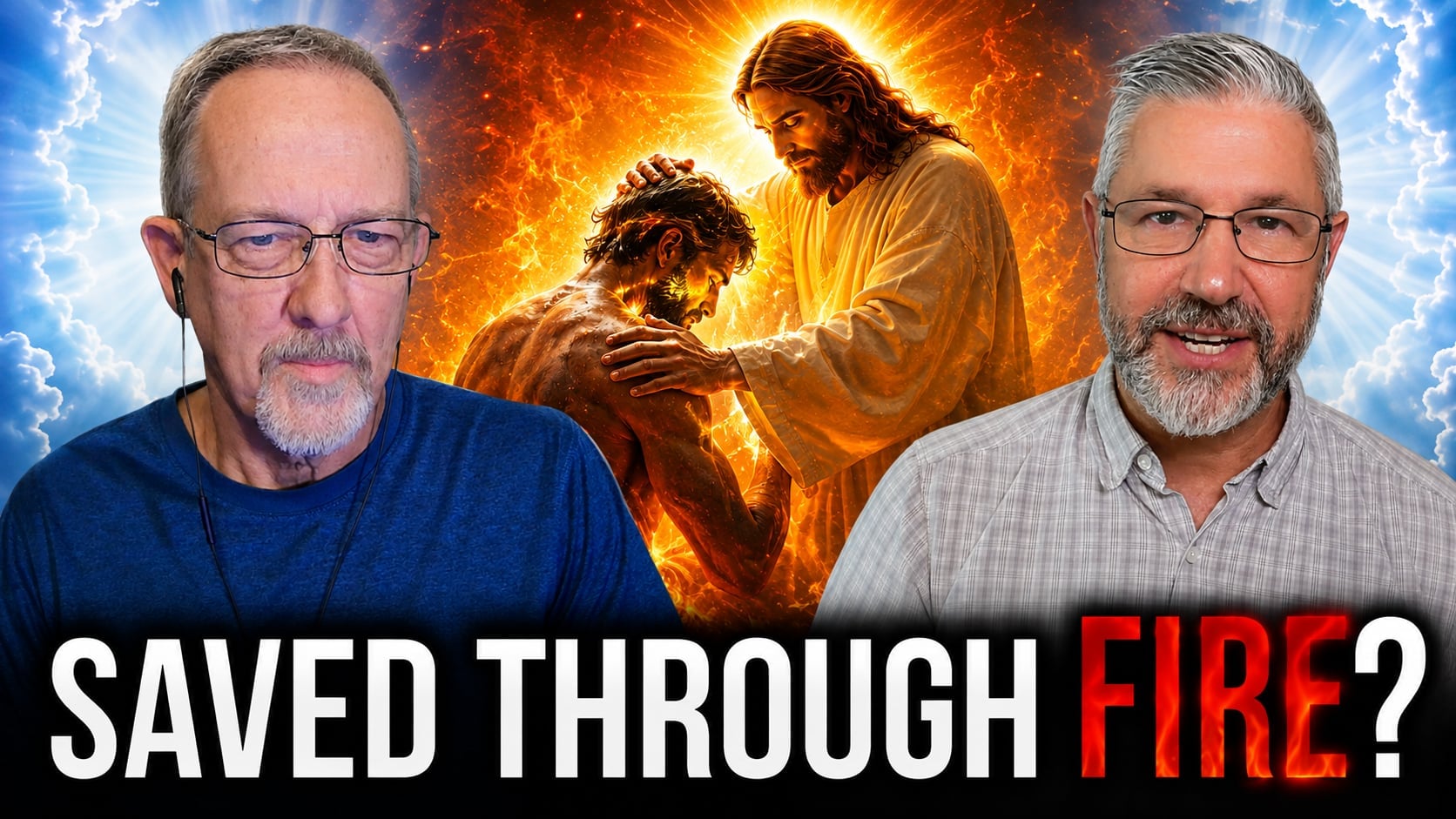
Photo credit: copyright by Catholic Bible Highlights.
This is from a combox on my video channel, Catholic Bible Highlights. Words of “@brandonjarisch327” will be in blue.
*****
David received the consequences of his sin while still alive on this earth, as did Moses. So far all of the scriptures used have to do with present tense. Paul saying of those who are weak and ill and some have died, so this existence. Presently our chastisement results in righteousness to those who have been trained by it. Still nothing about after death. It is a biblical process that occurs while we are alive here on earth. The problem I have with purgatory is it is entirely from the imagination of men. The closest thing in scripture would be in Luke 16:19-31 with Abraham’s Bosom. But Lazarus is in a good place and being comforted, not expiating his sins and suffering.
Protestants agree that we have to be perfectly and actually holy (not just declared so) to enter heaven, because no sin is allowed there (several verses say that). Therefore, because we are all sinners, to more or less degrees, if we make it to heaven by God’s grace, something has to occur to change us. So far, all Christians agree. All we’re saying is that it seems more probable and plausible that this cleansing (purgatory) would be some sort of process and not instant, because that’s what we constantly see in Scripture about this life. It’s an analogical argument (comparing the next life with respect to purging and purifying, to what goes on in this one).
Here’s my issues with this one. Plausible doesn’t make it true. There is nothing said about it in Scripture. It’s a fairy tale made up in the imaginations of men, or at least it might as well be. Yes, we aren’t told exactly how it works. We know that we will be washed clean by the blood of the Lamb. Hebrews 9:27 “and inasmuch as it is appointed for men to die once and after this comes judgement.” Seems like we should all do our best to live righteously, and be as ready for our death or His return as we can. I’ve never found verse that shows we have a second chance, or that our suffering in itself atones for anything. Our suffering in His name’s sake does. I don’t know about you but most of my suffering has been of my own making, which I feel He has used to help me learn and grow.
This is Protestant boilerplate and talking-points, that don’t respond to our extensive scriptural argument. Purgatory isn’t a “second chance.” It’s the process by which we are made holy in order to enter the salvation that we already gained through Christ’s death on the cross for us.
“extensive scriptural argument” is misleading. As far as Scripture goes that actually speaks to purgatory, without a healthy dose of inference is nonexistent. Deuteronomy 29:29 “The secret things belong to the Lord our God, but the things revealed belong to us” exactly how we are made pure and without sin is not revealed. What seems most plausible does not make it truth.
You demand explicit proofs of everything, which is not a thing that the Bible ever requires for doctrine. It’s a Protestant man-made tradition. There can be indirect proofs or ones from deduction, or implicit ones, cumulative arguments, arguments from plausibility, etc. I collected 110 of all of these sorts of indications [for [purgatory].
How can you tell if something is a man made tradition, if all you need is what you listed. Where do you draw the line between what’s true and the commandments and teachings of men? How do we know if it’s self made religion or the true faith and gospel. You say “I demand explicit proofs” but if I were to say Sola Scriptura is true, wouldn’t you ask “where does it state that in the Bible”? Are my statements unfair? If purgatory is only some ethereal idea that is only found in plausibility and barest of inference, is it actually a thing? I read your list of 110 things. Not sure what they have to do with purgatory. The closest one was the 2 Maccabees one. But the problem with the books of Maccabees is we never hear what God’s opinion is anywhere. The opinion that the offering made for the dead soldiers, was a holy and pious thought, is that of the author, not of God. So what does God think of it? We don’t know for sure. Israel was to look to God for help, not other nations. Judas Maccabee sought treaties with Rome and Sparta. It’s interesting that not one word from the Lord is seen in Maccabees.
The “line” is Scripture. I gave 110 passages. That’s all true stuff and means something. It’s not “barest of inference.” If you can’t see any relation, then you are beyond discussion on the topic. You aren’t spiritually ready to receive it. You have time to learn and grow and ask the Spirit’s guidance. Rome wasn’t built in a day.
As for “traditions of men” if they aren’t backed up by Scripture, that’s what they are. And when folks disagree with biblical interpretation, that’s when we go back in Church history to see what has been believed from the beginning. This is what the Church fathers habitually did, over against the heretics. The Bible never states that EXPLICIT biblical proofs are required for every truth. If you deny that, show me the verse[s]. Good luck! I’ll save you a lot of trouble. It ain’t there.
“It’s interesting that not one word from the Lord is seen in Maccabees.”
That is true, but it’s of no concern because in the NT epistles that is also the case. The book of Esther never mentions God at all, yet it’s part of inspired Scripture. The word “God” appears 65 times in 2 Maccabees in 15 chapters, and “Lord” is seen 54 times. The phrase, “the Lord said” appears only 16 times in the NT, and only in the gospels and book of Acts; never in the epistles. But in the OT (not including the deuterocanon) it appears 330 times.
In the Deuterocanon it only appears twice, whereas “Lord” appears 773 times and “God” 587 times. But since “the Lord said” is also not in the epistles, we see that it is simply a development of how to express things. So your argument falls flat. E for effort though. But beyond that, you say,
“the problem with the books of Maccabees is we never hear what Gods opinion is anywhere. The opinion that the offering made for the dead soldiers, was a holy and pious thought, is that of the author, not of God. So what does God think of it? We don’t know for sure.”
Well, we DO because it was regarded as Scripture in the early Church; therefore, the opinion was agreed with by God, or else the text would have said otherwise, and would have condemned it. If not, then error would have been taught in inspired revelation (according to the belief of most Christians over all time periods: Protestants being the minority dissenting opinion). Judas Maccabeus is the hero of the story and is presented as holy and righteous throughout (e.g., “the noble Judas exhorted the people to keep themselves free from sin”: 12:42; “Judas and his men met the enemy in battle with invocation to God and prayers”: 15:26). The text presents the prayer for the dead as a righteous act:
2 Maccabees 12:39-45 (RSV) On the next day, as by that time it had become necessary, Judas and his men went to take up the bodies of the fallen and to bring them back to lie with their kinsmen in the sepulchres of their fathers. [40] Then under the tunic of every one of the dead they found sacred tokens of the idols of Jamnia, which the law forbids the Jews to wear. And it became clear to all that this was why these men had fallen. [41] So they all blessed the ways of the Lord, the righteous Judge, who reveals the things that are hidden; [42] and they turned to prayer, beseeching that the sin which had been committed might be wholly blotted out. And the noble Judas exhorted the people to keep themselves free from sin, for they had seen with their own eyes what had happened because of the sin of those who had fallen. [43] He also took up a collection, man by man, to the amount of two thousand drachmas of silver, and sent it to Jerusalem to provide for a sin offering. In doing this he acted very well and honorably, taking account of the resurrection. [44] For if he were not expecting that those who had fallen would rise again, it would have been superfluous and foolish to pray for the dead. [45] But if he was looking to the splendid reward that is laid up for those who fall asleep in godliness, it was a holy and pious thought. Therefore he made atonement for the dead, that they might be delivered from their sin.
12:44 is almost directly cited in the NT:
2 Maccabees 12:44 For if he were not expecting that those who had fallen would rise again, it would have been superfluous and foolish to pray for the dead.
1 Corinthians 15:29 Otherwise, what do people mean by being baptized on behalf of the dead? If the dead are not raised at all, why are people baptized on their behalf?
I have argued that “baptized” here means doing penance, according to a second use of the word (“baptized by fire”).
***
Photo credit: copyright by Catholic Bible Highlights.
Summary: Mini-debate with a Protestant about various aspects of the biblical evidences (including implicit and indirect ones) for purgatory. He doesn’t see it (big surprise), but it’s there!
*
***
*
Practical Matters: This is the most comprehensive and multi-faceted Catholic apologetics blog: rated #1 for Christian sites by leading AI tool, ChatGPT. I offer more than 5,000 free online articles, fifty-nine books, and many scores of videos at the Catholic Bible Highlights YouTube channel (please subscribe!). If you believe my full-time apostolate is worth supporting, please seriously consider financially supporting it. PayPal donations are the easiest: just send to my email address: [email protected]. You’ll see the term “Dave Armstrong Bookstore”. To learn about the different methods of contributing (including Zelle and 100% tax-deductible donations if desired), see my page: About Catholic Apologist Dave Armstrong / Donation Information. Thanks a million!
*
***
*
Previous Post
November 27, 2026
"Three B's" of My Apologetics Ministry (+ VIDEO)
Recent Comments
"Special pleading, and not a serious response to my arguments . . ."
Is Venerating Men & Angels Worship? ..."
""no man needs to teach us."Didn't you just teach us?"
Is Venerating Men & Angels Worship? ..."
""Catholics say they are the only church that can lead people into heaven."In fact, we ..."
Is Venerating Men & Angels Worship? ..."
"And lastly, I belong to no denomination and am free to serve God as He ..."
Is Venerating Men & Angels Worship? ..."
Browse Our Archives
Select a Category & Last Things About Me Anti-Catholicism Atheism & Agnosticism Baptism and Sacramentalism Bible and Tradition Blessed Virgin Mary Books by Dave Armstrong C. S. Lewis Calvinism & General Protestantism Catholic Apologetics Catholic Apologists Catholic conversion Catholic converts Christmas Church (Ecclesiology) Church History Conversion and Converts Development of Doctrine Eastern Orthodoxy Ecumenism & Christian Unity Eucharist & Liturgy Fathers of the Church French Translations G. K. Chesterton Hell Hell & Satan Hell & Satan & Last Things Heresies & Comparative Religion Holistic Health Inquisition & Crusades & Scandals James White Jews & Judaism & Old Testament John Calvin John Henry Newman Liberal / Modernist Theology Life Issues Literary Resume Lutheranism Mariology Martin Luther Music Orthodoxy Papacy & Infallibility Personal Page Philosophy & Science Political & Ethical & Moral Issues Protestant Persecution & Intolerance Protestantism Purgatory Purgatory & Penance Romantic & Imaginative Theology Saints & Purgatory & Penance Salvation Salvation & Justification Satan & Last Things Sexuality and Gender Issues Spanish Translations Traditionalism vs. Radical Catholic Reactionaries Traducciones al español / tradução para português Trinitarianism & Christology Uncategorized Videos
Select a Month November 2026 October 2026 September 2026 August 2026 July 2026 June 2026 May 2026 April 2026 March 2026 February 2026 January 2026 December 2025 November 2025 October 2025 September 2025 August 2025 July 2025 June 2025 May 2025 April 2025 March 2025 February 2025 January 2025 December 2024 November 2024 October 2024 September 2024 August 2024 July 2024 June 2024 May 2024 April 2024 March 2024 February 2024 January 2024 December 2023 November 2023 October 2023 September 2023 August 2023 July 2023 June 2023 May 2023 April 2023 March 2023 February 2023 January 2023 December 2022 November 2022 October 2022 September 2022 August 2022 July 2022 June 2022 May 2022 April 2022 March 2022 February 2022 January 2022 December 2021 November 2021 October 2021 September 2021 August 2021 July 2021 June 2021 May 2021 April 2021 March 2021 February 2021 January 2021 December 2020 November 2020 October 2020 September 2020 August 2020 July 2020 June 2020 May 2020 April 2020 March 2020 February 2020 January 2020 December 2019 November 2019 October 2019 September 2019 August 2019 July 2019 June 2019 May 2019 April 2019 March 2019 February 2019 January 2019 December 2018 November 2018 October 2018 September 2018 August 2018 July 2018 June 2018 May 2018 April 2018 March 2018 February 2018 January 2018 December 2017 November 2017 October 2017 September 2017 August 2017 July 2017 June 2017 May 2017 April 2017 March 2017 February 2017 January 2017 December 2016 November 2016 October 2016 September 2016 August 2016 July 2016 June 2016 May 2016 April 2016 March 2016 February 2016 January 2016 December 2015 November 2015 October 2015 September 2015 August 2015 July 2015 June 2015 May 2015 April 2015 March 2015 February 2015 January 2015 December 2014 November 2014 October 2014 September 2014 August 2014 July 2014 June 2014 April 2014 March 2014 February 2014 January 2014 December 2013 November 2013 October 2013 September 2013 August 2013 July 2013 June 2013 April 2013 March 2013 February 2013 January 2013 December 2012 November 2012 October 2012 September 2012 August 2012 July 2012 June 2012 May 2012 April 2012 March 2012 February 2012 January 2012 December 2011 November 2011 October 2011 September 2011 August 2011 July 2011 June 2011 April 2011 March 2011 February 2011 October 2010 September 2010 August 2010 July 2010 April 2010 March 2010 December 2009 October 2009 August 2009 July 2009 June 2009 May 2009 March 2009 February 2009 October 2008 September 2008 April 2008 March 2008 February 2008 January 2008 December 2007 November 2007 October 2007 May 2007 March 2007 February 2007 January 2007 November 2006 October 2006 September 2006 August 2006 July 2006 June 2006 May 2006 April 2006 March 2006 February 2006 October 2005 June 2005 April 2005 February 2005 July 2004 May 2004 April 2004
Follow Us!
TAKE THE
Religious Wisdom Quiz
True or False: Abraham was 100 years old when Isaac was born.
Select your answer to see how you score.
TRUE FALSE
Books by This Author Books by Dave Armstrong
Related posts from Biblical Evidence for Catholicism

Capabilities of Heavenly Saints: Protestant Commentaries
Biblical Evidence for Catholicism
17 Church Fathers on Purgatory (Esp. 1 Cor...
Biblical Evidence for Catholicism
Exchanges on 1 Corinthians 3:10-15 & Purgatory
Biblical Evidence for Catholicism
Does Catholic Purgatory Require Literal Fire?
Biblical Evidence for Catholicism
TRENDING AT PATHEOS Catholic

Set the table for the coming King
On Thursday we visited my sister-in-law for Thanksgiving, and throughout the entire...

If I Stop Becoming, Will I Disappear?
(At our most recent half day Zen retreat, Dr Chris Hoff, a...

A Modest Proposal for President Trump
Trump should just quit the loser Republicans who failed him so badly...
Jesus is Coming with Glory and Power
https://www.youtube.com/watch?v=_lt60EDHOQ4&list=RD_lt60EDHOQ4&start_radio=1

The Late Francis Frangipane & the Failure Too...
I learned today that another one of my heroes has gone to...

Thomas Paine, the Smiths, the apostles in England,...
I'm pleased to announce that the Becoming Brigham Black Friday Sale,...
view all Catholic blogs
What Are Your Thoughts?leave a comment
Ad-Free & Subscriber Log-In Subscription Support
- About Us
- 2026 Calendar
- Videos
- Podcasts
- Library of World Religions
- Faith In Media Tracker
- Advertise With Us
- Write for Us
- Privacy Policy
- Terms of Service
- Do Not Sell My Data
- Contact Us
- Radiant Digital
- Manage Newsletter Subscriptions
- Unsubscribe From Notifications
- Sitemap
Copyright 2008-2026, Patheos, part of the Radiant Digital network of media brands. All rights reserved.
Subscription Support Ad-Free & Subscriber Log-In
Follow Patheos