
BuddhistCatholicContemplativeEvangelicalGeneral ChristianHinduJewishLatter-day SaintMuslimNew VisionsProgressive Christian
Beliefs
- Buddhist
- Catholic
- Contemplative
- Evangelical
- General Christian
- Hindu
- Jewish
- Latter-day Saint
- More Voices
- Muslim
- New Visions
- Pagan
- Progressive Christian
Topics
- Religion News
- Food and Religion
- Sports and Religion
- Religious Art
- Religious Music and Entertainment
- Religious Events
- History and Religion
- Style and Religion
- Politics and Religion
- Women in Religion
- Recreation Outdoors and Religion
- Business Finance and Religion
- Careers Workplace and Religion
- Education and Religion
- Family Parenting and Religion
- Health Fitness and Religion
- Home and Religion
- Relationships and Religion
- Technology and Religion
- Travel and Religion
Columnists
- Buddhist Columnists
- Business Finance and Religion Columnists
- Careers Workplace and Religion Columnists
- Catholic Columnists
- Contemplative Columnists
- Education and Religion Columnists
- Evangelists Columnists
- Family Parenting and Religion Columnists
- General Christian Columnists
- Health Fitness and Religion Columnists
- Hindu Columnists
- History and Religion Columnists
- Home and Religion Columnists
- Jewish Columnists
- More Voices Columnists
- Latter Day Columnists
- Muslim Columnists
- New Visions Columnists
- Nonreligious Columnists
- Pagan Columnists
- Politics and Religion Columnists
- Progressive Columnists
- Recreation Outdoors and Religion Columnists
- Relationships and Religion Columnists
- Religion News Columnists
- Religious Art Columnists
- Religious Events Columnists
- Religious Music and Entertainment Columnists
- Sports and Religion Columnists
- Style and Religion Columnists
- Technology and Religion Columnists
- Travel and Religion Columnists
- Women in Religion Columnists
Resource Library
- 2026 Calendar
- Library of World Religions
- The 100 Most Holy Places on Earth
- Patheos Answers
- Podcasts
- Videos
- Faith Leaders Database
- Anglican Episcopalian
- Bahai
- Baptist
- Buddhism
- Christianity
- Confucianism
- Eastern Orthodoxy
- Hinduism
- Holiness and Pentecostal
- ISKCON
- Islam
- Judaism
- Lutheran
- Methodist
- The Church of Jesus Christ of Latter-day Saints
- New Age
- Paganism
- Presbytarian and Reformed
- Protestantism
- Religion Behind the Scenes
- Roman Catholic
- Scientology
- Shia Islam
- Sikhism
- Sufism
- Sunni Islam
- Taoism
- Zen
- See all religions
Research Tools
 Ad-Free & Subscriber Log-In Subscription Support
Ad-Free & Subscriber Log-In Subscription Support
Follow Patheos 

- Trending:
- Forgiveness
- |
- Marriage
- |
- Consciousness
- |
- Death Penalty
- |
- Election
- |
- Halloween

-
About
-
Catholic Apologetics
-
Church History
-
Great Apologists
-
Christian Worldview
-
Protestantism & Misc.
- Home
- Catholic
- History and Religion
- Papacy & OT Infallible Prophets Analogy (vs. Gavin Ortlund)
Papacy & OT Infallible Prophets Analogy (vs. Gavin Ortlund)
Last updated on: June 6, 2026 at 12:51 am by Dave Armstrong
Papacy & OT Infallible Prophets Analogy (vs. Gavin Ortlund) 2026-06-06T00:51:17-04:00 Dave Armstrong
Patheos Explore the world's faith through different perspectives on religion and spirituality! Patheos has the views of the prevalent religions and spiritualities of the world.
Dr. Gavin Ortlund is a Reformed Baptist author, speaker, pastor, scholar, and apologist for the Christian faith. He has a Ph.D. from Fuller Theological Seminary in historical theology, and an M.Div from Covenant Theological Seminary. Gavin is the author of seven books as well as numerous academic and popular articles. For a list of publications, see his CV. He runs the very popular YouTube channel Truth Unites, which seeks to provide an “irenic” voice on theology, apologetics, and the Christian life. See also his website, Truth Unites and his blog.
In my opinion, he is currently the best and most influential popular-level Protestant apologist, who (especially) interacts with and offers thoughtful critiques of Catholic positions, from a refreshing ecumenical (not anti-Catholic), but nevertheless solidly Protestant perspective. That’s what I want to interact with, so I have issued many replies to Gavin and will continue to do so. I use RSV for all Bible passages unless otherwise specified.
All of my replies to Gavin are collected on the top of my Calvinism & General Protestantism web page in the section, “Replies to Reformed Baptist Gavin Ortlund.” Gavin’s words will be in blue.
This is my 27th reply to his material.
*****
I am responding to two portions of Gavin’s video, “Trent Horn on the Papacy REBUTTED” (4-6-21).
23:41 None of the Old Testament offices had the ability to speak infallibly, for example, so the papacy, I would say, is not consistent in any specific way with God’s general ways of working throughout the Old Testament. It is an innovation or a new development.
I don’t see how Gavin could say this. I believe that he didn’t think about it long enough before saying it, because he’s a very sharp guy. The analogous examples in the Old Testament are numerous. The following Bible passages are from KJV rather than my usual RSV, because they are taken from my book, Bible Proofs for Catholic Truths (2009), which had so much Scripture it had to be KJV, for copyright reasons.
The most obvious Old Testament analogy to infallible popes are the prophets, who spoke infallibly, passing along the “the word of the LORD” — and quite arguably, these were inspired well, since God’s words are His words, and they are always not only infallible, but inspired (literally “God-breathed”). So the argument would be that OT prophets had an even greater gift of certain teaching than popes: they were absolutely right all the time. when proclaiming a prophetic message. Here are many examples of that:
Deuteronomy 5:5: (I stood between the LORD and you at that time, to shew you the work of the LORD: for ye were afraid by reason of the fire, and went not up into the mount;)… (RSV: “to declare to you the word of the LORD”; Moses; cf. 1 Chron 15:15; 2 Chron 35:6)
1 Samuel 15:10: Then came the word of the LORD unto Samuel, saying, (cf. 1 Chron. 11:3)
2 Samuel 7:4: And it came to pass that night, that the word of the LORD came unto Nathan, saying, (cf. 1 Chron 17:3)
2 Samuel 23:2: The Spirit of the LORD spake by me, and his word was in my tongue. (King David: cf. 1 Chron. 22:8)
2 Samuel 24:11: For when David was up in the morning, the word of the LORD came unto the prophet Gad, David’s seer, saying,
1 Kings 6:11: And the word of the LORD came to Solomon, saying,
1 Kings 13:20-21: And it came to pass, as they sat at the table, that the word of the LORD came unto the prophet that brought him back: [21] And he cried unto the man of God that came from Judah, saying, Thus saith the LORD, Forasmuch as thou hast disobeyed the mouth of the LORD, and hast not kept the commandment which the LORD thy God commanded thee,
1 Kings 15:29: . . . according unto the saying of the LORD, which he spake by his servant Ahijah the Shilonite:
1 Kings 17:24: And the woman said to Elijah, Now by this I know that thou art a man of God, and that the word of the LORD in thy mouth is truth. (see also: 16:1, 7, 12 [Jehu]; 16:34 [Joshua]; 17:2, 8, 16 [Elijah]; 18:1 [Elijah] )
2 Kings 1:17: So he died according to the word of the LORD which Elijah had spoken . . .
2 Kings 7:1: Then Elisha said, Hear ye the word of the LORD; Thus saith the LORD . . .
2 Kings 9:36: Wherefore they came again, and told him. And he said, This is the word of the LORD, which he spake by his servant Elijah the Tishbite . . . (cf. 10:17)
2 Kings 14:25: . . . according to the word of the LORD God of Israel, which he spake by the hand of his servant Jonah, the son of Amittai, the prophet . . .
2 Kings 20:4: And it came to pass, afore Isaiah was gone out into the middle court, that the word of the LORD came to him, saying, (cf. 20:16, 19; 23:16)
2 Kings 24:2: . . . according to the word of the LORD, which he spake by his servants the prophets.
2 Chronicles 11:2: But the word of the LORD came to Shemaiah the man of God, saying, (cf. 12:7)
2 Chronicles 24:19-20: Yet he sent prophets to them, to bring them again unto the LORD; and they testified against them: but they would not give ear. [20] And the Spirit of God came upon Zechariah the son of Jehoiada the priest, which stood above the people, and said unto them, Thus saith God, Why transgress ye the commandments of the LORD, that ye cannot prosper? because ye have forsaken the LORD, he hath also forsaken you.
2 Chronicles 30:12: Also in Judah the hand of God was to give them one heart to do the commandment of the king and of the princes, by the word of the LORD.
2 Chronicles 36:21: To fulfil the word of the LORD by the mouth of Jeremiah . . . (cf. 36:22; Ezra 1:1; Jer. 1:2, 4; 2:4; 7:2; 13:3, 8; 14:1; 16:1; 18:5; 19:3; 21:11; 22:2, 29; 24:4; 28:12; 29:30; several more times in Jeremiah; Dan. 9:2)
Nehemiah 9:30: Yet many years didst thou forbear them, and testifiedst against them by thy spirit in thy prophets:… (RSV: “Many years thou didst bear with them, and didst warn them by thy Spirit through thy prophets”)
Isaiah 38:4: Then came the word of the LORD to Isaiah, saying, (cf. 39:5, 8; 66:5)
Jeremiah 25:3: From the thirteenth year of Josiah the son of Amon king of Judah, even unto this day, that is the three and twentieth year, the word of the LORD hath come unto me [Jeremiah], and I have spoken unto you, rising early and speaking; but ye have not hearkened.
Jeremiah 26:15: But know ye for certain, that if ye put me to death, ye shall surely bring innocent blood upon yourselves, and upon this city, and upon the inhabitants thereof: for of a truth the LORD hath sent me [Jeremiah] unto you to speak all these words in your ears.
Ezekiel 33:1: Again the word of the LORD came unto me [Ezekiel], saying,
“Word of the LORD” appears sixty times in the book of Ezekiel, usually in reference to the prophet Ezekiel.
Hosea 1:1: The word of the LORD that came unto Hosea . . . (cf. 4:1)
Joel 1:1: The word of the LORD that came to Joel the son of Pethuel.
Amos 7:16: Now therefore hear thou the word of the LORD . . .
Jonah 1:1: Now the word of the LORD came unto Jonah the son of Amittai, saying, (cf. 3:1, 3)
Micah 1:1: The word of the LORD that came to Micah . . .
Zephaniah 1:1: The word of the LORD which came unto Zephaniah . . .
Haggai 1:13: Then spake Haggai the LORD’s messenger in the LORD’s message unto the people, saying, I am with you, saith the LORD. (cf. 1:1, 3; 2:1, 10, 20)
Zechariah 1:1: . . . the word of the LORD unto Zechariah . . . (cf. 1:7; 6:9; 7:1, 4, 8; 8:1, 18)
Zechariah 7:12: Yea, they made their hearts as an adamant stone, lest they should hear the law, and the words which the LORD of hosts hath sent in his spirit by the former prophets: therefore came a great wrath from the LORD of hosts.
Malachi 1:1: The burden of the word of the LORD to Israel by Malachi.
The following passage refers to the Levites, who were the appointed teachers in Israel:
Malachi 2:6-8: The law of truth was in his mouth, and iniquity was not found in his lips: he walked with me in peace and equity, and did turn many away from iniquity. [7] For the priest’s lips should keep knowledge, and they should seek the law at his mouth: for he is the messenger of the LORD of hosts. [8] But ye are departed out of the way; ye have caused many to stumble at the law; ye have corrupted the covenant of Levi, saith the LORD of hosts.
The prophets received their inspiration by the Holy Spirit (Num. 11:29; 2 Chron. 24:20; Neh. 9:30; Ezek. 3:24; 11:5; Zech. 7:12; Acts 28:25; 2 Pet. 1:21). The Holy Spirit (as a result of the New Covenant) is now given to all Christians (John 15:26; 1 Cor. 3:16), so it is perfectly possible and plausible that an even greater measure of the Holy Spirit would be given to leaders of the Church who have the responsibility to teach, since James wrote: “Let not many of you become teachers, my brethren, for you know that we who teach shall be judged with greater strictness” (James 3:1). The disciples were reassured by Jesus: “When the Spirit of truth comes, he will guide you into all the truth” (John 16:13; cf. 8:32, RSV), so surely it makes sense that shepherds of the Christian flock would be given an extra measure of protection in order to better fulfill their duties.
Jesus called John the Baptist “more than a prophet” (Luke 7:26, RSV) and stated, “among those born of women none is greater than John; yet he who is least in the kingdom of God is greater than he” (Luke 7:28, RSV). Therefore, it is not in the least implausible that one man: the pope, could be infallible, which is a far lesser gift than the inspiration and direct revelation from God exhibited by the prophets.
Briefly put, then, the argument is: “If prophets spoke with inspiration, then popes can plausibly speak infallibly, since the latter is a far less extraordinary gift than the former.” Or, from a different angle: “If those with lesser gifts can do the great thing (inspired utterance), then those with greater gifts can certainly do the lesser thing (infallible utterance).”
Here is how the New Testament describes prophets:
Matthew 1:22: Now all this was done, that it might be fulfilled which was spoken of the Lord by the prophet, saying, (cf. 2:15)
Luke 1:70: As he spake by the mouth of his holy prophets, which have been since the world began:
Acts 28:25: And when they agreed not among themselves, they departed, after that Paul had spoken one word, Well spake the Holy Ghost by Esaias the prophet unto our fathers,
2 Peter 1:21: For the prophecy came not in old time by the will of man: but holy men of God spake as they were moved by the Holy Ghost.
Further New Testament references to prophets (which remain an office) and prophesying: Acts 2:16-18; 11:27-28; 13:1; 15:32; 19:6; 21:9-10; Rom. 12:6; 1 Cor. 11:4-5; 12:10, 28-29; 14:1, 3-6, 22, 24, 29, 31-32, 37, 39; Eph. 3:5; 4:11; 1 Thess. 5:20; 1 Tim. 1:18; 4:14.
Infallibility is a limited, far less profound “negative” protection against error. Everyone who holds to the inspiration of Scripture already believes that St. Peter wrote inspired words from God in the Bible. Where, then, is the inherent difficulty in believing that he and his successors could be protected by the Holy Spirit to write infallible documents (see, e.g., John 14:26; 15:26; 16:13; Acts 15:28)? The more difficult thing to believe, the thing that requires far more faith, since it is a greater gift, is already accepted, so what insuperable prima facie difficulty remains in the notion of infallible (as opposed to inspired) popes (and an infallible Church)?
The prophets are the most analogous to the infallibility of popes. But they were not part of the religious system; they were outside of it: usually rebuking the corrupt people in it. The difference in the new covenant is that God promises to protect the institutional system of the Church from error (“it has seemed good to the Holy Spirit and to us” — Acts 15:28: the Jerusalem Council). The Church is a far more spiritually advanced entity.
25:02 There’s no qualitative difference in terms of authority between Peter and the other apostles
Galatians 1:15-19 But when he who had set me apart before I was born, and had called me through his grace, [16] was pleased to reveal his Son to me, in order that I might preach him among the Gentiles, I did not confer with flesh and blood, [17] nor did I go up to Jerusalem to those who were apostles before me, but I went away into Arabia; and again I returned to Damascus. [18] Then after three years I went up to Jerusalem to visit Cephas, and remained with him fifteen days. [19] But I saw none of the other apostles except James the Lord’s brother.
Why did Paul first go to Peter, when he wished to consult with Christians besides Ananias? This is just one of many indications of Peter’s leadership.
*
***
*
Practical Matters: Perhaps some of my 4,500+ free online articles (the most comprehensive “one-stop” Catholic apologetics site) or fifty-five books have helped you (by God’s grace) to decide to become Catholic or to return to the Church, or better understand some doctrines and why we believe them.
Or you may believe my work is worthy to support for the purpose of apologetics and evangelism in general. If so, please seriously consider a much-needed financial contribution. I’m always in need of more funds: especially monthly support. “The laborer is worthy of his wages” (1 Tim 5:18, NKJV). 1 December 2021 was my 20th anniversary as a full-time Catholic apologist, and February 2022 marked the 25th anniversary of my blog.
PayPal donations are the easiest: just send to my email address: [email protected]. Here’s also a second page to get to PayPal. You’ll see the term “Catholic Used Book Service”, which is my old side-business. To learn about the different methods of contributing (including Zelle), see my page: About Catholic Apologist Dave Armstrong / Donation Information. Thanks a million from the bottom of my heart!
*
***
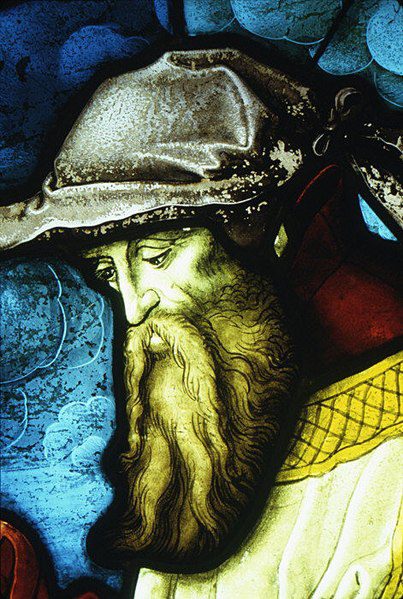
Photo credit: The Prophet Isaiah, by Valentin Bouché (1490–1541) [public domain / Wikimedia Commons]

Summary: Gavin Ortlund claimed there was nothing in the OT anything like infallibility, so that the papacy was an “innovation.” Really? The prophets spoke “the word of the LORD.”
Calvinism & General Protestantism
Previous Post

March 13, 2024
Origen & Interceding Saints & Angels (vs. Gavin Ortlund)
Next Post

March 15, 2024 Peter's Wife, James Swan, Celibacy, & Catholicism
Recent Comments
"Special pleading, and not a serious response to my arguments . . ."
Is Venerating Men & Angels Worship? ..."
""no man needs to teach us."Didn't you just teach us?"
Is Venerating Men & Angels Worship? ..."
""Catholics say they are the only church that can lead people into heaven."In fact, we ..."
Is Venerating Men & Angels Worship? ..."
"And lastly, I belong to no denomination and am free to serve God as He ..."
Is Venerating Men & Angels Worship? ..."
Browse Our Archives
Select a Category & Last Things About Me Anti-Catholicism Atheism & Agnosticism Baptism and Sacramentalism Bible and Tradition Blessed Virgin Mary Books by Dave Armstrong C. S. Lewis Calvinism & General Protestantism Catholic Apologetics Catholic Apologists Catholic conversion Catholic converts Christmas Church (Ecclesiology) Church History Conversion and Converts Development of Doctrine Eastern Orthodoxy Ecumenism & Christian Unity Eucharist & Liturgy Fathers of the Church French Translations G. K. Chesterton Hell Hell & Satan Hell & Satan & Last Things Heresies & Comparative Religion Holistic Health Inquisition & Crusades & Scandals James White Jews & Judaism & Old Testament John Calvin John Henry Newman Liberal / Modernist Theology Life Issues Literary Resume Lutheranism Mariology Martin Luther Music Orthodoxy Papacy & Infallibility Personal Page Philosophy & Science Political & Ethical & Moral Issues Protestant Persecution & Intolerance Protestantism Purgatory Purgatory & Penance Romantic & Imaginative Theology Saints & Purgatory & Penance Salvation Salvation & Justification Satan & Last Things Sexuality and Gender Issues Spanish Translations Traditionalism vs. Radical Catholic Reactionaries Traducciones al español / tradução para português Trinitarianism & Christology Uncategorized Videos
Select a Month October 2026 September 2026 August 2026 July 2026 June 2026 May 2026 April 2026 March 2026 February 2026 January 2026 December 2025 November 2025 October 2025 September 2025 August 2025 July 2025 June 2025 May 2025 April 2025 March 2025 February 2025 January 2025 December 2024 November 2024 October 2024 September 2024 August 2024 July 2024 June 2024 May 2024 April 2024 March 2024 February 2024 January 2024 December 2023 November 2023 October 2023 September 2023 August 2023 July 2023 June 2023 May 2023 April 2023 March 2023 February 2023 January 2023 December 2022 November 2022 October 2022 September 2022 August 2022 July 2022 June 2022 May 2022 April 2022 March 2022 February 2022 January 2022 December 2021 November 2021 October 2021 September 2021 August 2021 July 2021 June 2021 May 2021 April 2021 March 2021 February 2021 January 2021 December 2020 November 2020 October 2020 September 2020 August 2020 July 2020 June 2020 May 2020 April 2020 March 2020 February 2020 January 2020 December 2019 November 2019 October 2019 September 2019 August 2019 July 2019 June 2019 May 2019 April 2019 March 2019 February 2019 January 2019 December 2018 November 2018 October 2018 September 2018 August 2018 July 2018 June 2018 May 2018 April 2018 March 2018 February 2018 January 2018 December 2017 November 2017 October 2017 September 2017 August 2017 July 2017 June 2017 May 2017 April 2017 March 2017 February 2017 January 2017 December 2016 November 2016 October 2016 September 2016 August 2016 July 2016 June 2016 May 2016 April 2016 March 2016 February 2016 January 2016 December 2015 November 2015 October 2015 September 2015 August 2015 July 2015 June 2015 May 2015 April 2015 March 2015 February 2015 January 2015 December 2014 November 2014 October 2014 September 2014 August 2014 July 2014 June 2014 April 2014 March 2014 February 2014 January 2014 December 2013 November 2013 October 2013 September 2013 August 2013 July 2013 June 2013 April 2013 March 2013 February 2013 January 2013 December 2012 November 2012 October 2012 September 2012 August 2012 July 2012 June 2012 May 2012 April 2012 March 2012 February 2012 January 2012 December 2011 November 2011 October 2011 September 2011 August 2011 July 2011 June 2011 April 2011 March 2011 February 2011 October 2010 September 2010 August 2010 July 2010 April 2010 March 2010 December 2009 October 2009 August 2009 July 2009 June 2009 May 2009 March 2009 February 2009 October 2008 September 2008 April 2008 March 2008 February 2008 January 2008 December 2007 November 2007 October 2007 May 2007 March 2007 February 2007 January 2007 November 2006 October 2006 September 2006 August 2006 July 2006 June 2006 May 2006 April 2006 March 2006 February 2006 October 2005 June 2005 April 2005 February 2005 July 2004 May 2004 April 2004
Follow Us!
TAKE THE
Religious Wisdom Quiz
Who denied Jesus three times before the rooster crowed?
Select your answer to see how you score.
Paul John Peter Judas
Books by This Author Books by Dave Armstrong
Related posts from Biblical Evidence for Catholicism

On Protestant Explanations of Catholic Conversion
Biblical Evidence for Catholicism

Was Peter "Any Old" Apostle? 10 Anti-Papal Arguments
Biblical Evidence for Catholicism

Protestant Confessions & "Ever-Virgin" Mary
Biblical Evidence for Catholicism

A Few "Worst" & "Best" Arguments vs. Protestantism
Biblical Evidence for Catholicism
TRENDING AT PATHEOS Catholic

The Sermon on the Mount, Part I: Matthew...
The Sermon on the Mount, Part I (Matthew 4:12-5:12) St. Matthew moves...

What's up from Crossway: Reviewing some of their latest A few weeks...

Janie Learns the Way of the Cross: A...
Teaching children about Jesus' Passion can be challenging. Many parents and educators...

Looking For Good Catholic Writing - October 2026
He alone extends the heavens, and he walks upon the waves of...

In "Irreplaceable," our book on vocation and technology, Trevor Sutton and I...

I was strolling through the top floor of the brand new Parthenon...
view all Catholic blogs
What Are Your Thoughts?leave a comment
Ad-Free & Subscriber Log-In Subscription Support
- About Us
- 2026 Calendar
- Videos
- Podcasts
- Library of World Religions
- Faith In Media Tracker
- Advertise With Us
- Write for Us
- Privacy Policy
- Terms of Service
- Do Not Sell My Data
- Contact Us
- Radiant Digital
- Manage Newsletter Subscriptions
- Unsubscribe From Notifications
- Sitemap
Copyright 2008-2026, Patheos. All rights reserved.
Subscription Support Ad-Free & Subscriber Log-In
Follow Patheos