
BuddhistCatholicContemplativeEvangelicalGeneral ChristianHinduJewishLatter-day SaintMuslimNew VisionsProgressive Christian
Beliefs
- Buddhist
- Catholic
- Contemplative
- Evangelical
- General Christian
- Hindu
- Jewish
- Latter-day Saint
- More Voices
- Muslim
- New Visions
- Pagan
- Progressive Christian
Topics
- Religion News
- Food and Religion
- Sports and Religion
- Religious Art
- Religious Music and Entertainment
- Religious Events
- History and Religion
- Style and Religion
- Politics and Religion
- Women in Religion
- Recreation Outdoors and Religion
- Business Finance and Religion
- Careers Workplace and Religion
- Education and Religion
- Family Parenting and Religion
- Health Fitness and Religion
- Home and Religion
- Relationships and Religion
- Technology and Religion
- Travel and Religion
Columnists
- Buddhist Columnists
- Business Finance and Religion Columnists
- Careers Workplace and Religion Columnists
- Catholic Columnists
- Contemplative Columnists
- Education and Religion Columnists
- Evangelists Columnists
- Family Parenting and Religion Columnists
- General Christian Columnists
- Health Fitness and Religion Columnists
- Hindu Columnists
- History and Religion Columnists
- Home and Religion Columnists
- Jewish Columnists
- More Voices Columnists
- Latter Day Columnists
- Muslim Columnists
- New Visions Columnists
- Nonreligious Columnists
- Pagan Columnists
- Politics and Religion Columnists
- Progressive Columnists
- Recreation Outdoors and Religion Columnists
- Relationships and Religion Columnists
- Religion News Columnists
- Religious Art Columnists
- Religious Events Columnists
- Religious Music and Entertainment Columnists
- Sports and Religion Columnists
- Style and Religion Columnists
- Technology and Religion Columnists
- Travel and Religion Columnists
- Women in Religion Columnists
Resource Library
- 2026 Calendar
- Library of World Religions
- The 100 Most Holy Places on Earth
- Patheos Answers
- Podcasts
- Videos
- Faith Leaders Database
- Anglican Episcopalian
- Bahai
- Baptist
- Buddhism
- Christianity
- Confucianism
- Eastern Orthodoxy
- Hinduism
- Holiness and Pentecostal
- ISKCON
- Islam
- Judaism
- Lutheran
- Methodist
- The Church of Jesus Christ of Latter-day Saints
- New Age
- Paganism
- Presbytarian and Reformed
- Protestantism
- Religion Behind the Scenes
- Roman Catholic
- Scientology
- Shia Islam
- Sikhism
- Sufism
- Sunni Islam
- Taoism
- Zen
- See all religions
Research Tools
 Ad-Free & Subscriber Log-In Subscription Support
Ad-Free & Subscriber Log-In Subscription Support
Follow Patheos 

- Trending:
- Forgiveness
- |
- Marriage
- |
- Consciousness
- |
- Death Penalty
- |
- Election
- |
- Halloween

-
About
-
Catholic Apologetics
-
Church History
-
Great Apologists
-
Christian Worldview
-
Protestantism & Misc.
- Home
- Catholic
- History and Religion
- Anglican Persecution of Catholics: 1559-1829
Anglican Persecution of Catholics: 1559-1829
Last updated on: June 6, 2026 at 12:00 am by Dave Armstrong
Anglican Persecution of Catholics: 1559-1829 2026-06-06T00:00:40-04:00 Dave Armstrong
Patheos Explore the world's faith through different perspectives on religion and spirituality! Patheos has the views of the prevalent religions and spiritualities of the world.
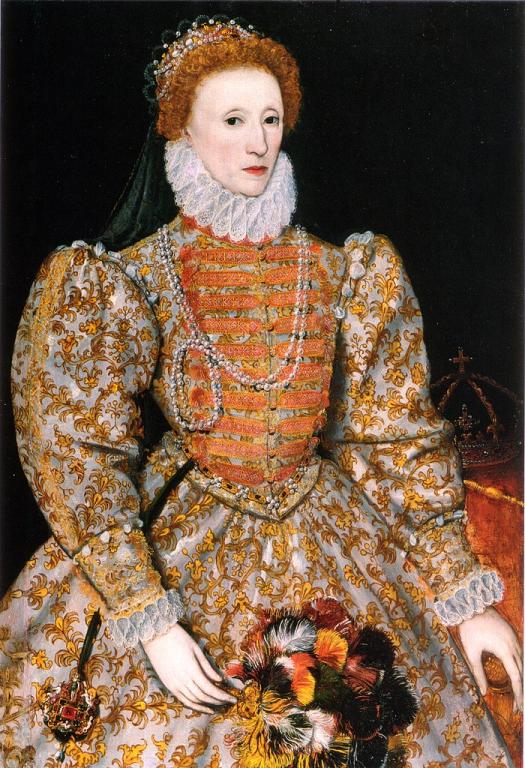
[originally posted on my blog on 10 March 2008]
***
[slightly abridged version of Part I of the article, “Penal Laws,” in The Catholic Encyclopedia; original written by Edwin Burton, E. A. D’Alton & Jarvis Kelley, 1911. I created several new paragraph breaks]
***
Catholics lost not only freedom of worship, but civil rights as well; their estates, property, and sometimes even lives were at the mercy of any informer. The fact that these laws were passed as political occasion demanded deprived them of any coherence or consistency; nor was any codification ever attempted, so that the task of summing up this long and complicated course of legislation is a difficult one.
Relief Act of 1791, and the first to be appointed King’s Counsel after the Catholic Emancipation Act, thought it best to group these The eminent lawyer, Charles Butler, the first Catholic to be called to the Bar after the Catholic Emancipation Act, thought it best to group these laws under five heads:
those which subjected Catholics to penalties and punishments for practising their religious worship;
those which punished them for not conforming to the Established Church (Statutes of Recusancy).
those regulating the penalties or disabilities attending the refusal to take the Oath of Supremacy (1559; 1605; 1689), the declarations against Transubstantiation (Test Act, 1673) and against Popery (1678);
the act passed with respect to receiving the sacrament of the Lord’s Supper;
statutes affecting landed property.
To the first period belong the Acts of Supremacy and Uniformity (I Eliz. 1 and 2) and the amending statute (5 Eliz. c. 1). By the Act of Supremacy all who maintained the spiritual or ecclesiastical authority of any foreign prelate were to forfeit all goods and chattels, both real and personal, and all benefices for the first offence, or in case the value of these was below 20 pounds, to be imprisoned for one year; they were liable to the forfeitures of Praemunire for the second offence and to the penalties of high treason for the third offence. These penalties of Praemunire were: exclusion from the sovereign’s protection, forfeiture of all lands and goods, arrest to answer to the Sovereign and Council. The penalties assigned for high treason were:
drawing, hanging and quartering;
corruption of blood, by which heirs became incapable of inheriting honours and offices; and, lastly
forfeiture of all property.
These first statutes were made stricter by the amending act (5 Eliz. c.1) which declared that to maintain the authority of the pope in any way was punish able by penalties of Praemunire for the first offence and of high treason, though without corruption of blood, for the second. All who refused the Oath of Supremacy were subjected to the like penalties.
The Act of Uniformity, primarily designed to secure outward conformity in the use of the Anglican Book of Common Prayer, was in effect a penal statute, as it punished all clerics who used any other service by deprivation and imprisonment, and everyone who refused to attend the Anglican service by a fine of twelve pence for each omission. It should be remembered that the amount must be greatly multiplied to give their modern equivalent.
There are two Acts directed against the Bull of Excommunication.:
13 Eliz. c.1, which, among other enactments, made it high treason to affirm that the queen ought not to enjoy the Crown, or to declare her to be a heretic or schismatic, and
13 Eliz. c. 2, which made it high treason to put into effect any papal Bull of absolution, to absolve or reconcile any person to the Catholic Church, or to be so absolved or reconciled, or to procure or publish any papal Bull or writing whatsoever.
The penalties of Praemunire were enacted against all who brought into England or who gave to others Agnus Dei or articles blessed by the pope or by any one through faculties from him. A third act, 13 Eliz. c. 3, which was designed to stop Catholics from taking refuge abroad, declared that any subject departing the realm without the queen’s license, and not returning within six months, should forfeit the profits of his lands during life and all his goods and chattels. The third and most severe group of statutes begins with the “Act to retain the Queen’s Majesty’s subjects in their obedience” (23 Eliz. c. 1), passed in 1581.
This made it high treason to reconcile anyone or to be reconciled to “the Romish religion”, prohibited Mass under penalty of a fine of two hundred marks and imprisonment for one year for the celebrant, and a fine of one hundred marks and the same imprisonment for those who heard the Mass. This act also increased the penalty for not attending the Anglican service to the sum of twenty pounds a month, or imprisonment till the fine be paid, or till the offender went to the Protestant Church. A further penalty of ten pounds a month was inflicted on anyone keeping a schoolmaster who did not attend the Protestant service. The schoolmaster himself was to be imprisoned for one year.
The climax of Elizabeth’s persecution was reached in 1585 by the “Act against Jesuits, Seminary priests and other such like disobedient persons” (27 Eliz. c. 2). This statute, under which most of the English martyrs suffered, made it high treason for any Jesuit or any seminary priest to be in England at all, and felony for any one to harbour or relieve them.
So far as priests were concerned, the effect of all this legislation may be summed up as follows: For any priest ordained before the accession of Elizabeth it was high treason after 1563 to maintain the authority of the pope for the second time, or to refuse the oath of supremacy for the second time; after 1571, to receive or use any Bull or form of reconciliation; after 1581, to absolve or reconcile anyone to the Church or to be absolved or reconciled. For seminary priests it was high treason to be in England at all after 1585. Under this statute, over 150 Catholics died on the scaffold between 1581 and 1603, exclusive of Elizabeth’s earlier victims.
The last of Elizabeth’s laws was the “Act for the better discovery of wicked and seditious persons terming themselves Catholics, but being rebellious and traitorous subjects” (35 Eliz. c. 2). Its effect was to prohibit all recusants from removing more than five miles from their place of abode, and to order all persons suspected of being Jesuits or seminary priests, and not answering satisfactorily, to be imprisoned till they did so.
The hopes of the Catholics on the accession of James I were soon dispelled, and during his reign (1603-25) five very oppressive measures were added to the statute-book. In the first year of his reign there was passed the “Act for the due execution of the statute against Jesuits, seminary priests, etc.” (I Jac. 1, iv) by which all Elizabeth’s statutes were confirmed with additional aggravations.
The carefully arranged “discovery” of the Gunpowder Plot in 1605 was followed by two statutes of particularly savage character. These were “An Act for the better discovering and repressing of Popish Recusants” (3 Jac. I, iv) and “An Act to prevent and avoid dangers which may grow by Popish Recusants” (3. Jac. 1, v). The first of these two wicked laws enacted that all convicted recusants should communicate once a year in the Anglican church under penalties of 20 pounds for the first omission, 40 pounds for the second, and 60 pounds for the third.
Moreover the king was to be allowed to refuse the penalty of 20 pounds per month for non-attendance at the Anglican church, and to take in its place all the personal property and two-thirds of the real property of the offender. But the main point of this Act was the new Oath of Allegiance which it prescribed, and which was subsequently condemned by the Holy See. Yet all who refused it were to be subjected to the penalties of Praemunire, except married women, who were to be imprisoned in the common jail. Finally, every householder of whatever religion was liable to a fine of 10 pounds a month for each guest or servant who failed to attend the Anglican church.
The second Act was even worse, and prohibited recusants from remaining within ten miles of the city of London, a provision which it was impossible to carry out; or to remove more than five miles from their place of residence till they had obtained license from four magistrates and the bishop of the diocese or lieutenant of the county. They were disabled from practising as lawyers, physicians, apothecaries; from holding office in any court or corporation; from holding commissions in the army or navy, or any office of emolument under the State; from discharging the duties of executors, administrators, or guardians.
Any married woman who had not received the sacrament in the Anglican church for a year before her husband’s death forfeited two-thirds of her dower, two-thirds of her jointure, and was debarred from acting as executrix to her husband or claiming any part of his goods.
Husbands and wives, if married otherwise than by a Protestant minister in a Protestant church, were each deprived of all interest in the lands or property of the other. They were fined 100 pounds for omitting to have each of their children baptised by the Protestant minister within a month of birth. All Catholics going or being sent beyond the seas without a special license from the king or Privy Council were incapable of benefitting by gift, descent, or devise, till they returned and took the oath of allegiance; and in the meantime the property was to be held by the nearest Protestant heir.
And, lastly, every convicted recusant was excommunicated from the Established Church, with the result that they were debarred from maintaining or defending any personal action or suit in the civil courts. Their houses were liable to be searched at any time, their arms and ammunition to be seized, and any books or furniture which were deemed superstitious to be destroyed.
After the Restoration in 1660, an attempt was made by Charles II, not unmindful of the sacrifices Catholics had made in the Stuart cause, to obtain a repeal of the Penal Laws, and a committee of the House of Lords was appointed to examine and report on the question. The matter, however, was allowed to drop; and in the following year both Houses of Parliament joined in petitioning the King to issue a proclamation against the Catholics.
Further efforts on the part of the king came to nothing, and matters remained on the same footing till the latter part of his reign, when new statutes of a harassing nature were passed. With the exception of the Corporation Act (13 Car. II, St. 2, c. 1) which was not aimed against Catholics directly, but which provided that no person could hold any municipal office without taking the Oaths of Allegiance and Supremacy and receiving the sacrament in the Protestant church, no new measures were introduced till 1673, when Parliament passed the Test Act (25 Car. II, ii).
This required all officers, civil and military, to take the same Oaths and to make the Declaration against Transubstantiation. Five years later another Act was passed (30 Car. II, St. 2), which excluded all Catholics from sitting or voting in Parliament, by requiring every member of either House to take the two oaths and to make the blasphemous Declaration against Popery. From this statute, which was entitled “An Act for the more effectual preserving the King’s person and government, by disabling Papists from sitting in either House of Parliament”, a special exception was made in favour of the Duke of York, afterwards James II.
With the Revolution of 1688 began a new era of persecution. The “Act for further preventing the growth of Popery” (11 & 12 Gul. III, 4), passed in 1699, introduced a fresh hardship into the lives of the clergy by offering a reward of 100 pounds for the apprehension of any priest, with the result that Catholics were placed at the mercy of common informers who harassed them for the sake of gain, even when the Government would have left them in peace.
It was further enacted that any bishop or priest exercising episcopal or sacerdotal functions, or any Catholic keeping a school, should be imprisoned for life; that any Catholic over eighteen not taking the Oaths of Supremacy and Allegiance, or making the Declaration against Popery, should be incapable of inheriting or purchasing any lands; and any lands devised to a Catholic who refused to take the oaths should pass to the next of kin who happened to be a Protestant.
A reward of 100 pounds was also offered for the conviction of any Catholic sending children to be educated abroad. The cruel operation of this Act, which made itself felt throughout the ensuing century, was extended by a measure passed under Queen Anne (12 Anne, St. 2, c. 14), though Catholics were not generally molested during her reign.
Throughout the reign of George II (1727-60) there were no further additions to the penal code and under his successor, George III, (1760-1820), the work of repeal was begun. Even this lengthy enumeration is not absolutely exhaustive, and the Acts here cited contain many minor enactments of a vexatious nature.
The task of repeal was a long, slow, gradual, and complicated one, the chief measures of relief being three: The First Catholic Relief Act of 1778, which enabled Catholics to inherit and purchase land and repealed the Act of William III, rewarding the conviction of priests; the second Relief Act of 1791, which relieved all Catholics who took the oath therein prescribed from the operation of the Penal Code; and the Catholic Emancipation Act of 1829.
See also:
*
Protestantism: Historic Persecution & Intolerance (my web page)
*
430 Catholic Martyrs Murdered by Henry VIII (1534-1544) [2-6-08]
312 Catholic Martyrs & Confessors Under “Good Queen Bess” (Queen Elizabeth: r. 1558-1603) [2-8-08]
189 English Catholic Martyrs & Heroic Confessors: 1603-1729 [2-16-08]
444 Irish Catholic Martyrs and Heroic Confessors: 1565-1713 [2-27-08]
“English Recusants” (Catholic Encyclopedia)
*
“Recusancy” (Wikipedia)
“Papist” (Wikipedia)
“Popish Plot” (Wikipedia)
“Priest Hole” (Wikipedia)
“Anti-Catholicism” (Wikipedia)
“Black Legend” (Wikipedia)
“Historical Revision of the Inquisition” (Wikipedia)
Thames Valley Papists: From Reformation to Emancipation: 1534-1829 (1992), book by Tony Hadland
***
*
Practical Matters: Perhaps some of my 4,000+ free online articles (the most comprehensive “one-stop” Catholic apologetics site) or fifty books have helped you (by God’s grace) to decide to become Catholic or to return to the Church, or better understand some doctrines and why we believe them.
*
Or you may believe my work is worthy to support for the purpose of apologetics and evangelism in general. If so, please seriously consider a much-needed financial contribution. I’m always in need of more funds: especially monthly support. “The laborer is worthy of his wages” (1 Tim 5:18, NKJV). 1 December 2021 was my 20th anniversary as a full-time Catholic apologist, and February 2022 marked the 25th anniversary of my blog.
*
PayPal donations are the easiest: just send to my email address: [email protected]. You’ll see the term “Catholic Used Book Service”, which is my old side-business. To learn about the different methods of contributing, including 100% tax deduction, etc., see my page: About Catholic Apologist Dave Armstrong / Donation Information. Thanks a million from the bottom of my heart!
*
***
Photo credit: Queen Elizabeth: “Good Queen Bess”: paragon of virtue and enlightened religious toleration. Catholics were not the only beneficiaries of her magnanimity. In 1596 and 1601 she decreed that all black people should be be deported to Spain and Portugal, in exchange for English prisoners of war. “Darnley” Portrait from c. 1575 [public domain / Wikipedia]

***
Summary: Abridged Catholic Encyclopedia article from 1911: detailing the Anglican persecution of Catholics in England for 270 years: starting with Queen Elizabeth’s reign.
Protestant Persecution & Intolerance
Anglican persecution of Catholics
Previous Post

July 29, 2022
16th Century Calvinist, Lutheran, & Zwinglian Intolerance
Next Post
August 1, 2022 Persecution of Catholics in Scotland Up Till 1829
Browse Our Archives
Select a Category & Last Things About Me Anti-Catholicism Atheism & Agnosticism Baptism and Sacramentalism Bible and Tradition Blessed Virgin Mary Books by Dave Armstrong C. S. Lewis Calvinism & General Protestantism Catholic Apologetics Catholic Apologists Catholic conversion Catholic converts Christmas Church (Ecclesiology) Church History Conversion and Converts Development of Doctrine Eastern Orthodoxy Ecumenism & Christian Unity Eucharist & Liturgy Fathers of the Church French Translations G. K. Chesterton Hell Hell & Satan Hell & Satan & Last Things Heresies & Comparative Religion Holistic Health Inquisition & Crusades & Scandals James White Jews & Judaism & Old Testament John Calvin John Henry Newman Liberal / Modernist Theology Life Issues Literary Resume Lutheranism Mariology Martin Luther Music Orthodoxy Papacy & Infallibility Personal Page Philosophy & Science Political & Ethical & Moral Issues Protestant Persecution & Intolerance Protestantism Purgatory Purgatory & Penance Romantic & Imaginative Theology Saints & Purgatory & Penance Salvation Salvation & Justification Satan & Last Things Sexuality and Gender Issues Spanish Translations Traditionalism vs. Radical Catholic Reactionaries Traducciones al español / tradução para português Trinitarianism & Christology Uncategorized Videos
Select a Month October 2026 September 2026 August 2026 July 2026 June 2026 May 2026 April 2026 March 2026 February 2026 January 2026 December 2025 November 2025 October 2025 September 2025 August 2025 July 2025 June 2025 May 2025 April 2025 March 2025 February 2025 January 2025 December 2024 November 2024 October 2024 September 2024 August 2024 July 2024 June 2024 May 2024 April 2024 March 2024 February 2024 January 2024 December 2023 November 2023 October 2023 September 2023 August 2023 July 2023 June 2023 May 2023 April 2023 March 2023 February 2023 January 2023 December 2022 November 2022 October 2022 September 2022 August 2022 July 2022 June 2022 May 2022 April 2022 March 2022 February 2022 January 2022 December 2021 November 2021 October 2021 September 2021 August 2021 July 2021 June 2021 May 2021 April 2021 March 2021 February 2021 January 2021 December 2020 November 2020 October 2020 September 2020 August 2020 July 2020 June 2020 May 2020 April 2020 March 2020 February 2020 January 2020 December 2019 November 2019 October 2019 September 2019 August 2019 July 2019 June 2019 May 2019 April 2019 March 2019 February 2019 January 2019 December 2018 November 2018 October 2018 September 2018 August 2018 July 2018 June 2018 May 2018 April 2018 March 2018 February 2018 January 2018 December 2017 November 2017 October 2017 September 2017 August 2017 July 2017 June 2017 May 2017 April 2017 March 2017 February 2017 January 2017 December 2016 November 2016 October 2016 September 2016 August 2016 July 2016 June 2016 May 2016 April 2016 March 2016 February 2016 January 2016 December 2015 November 2015 October 2015 September 2015 August 2015 July 2015 June 2015 May 2015 April 2015 March 2015 February 2015 January 2015 December 2014 November 2014 October 2014 September 2014 August 2014 July 2014 June 2014 April 2014 March 2014 February 2014 January 2014 December 2013 November 2013 October 2013 September 2013 August 2013 July 2013 June 2013 April 2013 March 2013 February 2013 January 2013 December 2012 November 2012 October 2012 September 2012 August 2012 July 2012 June 2012 May 2012 April 2012 March 2012 February 2012 January 2012 December 2011 November 2011 October 2011 September 2011 August 2011 July 2011 June 2011 April 2011 March 2011 February 2011 October 2010 September 2010 August 2010 July 2010 April 2010 March 2010 December 2009 October 2009 August 2009 July 2009 June 2009 May 2009 March 2009 February 2009 October 2008 September 2008 April 2008 March 2008 February 2008 January 2008 December 2007 November 2007 October 2007 May 2007 March 2007 February 2007 January 2007 November 2006 October 2006 September 2006 August 2006 July 2006 June 2006 May 2006 April 2006 March 2006 February 2006 October 2005 June 2005 April 2005 February 2005 July 2004 May 2004 April 2004
Follow Us!
TAKE THE
Religious Wisdom Quiz
Where was Paul's hometown?
Select your answer to see how you score.
Damascus Tarsus Antioch Jerusalem
Books by This Author Books by Dave Armstrong
Related posts from Biblical Evidence for Catholicism

A Few "Worst" & "Best" Arguments vs. Protestantism
Biblical Evidence for Catholicism
Gavin Ortlund, Hus's Burning, & Double Standards
Biblical Evidence for Catholicism
Early Protestant Leaders Damning Each Other: 40 Examples
Biblical Evidence for Catholicism

Luther Favored Death for Heresy (Transcript)
Biblical Evidence for Catholicism
TRENDING AT PATHEOS Catholic

The Sermon on the Mount, Part I: Matthew...
The Sermon on the Mount, Part I (Matthew 4:12-5:12) St. Matthew moves...

What's up from Crossway: Reviewing some of their latest A few weeks...

Janie Learns the Way of the Cross: A...
Teaching children about Jesus' Passion can be challenging. Many parents and educators...

Looking For Good Catholic Writing - October 2026
He alone extends the heavens, and he walks upon the waves of...

In "Irreplaceable," our book on vocation and technology, Trevor Sutton and I...

I was strolling through the top floor of the brand new Parthenon...
view all Catholic blogs
Ad-Free & Subscriber Log-In Subscription Support
- About Us
- 2026 Calendar
- Videos
- Podcasts
- Library of World Religions
- Faith In Media Tracker
- Advertise With Us
- Write for Us
- Privacy Policy
- Terms of Service
- Do Not Sell My Data
- Contact Us
- Radiant Digital
- Manage Newsletter Subscriptions
- Unsubscribe From Notifications
- Sitemap
Copyright 2008-2026, Patheos. All rights reserved.
Subscription Support Ad-Free & Subscriber Log-In
Follow Patheos