
BuddhistCatholicContemplativeEvangelicalGeneral ChristianHinduJewishLatter-day SaintMuslimNew VisionsProgressive Christian
Beliefs
- Buddhist
- Catholic
- Contemplative
- Evangelical
- General Christian
- Hindu
- Jewish
- Latter-day Saint
- More Voices
- Muslim
- New Visions
- Pagan
- Progressive Christian
Topics
- Religion News
- Food and Religion
- Sports and Religion
- Religious Art
- Religious Music and Entertainment
- Religious Events
- History and Religion
- Style and Religion
- Politics and Religion
- Women in Religion
- Recreation Outdoors and Religion
- Business Finance and Religion
- Careers Workplace and Religion
- Education and Religion
- Family Parenting and Religion
- Health Fitness and Religion
- Home and Religion
- Relationships and Religion
- Technology and Religion
- Travel and Religion
Columnists
- Buddhist Columnists
- Business Finance and Religion Columnists
- Careers Workplace and Religion Columnists
- Catholic Columnists
- Contemplative Columnists
- Education and Religion Columnists
- Evangelists Columnists
- Family Parenting and Religion Columnists
- General Christian Columnists
- Health Fitness and Religion Columnists
- Hindu Columnists
- History and Religion Columnists
- Home and Religion Columnists
- Jewish Columnists
- More Voices Columnists
- Latter Day Columnists
- Muslim Columnists
- New Visions Columnists
- Nonreligious Columnists
- Pagan Columnists
- Politics and Religion Columnists
- Progressive Columnists
- Recreation Outdoors and Religion Columnists
- Relationships and Religion Columnists
- Religion News Columnists
- Religious Art Columnists
- Religious Events Columnists
- Religious Music and Entertainment Columnists
- Sports and Religion Columnists
- Style and Religion Columnists
- Technology and Religion Columnists
- Travel and Religion Columnists
- Women in Religion Columnists
Resource Library
- 2026 Calendar
- Library of World Religions
- The 100 Most Holy Places on Earth
- Patheos Answers
- Podcasts
- Videos
- Faith Leaders Database
- Anglican Episcopalian
- Bahai
- Baptist
- Buddhism
- Christianity
- Confucianism
- Eastern Orthodoxy
- Hinduism
- Holiness and Pentecostal
- ISKCON
- Islam
- Judaism
- Lutheran
- Methodist
- The Church of Jesus Christ of Latter-day Saints
- New Age
- Paganism
- Presbytarian and Reformed
- Protestantism
- Religion Behind the Scenes
- Roman Catholic
- Scientology
- Shia Islam
- Sikhism
- Sufism
- Sunni Islam
- Taoism
- Zen
- See all religions
Research Tools
 Ad-Free & Subscriber Log-In Subscription Support
Ad-Free & Subscriber Log-In Subscription Support
Follow Patheos 

- Trending:
- Forgiveness
- |
- Marriage
- |
- Consciousness
- |
- Death Penalty
- |
- Election
- |
- Halloween

-
About
-
Catholic Apologetics
-
Church History
-
Great Apologists
-
Christian Worldview
-
Protestantism & Misc.
- Home
- Catholic
- History and Religion
- Catholic Lay Apologetics: Long “Magisterially Approved” History
Catholic Lay Apologetics: Long “Magisterially Approved” History
Last updated on: May 30, 2017 at 3:58 pm by Dave Armstrong
Catholic Lay Apologetics: Long “Magisterially Approved” History 2017-05-30T15:58:10-04:00 Dave Armstrong
Patheos Explore the world's faith through different perspectives on religion and spirituality! Patheos has the views of the prevalent religions and spiritualities of the world.
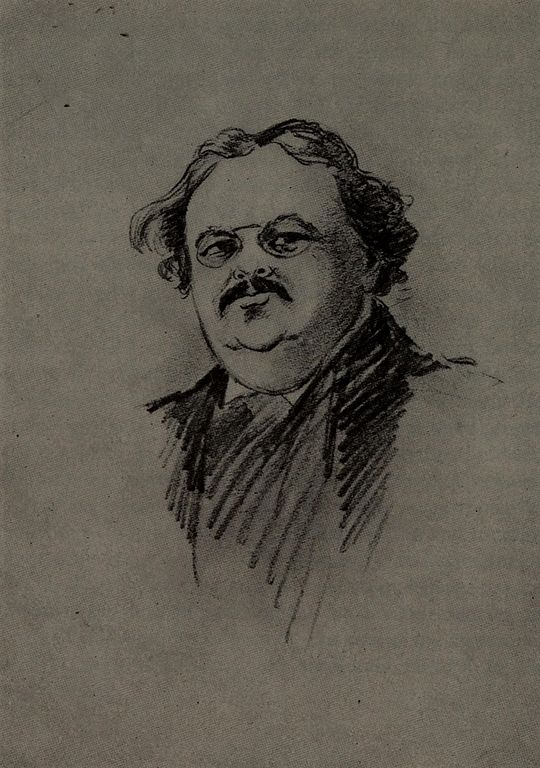
Sketch of G. K. Chesterton (unknown, c. 1920) [public domain / Wikimedia Commons]

G. K. Chesterton was a lay apologist with no theological education and no college degree (yet he was the most successful Catholic apologist of the 20th century)
* * *
(8-2-11)
* * *
Silly, Foolish Pronouncements by Anti-Catholic Polemicists:
TAO (The Anonymous One): But in practice, that top-down management Rome provides allows loose cannons like Armstrong to do what they do, even when what they do is technically in violation of canon law. (7-31-11)
Matthew D. Schultz: The lay-Catholic convert industry, of which the lay-Catholic blogosphere is a definitive part, merely represents a conservative sociological trend. (1-20-11)
. . . the general distance between lay-Catholic blogosphere apologetics and the teachings of the Magisterium, all of which plays into the former being a sociological movement with neither authority nor relevance.(1-21-11)
The lay Catholic blogosphere represents little more than a diminutive, American, theologically conservative movement of (comparatively) wealthy individuals. (1-21-11)
John Bugay: . . . the Roman Catholics are pronouncing on what “Magisterial teaching” actually is, what Roman Catholic doctrine is, and they are doing so in the non-authorized, and even backward way that Matthew is describing. . . . They are NOT reliable expositors of Magisterial teaching. So long as any of these self-appointed apologists attempt to say what Roman Catholic doctrine is, Matthew’s assessment is dead-on. (1-21-11)
Steve Hays: If your church is so clear, why do you and so many other lay Catholics turn to other lay Catholics (e.g. lay Catholic epologists) for moral and theological advice? (8-1-11)
Avery Cardinal Dulles (whom Schultz, above, cited at length in a futile effort to disparage lay apologetics) noted the high importance historically, of lay Catholic apologists:
Who are the finest Christian apologists of the past two thousand years? Why?
A great apologist must be a firm believer, a profound thinker, a sensitive guide to the perplexed, and a clear and eloquent writer. In my book I devote particular attention to St. Augustine, St. Thomas Aquinas, Blaise Pascal, and John Henry Newman, all of whom were conspicuous for these qualities.
In the twentieth century the most successful apologists may have been G. K. Chesterton and C. S. Lewis, who were not professional theologians but highly talented and popular authors who had undergone personal conversions, the one to Catholicism, the other to be more general form of Christian orthodoxy.
(“The History and Purpose of Apologetics,” interview by Carl E. Olson)
Three of the six examples that Cardinal Dulles gave of the “finest” and “most successful” apologists, were non-ordained laymen (Pascal [of Pensées fame], Chesterton, and Lewis), and as he noted, Chesterton and Lewis were not even formally trained theologically. In fact, Chesterton didn’t obtain a college degree of any sort. Frank Sheed was another important lay Catholic apologist in the 20th century.
Blessed John Henry Cardinal Newman noted how lay apologists actually dominated the field in the early Church, and also continued to be prominent in his own 19th century, as they obviously are also in our own time (Kreeft, Howard, Hahn, Muggeridge, Keating, Madrid, Akin, Ray, Shea, Staples, Martignoni et al).
Theologians inculcate the matter, and determine the details of that Revelation; they view it from within; philosophers view it from without, and this external view may be called the Philosophy of Religion, and the office of delineating it externally is most gracefully performed by laymen. In the first age laymen were most commonly the Apologists. Such were Justin, Tatian, Athenagoras, Aristides, Hermias, Minucius Felix, Arnobius, and Lactantius. In like manner in this age some of the most prominent defences of the Church are from laymen: as De Maistre, Chateaubriand, Nicolas, Montalembert, and others.
(The Idea of a University, Part II, ch. 4, sec. 4: “General Religious Knowledge,” 1856)
Some other examples of prominent lay apologists are Antoine-Frédéric Ozanam (1813-1853), Guy Lefèvre de la Boderie (1541-1598), and Justus Baronius Calvinus (1570- after 1606),as well as, more recently, Arnold Lunn (1888-1974), Evelyn Waugh (1903-1966), and Catholic historian / apologists, such as Christopher Dawson (1889-1970) and Hilaire Belloc (1870-1953).
As anyone can see, the historical facts are quite a bit different from the ridiculously distorted scenario presented by the loudest-mouthed anti-Catholic zealots on the Internet today, who know almost nothing concerning what they deign to endlessly pontificate on (the history of Catholic apologetics and very prominent and pronounced lay participation in it).
Related Reading
The Early Apologists (Coptic Orthodox Church Network)
Catholic apologists & the Church
Previous Post
July 29, 2011
"Science vs. Catholicism" Myths Refuted
Next Post

August 12, 2011 Birth Control Pills Often Cause Early Abortions (Links)
Browse Our Archives
Select a Category & Last Things About Me Anti-Catholicism Atheism & Agnosticism Baptism and Sacramentalism Bible and Tradition Blessed Virgin Mary Books by Dave Armstrong C. S. Lewis Calvinism & General Protestantism Catholic Apologetics Catholic Apologists Catholic conversion Catholic converts Christmas Church (Ecclesiology) Church History Conversion and Converts Development of Doctrine Eastern Orthodoxy Ecumenism & Christian Unity Eucharist & Liturgy Fathers of the Church French Translations G. K. Chesterton Hell Hell & Satan Hell & Satan & Last Things Heresies & Comparative Religion Holistic Health Inquisition & Crusades & Scandals James White Jews & Judaism & Old Testament John Calvin John Henry Newman Liberal / Modernist Theology Life Issues Literary Resume Lutheranism Mariology Martin Luther Music Orthodoxy Papacy & Infallibility Personal Page Philosophy & Science Political & Ethical & Moral Issues Protestant Persecution & Intolerance Protestantism Purgatory Purgatory & Penance Romantic & Imaginative Theology Saints & Purgatory & Penance Salvation Salvation & Justification Satan & Last Things Sexuality and Gender Issues Spanish Translations Traditionalism vs. Radical Catholic Reactionaries Traducciones al español / tradução para português Trinitarianism & Christology Uncategorized Videos
Select a Month October 2026 September 2026 August 2026 July 2026 June 2026 May 2026 April 2026 March 2026 February 2026 January 2026 December 2025 November 2025 October 2025 September 2025 August 2025 July 2025 June 2025 May 2025 April 2025 March 2025 February 2025 January 2025 December 2024 November 2024 October 2024 September 2024 August 2024 July 2024 June 2024 May 2024 April 2024 March 2024 February 2024 January 2024 December 2023 November 2023 October 2023 September 2023 August 2023 July 2023 June 2023 May 2023 April 2023 March 2023 February 2023 January 2023 December 2022 November 2022 October 2022 September 2022 August 2022 July 2022 June 2022 May 2022 April 2022 March 2022 February 2022 January 2022 December 2021 November 2021 October 2021 September 2021 August 2021 July 2021 June 2021 May 2021 April 2021 March 2021 February 2021 January 2021 December 2020 November 2020 October 2020 September 2020 August 2020 July 2020 June 2020 May 2020 April 2020 March 2020 February 2020 January 2020 December 2019 November 2019 October 2019 September 2019 August 2019 July 2019 June 2019 May 2019 April 2019 March 2019 February 2019 January 2019 December 2018 November 2018 October 2018 September 2018 August 2018 July 2018 June 2018 May 2018 April 2018 March 2018 February 2018 January 2018 December 2017 November 2017 October 2017 September 2017 August 2017 July 2017 June 2017 May 2017 April 2017 March 2017 February 2017 January 2017 December 2016 November 2016 October 2016 September 2016 August 2016 July 2016 June 2016 May 2016 April 2016 March 2016 February 2016 January 2016 December 2015 November 2015 October 2015 September 2015 August 2015 July 2015 June 2015 May 2015 April 2015 March 2015 February 2015 January 2015 December 2014 November 2014 October 2014 September 2014 August 2014 July 2014 June 2014 April 2014 March 2014 February 2014 January 2014 December 2013 November 2013 October 2013 September 2013 August 2013 July 2013 June 2013 April 2013 March 2013 February 2013 January 2013 December 2012 November 2012 October 2012 September 2012 August 2012 July 2012 June 2012 May 2012 April 2012 March 2012 February 2012 January 2012 December 2011 November 2011 October 2011 September 2011 August 2011 July 2011 June 2011 April 2011 March 2011 February 2011 October 2010 September 2010 August 2010 July 2010 April 2010 March 2010 December 2009 October 2009 August 2009 July 2009 June 2009 May 2009 March 2009 February 2009 October 2008 September 2008 April 2008 March 2008 February 2008 January 2008 December 2007 November 2007 October 2007 May 2007 March 2007 February 2007 January 2007 November 2006 October 2006 September 2006 August 2006 July 2006 June 2006 May 2006 April 2006 March 2006 February 2006 October 2005 June 2005 April 2005 February 2005 July 2004 May 2004 April 2004
Follow Us!
TAKE THE
Religious Wisdom Quiz
Proverbs warns against what kind of woman as a symbol of temptation?
Select your answer to see how you score.
Widow Mother-in-law Queen Adulterous woman
Books by This Author Books by Dave Armstrong
Related posts from Biblical Evidence for Catholicism

Why Wes Huff (and Everyone) Should Be Catholic
Biblical Evidence for Catholicism

Invocation of Saints: Catholic Scholars vs. Me? Nope!
Biblical Evidence for Catholicism

My “Number Articles”: Alphabetized by Topic
Biblical Evidence for Catholicism

General Debate on Christianity with an Atheist
Biblical Evidence for Catholicism
TRENDING AT PATHEOS Catholic

The Sermon on the Mount, Part I: Matthew...
The Sermon on the Mount, Part I (Matthew 4:12-5:12) St. Matthew moves...

What's up from Crossway: Reviewing some of their latest A few weeks...

Janie Learns the Way of the Cross: A...
Teaching children about Jesus' Passion can be challenging. Many parents and educators...

Looking For Good Catholic Writing - October 2026
He alone extends the heavens, and he walks upon the waves of...

In "Irreplaceable," our book on vocation and technology, Trevor Sutton and I...

I was strolling through the top floor of the brand new Parthenon...
view all Catholic blogs
Ad-Free & Subscriber Log-In Subscription Support
- About Us
- 2026 Calendar
- Videos
- Podcasts
- Library of World Religions
- Faith In Media Tracker
- Advertise With Us
- Write for Us
- Privacy Policy
- Terms of Service
- Do Not Sell My Data
- Contact Us
- Radiant Digital
- Manage Newsletter Subscriptions
- Unsubscribe From Notifications
- Sitemap
Copyright 2008-2026, Patheos. All rights reserved.
Subscription Support Ad-Free & Subscriber Log-In
Follow Patheos