
BuddhistCatholicContemplativeEvangelicalGeneral ChristianHinduJewishLatter-day SaintMuslimNew VisionsProgressive Christian
Beliefs
- Buddhist
- Catholic
- Contemplative
- Evangelical
- General Christian
- Hindu
- Jewish
- Latter-day Saint
- More Voices
- Muslim
- New Visions
- Pagan
- Progressive Christian
Topics
- Religion News
- Food and Religion
- Sports and Religion
- Religious Art
- Religious Music and Entertainment
- Religious Events
- History and Religion
- Style and Religion
- Politics and Religion
- Women in Religion
- Recreation Outdoors and Religion
- Business Finance and Religion
- Careers Workplace and Religion
- Education and Religion
- Family Parenting and Religion
- Health Fitness and Religion
- Home and Religion
- Relationships and Religion
- Technology and Religion
- Travel and Religion
Columnists
- Buddhist Columnists
- Business Finance and Religion Columnists
- Careers Workplace and Religion Columnists
- Catholic Columnists
- Contemplative Columnists
- Education and Religion Columnists
- Evangelists Columnists
- Family Parenting and Religion Columnists
- General Christian Columnists
- Health Fitness and Religion Columnists
- Hindu Columnists
- History and Religion Columnists
- Home and Religion Columnists
- Jewish Columnists
- More Voices Columnists
- Latter Day Columnists
- Muslim Columnists
- New Visions Columnists
- Nonreligious Columnists
- Pagan Columnists
- Politics and Religion Columnists
- Progressive Columnists
- Recreation Outdoors and Religion Columnists
- Relationships and Religion Columnists
- Religion News Columnists
- Religious Art Columnists
- Religious Events Columnists
- Religious Music and Entertainment Columnists
- Sports and Religion Columnists
- Style and Religion Columnists
- Technology and Religion Columnists
- Travel and Religion Columnists
- Women in Religion Columnists
Resource Library
- 2026 Calendar
- Library of World Religions
- The 100 Most Holy Places on Earth
- Patheos Answers
- Podcasts
- Videos
- Faith Leaders Database
- Anglican Episcopalian
- Bahai
- Baptist
- Buddhism
- Christianity
- Confucianism
- Eastern Orthodoxy
- Hinduism
- Holiness and Pentecostal
- ISKCON
- Islam
- Judaism
- Lutheran
- Methodist
- The Church of Jesus Christ of Latter-day Saints
- New Age
- Paganism
- Presbytarian and Reformed
- Protestantism
- Religion Behind the Scenes
- Roman Catholic
- Scientology
- Shia Islam
- Sikhism
- Sufism
- Sunni Islam
- Taoism
- Zen
- See all religions
Research Tools
 Ad-Free & Subscriber Log-In Subscription Support
Ad-Free & Subscriber Log-In Subscription Support
Follow Patheos 

- Trending:
- Forgiveness
- |
- Marriage
- |
- Consciousness
- |
- Death Penalty
- |
- Election
- |
- Halloween

- Home
- Latter-day Saint
- “Elegy Written in a Country Churchyard”
“Elegy Written in a Country Churchyard”
Last updated on: March 9, 2019 at 3:04 pm by Dan Peterson
“Elegy Written in a Country Churchyard” 2019-03-09T15:04:29-07:00 Dan Peterson
Patheos Explore the world's faith through different perspectives on religion and spirituality! Patheos has the views of the prevalent religions and spiritualities of the world.
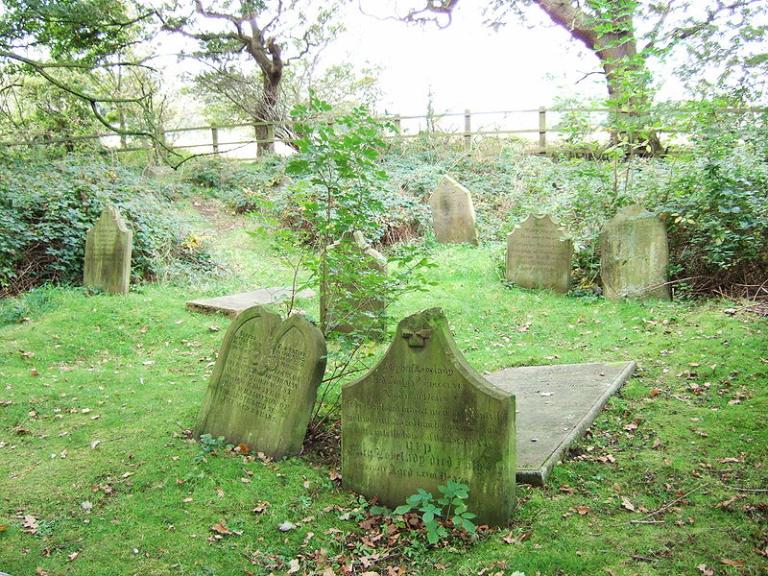
A seemingly abandoned and forgotten English churchyard (Wikimedia CC public domain photograph)
Possibly the first serious poem that I ever really liked, that ever actually moved me and had me reading it again and again — maybe (I can’t quite recall) as a freshman in high school — was the “Elegy Written in a Country Churchyard,” by Thomas Gray (1716-1771). It’s remarkably quotable, but what I really like about it is its affection, even reverence, for “the short and simple annals of the poor,” and its sense of the deep, intrinsic worth of “the common people”:
The curfew tolls the knell of parting day,
The lowing herd wind slowly o’er the lea,
The plowman homeward plods his weary way,
And leaves the world to darkness and to me.
Now fades the glimm’ring landscape on the sight,
And all the air a solemn stillness holds,
Save where the beetle wheels his droning flight,
And drowsy tinklings lull the distant folds;
Save that from yonder ivy-mantled tow’r
The moping owl does to the moon complain
Of such, as wand’ring near her secret bow’r,
Molest her ancient solitary reign.
Beneath those rugged elms, that yew-tree’s shade,
Where heaves the turf in many a mould’ring heap,
Each in his narrow cell for ever laid,
The rude forefathers of the hamlet sleep.
The breezy call of incense-breathing Morn,
The swallow twitt’ring from the straw-built shed,
The cock’s shrill clarion, or the echoing horn,
No more shall rouse them from their lowly bed.
For them no more the blazing hearth shall burn,
Or busy housewife ply her evening care:
No children run to lisp their sire’s return,
Or climb his knees the envied kiss to share.
Oft did the harvest to their sickle yield,
Their furrow oft the stubborn glebe has broke;
How jocund did they drive their team afield!
How bow’d the woods beneath their sturdy stroke!
Let not Ambition mock their useful toil,
Their homely joys, and destiny obscure;
Nor Grandeur hear with a disdainful smile
The short and simple annals of the poor.
The boast of heraldry, the pomp of pow’r,
And all that beauty, all that wealth e’er gave,
Awaits alike th’ inevitable hour.
The paths of glory lead but to the grave.
Nor you, ye proud, impute to these the fault,
If Mem’ry o’er their tomb no trophies raise,
Where thro’ the long-drawn aisle and fretted vault
The pealing anthem swells the note of praise.
Can storied urn or animated bust
Back to its mansion call the fleeting breath?
Can Honour’s voice provoke the silent dust,
Or Flatt’ry soothe the dull cold ear of Death?
Perhaps in this neglected spot is laid
Some heart once pregnant with celestial fire;
Hands, that the rod of empire might have sway’d,
Or wak’d to ecstasy the living lyre.
But Knowledge to their eyes her ample page
Rich with the spoils of time did ne’er unroll;
Chill Penury repress’d their noble rage,
And froze the genial current of the soul.
Full many a gem of purest ray serene,
The dark unfathom’d caves of ocean bear:
Full many a flow’r is born to blush unseen,
And waste its sweetness on the desert air.
Some village-Hampden, that with dauntless breast
The little tyrant of his fields withstood;
Some mute inglorious Milton here may rest,
Some Cromwell guiltless of his country’s blood.
Th’ applause of list’ning senates to command,
The threats of pain and ruin to despise,
To scatter plenty o’er a smiling land,
And read their hist’ry in a nation’s eyes,
Their lot forbade: nor circumscrib’d alone
Their growing virtues, but their crimes confin’d;
Forbade to wade through slaughter to a throne,
And shut the gates of mercy on mankind,
The struggling pangs of conscious truth to hide,
To quench the blushes of ingenuous shame,
Or heap the shrine of Luxury and Pride
With incense kindled at the Muse’s flame.
Far from the madding crowd’s ignoble strife,
Their sober wishes never learn’d to stray;
Along the cool sequester’d vale of life
They kept the noiseless tenor of their way.
Yet ev’n these bones from insult to protect,
Some frail memorial still erected nigh,
With uncouth rhymes and shapeless sculpture deck’d,
Implores the passing tribute of a sigh.
Their name, their years, spelt by th’ unletter’d muse,
The place of fame and elegy supply:
And many a holy text around she strews,
That teach the rustic moralist to die.
For who to dumb Forgetfulness a prey,
This pleasing anxious being e’er resign’d,
Left the warm precincts of the cheerful day,
Nor cast one longing, ling’ring look behind?
On some fond breast the parting soul relies,
Some pious drops the closing eye requires;
Ev’n from the tomb the voice of Nature cries,
Ev’n in our ashes live their wonted fires.
For thee, who mindful of th’ unhonour’d Dead
Dost in these lines their artless tale relate;
If chance, by lonely contemplation led,
Some kindred spirit shall inquire thy fate,
Haply some hoary-headed swain may say,
“Oft have we seen him at the peep of dawn
Brushing with hasty steps the dews away
To meet the sun upon the upland lawn.
“There at the foot of yonder nodding beech
That wreathes its old fantastic roots so high,
His listless length at noontide would he stretch,
And pore upon the brook that babbles by.
“Hard by yon wood, now smiling as in scorn,
Mutt’ring his wayward fancies he would rove,
Now drooping, woeful wan, like one forlorn,
Or craz’d with care, or cross’d in hopeless love.
“One morn I miss’d him on the custom’d hill,
Along the heath and near his fav’rite tree;
Another came; nor yet beside the rill,
Nor up the lawn, nor at the wood was he;
“The next with dirges due in sad array
Slow thro’ the church-way path we saw him borne.
Approach and read (for thou canst read) the lay,
Grav’d on the stone beneath yon aged thorn.”
THE EPITAPH
Here rests his head upon the lap of Earth
A youth to Fortune and to Fame unknown.
Fair Science frown’d not on his humble birth,
And Melancholy mark’d him for her own.
Large was his bounty, and his soul sincere,
Heav’n did a recompense as largely send:
He gave to Mis’ry all he had, a tear,
He gain’d from Heav’n (’twas all he wish’d) a friend.
No farther seek his merits to disclose,
Or draw his frailties from their dread abode,
(There they alike in trembling hope repose)
The bosom of his Father and his God.
Previous Post

March 8, 2019
Iran 2: Media Stardom
Next Post
March 8, 2019 New Testament Notes 92-93
Browse Our Archives
Select a Category Uncategorized
Select a Month October 2026 September 2026 August 2026 July 2026 June 2026 May 2026 April 2026 March 2026 February 2026 January 2026 December 2025 November 2025 October 2025 September 2025 August 2025 July 2025 June 2025 May 2025 April 2025 March 2025 February 2025 January 2025 December 2024 November 2024 October 2024 September 2024 August 2024 July 2024 June 2024 May 2024 April 2024 March 2024 February 2024 January 2024 December 2023 November 2023 October 2023 September 2023 August 2023 July 2023 June 2023 May 2023 April 2023 March 2023 February 2023 January 2023 December 2022 November 2022 October 2022 September 2022 August 2022 July 2022 June 2022 May 2022 April 2022 March 2022 February 2022 January 2022 December 2021 November 2021 October 2021 September 2021 August 2021 July 2021 June 2021 May 2021 April 2021 March 2021 February 2021 January 2021 December 2020 November 2020 October 2020 September 2020 August 2020 July 2020 June 2020 May 2020 April 2020 March 2020 February 2020 January 2020 December 2019 November 2019 October 2019 September 2019 August 2019 July 2019 June 2019 May 2019 April 2019 March 2019 February 2019 January 2019 December 2018 November 2018 October 2018 September 2018 August 2018 July 2018 June 2018 May 2018 April 2018 March 2018 February 2018 January 2018 December 2017 November 2017 October 2017 September 2017 August 2017 July 2017 June 2017 May 2017 April 2017 March 2017 February 2017 January 2017 December 2016 November 2016 October 2016 September 2016 August 2016 July 2016 June 2016 May 2016 April 2016 March 2016 February 2016 January 2016 December 2015 November 2015 October 2015 September 2015 August 2015 July 2015 June 2015 May 2015 April 2015 March 2015 February 2015 January 2015 December 2014 November 2014 March 2014 August 2013 February 2012
Follow Us!
TAKE THE
Religious Wisdom Quiz
True or False: Deborah was a prophetess and judge who led Israel to victory over the Canaanites.
Select your answer to see how you score.
TRUE FALSE
Related posts from Sic et Non


"The short and simple annals of the poor"


TRENDING AT PATHEOS Latter-day Saint

A new article, written by Jeff Lindsay and Gale L. Pooley,...

Swimfan: Forgotten Aughts Pleasures
This is a recovery effort. In 2002, My Big Fat Greek Wedding...

Top Three Anti-Catholic Lies About Catholicism
This is my initial transcript for the video, "THE 3 WORST...

Pope Leo Celebrates Mass for Nurses & Docs...
I don't have any idea how he did it, but Pope Leo...

The Sermon on the Mount, Part I: Matthew...
The Sermon on the Mount, Part I (Matthew 4:12-5:12) St. Matthew moves...

What's up from Crossway: Reviewing some of their latest A few weeks...
view all Latter-day Saint blogs
Ad-Free & Subscriber Log-In Subscription Support
- About Us
- 2026 Calendar
- Videos
- Podcasts
- Library of World Religions
- Faith In Media Tracker
- Advertise With Us
- Write for Us
- Privacy Policy
- Terms of Service
- Do Not Sell My Data
- Contact Us
- Radiant Digital
- Manage Newsletter Subscriptions
- Unsubscribe From Notifications
- Sitemap
Copyright 2008-2026, Patheos. All rights reserved.
Subscription Support Ad-Free & Subscriber Log-In
Follow Patheos