
BuddhistCatholicContemplativeEvangelicalGeneral ChristianHinduJewishLatter-day SaintMuslimNew VisionsProgressive Christian
Beliefs
- Buddhist
- Catholic
- Contemplative
- Evangelical
- General Christian
- Hindu
- Jewish
- Latter-day Saint
- More Voices
- Muslim
- New Visions
- Pagan
- Progressive Christian
Topics
- Religion News
- Food and Religion
- Sports and Religion
- Religious Art
- Religious Music and Entertainment
- Religious Events
- History and Religion
- Style and Religion
- Politics and Religion
- Women in Religion
- Recreation Outdoors and Religion
- Business Finance and Religion
- Careers Workplace and Religion
- Education and Religion
- Family Parenting and Religion
- Health Fitness and Religion
- Home and Religion
- Relationships and Religion
- Technology and Religion
- Travel and Religion
Columnists
- Buddhist Columnists
- Business Finance and Religion Columnists
- Careers Workplace and Religion Columnists
- Catholic Columnists
- Contemplative Columnists
- Education and Religion Columnists
- Evangelists Columnists
- Family Parenting and Religion Columnists
- General Christian Columnists
- Health Fitness and Religion Columnists
- Hindu Columnists
- History and Religion Columnists
- Home and Religion Columnists
- Jewish Columnists
- More Voices Columnists
- Latter Day Columnists
- Muslim Columnists
- New Visions Columnists
- Nonreligious Columnists
- Pagan Columnists
- Politics and Religion Columnists
- Progressive Columnists
- Recreation Outdoors and Religion Columnists
- Relationships and Religion Columnists
- Religion News Columnists
- Religious Art Columnists
- Religious Events Columnists
- Religious Music and Entertainment Columnists
- Sports and Religion Columnists
- Style and Religion Columnists
- Technology and Religion Columnists
- Travel and Religion Columnists
- Women in Religion Columnists
Resource Library
- 2026 Calendar
- Library of World Religions
- The 100 Most Holy Places on Earth
- Patheos Answers
- Podcasts
- Videos
- Faith Leaders Database
- Anglican Episcopalian
- Bahai
- Baptist
- Buddhism
- Christianity
- Confucianism
- Eastern Orthodoxy
- Hinduism
- Holiness and Pentecostal
- ISKCON
- Islam
- Judaism
- Lutheran
- Methodist
- The Church of Jesus Christ of Latter-day Saints
- New Age
- Paganism
- Presbytarian and Reformed
- Protestantism
- Religion Behind the Scenes
- Roman Catholic
- Scientology
- Shia Islam
- Sikhism
- Sufism
- Sunni Islam
- Taoism
- Zen
- See all religions
Research Tools
 Ad-Free & Subscriber Log-In Subscription Support
Ad-Free & Subscriber Log-In Subscription Support
Follow Patheos 

- Trending:
- Forgiveness
- |
- Marriage
- |
- Consciousness
- |
- Death Penalty
- |
- Election
- |
- Halloween

- Home
- Latter-day Saint
- Some urgent news, along with some very old news
Some urgent news, along with some very old news
Last updated on: March 22, 2018 at 8:35 pm by Dan Peterson
Some urgent news, along with some very old news 2018-03-22T20:35:30-06:00 Dan Peterson
Patheos Explore the world's faith through different perspectives on religion and spirituality! Patheos has the views of the prevalent religions and spiritualities of the world.
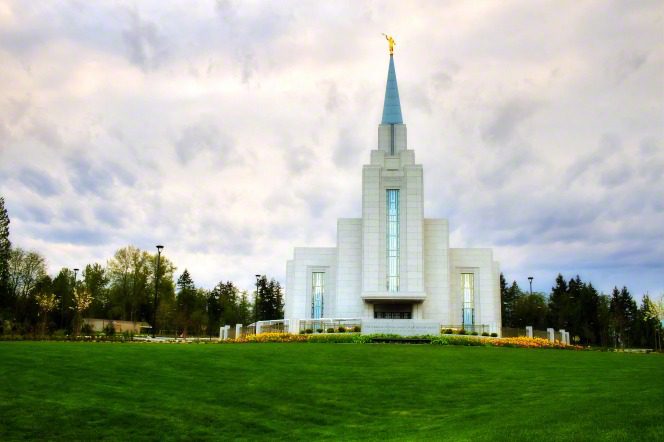
The Vancouver British Columbia Temple (LDS Media Library)
It’s rather late notice — I’ve been very busy over the past few days — but I’ll be speaking in West Jordan, Utah, tonight (Thursday, 15 March 2018) at 7 PM, on the topic of “The Temple and Ascent to God.” My remarks will focus largely but not quite entirely on the ancient and medieval Middle East.
You can learn more about the lecture here:
http://www.cruiselady.com/learn-our-religion-lecture-series/
***
A bit more from The Manuscript:
Saladin established a dynasty in Egypt and Syria, but it never quite measured up to the qualities of its founder. I am more interested in what followed. Like earlier rulers in the Islamic Near East, Saladin brought in fresh warriors from central Asia to serve in his army. These slave soldiers were known as mamluks.[1] The word mamluk means “owned,” and it is a common term used in Arabic to describe slaves. Saladin’s successors followed him in this practice of importing mamluks. But when the dynasty began to run out of steam, something unusual and highly interesting took place. The slave soldiers took charge. Thus arose what is often, and quite misleadingly, called the Mamluk dynasty of Egypt.
To explain, the rulers of Egypt and their leading associates bought central Asian mamluks to serve in their own personal armies. When these owners died, the mamluks were considered free. (To fully understand the situation, we need to get out of our minds any pictures of slavery as it existed in the American South. We are not talking here of plantations and the like. Even when they were still slaves, the mamluks were highly trained in their business of war and often lived extremely well. It was simply that they owed obedience to their master.) They owed no particular allegiance to the children of their owner, unless for some reason—perhaps by reason of affection for their late master—they chose to do so. And that was rare. They would then begin to buy their own mamluks, if they had not already done so. When the dynasty founded by Sala- din dissolved, the mamluks of the last sultan took control in their own behalf.
But the regime that they founded should not, properly speaking, be called a dynasty. Only rarely was a father succeeded by his son. A mamluk’s children were not themselves mamluks. More importantly, perhaps, it was considered that the children of a mamluk, who had grown up in the relatively posh conditions of Egypt rather than in the tough warrior-producing steppes of central Asia as their father had, were too soft to be real warriors. Thus, there was no succession within the mamluk system. Whenever a mamluk sultan of Egypt died, there would be a struggle among the other mamluks to see who would succeed him. Eventually, one would triumph over the others, and the regime would go on.
**[1] The word is pronounced “mam-LUKE.” Indeed, it is sometimes spelled that way (mamluke), particularly in older English books and articles.
***
Incidentally, somebody has evidently established a phony Facebook page with my name and photo on it, and is using it to try to sell things.
Please don’t be fooled.
You’re welcome, of course, to send me as much money as you would like. (I’m always open to that.) But I’m not selling anything. If something shows up with my name on it, trying to market a commercial product of some sort, it’s not from me.
Previous Post

March 15, 2018
Death and Consciousness
Next Post
March 16, 2018 Mormon Voices
Browse Our Archives
Select a Category Uncategorized
Select a Month October 2026 September 2026 August 2026 July 2026 June 2026 May 2026 April 2026 March 2026 February 2026 January 2026 December 2025 November 2025 October 2025 September 2025 August 2025 July 2025 June 2025 May 2025 April 2025 March 2025 February 2025 January 2025 December 2024 November 2024 October 2024 September 2024 August 2024 July 2024 June 2024 May 2024 April 2024 March 2024 February 2024 January 2024 December 2023 November 2023 October 2023 September 2023 August 2023 July 2023 June 2023 May 2023 April 2023 March 2023 February 2023 January 2023 December 2022 November 2022 October 2022 September 2022 August 2022 July 2022 June 2022 May 2022 April 2022 March 2022 February 2022 January 2022 December 2021 November 2021 October 2021 September 2021 August 2021 July 2021 June 2021 May 2021 April 2021 March 2021 February 2021 January 2021 December 2020 November 2020 October 2020 September 2020 August 2020 July 2020 June 2020 May 2020 April 2020 March 2020 February 2020 January 2020 December 2019 November 2019 October 2019 September 2019 August 2019 July 2019 June 2019 May 2019 April 2019 March 2019 February 2019 January 2019 December 2018 November 2018 October 2018 September 2018 August 2018 July 2018 June 2018 May 2018 April 2018 March 2018 February 2018 January 2018 December 2017 November 2017 October 2017 September 2017 August 2017 July 2017 June 2017 May 2017 April 2017 March 2017 February 2017 January 2017 December 2016 November 2016 October 2016 September 2016 August 2016 July 2016 June 2016 May 2016 April 2016 March 2016 February 2016 January 2016 December 2015 November 2015 October 2015 September 2015 August 2015 July 2015 June 2015 May 2015 April 2015 March 2015 February 2015 January 2015 December 2014 November 2014 March 2014 August 2013 February 2012
Follow Us!
TAKE THE
Religious Wisdom Quiz
Who asked Jesus, "What is truth?"
Select your answer to see how you score.
Herod Pilate Nicodemus Caiaphas
Related posts from Sic et Non

Islam in America or Islam versus America?

A basic working chronology of Islamic-era Iran

Actual Data and Actual Crusades

TRENDING AT PATHEOS Latter-day Saint

A new article, written by Jeff Lindsay and Gale L. Pooley,...

Swimfan: Forgotten Aughts Pleasures
This is a recovery effort. In 2002, My Big Fat Greek Wedding...

Top Three Anti-Catholic Lies About Catholicism
This is my initial transcript for the video, "THE 3 WORST...

Pope Leo Celebrates Mass for Nurses & Docs...
I don't have any idea how he did it, but Pope Leo...

The Sermon on the Mount, Part I: Matthew...
The Sermon on the Mount, Part I (Matthew 4:12-5:12) St. Matthew moves...

What's up from Crossway: Reviewing some of their latest A few weeks...
view all Latter-day Saint blogs
Ad-Free & Subscriber Log-In Subscription Support
- About Us
- 2026 Calendar
- Videos
- Podcasts
- Library of World Religions
- Faith In Media Tracker
- Advertise With Us
- Write for Us
- Privacy Policy
- Terms of Service
- Do Not Sell My Data
- Contact Us
- Radiant Digital
- Manage Newsletter Subscriptions
- Unsubscribe From Notifications
- Sitemap
Copyright 2008-2026, Patheos. All rights reserved.
Subscription Support Ad-Free & Subscriber Log-In
Follow Patheos