
BuddhistCatholicContemplativeEvangelicalGeneral ChristianHinduJewishLatter-day SaintMuslimNew VisionsProgressive Christian
Beliefs
- Buddhist
- Catholic
- Contemplative
- Evangelical
- General Christian
- Hindu
- Jewish
- Latter-day Saint
- More Voices
- Muslim
- New Visions
- Pagan
- Progressive Christian
Topics
- Religion News
- Food and Religion
- Sports and Religion
- Religious Art
- Religious Music and Entertainment
- Religious Events
- History and Religion
- Style and Religion
- Politics and Religion
- Women in Religion
- Recreation Outdoors and Religion
- Business Finance and Religion
- Careers Workplace and Religion
- Education and Religion
- Family Parenting and Religion
- Health Fitness and Religion
- Home and Religion
- Relationships and Religion
- Technology and Religion
- Travel and Religion
Columnists
- Buddhist Columnists
- Business Finance and Religion Columnists
- Careers Workplace and Religion Columnists
- Catholic Columnists
- Contemplative Columnists
- Education and Religion Columnists
- Evangelists Columnists
- Family Parenting and Religion Columnists
- General Christian Columnists
- Health Fitness and Religion Columnists
- Hindu Columnists
- History and Religion Columnists
- Home and Religion Columnists
- Jewish Columnists
- More Voices Columnists
- Latter Day Columnists
- Muslim Columnists
- New Visions Columnists
- Nonreligious Columnists
- Pagan Columnists
- Politics and Religion Columnists
- Progressive Columnists
- Recreation Outdoors and Religion Columnists
- Relationships and Religion Columnists
- Religion News Columnists
- Religious Art Columnists
- Religious Events Columnists
- Religious Music and Entertainment Columnists
- Sports and Religion Columnists
- Style and Religion Columnists
- Technology and Religion Columnists
- Travel and Religion Columnists
- Women in Religion Columnists
Resource Library
- 2026 Calendar
- Library of World Religions
- The 100 Most Holy Places on Earth
- Patheos Answers
- Podcasts
- Videos
- Faith Leaders Database
- Anglican Episcopalian
- Bahai
- Baptist
- Buddhism
- Christianity
- Confucianism
- Eastern Orthodoxy
- Hinduism
- Holiness and Pentecostal
- ISKCON
- Islam
- Judaism
- Lutheran
- Methodist
- The Church of Jesus Christ of Latter-day Saints
- New Age
- Paganism
- Presbytarian and Reformed
- Protestantism
- Religion Behind the Scenes
- Roman Catholic
- Scientology
- Shia Islam
- Sikhism
- Sufism
- Sunni Islam
- Taoism
- Zen
- See all religions
Research Tools
 Ad-Free & Subscriber Log-In Subscription Support
Ad-Free & Subscriber Log-In Subscription Support
Follow Patheos 

- Trending:
- Forgiveness
- |
- Marriage
- |
- Consciousness
- |
- Death Penalty
- |
- Election
- |
- Halloween
 Dandelionlady
- Home
- Pagan
- Rev. Mel’s guide to “All The Things” for Ritual
Rev. Mel’s guide to “All The Things” for Ritual
Last updated on: January 5, 2017 at 6:09 pm by Melissa Hill
Rev. Mel’s guide to “All The Things” for Ritual 2017-01-05T18:09:06-04:00 Melissa Hill
Patheos Explore the world's faith through different perspectives on religion and spirituality! Patheos has the views of the prevalent religions and spiritualities of the world.
As a liturgist in charge of a ritual there are a lot of details that go into making sure a ritual goes smoothly. I was recently asked to create a list of “all the things” for the grove member leading our Yule rite. So rather than attempt to text type all the details that go into making a great ritual, I figured I’d just type up a blog post and save my thumbs for texting cute pictures of my cat to my friends.
There are a number of interlocking parts to creating a good, interactive, congregation focused ritual:
First, the ritual itself, you have to have one. You have to have a theme that focuses on deities or spirits that pertain to the seasonal occasion, or particular event. You have to know enough about the pantheon and culture associated so that you can add in appropriate spirits and deities to flesh out your ritual, who will stand as the Earth Mother, the Gatekeeper, or the Spirits of the Elements, if your rituals swing that way.
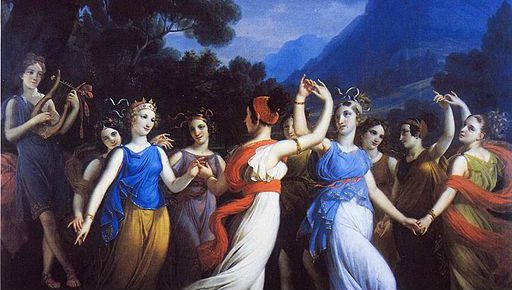
In our rituals we have the Earth Mother, optional Sky Father and/or spirit of inspiration, then the Gatekeeper, the Ancestors, the Nature Spirits, and the Shining Ones. Then you have the main offering honoring the Deity or Spirit that you have decided to theme your ritual around. Each of these needs an invocation and an offering in our tradition. As the liturgist it’s not just your job to make sure the invocation gets done, it’s your job to decide –how- it gets done.
Questions to ask yourself:
As you create your ritual there are a lot of questions that need answering. Which invocations are going to be done by others, and which ones will be done by you? Will you pre-write the invocations or ask others to do that work? Based on your knowledge of their ritual skill sets, you may want to check in and see if they need help with the writing process. If you pre-write invocations you will need to make sure they get printed and given to each person. If you don’t you will need to make sure to let them know if there’s going to be a particular ending that each invocation will have. A tagline can add continuity. For instance, if you have everyone say something like, “(spirit or god) accept our offering!” or “Join us (spirit or god) and sit by our fire.” it can create unity amongst diverse invocation offerings.
After you’ve assigned parts and figured out how much input each individual is willing or capable of putting in, then you have to figure out other things, like who’s bringing the decorations for the altar? Who’s bringing offerings? Are you doing your ritual indoors or outdoors? This will change what kind of offerings and decorations you can use. Do you have a way to dispose of offerings in a sacred manner? Do you want people involved in the ritual to be wearing ritual garb? Do they even have ritual garb?
As you do all this planning you need to remember that if your ritual doesn’t engage your congregation you’re failing. Is it multisensory? Are there songs? Do you need to go find a new chant? If you do, you need to send it out early to people, emailing a mp3 ahead of time can be a great idea. Sometimes all you need is to ask a couple of people who are good at singing to learn it so they can carry the chant. Sometimes if it’s particularly complicated it’s better to have those good singers just do it as a performance piece. (Sometimes I dream of having a pagan choir for my grove, but until then, we do what we can)
Take it to the Next Level:
One of the things we do in our grove rituals is have a trinket: small objects that are blessed with the sacred Waters of Life toward the end of the ritual. Each person in attendance takes one as a remembrance of the ritual. Sometimes it’s as simple as a purchased glass bead, sometimes it’s a carefully crafted item. Figuring out what this is going to be and how it’s going to get done is also the job of the liturgist in charge.
As a liturgist you also need to be in contact with the people who are doing children’s activities, competitions, or other non-ritual holiday activities. In the case of Yule this could mean kid’s activities, carol singing, white elephant gift exchanges, the potluck feast, or crafts. You need to be aware of kids and the elderly. Is your ritual too wordy for a bunch of little kids to sit through? Then you need side activities for them. Do you have a lot of elderly or disabled members? Then you need to make sure they have proper seating and access to the site.
As one of the priests of my grove a big part of my job is teaching all these skill sets. It’s intense. If we look at it in terms of modern movie production, you’re a writer, a performer, a director, and a producer who is also the liaison to caterer, and entertainment director. It’s a lot. It took me a long time to realize just how much –work- I was doing to create a great all-ages ritual production.
You’re Not Alone in This:
Most of all, remember that everyone who is helping you is a volunteer, as are you (Unless you’re paid clergy in which case, awesome for you.) Be kind, thoughtful, and make sure you’re getting input from your membership and actually –listening- to it. Ritual can be a solo performance, but doing that high day after high day is exhausting, and more to the point, not helpful for your grove, circle, or coven. You won’t always be there, whether it’s the flu, other priorties, or death. Train your people slowly but steadily to replace you. Always look for how people can help with rituals in ways that will fulfill them and expand their skill sets.
If you enjoy my work and find it useful please stop by my Patreon page and set up a small donation. Thanks.
Sources:
Wikimedia Commons
Previous Post

December 21, 2016
Kucios and Kaleda: The Lithuanian Solstice
Next Post
January 16, 2017 Inspired by Martin Luther King: a Speech
Browse Our Archives
Select a Category animism Cermony and Liturgy Columns Community Dandelion Seeds Health and Wellness History Holidays Magic Nature pagan parenting plant animism Politics Ritual and Practice symbolism and science Theology, Ethics, Philosophy Uncategorized
Select a Month August 2021 May 2021 April 2021 March 2021 February 2021 January 2021 December 2020 November 2020 October 2020 September 2020 August 2020 July 2020 June 2020 May 2020 April 2020 March 2020 February 2020 January 2020 December 2019 November 2019 October 2019 September 2019 August 2019 July 2019 June 2019 May 2019 April 2019 March 2019 February 2019 January 2019 December 2018 November 2018 October 2018 September 2018 August 2018 June 2018 May 2018 April 2018 March 2018 February 2018 January 2018 December 2017 November 2017 October 2017 September 2017 August 2017 July 2017 June 2017 May 2017 April 2017 March 2017 February 2017 January 2017 December 2016 November 2016 October 2016 September 2016 August 2016 July 2016 June 2016 May 2016 April 2016 March 2016 February 2016 January 2016 December 2015 November 2015 October 2015 September 2015 August 2015 July 2015 June 2015 May 2015 April 2015 March 2015 February 2015 January 2015 December 2014 November 2014 October 2014 September 2014 August 2014 January 2014 October 2013 September 2013 August 2013 July 2013 June 2013 May 2013 April 2013 February 2013 January 2013 July 2012 April 2012 March 2012 February 2012 January 2012 December 2011 November 2011 October 2011 September 2011 August 2011 July 2011 June 2011 May 2011 April 2011 March 2011 February 2011 January 2011 December 2010 November 2010 October 2010 September 2010 August 2010 July 2010 June 2010 May 2010 April 2010 March 2010 February 2010 January 2010 December 2009 November 2009 October 2009 September 2009 August 2009 July 2009 June 2009 May 2009 April 2009 March 2009 February 2009
Follow Us!
TAKE THE
Religious Wisdom Quiz
Who said, "Let us build us a city and a tower, whose top may reach unto heaven"?
Select your answer to see how you score.
Egyptians People of Babel Chaldeans Israelites
Related posts from Dandelionlady

Working with Your Local River as a Center...
What is Animism: Finding the Spirit of All...

Origins of the Heart Shape: Found in Ecology,...

The Heart of Fire, an Imbolc Prayer Based...
TRENDING AT PATHEOS Pagan

I was recently chatting with someone on Instagram. She asked me what...

While there are many people who share their results, the end of...

On July 23, I saw Christopher Nolan's The Odyssey which is Homer’s...

As I write this two big events have just finished up. One...

Restoring the Watershed of Divine Love
Perhaps cooperation is not something we manufacture through legislation, ideology, or moral...

Many UUs don’t pray because of bad experiences in a previous religion,...
view all Pagan blogs
Ad-Free & Subscriber Log-In Subscription Support
- About Us
- 2026 Calendar
- Videos
- Podcasts
- Library of World Religions
- Faith In Media Tracker
- Advertise With Us
- Write for Us
- Privacy Policy
- Terms of Service
- Do Not Sell My Data
- Contact Us
- Radiant Digital
- Manage Newsletter Subscriptions
- Unsubscribe From Notifications
- Sitemap
Copyright 2008-2026, Patheos. All rights reserved.
Subscription Support Ad-Free & Subscriber Log-In
Follow Patheos