
BuddhistCatholicContemplativeEvangelicalGeneral ChristianHinduJewishLatter-day SaintMuslimNew VisionsProgressive Christian
Beliefs
- Buddhist
- Catholic
- Contemplative
- Evangelical
- General Christian
- Hindu
- Jewish
- Latter-day Saint
- More Voices
- Muslim
- New Visions
- Pagan
- Progressive Christian
Topics
- Religion News
- Food and Religion
- Sports and Religion
- Religious Art
- Religious Music and Entertainment
- Religious Events
- History and Religion
- Style and Religion
- Politics and Religion
- Women in Religion
- Recreation Outdoors and Religion
- Business Finance and Religion
- Careers Workplace and Religion
- Education and Religion
- Family Parenting and Religion
- Health Fitness and Religion
- Home and Religion
- Relationships and Religion
- Technology and Religion
- Travel and Religion
Columnists
- Buddhist Columnists
- Business Finance and Religion Columnists
- Careers Workplace and Religion Columnists
- Catholic Columnists
- Contemplative Columnists
- Education and Religion Columnists
- Evangelists Columnists
- Family Parenting and Religion Columnists
- General Christian Columnists
- Health Fitness and Religion Columnists
- Hindu Columnists
- History and Religion Columnists
- Home and Religion Columnists
- Jewish Columnists
- More Voices Columnists
- Latter Day Columnists
- Muslim Columnists
- New Visions Columnists
- Nonreligious Columnists
- Pagan Columnists
- Politics and Religion Columnists
- Progressive Columnists
- Recreation Outdoors and Religion Columnists
- Relationships and Religion Columnists
- Religion News Columnists
- Religious Art Columnists
- Religious Events Columnists
- Religious Music and Entertainment Columnists
- Sports and Religion Columnists
- Style and Religion Columnists
- Technology and Religion Columnists
- Travel and Religion Columnists
- Women in Religion Columnists
Resource Library
- 2026 Calendar
- Library of World Religions
- The 100 Most Holy Places on Earth
- Patheos Answers
- Podcasts
- Videos
- Faith Leaders Database
- Anglican Episcopalian
- Bahai
- Baptist
- Buddhism
- Christianity
- Confucianism
- Eastern Orthodoxy
- Hinduism
- Holiness and Pentecostal
- ISKCON
- Islam
- Judaism
- Lutheran
- Methodist
- The Church of Jesus Christ of Latter-day Saints
- New Age
- Paganism
- Presbytarian and Reformed
- Protestantism
- Religion Behind the Scenes
- Roman Catholic
- Scientology
- Shia Islam
- Sikhism
- Sufism
- Sunni Islam
- Taoism
- Zen
- See all religions
Research Tools
 Ad-Free & Subscriber Log-In Subscription Support
Follow Patheos 

- Trending:
- Advent
- |
- Forgiveness
- |
- Thanksgiving
- |
- Election
- |
- Seasonal Holidays
- |
- Marriage
 Cultivare
- Home
- Evangelical
- Why Churches Still Need Seminaries: A Complicated Case Study
Why Churches Still Need Seminaries: A Complicated Case Study
Last updated on: May 13, 2014 at 12:49 pm by Kyle Roberts
Why Churches Still Need Seminaries: A Complicated Case Study 2014-05-13T12:49:00-04:00 Kyle Roberts
Patheos Explore the world's faith through different perspectives on religion and spirituality! Patheos has the views of the prevalent religions and spiritualities of the world.
Recently Tony Jones suggested that seminaries are “training people to repair phone booths.” Sadly, he has a point. Seminaries are struggling to find new students–and even to keep the ones they already have–because they are becoming increasingly disconnected from the realities of our complicated world.
In the Integrative Seminar I’ve been teaching this semester, we’ve been using case studies as a way to think about the ways that theology, biblical studies, spiritual formation, leadership studies, and social science can come together to help us think through complicated (and real-life) situations that affect the church. How many times do pastors exclaim, they never taught me that in seminary! Of course, seminaries can’t teach everything that pastors will face. But I have to say, I’ve been deeply impressed with the way these students have been raising some very difficult questions and problems in the church–questions and problems they have already faced. Despite the decline in theological education and the short-cut approaches that some churches and denominations might be considering as ways to get around the seminary, I am still convinced there is a need for seminaries–so long as those seminaries quit “training people to repair phone booths.”
I am posting below the first case study I presented our students, as a way of illustrating why we need “contextual theologians” leading the church today (can seminaries start thinking of their task as training contextual theologians?).
Note: This case study is loosely based on a real situation, but the case has been masked to protect identities. All names (including the church name) are fictional.
Case Study: A Complicated Situation
Stacia Hayes is the children’s minister for Parkridge, a relatively conservative, non-denominational church in suburban _____. Her church is relatively new (6 years old), but has seen tremendous growth in the past 3 years. Parkridge has focused on reaching non-believers and disaffected, former Christians through non-traditional services and intentional outreach to the community, and therefore has attracted a fairly wide diversity of people with a wide range of backgrounds and levels of experience in the Christian faith. Even though Parkridge takes fairly traditional stances on controversial issues like homosexuality, it has articulated a consistent message of emphasizing grace and hospitality toward “seekers.” When asked directly about the church’s views on homosexuality, the pastor, Derrick, likes to say something like: “Homosexuality as an orientation is not sinful, but homosexual behavior is a sin. However, we are all sinners and are all in need of grace. But that doesn’t excuse us from working on our sin and seeking holiness.”
Along with this tremendous growth, Parkridge has seen dramatic growth in the number of children participating in the children’s ministry. Stacia was always on the lookout for good volunteers!
She was thrilled when a middle-aged married couple, Dan and Mary, came to her expressing their interest in serving in the children’s ministry together. They had two children who participate in the ministry already, so they both felt compelled to help out. Dan was a social worker who works with children with mental disabilities, and Mary was an elementary teacher, so they bring expertise and experience working with kids. Before they committed, however, they requested to meet with Stacia personally so that they could share some of their personal story.
In that meeting, they informed Stacia that Dan is Mary’s second husband. Mary divorced her first husband, who had been repeatedly unfaithful to her. She met Dan a year later, and they have been married for 2 years. After hearing this story, Stacia assured them that this wasn’t a problem. The church took a welcoming approach toward divorce and remarriage, understanding how difficult marriage can be. Furthermore, infidelity is a valid biblical reason for divorce.
But there’s more, they said. Ten years ago, Dan underwent a process of gender transformation. He was born with a female body, though he knew from a very early age that he was not comfortable as a woman and that he was also sexually attracted to women. As he underwent the sexual transformation as an adult, he changed his name from Margaret (his birth name) to Dan. They assured Stacia that Dan is now biologically (and psychologically) male and that they are living in a heterosexual relationship as a married couple. They both love Jesus and want to serve him in the context of this church.
Stacia said she would have to think more about it. After conferring with her pastor, Derrick, they both decided that it would be better to decline Dan and Mary’s offer to serve in the children’s ministry. Stacia told them that it would be too complicated for the church and that many of the parents wouldn’t understand. In response, Dan and Mary left the church to find a more welcoming congregation.
Question: Are you comfortable with how Stacia and Derrick handled the situation? Why or why not?
Previous Post

May 7, 2014
Everyday Prayers
Next Post
May 14, 2014 Divine Intervention vs Divine Involvement
Browse Our Archives
Select a Category Alex Blondeau Authors Daniel Harrell Daniel Siedell Dawn Duncan Harrell Kyle Roberts Uncategorized Wyndy Corbin
Select a Month November 2014 October 2014 September 2014 August 2014 July 2014 June 2014 May 2014 April 2014 March 2014 February 2014 January 2014 December 2013 November 2013 October 2013 September 2013 August 2013 July 2013 June 2013 May 2013 April 2013 March 2013 February 2013 January 2013 December 2012 November 2012 October 2012 September 2012 August 2012 July 2012 June 2012 May 2012
TAKE THE
Religious Wisdom Quiz
What Christian group requires its members to serve as missionaries?
Select your answer to see how you score.
Jehovah’s Witnesses Anglicans Latter-day Saints Baptists
Related posts from Cultivare
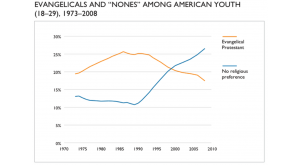
Young Evangelicals and the "Nones": Jumping Ship


Calling For Public Theology (A Brief Convocation Address)

Don't Ask How to Grow Your Church
TRENDING AT PATHEOS Evangelical

Making Stones Into Bread: Choosing the “Right” Work
I was on my online arts ministry Zoom meeting with the International...

Ukraine’s exhausted Christians face fifth winter of war
By Julian Lukins The full-scale war in Ukraine is taking “a serious...

Russell Brand's Conviction is not anti-Christian Persecution
How do we shed the reputation that the Church is OK with...

Have you ever caught yourself saying, “I’ll do it tomorrow,” or “Now...

Write Your Story: A Great Way to Find...
A few month’s back, my son was scrolling around Facebook and saw...

Throughout history, people have pursued pleasure, possessions, relationships, and success in an...
view all Evangelical blogs
Ad-Free & Subscriber Log-In Subscription Support
- About Us
- 2026 Calendar
- Videos
- Podcasts
- Library of World Religions
- Faith In Media Tracker
- Advertise With Us
- Write for Us
- Privacy Policy
- Terms of Service
- Do Not Sell My Data
- Contact Us
- Radiant Digital
- Manage Newsletter Subscriptions
- Unsubscribe From Notifications
- Sitemap
Copyright 2008-2026, Patheos, part of the Radiant Digital network of media brands. All rights reserved.
Subscription Support Ad-Free & Subscriber Log-In
Follow Patheos