
BuddhistCatholicContemplativeEvangelicalGeneral ChristianHinduJewishLatter-day SaintMuslimNew VisionsProgressive Christian
Beliefs
- Buddhist
- Catholic
- Contemplative
- Evangelical
- General Christian
- Hindu
- Jewish
- Latter-day Saint
- More Voices
- Muslim
- New Visions
- Pagan
- Progressive Christian
Topics
- Religion News
- Food and Religion
- Sports and Religion
- Religious Art
- Religious Music and Entertainment
- Religious Events
- History and Religion
- Style and Religion
- Politics and Religion
- Women in Religion
- Recreation Outdoors and Religion
- Business Finance and Religion
- Careers Workplace and Religion
- Education and Religion
- Family Parenting and Religion
- Health Fitness and Religion
- Home and Religion
- Relationships and Religion
- Technology and Religion
- Travel and Religion
Columnists
- Buddhist Columnists
- Business Finance and Religion Columnists
- Careers Workplace and Religion Columnists
- Catholic Columnists
- Contemplative Columnists
- Education and Religion Columnists
- Evangelists Columnists
- Family Parenting and Religion Columnists
- General Christian Columnists
- Health Fitness and Religion Columnists
- Hindu Columnists
- History and Religion Columnists
- Home and Religion Columnists
- Jewish Columnists
- More Voices Columnists
- Latter Day Columnists
- Muslim Columnists
- New Visions Columnists
- Nonreligious Columnists
- Pagan Columnists
- Politics and Religion Columnists
- Progressive Columnists
- Recreation Outdoors and Religion Columnists
- Relationships and Religion Columnists
- Religion News Columnists
- Religious Art Columnists
- Religious Events Columnists
- Religious Music and Entertainment Columnists
- Sports and Religion Columnists
- Style and Religion Columnists
- Technology and Religion Columnists
- Travel and Religion Columnists
- Women in Religion Columnists
Resource Library
- 2026 Calendar
- Library of World Religions
- The 100 Most Holy Places on Earth
- Patheos Answers
- Podcasts
- Videos
- Faith Leaders Database
- Anglican Episcopalian
- Bahai
- Baptist
- Buddhism
- Christianity
- Confucianism
- Eastern Orthodoxy
- Hinduism
- Holiness and Pentecostal
- ISKCON
- Islam
- Judaism
- Lutheran
- Methodist
- The Church of Jesus Christ of Latter-day Saints
- New Age
- Paganism
- Presbytarian and Reformed
- Protestantism
- Religion Behind the Scenes
- Roman Catholic
- Scientology
- Shia Islam
- Sikhism
- Sufism
- Sunni Islam
- Taoism
- Zen
- See all religions
Research Tools
 Ad-Free & Subscriber Log-In Subscription Support
Ad-Free & Subscriber Log-In Subscription Support
Follow Patheos 

- Trending:
- Forgiveness
- |
- Marriage
- |
- Consciousness
- |
- Death Penalty
- |
- Election
- |
- Halloween
 Cultivare
- Home
- Evangelical
- The Misunderstood Plato and the Disembodied Soul
The Misunderstood Plato and the Disembodied Soul
Last updated on: September 26, 2013 at 3:12 pm by Kyle Roberts
The Misunderstood Plato and the Disembodied Soul 2013-09-26T15:12:54-04:00 Kyle Roberts
Patheos Explore the world's faith through different perspectives on religion and spirituality! Patheos has the views of the prevalent religions and spiritualities of the world.
Plato gets a bad rap in much of Christian theology these days for his supposed contribution to anthropological dualism, the view that te human person is composed of two distinct substances (soul–or spirit–and body). 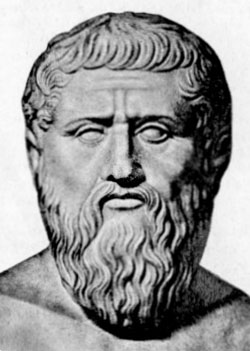 This dualism is the cause, then, of the gnostic devaluation of the body in favor of the spiritual. I have been guilty of “blaming Plato” in the past. Diogenes Alen, is his brilliant work, Philosophy for Understanding Theology, offers an insightful counterpoint:
If one…takes the Phaedo as definitive of Plato’s view of the soul, then it seems to make the emotions and desires not only subordinate but also nonessential to the nature of a human being. We are essentially reason or intelligence alone. We feel because we are in contact with something that is not essential to us, but our nature is that of a spiritual substance. This picture of Plato is quite common in Christian circles. It makes Plato seem simple at the price of gross misinterpretation and also makes him seem much more gnostic in his attitude toward the body than can be justified, if we give any weight at all to what he says about the soul in the Republic and the Phaedrus. In these works the soul (or person) is not only reason or nous. Emotions and appetites or desires have a rightful function in a person’s life. (35).
Now, Platonism clearly turned hard in the direction of a substance dualism, with the consequence of undervaluing the body (even hating the body). And Christianity picks some of this attitude up due to the influence of Plotinus and neo-Platonism upon early Christian thought. In many ways, like Humpty Dumpty’s soldiers, we are still trying to put the pieces of body and soul back together again. But Plato might have less to do with the splintering than the blame he’s often assigned.
Previous Post

September 26, 2013
Be Responsible
Next Post
September 30, 2013 Welcome Anger, Welcome Fear: On the "Welcoming Prayer"
Browse Our Archives
Select a Category Alex Blondeau Authors Daniel Harrell Daniel Siedell Dawn Duncan Harrell Kyle Roberts Uncategorized Wyndy Corbin
Select a Month November 2014 October 2014 September 2014 August 2014 July 2014 June 2014 May 2014 April 2014 March 2014 February 2014 January 2014 December 2013 November 2013 October 2013 September 2013 August 2013 July 2013 June 2013 May 2013 April 2013 March 2013 February 2013 January 2013 December 2012 November 2012 October 2012 September 2012 August 2012 July 2012 June 2012 May 2012
TAKE THE
Religious Wisdom Quiz
What does "Tamar" mean in Hebrew?
Select your answer to see how you score.
Palm tree Daughter of the King My delight The Lord is my refuge
Related posts from Cultivare

Young Evangelicals and the "Nones": Jumping Ship


Calling For Public Theology (A Brief Convocation Address)

Don't Ask How to Grow Your Church
TRENDING AT PATHEOS Evangelical

The REST of Your Life: A Creative Wrestles...
This week I had a conversation with a good friend from church....

How the author of the world's best hymn...
I've been working with John Newton for a while now. This makes...

Long before this Lectio Divina, Psalm 130 - the song - started...

What About the Trees? Another Living Parable
After I finished writing the last article about falling leaves as a...

Why Classical Education Is a Conversation, Not a...
Come and Read: Joy in Classical Education When I was a little...

Cornell University has received a great deal of negative publicity and intense...
view all Evangelical blogs
Ad-Free & Subscriber Log-In Subscription Support
- About Us
- 2026 Calendar
- Videos
- Podcasts
- Library of World Religions
- Faith In Media Tracker
- Advertise With Us
- Write for Us
- Privacy Policy
- Terms of Service
- Do Not Sell My Data
- Contact Us
- Radiant Digital
- Manage Newsletter Subscriptions
- Unsubscribe From Notifications
- Sitemap
Copyright 2008-2026, Patheos. All rights reserved.
Subscription Support Ad-Free & Subscriber Log-In
Follow Patheos