
BuddhistCatholicContemplativeEvangelicalGeneral ChristianHinduJewishLatter-day SaintMuslimNew VisionsProgressive Christian
Beliefs
- Buddhist
- Catholic
- Contemplative
- Evangelical
- General Christian
- Hindu
- Jewish
- Latter-day Saint
- More Voices
- Muslim
- New Visions
- Pagan
- Progressive Christian
Topics
- Religion News
- Food and Religion
- Sports and Religion
- Religious Art
- Religious Music and Entertainment
- Religious Events
- History and Religion
- Style and Religion
- Politics and Religion
- Women in Religion
- Recreation Outdoors and Religion
- Business Finance and Religion
- Careers Workplace and Religion
- Education and Religion
- Family Parenting and Religion
- Health Fitness and Religion
- Home and Religion
- Relationships and Religion
- Technology and Religion
- Travel and Religion
Columnists
- Buddhist Columnists
- Business Finance and Religion Columnists
- Careers Workplace and Religion Columnists
- Catholic Columnists
- Contemplative Columnists
- Education and Religion Columnists
- Evangelists Columnists
- Family Parenting and Religion Columnists
- General Christian Columnists
- Health Fitness and Religion Columnists
- Hindu Columnists
- History and Religion Columnists
- Home and Religion Columnists
- Jewish Columnists
- More Voices Columnists
- Latter Day Columnists
- Muslim Columnists
- New Visions Columnists
- Nonreligious Columnists
- Pagan Columnists
- Politics and Religion Columnists
- Progressive Columnists
- Recreation Outdoors and Religion Columnists
- Relationships and Religion Columnists
- Religion News Columnists
- Religious Art Columnists
- Religious Events Columnists
- Religious Music and Entertainment Columnists
- Sports and Religion Columnists
- Style and Religion Columnists
- Technology and Religion Columnists
- Travel and Religion Columnists
- Women in Religion Columnists
Resource Library
- 2026 Calendar
- Library of World Religions
- The 100 Most Holy Places on Earth
- Patheos Answers
- Podcasts
- Videos
- Faith Leaders Database
- Anglican Episcopalian
- Bahai
- Baptist
- Buddhism
- Christianity
- Confucianism
- Eastern Orthodoxy
- Hinduism
- Holiness and Pentecostal
- ISKCON
- Islam
- Judaism
- Lutheran
- Methodist
- The Church of Jesus Christ of Latter-day Saints
- New Age
- Paganism
- Presbytarian and Reformed
- Protestantism
- Religion Behind the Scenes
- Roman Catholic
- Scientology
- Shia Islam
- Sikhism
- Sufism
- Sunni Islam
- Taoism
- Zen
- See all religions
Research Tools
 Ad-Free & Subscriber Log-In Subscription Support
Ad-Free & Subscriber Log-In Subscription Support
Follow Patheos 

- Trending:
- Forgiveness
- |
- Marriage
- |
- Consciousness
- |
- Death Penalty
- |
- Election
- |
- Halloween
 Cultivare
- Home
- Evangelical
- Good King Wenceslas
Good King Wenceslas
Last updated on: December 26, 2012 at 12:06 pm by Daniel Harrell
Good King Wenceslas 2012-12-26T12:06:48-04:00 Daniel Harrell
Patheos Explore the world's faith through different perspectives on religion and spirituality! Patheos has the views of the prevalent religions and spiritualities of the world.
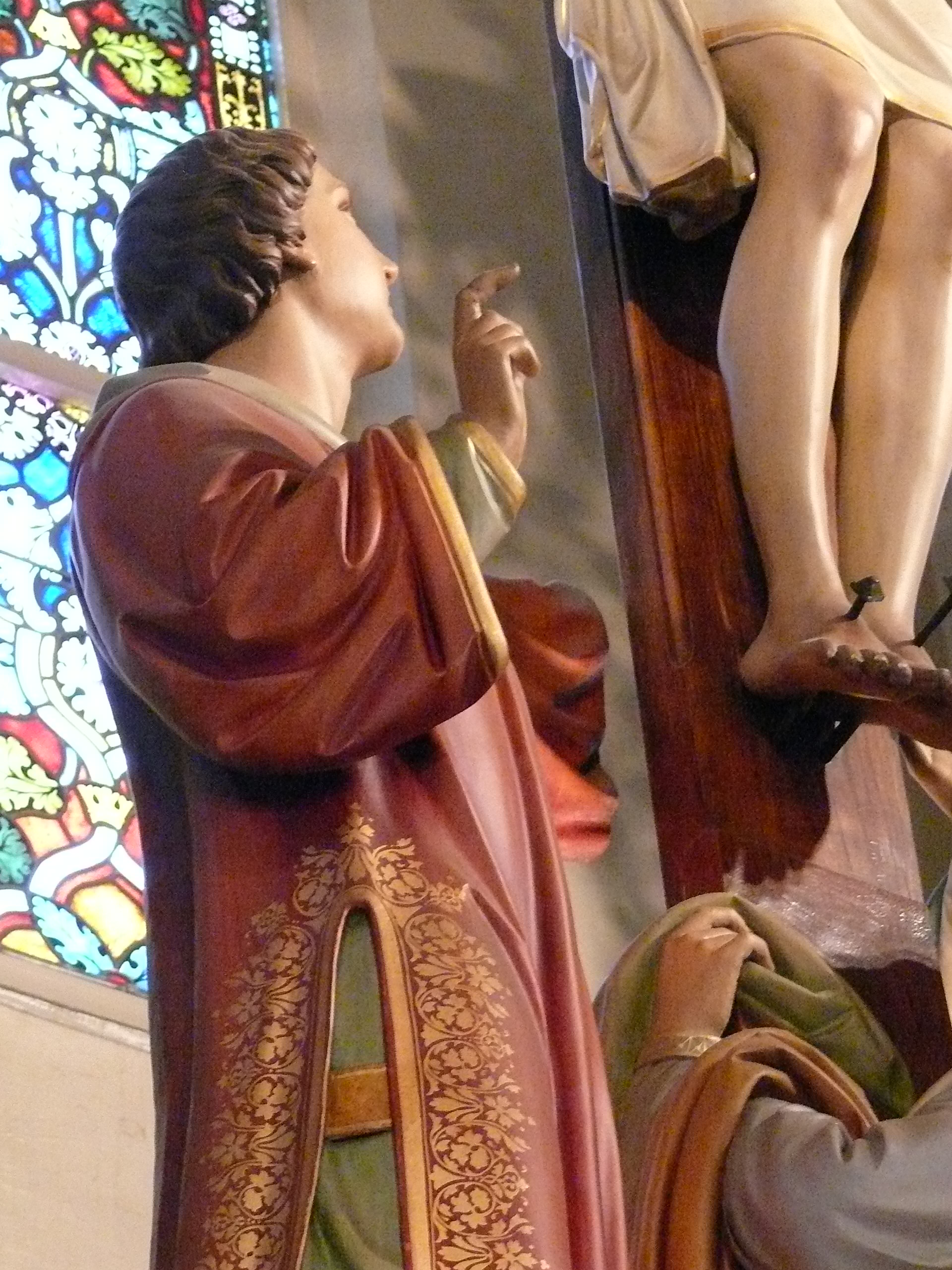 December 26 is a day marked on the church calendar as The Feast of Stephen. Now some of you hail from countries where December 26 is also known as Boxing Day. Contrary to popular opinion, Boxing Day has nothing to do with boxing up your Christmas trash, with after-Christmas sales or with punching some irritating relative to whom you were just being nice during the holiday. Instead, Boxing Day derives from an historic practice of opening and emptying church alms boxes and giving the money to the poor and needy on the Feast of Stephen. Therefore Boxing Day is traditionally devoted to giving to those less fortunate; with the double advantage of atoning for any personal, selfish excesses of Christmas proper.
This encouragement toward charity on the Feast of Stephen inspired the Christmas carol Good King Wenceslas. Perhaps you know it: Good King Wenceslas looked out, on the Feast of Stephen, when the snow lay round about. Deep and crisp and even. Brightly shown the moon that night, though the frost was cruel, when a poor man came in sight, gathering winter’s fuel. The carol goes on to tell about how King Wenceslas, a 10th century Bohemian monarch, helped the poor man out. The carol ends with a moral: Therefore, Christian men, be sure, wealth or rank possessing, you who now will bless the poor- shall yourselves find blessing.
The story of Stephen himself appears in Acts. He’s mentioned among the first church deacons, one of seven recognized as full of the spirit and wisdom who were selected to wait on tables and to make sure that food was distributed properly among the nascent Christian community in order to free up the twelve apostles to teach. This concern for equitable food distribution, particularly to poor widows who were getting overlooked, is why the Feast of Stephen is associated with giving to the poor.
However it was not Stephen’s role as a deacon that made for December 26 being designated his feast day. Rather, it was Stephen’s role as the church’s first martyr. Despite what some must have considered to be the menial nature of Stephen’s work as a waiter of tables, Acts reports that through the Holy Spirit, Stephen also performed “great wonders and signs” among the people. These wonders were threatening to early church adversaries who determined to squash Stephen and his gang of seditious Jesus-followers. Unable to outwit, outdo or discredit Stephen by straightforward means, the church’s antagonists resorted to slander, spreading rumors that Stephen bad-mouthed Moses, the Temple and even God himself. Consequently, Stephen was hauled before the high priest and the elders who demanded an answer to the trumped-up charges. Stephen turned the tables and proceeded to lecture the entire religious power establishment as to their own obstinacy toward God in rejecting Jesus, who by his death and resurrection proved to be the fulfillment of God’s promises—both those prefigured by the Temple as well as those given by Moses.
The high priest and the elders, predictably enraged when Stephen went on to call them hypocrites and stiff-necked murderers, dragged Stephen out into the streets and stoned him dead. As he died, just as Jesus himself had done on the cross, Stephen prayed for his killers’ forgiveness. Saul, who would later be changed by God into Paul, gave approval to Stephen’s death and followed it up with a violent and widespread persecution.
So why dedicate the day after Christmas to the first casualty of following Jesus? Jesus told his followers that being his disciple would mandate their carrying a cross too. “You’ll be handed over to be tortured, and will be put to death and hated by all because of my name,” Jesus said. The early Christians eventually found themselves facing just what Jesus predicted as they sought to stay faithful and speak truth in their day. Overwhelmed by both gratitude and conviction, these believers had no other options.
Christmas and the Feast of Stephen go hand in hand. God came to us amidst scandal and humiliation at Christmas so that he might die for us amidst scandal and humiliation on Calvary. But because it is into our scandal and humiliation that God comes and dies, we are ironically freed to follow him in humiliation that is not humiliating anymore. Death no longer carries its sting. In Christ the humble get raised up. Praise the Lord for He is good, his steadfast love endures forever. And so must our love endure, even if it kills us. I don’t know if I can love like that, but I do know that I must try. And in those moments when I painfully do succeed, Christ is honored and his Name is blessed.
Previous Post

December 24, 2012
An Advent Meditation with Gabriel Orozco
Next Post

December 31, 2012 Larks that Cannot Sing: The Work of Claudia Alvarez
Browse Our Archives
Select a Category Alex Blondeau Authors Daniel Harrell Daniel Siedell Dawn Duncan Harrell Kyle Roberts Uncategorized Wyndy Corbin
Select a Month November 2014 October 2014 September 2014 August 2014 July 2014 June 2014 May 2014 April 2014 March 2014 February 2014 January 2014 December 2013 November 2013 October 2013 September 2013 August 2013 July 2013 June 2013 May 2013 April 2013 March 2013 February 2013 January 2013 December 2012 November 2012 October 2012 September 2012 August 2012 July 2012 June 2012 May 2012
TAKE THE
Religious Wisdom Quiz
Which two apostles went up to the temple at the "hour of prayer" and healed a lame man in Acts 3?
Select your answer to see how you score.
James and Jude Peter and John Philip and Stephen Paul and Barnabas
Related posts from Cultivare




Adam and Science: A Possible Compromise
TRENDING AT PATHEOS Evangelical

The REST of Your Life: A Creative Wrestles...
This week I had a conversation with a good friend from church....

How the author of the world's best hymn...
I've been working with John Newton for a while now. This makes...

Long before this Lectio Divina, Psalm 130 - the song - started...

What About the Trees? Another Living Parable
After I finished writing the last article about falling leaves as a...

Why Classical Education Is a Conversation, Not a...
Come and Read: Joy in Classical Education When I was a little...

Cornell University has received a great deal of negative publicity and intense...
view all Evangelical blogs
Ad-Free & Subscriber Log-In Subscription Support
- About Us
- 2026 Calendar
- Videos
- Podcasts
- Library of World Religions
- Faith In Media Tracker
- Advertise With Us
- Write for Us
- Privacy Policy
- Terms of Service
- Do Not Sell My Data
- Contact Us
- Radiant Digital
- Manage Newsletter Subscriptions
- Unsubscribe From Notifications
- Sitemap
Copyright 2008-2026, Patheos. All rights reserved.
Subscription Support Ad-Free & Subscriber Log-In
Follow Patheos