
BuddhistCatholicContemplativeEvangelicalGeneral ChristianHinduJewishLatter-day SaintMuslimNew VisionsProgressive Christian
Beliefs
- Buddhist
- Catholic
- Contemplative
- Evangelical
- General Christian
- Hindu
- Jewish
- Latter-day Saint
- More Voices
- Muslim
- New Visions
- Pagan
- Progressive Christian
Topics
- Religion News
- Food and Religion
- Sports and Religion
- Religious Art
- Religious Music and Entertainment
- Religious Events
- History and Religion
- Style and Religion
- Politics and Religion
- Women in Religion
- Recreation Outdoors and Religion
- Business Finance and Religion
- Careers Workplace and Religion
- Education and Religion
- Family Parenting and Religion
- Health Fitness and Religion
- Home and Religion
- Relationships and Religion
- Technology and Religion
- Travel and Religion
Columnists
- Buddhist Columnists
- Business Finance and Religion Columnists
- Careers Workplace and Religion Columnists
- Catholic Columnists
- Contemplative Columnists
- Education and Religion Columnists
- Evangelists Columnists
- Family Parenting and Religion Columnists
- General Christian Columnists
- Health Fitness and Religion Columnists
- Hindu Columnists
- History and Religion Columnists
- Home and Religion Columnists
- Jewish Columnists
- More Voices Columnists
- Latter Day Columnists
- Muslim Columnists
- New Visions Columnists
- Nonreligious Columnists
- Pagan Columnists
- Politics and Religion Columnists
- Progressive Columnists
- Recreation Outdoors and Religion Columnists
- Relationships and Religion Columnists
- Religion News Columnists
- Religious Art Columnists
- Religious Events Columnists
- Religious Music and Entertainment Columnists
- Sports and Religion Columnists
- Style and Religion Columnists
- Technology and Religion Columnists
- Travel and Religion Columnists
- Women in Religion Columnists
Resource Library
- 2026 Calendar
- Library of World Religions
- The 100 Most Holy Places on Earth
- Patheos Answers
- Podcasts
- Videos
- Faith Leaders Database
- Anglican Episcopalian
- Bahai
- Baptist
- Buddhism
- Christianity
- Confucianism
- Eastern Orthodoxy
- Hinduism
- Holiness and Pentecostal
- ISKCON
- Islam
- Judaism
- Lutheran
- Methodist
- The Church of Jesus Christ of Latter-day Saints
- New Age
- Paganism
- Presbytarian and Reformed
- Protestantism
- Religion Behind the Scenes
- Roman Catholic
- Scientology
- Shia Islam
- Sikhism
- Sufism
- Sunni Islam
- Taoism
- Zen
- See all religions
Research Tools
 Ad-Free & Subscriber Log-In Subscription Support
Ad-Free & Subscriber Log-In Subscription Support
Follow Patheos 

- Trending:
- Forgiveness
- |
- Marriage
- |
- Consciousness
- |
- Death Penalty
- |
- Election
- |
- Halloween
 Cultivare
- Home
- Evangelical
- Novel Reading: A Lost Art?
Novel Reading: A Lost Art?
Last updated on: August 3, 2012 at 8:50 am by Wyndy Corbin Reuschling
Novel Reading: A Lost Art? 2012-08-03T08:50:56-04:00 Wyndy Corbin Reuschling
Patheos Explore the world's faith through different perspectives on religion and spirituality! Patheos has the views of the prevalent religions and spiritualities of the world.
Okay…..I’m picking up a theme that a couple of my blogging colleagues did on “summer reading.” And in light of the recent passing of Gore Vidal, I’ll talk about some of my favorite novel reading over the summer. On the news last night, an old interview was shown where Vidal was mourning the loss of the novel and a reading public. What do we lose when we lose the art of reading a novel? 
We lose the wonder of multiple stories that are contained in good novels. With multiple stories, we meet a variety of characters whose lives are intertwined. We know these characters because of how they are described by others, how they appear in novels, what they do, and how we respond to them. We lose the ability to pay attention. Good novels require us to pay attention to details, even as we wait for the element of surprise. We have to suspend judgement as we anticipate the plot to unfold and for characters to develop. It takes time to attend to a good novel, something that is diminishing in value in our fast-paced culture of the quicker the better. Good novels invite us into new worlds. Some of these worlds may be completely new to us; others are familiar yet unknown in terms of the new angles and perspectives that are offered. Good novels place stories in contexts, introducing us to histories and events and the significant ways in which they shape people and propel people to act. Good novels remind us that every person matters in the story.
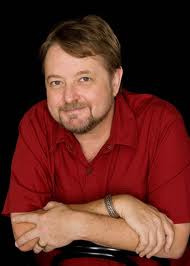 Two novels that have done this for me this summer are by the same author, and continue the same story. Luis Urrea (www.luisurrea.com) is a novelist I discovered based on reviews of his books in Cleveland’s paper, The Plain Dealer. I have been transported by The Hummingbird’s Daughter and Queen of America which tell the story of St. Teresita, the daughter of a wealthy Mexican landowner and one of his poor Indian servants. These novels have it all: political intrigue, discrimination, immigration, faith, church, fame and fortune, murder, extended clans, marriages good and bad, racism, dislocation. They have both forced and helped me to pay attention to details, plots and sub-plots, context, histories I thought were familiar but were sadly not. They provide a much needed window to “read” current events that continue to tell the stories of dislocation, racism, sexism, immigration, refugees feeling from political turmoil and fear. These books remind me that every person matters in the stories of our lives, whether they are Syrian refugees, immigrants, victims of human trafficking, the poor and oppressed, the often oblivious wealthy, the extended members of our own clans, or service workers. Their stories are part of our stories if we choose to read and listen. Novel reading makes for better readers of our own contexts and the stories of others. It is an art that is desperately needed today.
Next Post

August 6, 2012 Beach Volleyball's Boys and Babes
Browse Our Archives
Select a Category Alex Blondeau Authors Daniel Harrell Daniel Siedell Dawn Duncan Harrell Kyle Roberts Uncategorized Wyndy Corbin
Select a Month November 2014 October 2014 September 2014 August 2014 July 2014 June 2014 May 2014 April 2014 March 2014 February 2014 January 2014 December 2013 November 2013 October 2013 September 2013 August 2013 July 2013 June 2013 May 2013 April 2013 March 2013 February 2013 January 2013 December 2012 November 2012 October 2012 September 2012 August 2012 July 2012 June 2012 May 2012
TAKE THE
Religious Wisdom Quiz
How old was David when he became king over Israel?
Select your answer to see how you score.
20 years old 40 years old 30 years old 25 years old
Related posts from Cultivare

Beach Volleyball's Boys and Babes


Another shooting.....what's a Christian to do?
Movement, Sect, Organization or Institution?
TRENDING AT PATHEOS Evangelical

The REST of Your Life: A Creative Wrestles...
This week I had a conversation with a good friend from church....

How the author of the world's best hymn...
I've been working with John Newton for a while now. This makes...

Long before this Lectio Divina, Psalm 130 - the song - started...

What About the Trees? Another Living Parable
After I finished writing the last article about falling leaves as a...

Why Classical Education Is a Conversation, Not a...
Come and Read: Joy in Classical Education When I was a little...

Cornell University has received a great deal of negative publicity and intense...
view all Evangelical blogs
Ad-Free & Subscriber Log-In Subscription Support
- About Us
- 2026 Calendar
- Videos
- Podcasts
- Library of World Religions
- Faith In Media Tracker
- Advertise With Us
- Write for Us
- Privacy Policy
- Terms of Service
- Do Not Sell My Data
- Contact Us
- Radiant Digital
- Manage Newsletter Subscriptions
- Unsubscribe From Notifications
- Sitemap
Copyright 2008-2026, Patheos. All rights reserved.
Subscription Support Ad-Free & Subscriber Log-In
Follow Patheos