
BuddhistCatholicContemplativeEvangelicalGeneral ChristianHinduJewishLatter-day SaintMuslimNew VisionsProgressive Christian
Beliefs
- Buddhist
- Catholic
- Contemplative
- Evangelical
- General Christian
- Hindu
- Jewish
- Latter-day Saint
- More Voices
- Muslim
- New Visions
- Pagan
- Progressive Christian
Topics
- Religion News
- Food and Religion
- Sports and Religion
- Religious Art
- Religious Music and Entertainment
- Religious Events
- History and Religion
- Style and Religion
- Politics and Religion
- Women in Religion
- Recreation Outdoors and Religion
- Business Finance and Religion
- Careers Workplace and Religion
- Education and Religion
- Family Parenting and Religion
- Health Fitness and Religion
- Home and Religion
- Relationships and Religion
- Technology and Religion
- Travel and Religion
Columnists
- Buddhist Columnists
- Business Finance and Religion Columnists
- Careers Workplace and Religion Columnists
- Catholic Columnists
- Contemplative Columnists
- Education and Religion Columnists
- Evangelists Columnists
- Family Parenting and Religion Columnists
- General Christian Columnists
- Health Fitness and Religion Columnists
- Hindu Columnists
- History and Religion Columnists
- Home and Religion Columnists
- Jewish Columnists
- More Voices Columnists
- Latter Day Columnists
- Muslim Columnists
- New Visions Columnists
- Nonreligious Columnists
- Pagan Columnists
- Politics and Religion Columnists
- Progressive Columnists
- Recreation Outdoors and Religion Columnists
- Relationships and Religion Columnists
- Religion News Columnists
- Religious Art Columnists
- Religious Events Columnists
- Religious Music and Entertainment Columnists
- Sports and Religion Columnists
- Style and Religion Columnists
- Technology and Religion Columnists
- Travel and Religion Columnists
- Women in Religion Columnists
Resource Library
- 2026 Calendar
- Library of World Religions
- The 100 Most Holy Places on Earth
- Patheos Answers
- Podcasts
- Videos
- Faith Leaders Database
- Anglican Episcopalian
- Bahai
- Baptist
- Buddhism
- Christianity
- Confucianism
- Eastern Orthodoxy
- Hinduism
- Holiness and Pentecostal
- ISKCON
- Islam
- Judaism
- Lutheran
- Methodist
- The Church of Jesus Christ of Latter-day Saints
- New Age
- Paganism
- Presbytarian and Reformed
- Protestantism
- Religion Behind the Scenes
- Roman Catholic
- Scientology
- Shia Islam
- Sikhism
- Sufism
- Sunni Islam
- Taoism
- Zen
- See all religions
Research Tools
 Ad-Free & Subscriber Log-In Subscription Support
Ad-Free & Subscriber Log-In Subscription Support
Follow Patheos 

- Trending:
- Forgiveness
- |
- Marriage
- |
- Consciousness
- |
- Death Penalty
- |
- Election
- |
- Halloween
 Cry 'Woof'
-
Series
- Home
- Catholic
- Why Doesn’t God Prevent Suffering?
Why Doesn’t God Prevent Suffering?
Last updated on: July 14, 2015 at 6:00 am by willduquette
Why Doesn’t God Prevent Suffering? 2015-07-11T12:40:29-05:00 willduquette
Patheos Explore the world's faith through different perspectives on religion and spirituality! Patheos has the views of the prevalent religions and spiritualities of the world.
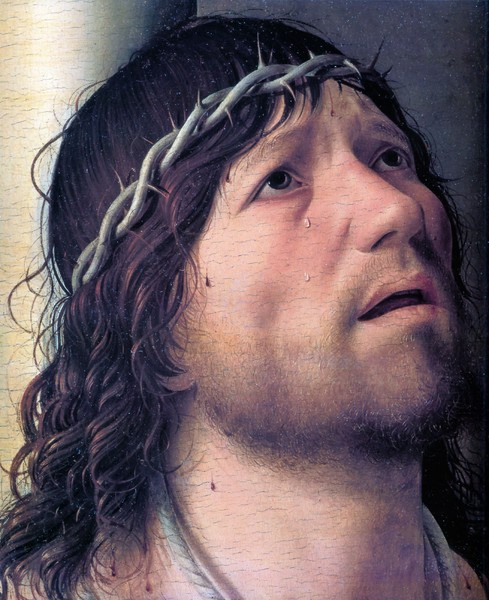 My atheist interlocutors have presented me with a vast number of questions on my post “Which Monotheistic God is God”, a rich lode that I suspect I could continue to mine for a very long time indeed. Many of the questions have to do with the question of suffering: if God is truly good, and truly all powerful, why didn’t He create a world without suffering? Why doesn’t He prevent suffering before it happens?
This is one of the truly great questions, naturally, and as entire books have been written on it I’m not likely to give a thorough and definitive answer here. But I’ve got a few ideas about it.
I think the root of the answer is that not even God can do contradictory things. God could certainly have created a world in which there was no suffering at all; but it would be a world without men and women. Let me explain.
The two basic kinds of things in the world are living things and inanimate things. Living things we can further subdivide into plants, animals, and human beings.
I think we can all agree that inanimate objects have no capacity for suffering. (If you think they do, you might as well stop reading now, because we clearly aren’t going to see eye-to-eye.) A world with only inanimate objects—a dead world—would be a world without suffering.
Plants are certainly harmed by inhospitable conditions and interference from other creatures, but it doesn’t seem that they suffer. They don’t seem to have the ability to be conscious of suffering. A world in which the only living things were plants would be a world without suffering.
There was a time when it was hotly disputed whether or not animals could truly be said to suffer; but that time was past, and I think the reality of animal suffering is obvious to any dog or cat owner.
But on the other hand, animals don’t seem to have a hard time being “happy” either. Give a dog enough food, a place to sleep, some attention, and easy access to his people, and your average dog sure seems to be pretty happy. I can easily imagine God creating a world in which dogs never suffered because they always had everything they wanted, and they were satisfied with it.
But people, now, people are a problem. Animals are satisfied when they get what they want. But of all the creatures in the world, for building mountains out of molehills and finding pain, boredom, aggravation, dismay, and disgust in the most pleasant and comfortable of surroundings there’s nothing like a human being. People are never satisfied. The more you give them the more they want, and the more of their problems you solve the more they obsess over the ones that remain.
Not all people; but lots and lots of people. You’ve seen it yourself. Spend five minutes on FaceBook and you’ll find people making themselves irate and miserable over the actions of people they will never meet and problems that will never affect them directly, and that in any event they can have no influence over.
And then, suffering is relative. If you read books about the spirituality of the Middle Ages you’ll find people voluntarily doing penances that seem really and truly over the top, that seem to entail egregious personal suffering, even self-hatred. But in fact, their penances are extreme because their lives were extreme by the standards of 21st century America. To be penance, it has to involve going beyond what you’re living with already. Our lives are much easier, and so we find true suffering in situations that would have been taken for granted by many of our forebears (or by many people in other countries today).
Why are we like that? Why do we have such a great capacity for suffering that we seek it out when we don’t need to? Because there’s something about that capacity for suffering that goes along with being human, something that you can’t get rid of without getting rid of our humanity.
Or to put it another way, God thought it more important that we be men and women than that we be immune from suffering. More on that in the next post.
____
photo credit: Face of Suffering 14 via photopin (license)
Deep Thoughts from the Doghouse
Previous Post

July 13, 2015
Today's Aquinas: The Son and the Father are One
Next Post

July 15, 2015 We Suffer Because We Are Human
Browse Our Archives
Select a Category Admin App o' the Morning Ask the Dogmat Believing Thomas Bits of Fiction Blasts from the Past Bootstrapping the Interior Life Catholic Mom Christian Living Deep Thoughts from the Doghouse Dominicana Evangelii Gaudium Interviews It Was A Dark and Stormy Night Links to This and That Lumen Fidei Meme Watch On Writing Operation Gratitude Pedant Errant Photography Quill Random Barkings S'Mary's World Shakers of Salt Software Development The Dog Whistler The Dogmat Sez Third Orders Thomas Aquinas Uncategorized Vikings at Dinos Woof Guide to Cinema Woof Guide to History Woof Guide to Literature Woof Guide to Obscure Catholic Music Woof Guide to Philosophy Woof Guide to Popular Music Woof Guide to Technology Woof Guide to Theology Words I Wish I'd Written Works For Me
Select a Month September 2016 August 2016 June 2016 May 2016 April 2016 March 2016 February 2016 January 2016 December 2015 November 2015 October 2015 September 2015 August 2015 July 2015 June 2015 May 2015 April 2015 March 2015 February 2015 January 2015 December 2014 November 2014 October 2014 September 2014 August 2014 July 2014 June 2014 May 2014 April 2014 March 2014 February 2014 January 2014 December 2013 November 2013 October 2013
Follow Us!
TAKE THE
Religious Wisdom Quiz
What does "Beelzebub" mean?
Select your answer to see how you score.
Prince of Darkness Accuser Lord of the Flies Evil One
Related posts from Cry 'Woof'

When Amorous Leticia Met the Deacon...

The Glory of God and the Total Perspective...

TRENDING AT PATHEOS Catholic

Rejecting Doom: Christian Hope And Human Action
Christianity is a religion of hope. We are to have hope and...

It’s What Comes From Within Which Matters
One of the most difficult things for us to understand is why...

Why I Choose the Eucharist Over the Sermon
Choose the Eucharist, Not the Sermon What are we supposed to get...

5 Design Elements Found in Spiritually Rooted Homes
Putting Spirituality Into Home Decor Our homes are more than our living...

Credo: A Story of God Told with the...
About 10 years ago, I began to imagine a personal "Credo" that...

The Anatomy of Divine Revelation in Catholic Thought
The claim that God has made Himself known to human beings is...
view all Catholic blogs
Ad-Free & Subscriber Log-In Subscription Support
- About Us
- 2026 Calendar
- Videos
- Podcasts
- Library of World Religions
- Faith In Media Tracker
- Advertise With Us
- Write for Us
- Privacy Policy
- Terms of Service
- Do Not Sell My Data
- Contact Us
- Radiant Digital
- Manage Newsletter Subscriptions
- Unsubscribe From Notifications
- Sitemap
Copyright 2008-2026, Patheos. All rights reserved.
Subscription Support Ad-Free & Subscriber Log-In
Follow Patheos