
BuddhistCatholicContemplativeEvangelicalGeneral ChristianHinduJewishLatter-day SaintMuslimNew VisionsProgressive Christian
Beliefs
- Buddhist
- Catholic
- Contemplative
- Evangelical
- General Christian
- Hindu
- Jewish
- Latter-day Saint
- More Voices
- Muslim
- New Visions
- Pagan
- Progressive Christian
Topics
- Religion News
- Food and Religion
- Sports and Religion
- Religious Art
- Religious Music and Entertainment
- Religious Events
- History and Religion
- Style and Religion
- Politics and Religion
- Women in Religion
- Recreation Outdoors and Religion
- Business Finance and Religion
- Careers Workplace and Religion
- Education and Religion
- Family Parenting and Religion
- Health Fitness and Religion
- Home and Religion
- Relationships and Religion
- Technology and Religion
- Travel and Religion
Columnists
- Buddhist Columnists
- Business Finance and Religion Columnists
- Careers Workplace and Religion Columnists
- Catholic Columnists
- Contemplative Columnists
- Education and Religion Columnists
- Evangelists Columnists
- Family Parenting and Religion Columnists
- General Christian Columnists
- Health Fitness and Religion Columnists
- Hindu Columnists
- History and Religion Columnists
- Home and Religion Columnists
- Jewish Columnists
- More Voices Columnists
- Latter Day Columnists
- Muslim Columnists
- New Visions Columnists
- Nonreligious Columnists
- Pagan Columnists
- Politics and Religion Columnists
- Progressive Columnists
- Recreation Outdoors and Religion Columnists
- Relationships and Religion Columnists
- Religion News Columnists
- Religious Art Columnists
- Religious Events Columnists
- Religious Music and Entertainment Columnists
- Sports and Religion Columnists
- Style and Religion Columnists
- Technology and Religion Columnists
- Travel and Religion Columnists
- Women in Religion Columnists
Resource Library
- 2026 Calendar
- Library of World Religions
- The 100 Most Holy Places on Earth
- Patheos Answers
- Podcasts
- Videos
- Faith Leaders Database
- Anglican Episcopalian
- Bahai
- Baptist
- Buddhism
- Christianity
- Confucianism
- Eastern Orthodoxy
- Hinduism
- Holiness and Pentecostal
- ISKCON
- Islam
- Judaism
- Lutheran
- Methodist
- The Church of Jesus Christ of Latter-day Saints
- New Age
- Paganism
- Presbytarian and Reformed
- Protestantism
- Religion Behind the Scenes
- Roman Catholic
- Scientology
- Shia Islam
- Sikhism
- Sufism
- Sunni Islam
- Taoism
- Zen
- See all religions
Research Tools
 Ad-Free & Subscriber Log-In Subscription Support
Follow Patheos 

- Trending:
- Advent
- |
- Forgiveness
- |
- Thanksgiving
- |
- Election
- |
- Seasonal Holidays
- |
- Marriage
 Cry 'Woof'
-
Series
- Home
- Catholic
- ABC Music Notation
ABC Music Notation
Last updated on: February 7, 2014 at 9:00 am by willduquette
ABC Music Notation 2014-02-03T19:57:41-05:00 willduquette
Patheos Explore the world's faith through different perspectives on religion and spirituality! Patheos has the views of the prevalent religions and spiritualities of the world.
One of the neat things about exploring a field you know little about is that you can learn a lot in a very short time. Last week I talked about LilyPond, a nice application for typesetting music. It’s a powerful program, capable of typesetting books of multipart orchestral scores. It works for me, and I like it. However, I’ve since learned that the world of folk music runs on a different music typesetting notation called ABC. ABC notation has been around for twenty years this month, and has been evolving throughout that time; and though I’d encountered it about ten years back I hadn’t realized how pervasive it had become.
How pervasive is that? I mentioned on a tin whistle forum that I was having trouble with fingering a particular part of a tune, and it was suggested that I include the ABC notation for that passage. A tin whistle player named Mary Bergin has recently published her own tin whistle tutorial; it includes both staff notation and ABC notation for all of the tunes. I’ve found a number of on-line archives of folk music tunes; most give the tunes in ABC format, usually with options to convert the ABC text to various print formats.
ABC notation is similar to LilyPond notation, but is much simpler. Here’s an example, for the same tune I showed in LilyPond format last week:
X:1 T:Tramps and Hawkers C:Scottish M:6/8 L:1/8 K:G z4 GA | B2 d BAG | A2 B G2 E | D2 E G2 A | G3- GBc | d2 d Bcd | efe dBA | G2 A BAG | E3- EBc | d2 d dBd | efe dBA | G2 A BAG | E3 G2 A | B2 d BAG | A2 B G2 E | D2 E G2 A | G3-G3 |]
The LilyPond output is somewhat prettier to my eye than the ABC output; but as you see below, it is certainly quite usable (click on it to see it full-size):

The beginning lines of the ABC code, i.e., the lines from from “X:” to “K:”, are the header: they identify the title, the time signature or meter (6/8), and the key (G Major), among other things:
X:1 T:Tramps and Hawkers C:Scottish M:6/8 L:1/8 K:G
The “L:” line is particularly interesting; it sets the default duration for the notes in the tune. In this case, the default note will be an eighth-note.
The header is followed immediately by the tune, with each line of text translated to one line of music. As with LilyPond, the measures are separated by vertical bars (“|”), but the notes and their durations are expressed differently. LilyPond uses a relative notation; ABC is absolute. In particular, the two octaves starting at middle C are denoted
C D E F G A B c d e f g a b c'
You can go one octave lower by appending a comma to the note name, and one octave higher by appending an apostrophe; but for the music I’ll be playing the two octaves shown here suffice.
Note durations are stated in terms of the default duration for the piece, eighth notes in this case. A note without a duration is an eighth note; a note with a duration of “2” is a quarter note; a note with a duration of “/2” is a sixteenth note.
The piece begins with this line:
z4 GA | B2 d BAG | A2 B G2 E | D2 E G2 A | G3- GBc |
The “z” denotes a rest; in this case, a half rest (4 eighth rests). It is followed by notes “G” and “A”, which are both eighth notes; and since “GA” are written with no white space between them they get “beamed” together. The same thing happens with “BAG” in the second measure. The last measure of the line contains two successive G notes, a dotted quarter note (3 times an eighth note) and an eighth note; and since they are separated by “-“, the two are tied together.
There are additional notations for slurs, sharps, flats, naturals, and so forth.
It’s a simple notation to read and use, and there are lots of tools available that make use of it. But more about that next week.
Previous Post

February 7, 2014
Tramps and Hawkers
Next Post
February 8, 2014 Writing Words vs. Writing Fiction
Browse Our Archives
Select a Category Admin App o' the Morning Ask the Dogmat Believing Thomas Bits of Fiction Blasts from the Past Bootstrapping the Interior Life Catholic Mom Christian Living Deep Thoughts from the Doghouse Dominicana Evangelii Gaudium Interviews It Was A Dark and Stormy Night Links to This and That Lumen Fidei Meme Watch On Writing Operation Gratitude Pedant Errant Photography Quill Random Barkings S'Mary's World Shakers of Salt Software Development The Dog Whistler The Dogmat Sez Third Orders Thomas Aquinas Uncategorized Vikings at Dinos Woof Guide to Cinema Woof Guide to History Woof Guide to Literature Woof Guide to Obscure Catholic Music Woof Guide to Philosophy Woof Guide to Popular Music Woof Guide to Technology Woof Guide to Theology Words I Wish I'd Written Works For Me
Select a Month September 2016 August 2016 June 2016 May 2016 April 2016 March 2016 February 2016 January 2016 December 2015 November 2015 October 2015 September 2015 August 2015 July 2015 June 2015 May 2015 April 2015 March 2015 February 2015 January 2015 December 2014 November 2014 October 2014 September 2014 August 2014 July 2014 June 2014 May 2014 April 2014 March 2014 February 2014 January 2014 December 2013 November 2013 October 2013
Follow Us!
TAKE THE
Religious Wisdom Quiz
I am a city that comes down from heaven, adorned as a bride. My streets are gold, my gates are pearls. What am I?
Select your answer to see how you score.
Zion New Jerusalem Heaven Bethlehem
Related posts from Cry 'Woof'

Animated Shorts of Irish Folk Songs
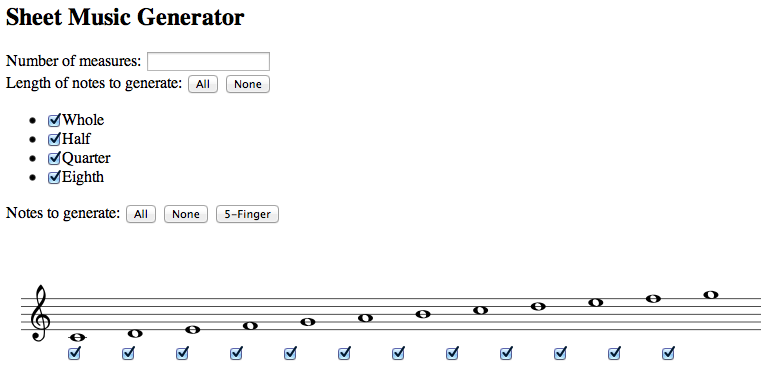
App o' the Morning: Random Sheet Music

TRENDING AT PATHEOS Catholic

Faith, Reason, and Transubstantiation
“It would be easier for the world to survive without the sun...
When The Letter Of The Law Misses Its...
Jesus cared about people. He never ignored their needs, whether they were...

The Kingdom Of God In Ordinary Life And...
The kingdom of God is all around us; it is in us...

If Baptism Washes Away Sin, Why Do Catholics...
The seven sacraments stand as the foundation of Catholic ecclesial life. The...

The Power of Setting a Good Example
Remember last August when the Chicago White Sox hosted a "Pope Hat...

How Grandma Tourism Helps Grandparents Live Their Vocation
Grandma, The New Travel Influencer What started as a nostalgia-inspired social media...
view all Catholic blogs
Ad-Free & Subscriber Log-In Subscription Support
- About Us
- 2026 Calendar
- Videos
- Podcasts
- Library of World Religions
- Faith In Media Tracker
- Advertise With Us
- Write for Us
- Privacy Policy
- Terms of Service
- Do Not Sell My Data
- Contact Us
- Radiant Digital
- Manage Newsletter Subscriptions
- Unsubscribe From Notifications
- Sitemap
Copyright 2008-2026, Patheos, part of the Radiant Digital network of media brands. All rights reserved.
Subscription Support Ad-Free & Subscriber Log-In
Follow Patheos