
BuddhistCatholicContemplativeEvangelicalGeneral ChristianHinduJewishLatter-day SaintMuslimNew VisionsProgressive Christian
Beliefs
- Buddhist
- Catholic
- Contemplative
- Evangelical
- General Christian
- Hindu
- Jewish
- Latter-day Saint
- More Voices
- Muslim
- New Visions
- Pagan
- Progressive Christian
Topics
- Religion News
- Food and Religion
- Sports and Religion
- Religious Art
- Religious Music and Entertainment
- Religious Events
- History and Religion
- Style and Religion
- Politics and Religion
- Women in Religion
- Recreation Outdoors and Religion
- Business Finance and Religion
- Careers Workplace and Religion
- Education and Religion
- Family Parenting and Religion
- Health Fitness and Religion
- Home and Religion
- Relationships and Religion
- Technology and Religion
- Travel and Religion
Columnists
- Buddhist Columnists
- Business Finance and Religion Columnists
- Careers Workplace and Religion Columnists
- Catholic Columnists
- Contemplative Columnists
- Education and Religion Columnists
- Evangelists Columnists
- Family Parenting and Religion Columnists
- General Christian Columnists
- Health Fitness and Religion Columnists
- Hindu Columnists
- History and Religion Columnists
- Home and Religion Columnists
- Jewish Columnists
- More Voices Columnists
- Latter Day Columnists
- Muslim Columnists
- New Visions Columnists
- Nonreligious Columnists
- Pagan Columnists
- Politics and Religion Columnists
- Progressive Columnists
- Recreation Outdoors and Religion Columnists
- Relationships and Religion Columnists
- Religion News Columnists
- Religious Art Columnists
- Religious Events Columnists
- Religious Music and Entertainment Columnists
- Sports and Religion Columnists
- Style and Religion Columnists
- Technology and Religion Columnists
- Travel and Religion Columnists
- Women in Religion Columnists
Resource Library
- 2026 Calendar
- Library of World Religions
- The 100 Most Holy Places on Earth
- Patheos Answers
- Podcasts
- Videos
- Faith Leaders Database
- Anglican Episcopalian
- Bahai
- Baptist
- Buddhism
- Christianity
- Confucianism
- Eastern Orthodoxy
- Hinduism
- Holiness and Pentecostal
- ISKCON
- Islam
- Judaism
- Lutheran
- Methodist
- The Church of Jesus Christ of Latter-day Saints
- New Age
- Paganism
- Presbytarian and Reformed
- Protestantism
- Religion Behind the Scenes
- Roman Catholic
- Scientology
- Shia Islam
- Sikhism
- Sufism
- Sunni Islam
- Taoism
- Zen
- See all religions
Research Tools
 Ad-Free & Subscriber Log-In Subscription Support
Ad-Free & Subscriber Log-In Subscription Support
Follow Patheos 

- Trending:
- Forgiveness
- |
- Marriage
- |
- Consciousness
- |
- Death Penalty
- |
- Election
- |
- Halloween
 Crux Sola: Formed by Scripture to Live like Christ
-
Blog Series
- Home
- Evangelical
- John Perkins’ Roadmap to Transformation & Peacemaking (by Shane Blackshear)
John Perkins’ Roadmap to Transformation & Peacemaking (by Shane Blackshear)
Last updated on: May 6, 2022 at 1:17 pm by Nijay Gupta
John Perkins’ Roadmap to Transformation & Peacemaking (by Shane Blackshear) 2022-05-06T13:17:25-08:00 Nijay Gupta
Patheos Explore the world's faith through different perspectives on religion and spirituality! Patheos has the views of the prevalent religions and spiritualities of the world.
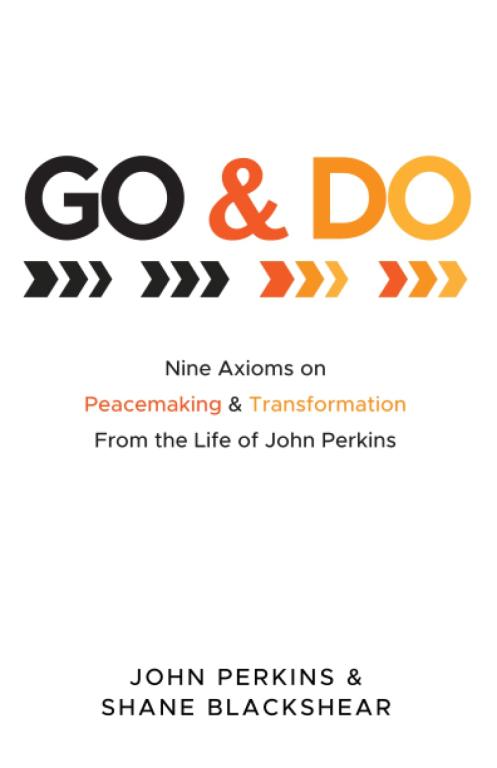
I asked my friend Shane Blackshear to share about his relationship with John Perkins and their new book, Go and Do: Nine Axioms on Peacemaking and Transformation From the Life of John Perkins. Read Shane’s reflections below and check out his book!
John Perkins’ Roadmap to Transformation & Peacemaking
by Shane Blackshear
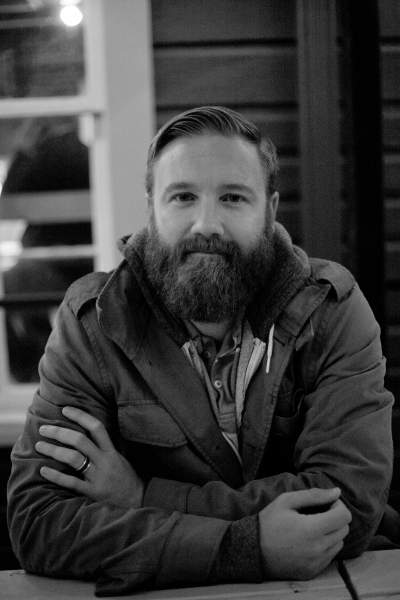
Shane Blackshear
I know John Perkins. John Perkins, the civil rights leader, the minister, who was beaten and tortured by the Mississippi Highway Patrol and came out of the experience preaching the love of Christ and the power of a multi-ethnic church. I got to meet John when I interviewed him for my podcast, Seminary Dropout. We kept in touch after that. We’ve talked about it all: our families, politics, history, George Floyd, theology, the church, and Jesus. After a while, I began to notice patterns. Themes which I was only beginning to see emerge myself through a distant fog, John was describing vividly through his lived experience.
Most Christians that I know really want to be true peacemakers and see transformation in their own lives, their families, and their communities. The problem is we don’t know how or what that might look like. What I came to realize was that we all too often act as if we’re the first ones trying to answer these questions, when people like John have already mapped out ways forward.
Many times when Christians are awakened to God’s call to peacemaking and transformation, we can get transfixed on notions of “changing the world,” and we gravitate toward “big needs.” We drive across town to volunteer at the homeless shelter, we start a Bible study, or organize a food drive. None of these things are wrong, but too often we don’t see that the starting place of transformation is ourselves. This isn’t about putting ourselves above others, it’s about dealing with our own past and pain so that we don’t inflict new pain on those we’re trying to help. John has spent hours thinking and praying over his story; his family, the poverty he experienced in childhood, his brother’s murder, and the assault he suffered as an adult. This work isn’t just for people with interesting lives. While John’s life makes for a good story, mine is boring by comparison, and yet, I have to deal with my wounds, many self-inflicted, and false narratives about myself and the world …
After becoming a Christian, John traveled to minister to a prison camp. He was surprised to see that so many there were young Black men from the South. Systemic structures that land Black men in prison disproportionately to White men are well documented. John knew that another life was possible, but it required not simply a change in their individual choices, but societal change. Moved by his conviction that these men were made in the image of God, he would eventually move back to Mississippi to minister among the people there. John often repeats the phrase “You don’t give people dignity, you affirm it!” This is a pillar of his life’s work.
In all our conversations, John never made much about the fact that he moved his family from California back to Mississippi. Moving back to the segregated South was simply the cost of answering the call of ministry to the people there. Like Jesus, John’s faithfulness would eventually lead him to be beaten at the hands of authorities. Transformation and peacemaking sound great, but most American Christians are satisfied to follow Jesus only to a point, while maintaining the comfort that we’re accustomed to. John’s life showed me that the fruit of transformation and peacemaking only grows when we get on our knees and dig our hands into the soil.
This cost of John’s faithfulness, the cost of our faithfulness, can carry with it a toll on our minds and bodies. Faithfulness can put a target on our back, and the weight of all the wrongs committed against us will eat us from the inside out if we’re not careful. This is why forgiveness has been paramount in John’s life. In the face of hate and assault most of us will never see, John chose forgiveness. It wasn’t cheap forgiveness either. It’s wasn’t “stop being divisive” forgiveness or “don’t bring up the past” forgiveness. It was real. Real forgiveness allows, and perhaps requires, us to seek justice at the same time, because it’s not about simply letting someone off the hook or saying “the offense you committed wasn’t really all that bad.”
John didn’t have institutional power when he fought for civil rights. For those that don’t have that lever to pull, they must find other levers to enact change. People in the margins have much to teach the rest of us about creativity. I marveled at the stories John told me about marches, boycotts, and voter drives. His and Vera Mae’s (his wife was the mastermind behind one of their most notable boycotts) Christian imaginations were activated when political and violent means weren’t available. I have to wonder what the world would be if Christians activated this kind of imagination to transform the world as a normal means of operation.
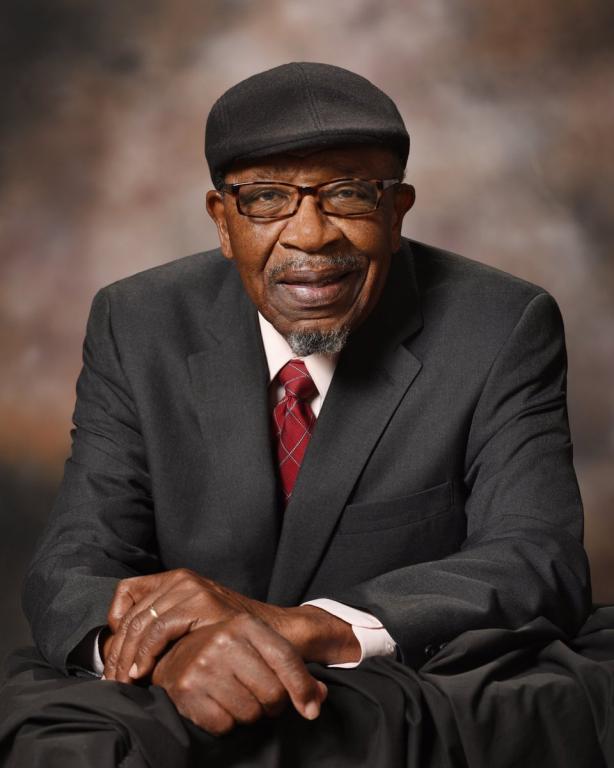
John Perkins
John’s work in Mississippi was a laboratory of sorts. John and his cohort were the amateur social scientists that the world needs. What John calls the three “R’s” were birthed out of this laboratory. Today, there are all kinds of visceral responses to the concepts of redistribution, relocation, and reconciliation, but when you hear John tell of how they came to realize each of those concepts, you realize that they are all practical and profound. Even today, good models of community transformation are hard to find, but John helped pioneer a way forward.
Although “race” as we know it today wasn’t a concept in the Bible, ethnic divisions were an issue in the ancient world, in fact much of the New Testament was written to address how Jews and Gentiles should worship together as brothers and sisters. John took this to heart. One day, while talking about how churches were mostly segregated in America, John said to me, “if we’re going to be real, we would call that ‘sin’.” John has a deep conviction that the church is as it’s supposed to be when we are with each other, but diversity by itself is not the same as equity and justice. As some have noted — plantations were diverse.
One of the reasons it’s difficult for many churches to cultivate diverse spaces is because we don’t know our own history. In my conversations with John, I would sometimes have to keep a tab open to Wikipedia as he casually dropped historical references into conversations. From the Azusa Street revival, to Cabrini Green, to The Moynihan Report, John knew and understood how our history shapes who we are. I find this to be partly why so many of us white folks have such a difficult time wrapping their heads around systemic injustice. The history of how racism wrapped its claws around so much of American institutions is vastly unknown to many white people.
The legacy of John Perkins will be one of a man who preached and lived a holistic Gospel. John holds that the doctrine of salvation through faith in Jesus need not be at odds, and in fact, goes hand in hand with social justice. The image of God in every human being demands to be recognized and affirmed, and we must treat each other accordingly.
Shane Blackshear is the co-author of Go and Do: Nine Axioms on Peacemaking and Transformation From the Life of John Perkins, and hosts the podcast Seminary Dropout. Shane is on the pastoral team at Austin Mustard Seed. He lives with his wife, Kate, and their kids, Margot and Amos, in Austin, Texas.
Previous Post

May 6, 2022
My Course FREE at Seminary Now

Browse Our Archives
Select a Category (Mis)Understanding Philippians 10 Things I Can't Live Without 2023 New Books 30 OT HB Scholars to Read and Follow 5 Books Series 50-2-Follow Academia Christian Theologians to Read and Follow Cruciform Scripture: Contributor Reflections Crux Sola TV Editors Behind Great Books in NT Studies Education Gendering the Holy Spirit Gupta FB Live Lectures In Faith and Doubt In Their Own Words Living the King Jesus Gospel My Top 6 OT Commentaries New Testament Resource Guide New Word Biblical Themes Nijay's A Very Library Christmas Shopping Guide Notes from an Editor Notes on New Books NTRG OT in the NT Paul Seminary Now The Bible in God's World The Word Felt Among Us SPENCER Translating Philippians Uncategorized Why I Use Accordance Women in Ministry
Select a Month March 2024 February 2024 January 2024 December 2023 November 2023 October 2023 September 2023 August 2023 May 2023 March 2023 February 2023 January 2023 December 2022 November 2022 October 2022 September 2022 August 2022 July 2022 June 2022 May 2022 March 2022 February 2022 January 2022 December 2021 November 2021 October 2021 September 2021 August 2021 July 2021 June 2021 May 2021 April 2021 March 2021 February 2021 January 2021 December 2020 November 2020 October 2020 September 2020 August 2020 July 2020 June 2020 May 2020 April 2020 March 2020 February 2020 January 2020 December 2019 November 2019 October 2019 September 2019 August 2019 July 2019 June 2019 May 2019 April 2019 March 2019 February 2019 January 2019 October 2018 September 2018 August 2018 July 2018 June 2018 April 2018 March 2018 February 2018 January 2018 December 2017 October 2017 September 2017 August 2017 July 2017 June 2017 May 2017 April 2017 March 2017 February 2017 January 2017 December 2016 November 2016 October 2016 September 2016 August 2016 July 2016 June 2016 May 2016 April 2016 March 2016 February 2016 January 2016 December 2015 November 2015 October 2015 September 2015 August 2015 July 2015 June 2015 May 2015 April 2015 March 2015 February 2015 January 2015 December 2014 November 2014 October 2014 September 2014 August 2014 July 2014 June 2014 May 2014 April 2014 March 2014 February 2014 January 2014 December 2013 November 2013 October 2013 September 2013 August 2013 July 2013 June 2013 May 2013 April 2013 March 2013 February 2013 January 2013 December 2012 November 2012 October 2012 September 2012 August 2012 July 2012 June 2012 May 2012 April 2012 March 2012 February 2012 January 2012 December 2011 November 2011 October 2011 September 2011 August 2011 July 2011 June 2011 May 2011 April 2011 March 2011 February 2011 January 2011 December 2010 November 2010 October 2010 September 2010 August 2010 July 2010 June 2010 May 2010 April 2010 March 2010 February 2010 January 2010 December 2009 November 2009 October 2009 September 2009 August 2009 July 2009 June 2009 May 2009 April 2009 March 2009 February 2009 January 2009 December 2008 November 2008 October 2008 September 2008 August 2008 July 2008 June 2008 May 2008 April 2008 March 2008 February 2008 January 2008 December 2007 November 2007 October 2007 September 2007 August 2007 July 2007 April 2007 March 2007 February 2007 January 2007
Follow Us!
TAKE THE
Religious Wisdom Quiz
Who said: "Let us be glad and rejoice and give Him glory, for the marriage of the Lamb has come"?
Select your answer to see how you score.
A voice from heaven (or the multitude) Jesus An angel John
Related posts from Crux Sola: Formed by Scripture to Live like Christ
Check out the SeminaryNow Holy Week (2024) Video...
Crux Sola: Formed by Scripture to Live like Christ
Get Seminary Credit through SeminaryNow Live Courses
Crux Sola: Formed by Scripture to Live like Christ
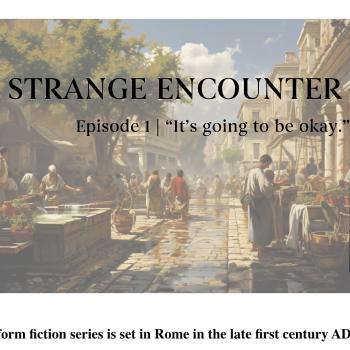
My New Fiction Series ("Strange Encounter")
Crux Sola: Formed by Scripture to Live like Christ
"Strange Religious Texts": Get the Bonus Essay FREE
Crux Sola: Formed by Scripture to Live like Christ
TRENDING AT PATHEOS Evangelical

Looking at the Largest Orthodox Cathedral on Earth
There is often a considerable amount of anger and, shall we...

The Problem with False Prophets
Miller’s Station UMC| 10/18/26| Anchor Verse: Jeremiah 23: 1, 9-23 I...

Emotion in Early Christianity by Andrew Crislip
Andrew Crislip’s Emotion in Early Christianity examines an often overlooked dimension of...

16 Spiritual Touchstones for a More Grounded Life
After decades of spiritual study, here are 16 principles I try...

Catholic Evangelization: Sharing Your Faith Every Day
Welcome back to the Graceful Awakening mini-series called, “From Faith to Mission.” ...

The Pillar of the Boatmen: the Ancient Monument...
The Pillar of the Boatmen is a Romano-Gaulish sculpture that dates from...
view all Evangelical blogs
Ad-Free & Subscriber Log-In Subscription Support
- About Us
- 2026 Calendar
- Videos
- Podcasts
- Library of World Religions
- Faith In Media Tracker
- Advertise With Us
- Write for Us
- Privacy Policy
- Terms of Service
- Do Not Sell My Data
- Contact Us
- Radiant Digital
- Manage Newsletter Subscriptions
- Unsubscribe From Notifications
- Sitemap
Copyright 2008-2026, Patheos. All rights reserved.
Subscription Support Ad-Free & Subscriber Log-In
Follow Patheos