
BuddhistCatholicContemplativeEvangelicalGeneral ChristianHinduJewishLatter-day SaintMuslimNew VisionsProgressive Christian
Beliefs
- Buddhist
- Catholic
- Contemplative
- Evangelical
- General Christian
- Hindu
- Jewish
- Latter-day Saint
- More Voices
- Muslim
- New Visions
- Pagan
- Progressive Christian
Topics
- Religion News
- Food and Religion
- Sports and Religion
- Religious Art
- Religious Music and Entertainment
- Religious Events
- History and Religion
- Style and Religion
- Politics and Religion
- Women in Religion
- Recreation Outdoors and Religion
- Business Finance and Religion
- Careers Workplace and Religion
- Education and Religion
- Family Parenting and Religion
- Health Fitness and Religion
- Home and Religion
- Relationships and Religion
- Technology and Religion
- Travel and Religion
Columnists
- Buddhist Columnists
- Business Finance and Religion Columnists
- Careers Workplace and Religion Columnists
- Catholic Columnists
- Contemplative Columnists
- Education and Religion Columnists
- Evangelists Columnists
- Family Parenting and Religion Columnists
- General Christian Columnists
- Health Fitness and Religion Columnists
- Hindu Columnists
- History and Religion Columnists
- Home and Religion Columnists
- Jewish Columnists
- More Voices Columnists
- Latter Day Columnists
- Muslim Columnists
- New Visions Columnists
- Nonreligious Columnists
- Pagan Columnists
- Politics and Religion Columnists
- Progressive Columnists
- Recreation Outdoors and Religion Columnists
- Relationships and Religion Columnists
- Religion News Columnists
- Religious Art Columnists
- Religious Events Columnists
- Religious Music and Entertainment Columnists
- Sports and Religion Columnists
- Style and Religion Columnists
- Technology and Religion Columnists
- Travel and Religion Columnists
- Women in Religion Columnists
Resource Library
- 2026 Calendar
- Library of World Religions
- The 100 Most Holy Places on Earth
- Patheos Answers
- Podcasts
- Videos
- Faith Leaders Database
- Anglican Episcopalian
- Bahai
- Baptist
- Buddhism
- Christianity
- Confucianism
- Eastern Orthodoxy
- Hinduism
- Holiness and Pentecostal
- ISKCON
- Islam
- Judaism
- Lutheran
- Methodist
- The Church of Jesus Christ of Latter-day Saints
- New Age
- Paganism
- Presbytarian and Reformed
- Protestantism
- Religion Behind the Scenes
- Roman Catholic
- Scientology
- Shia Islam
- Sikhism
- Sufism
- Sunni Islam
- Taoism
- Zen
- See all religions
Research Tools
 Ad-Free & Subscriber Log-In Subscription Support
Ad-Free & Subscriber Log-In Subscription Support
Follow Patheos 

- Trending:
- Forgiveness
- |
- Marriage
- |
- Consciousness
- |
- Death Penalty
- |
- Election
- |
- Halloween
 Crux Sola: Formed by Scripture to Live like Christ
-
Blog Series
- Home
- Evangelical
- Why Is It So Hard to Define “The Gospel”? A Short Reflection and a Case Study
Why Is It So Hard to Define “The Gospel”? A Short Reflection and a Case Study
Last updated on: April 23, 2020 at 10:10 am by Nijay Gupta
Why Is It So Hard to Define “The Gospel”? A Short Reflection and a Case Study 2020-04-23T10:10:43-08:00 Nijay Gupta
Patheos Explore the world's faith through different perspectives on religion and spirituality! Patheos has the views of the prevalent religions and spiritualities of the world.
Why Is It So Hard to Define “the Gospel”?
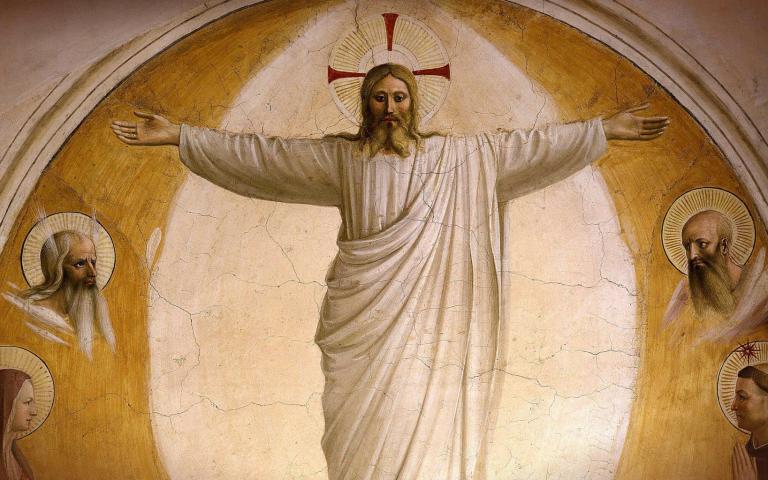
Social Media is abuzz with “gospel” debates these days. Is proclaiming “Jesus is king” enough? Or do we need to be more explicit about the impact the kingdom of God has on personal salvation, justification, atonement, etc?
Personally, I found Scot McKnight’s King Jesus Gospel a robust theology of gospel redemption in the kingship of Jesus. I am not convinced that all the fine print of personal salvation needs to be magnified in such books or discussions. Much of the work done by N.T. Wright, McKnight, and Bates seeks to correct an overly individualistic spirituality. That is important work.
The fact of the matter is that pin-pointing a singular and clear definition of the biblical “gospel” is challenging. But why? It is because gospel language is used in so many different ways in the NT that it defies narrow articulation. I had a conversation recently with a friend about how “gospel” (euangelion) might qualify as a “tensive symbol,” meaning that it is a biblical concept that cannot be connected to one referent only. It is almost as if it is a catch-word for many dimensions of Christianity and salvation. It is a world of theology unto itself.
Let’s take a small case-study: the occurrences of euangelion in Philippians.
The Gospel is Jesus Christ (the person)
In what some consider to be the thesis statement of Philippians, Paul calls believers to live in a “manner worthy of the gospel of Christ” (1:27). The “gospel of Christ” could be interpreted here as the revealed person of Christ and his standard. Alternatively, it could be the standard itself, but it is hard to know what that standard would entail if not the lifestyle and expectations of Christ himself.
The Gospel is Truth or Christian Worldview
A second way Paul uses “gospel” language in Philippians is in reference to something to defend or support.
It is right for me to feel this way about all of you, since I have you in my heart and, whether I am in chains or defending and confirming the gospel, all of you share in God’s grace with me. (Phil. 1:7 NIV)
The latter do so out of love, knowing that I am put here for the defense of the gospel. (Phil. 1:16 NIV)
Paul saw his imprisonment is a kind of trial in and of itself, where he was situated to provide a defense, support, or justification for his Christian faith. What exactly was he defending? It depends on why he was arrested. Probably he was arrested as a rabble-rouser, promoting dangerous teachings that threatened Roman civil society. Paul was an advocate for gospel truth, a certain way of conceiving all of life, including religion (respect for the divine) and virtue. In that sense, “gospel” seems to be a truth-perspective or what we might call today “worldview” (combined with lifestyle).
The Gospel is a Mission
On several occasions in Philippians, Paul treats “gospel” as a reference to the mission of spreading the message of the good news of Jesus Christ.
- The Philippians partnered with Paul “in the gospel” (i.e., gospel ministry and mission) (1:5; also 4:15)
- Paul’s imprisonment has served to “advance the gospel” (mission) (1:12)
- Timothy partnered with Paul in the “work of the gospel” (mission) (2:22)
- Euodia and Syntyche have worked alongside Paul “in the cause of the gospel” (mission) (4:3)
Here the term “gospel” is used as if it were a project that is moving towards completion.
Is the “Gospel” about God or about Humans?
If the Gospel is a constellation term, Jesus Christ still stands at the center, no matter the specific connotation of the word in a given context. For Paul, the “good news of Jesus Christ” is both about the God who is at work in the world and about human (and cosmic!) redemption. We have to remember that also in Philippians we have the Christ Hymn (2:6-11), which is a powerful summary of the good news of Jesus Christ. Here it is clearly all about the glory of the preexistent Christ, his humble obedience to the Father unto crucifixion, and his subsequent glorification as Lord over all. Is the Christ Hymn also about us? Of course it is. First, we are those who bow before this Lord of lords and King of kings in reverence (2:10-11). But also the hymn begins by identifying Christ’s mindset as that which ought to be imitated by believers—humility and deference to God the Father and all things to God’s praise alone (2:1-5).
The Christian Confession: “Lord Jesus Christ”
Some of the debate about the biblical “gospel” is whether it is enough to say “Jesus is King.” We have to remember that short confessions like “Jesus is King” or “Lord Jesus Christ” (Phil 2:11) are shorthand ways of getting at the longer “truth” statements bound up in Scripture’s witness. “Lord Jesus Christ” says at least three massive gospel statements at once.
- Jesus – this was the historical person named Jesus, Jew of Nazareth who died on a Roman cross
- Christ – He was associated with the messianic promises given to Israel
- Lord – He is not simply a governor or king, but master over all humans and creatures.
This glorifies God the Father (2:11) because Jesus Christ was given the task of restoring peace and order to the whole world, undoing the power of Sin and Death and restoring harmony and goodwill in all of creation (3:20-21).
Every knee and every tongue. The fact that the hymn refers to every knee and tongue acknowledging the Lordship of Jesus Christ points to the individual experience of the Gospel. It is both a public reality and a private experience.
None of this is particularly “new” about gospel language in the New Testament, but I am content to see euangelion as a larger-than-life term. We will not err in one direction or the other if we remember that for Paul it was not about a kingdom per se, nor about individual human justification, but a living relationship with Lord Jesus Christ, a personal (individual) and corporate (ecclesial) experience.
Previous Post

April 22, 2020
Free Live Brady Lectures: Rev. Fleming Rutledge (June 4-5, 2020)
Next Post
April 25, 2020 My Recommendations for Building your NT Backgrounds/Context Library
Browse Our Archives
Select a Category (Mis)Understanding Philippians 10 Things I Can't Live Without 2023 New Books 30 OT HB Scholars to Read and Follow 5 Books Series 50-2-Follow Academia Christian Theologians to Read and Follow Cruciform Scripture: Contributor Reflections Crux Sola TV Editors Behind Great Books in NT Studies Education Gendering the Holy Spirit Gupta FB Live Lectures In Faith and Doubt In Their Own Words Living the King Jesus Gospel My Top 6 OT Commentaries New Testament Resource Guide New Word Biblical Themes Nijay's A Very Library Christmas Shopping Guide Notes from an Editor Notes on New Books NTRG OT in the NT Paul Seminary Now The Bible in God's World The Word Felt Among Us SPENCER Translating Philippians Uncategorized Why I Use Accordance Women in Ministry
Select a Month March 2024 February 2024 January 2024 December 2023 November 2023 October 2023 September 2023 August 2023 May 2023 March 2023 February 2023 January 2023 December 2022 November 2022 October 2022 September 2022 August 2022 July 2022 June 2022 May 2022 March 2022 February 2022 January 2022 December 2021 November 2021 October 2021 September 2021 August 2021 July 2021 June 2021 May 2021 April 2021 March 2021 February 2021 January 2021 December 2020 November 2020 October 2020 September 2020 August 2020 July 2020 June 2020 May 2020 April 2020 March 2020 February 2020 January 2020 December 2019 November 2019 October 2019 September 2019 August 2019 July 2019 June 2019 May 2019 April 2019 March 2019 February 2019 January 2019 October 2018 September 2018 August 2018 July 2018 June 2018 April 2018 March 2018 February 2018 January 2018 December 2017 October 2017 September 2017 August 2017 July 2017 June 2017 May 2017 April 2017 March 2017 February 2017 January 2017 December 2016 November 2016 October 2016 September 2016 August 2016 July 2016 June 2016 May 2016 April 2016 March 2016 February 2016 January 2016 December 2015 November 2015 October 2015 September 2015 August 2015 July 2015 June 2015 May 2015 April 2015 March 2015 February 2015 January 2015 December 2014 November 2014 October 2014 September 2014 August 2014 July 2014 June 2014 May 2014 April 2014 March 2014 February 2014 January 2014 December 2013 November 2013 October 2013 September 2013 August 2013 July 2013 June 2013 May 2013 April 2013 March 2013 February 2013 January 2013 December 2012 November 2012 October 2012 September 2012 August 2012 July 2012 June 2012 May 2012 April 2012 March 2012 February 2012 January 2012 December 2011 November 2011 October 2011 September 2011 August 2011 July 2011 June 2011 May 2011 April 2011 March 2011 February 2011 January 2011 December 2010 November 2010 October 2010 September 2010 August 2010 July 2010 June 2010 May 2010 April 2010 March 2010 February 2010 January 2010 December 2009 November 2009 October 2009 September 2009 August 2009 July 2009 June 2009 May 2009 April 2009 March 2009 February 2009 January 2009 December 2008 November 2008 October 2008 September 2008 August 2008 July 2008 June 2008 May 2008 April 2008 March 2008 February 2008 January 2008 December 2007 November 2007 October 2007 September 2007 August 2007 July 2007 April 2007 March 2007 February 2007 January 2007
Follow Us!
TAKE THE
Religious Wisdom Quiz
What Christian group refers to their main worship service as "Mass"?
Select your answer to see how you score.
Presbyterians Baptists Catholics Methodists
Related posts from Crux Sola: Formed by Scripture to Live like Christ
Check out the SeminaryNow Holy Week (2024) Video...
Crux Sola: Formed by Scripture to Live like Christ
Get Seminary Credit through SeminaryNow Live Courses
Crux Sola: Formed by Scripture to Live like Christ

My New Fiction Series ("Strange Encounter")
Crux Sola: Formed by Scripture to Live like Christ
"Strange Religious Texts": Get the Bonus Essay FREE
Crux Sola: Formed by Scripture to Live like Christ
TRENDING AT PATHEOS Evangelical

The Pillar of the Boatmen: the Ancient Monument...
The Pillar of the Boatmen is a Romano-Gaulish sculpture that dates from...

In one sense walking into Westminster Abbey is like walking down the...

'Super Scam Me' Exposes AI Jon Bon Jovi...
Leslie Pickett believed she was in a relationship with Jon Bon Jovi....

The Brazilian Remake of Kendricks' 'Flywheel' Opens in...
“Flywheel,” the story that launched the Kendrick Brothers’ filmmaking career is getting...

The Dangers of Gradual Accommodation (Winking at Sin)
Recently, the “law of gradualness” resurfaced during the opening of a weeklong,...

The Iron Gates and the Lion of the...
Yesterday, I didn't finish my report about, well, yesterday. So I'll...
view all Evangelical blogs
Ad-Free & Subscriber Log-In Subscription Support
- About Us
- 2026 Calendar
- Videos
- Podcasts
- Library of World Religions
- Faith In Media Tracker
- Advertise With Us
- Write for Us
- Privacy Policy
- Terms of Service
- Do Not Sell My Data
- Contact Us
- Radiant Digital
- Manage Newsletter Subscriptions
- Unsubscribe From Notifications
- Sitemap
Copyright 2008-2026, Patheos. All rights reserved.
Subscription Support Ad-Free & Subscriber Log-In
Follow Patheos