
BuddhistCatholicContemplativeEvangelicalGeneral ChristianHinduJewishLatter-day SaintMuslimNew VisionsProgressive Christian
Beliefs
- Buddhist
- Catholic
- Contemplative
- Evangelical
- General Christian
- Hindu
- Jewish
- Latter-day Saint
- More Voices
- Muslim
- New Visions
- Pagan
- Progressive Christian
Topics
- Religion News
- Food and Religion
- Sports and Religion
- Religious Art
- Religious Music and Entertainment
- Religious Events
- History and Religion
- Style and Religion
- Politics and Religion
- Women in Religion
- Recreation Outdoors and Religion
- Business Finance and Religion
- Careers Workplace and Religion
- Education and Religion
- Family Parenting and Religion
- Health Fitness and Religion
- Home and Religion
- Relationships and Religion
- Technology and Religion
- Travel and Religion
Columnists
- Buddhist Columnists
- Business Finance and Religion Columnists
- Careers Workplace and Religion Columnists
- Catholic Columnists
- Contemplative Columnists
- Education and Religion Columnists
- Evangelists Columnists
- Family Parenting and Religion Columnists
- General Christian Columnists
- Health Fitness and Religion Columnists
- Hindu Columnists
- History and Religion Columnists
- Home and Religion Columnists
- Jewish Columnists
- More Voices Columnists
- Latter Day Columnists
- Muslim Columnists
- New Visions Columnists
- Nonreligious Columnists
- Pagan Columnists
- Politics and Religion Columnists
- Progressive Columnists
- Recreation Outdoors and Religion Columnists
- Relationships and Religion Columnists
- Religion News Columnists
- Religious Art Columnists
- Religious Events Columnists
- Religious Music and Entertainment Columnists
- Sports and Religion Columnists
- Style and Religion Columnists
- Technology and Religion Columnists
- Travel and Religion Columnists
- Women in Religion Columnists
Resource Library
- 2026 Calendar
- Library of World Religions
- The 100 Most Holy Places on Earth
- Patheos Answers
- Podcasts
- Videos
- Faith Leaders Database
- Anglican Episcopalian
- Bahai
- Baptist
- Buddhism
- Christianity
- Confucianism
- Eastern Orthodoxy
- Hinduism
- Holiness and Pentecostal
- ISKCON
- Islam
- Judaism
- Lutheran
- Methodist
- The Church of Jesus Christ of Latter-day Saints
- New Age
- Paganism
- Presbytarian and Reformed
- Protestantism
- Religion Behind the Scenes
- Roman Catholic
- Scientology
- Shia Islam
- Sikhism
- Sufism
- Sunni Islam
- Taoism
- Zen
- See all religions
Research Tools
 Ad-Free & Subscriber Log-In Subscription Support
Ad-Free & Subscriber Log-In Subscription Support
Follow Patheos 

- Trending:
- Forgiveness
- |
- Marriage
- |
- Consciousness
- |
- Death Penalty
- |
- Election
- |
- Halloween

- Home
- More Voices
- Religion News
- The Risk of Making Religious Freedom a DEI Issue
The Risk of Making Religious Freedom a DEI Issue
Last updated on: March 10, 2025 at 4:49 pm by Lisa Gable
The Risk of Making Religious Freedom a DEI Issue 2025-03-10T16:49:14-05:00 Lisa Gable
Patheos Explore the world's faith through different perspectives on religion and spirituality! Patheos has the views of the prevalent religions and spiritualities of the world.

This idea—that faith should stand on its own, free from government control—goes back to our Founding Fathers. | Image rendered in Meta Ai for Patheos.
The Risk of Making Religious Freedom a DEI Issue
As an executive at a large company, I struggled to feel at home. I couldn’t quite understand why until I took a personality test. I’ll never forget when the HR manager looked at my results, paused, and asked, “Did you grow up in a Southern religious home?” I was surprised—there hadn’t been any questions about religion, or so I thought. I said yes, and she walked me through my answers—inclusiveness, empathy, and a preference for talking things through rather than confrontation. None of it was right or wrong, just different.
Contrasting Workplace Cultures
That’s when I started noticing the contrasts. At our northern headquarters, conversations leaned cosmopolitan—fine dining and the latest cultural events. Success came with a high-energy, work-
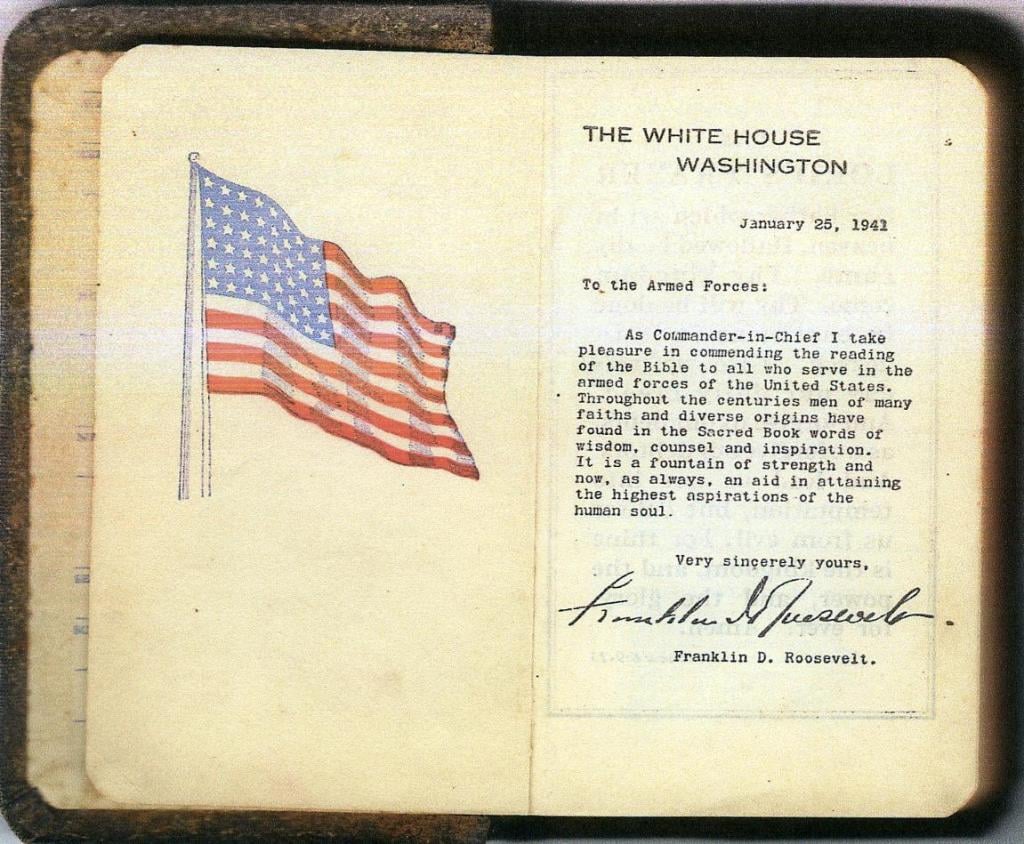
Title VII of the Civil Rights Act of 1964 (Title VII) prohibits federal agencies from discriminating against employees or applicants for employment because of their religious beliefs in hiring, firing, and other terms and conditions of employment. This version of the New Testament bible was issued in 1941 and contained a message from President Franklin Roosevelt “commending the reading of the bible to who serve …as a fountain of strength and … an aid in attaining the highest aspirations of the human soul.” | Image courtesy of Alex Lindeman, CC BY 2.0, via Wikimedia Commons.

hard-play-hard mentality. At our southern facilities, people talked more about family, faith, and community—not as declarations but as part of life.
I wasn’t wired for excess or the thrill of the next big event. I value meaningful, personal relationships over grand gestures. Neither approach was better, but it explained why I felt more at home in one place than another.
Is Religious Freedom a DEI Issue?
That’s why the recent debate about religion in DEI efforts caught my attention. Some thought leaders have expressed concern about the impact on religious tolerance if DEI programs are reduced. But I question whether religious freedom is a DEI issue.
Freedom of religion in the US isn’t about diversity. It’s a fundamental right of being American, reflected in the diverse cultures of our federated system.
A Founding Principle, Not a Program

Benjamin Franklin | Image courtesy of Joseph-Siffred Duplessis, Public domain, via Wikimedia Commons.

This idea—that faith should stand on its own, free from government control—goes back to our Founding Fathers. While serving as Ambassador to France, Benjamin Franklin corresponded with Richard Price, a Welsh philosopher and Unitarian minister, about religion’s role in society. Franklin made the following observation: if a belief is strong, it will sustain itself. However, if it needs government support to survive, that says more about the religion than the government. His words reflect a core American belief: religious freedom isn’t granted by institutions—it’s an inherent right that must be protected, not managed.
What This Means for the Workplace
That belief carries into the workplace today. Title VII of the Civil Rights Act protects employees from religious discrimination and requires reasonable accommodations, like flexible schedules for religious observances, religious attire exceptions, or private spaces for prayer—unless they create an undue hardship for the employer. Public employees also have First Amendment protections. Employers must respect religious expression but can set limits if it disrupts work.
Balancing Inclusion Without Overcorrection
That’s the legal side. But what about the cultural side? How do businesses foster religious inclusion without overcorrecting or alienating anyone? One step is to clear HR policies that provide guardrails—understanding what’s considered reasonable religious accommodation and what’s not. Another is recognizing that religious culture shapes how people work and communicate, just like my experience with regional differences.
For companies with a large immigrant workforce, working with community groups can help new employees integrate—not just into the job but into a culture that values freedom. We saw this when churches stepped up to support Afghan refugees. They didn’t just facilitate employment and personal support; they embraced a Muslim’s right to worship and build community.
The Risk of Treating Religious Freedom as Just Another DEI Topic
That’s why treating religious freedom as another diversity issue is risky. If framed as a DEI topic instead of a constitutional right, it becomes easier to downplay, redefine, or cancel when priorities shift. Our Constitution requires us to respect all beliefs without favoring or sidelining any.
Religious freedom is about making space for everyone without forcing anything on anyone. That’s what sets America apart. It ensures that whether someone feels more at home in New York or Texas, their beliefs and how those beliefs shape who they are are respected—not just tolerated.
More Voices
Evangelical
Careers, Workplace and Religion
Faith and Inclusion After DEI: Media’s Role in Religious Representation
About Lisa Gable
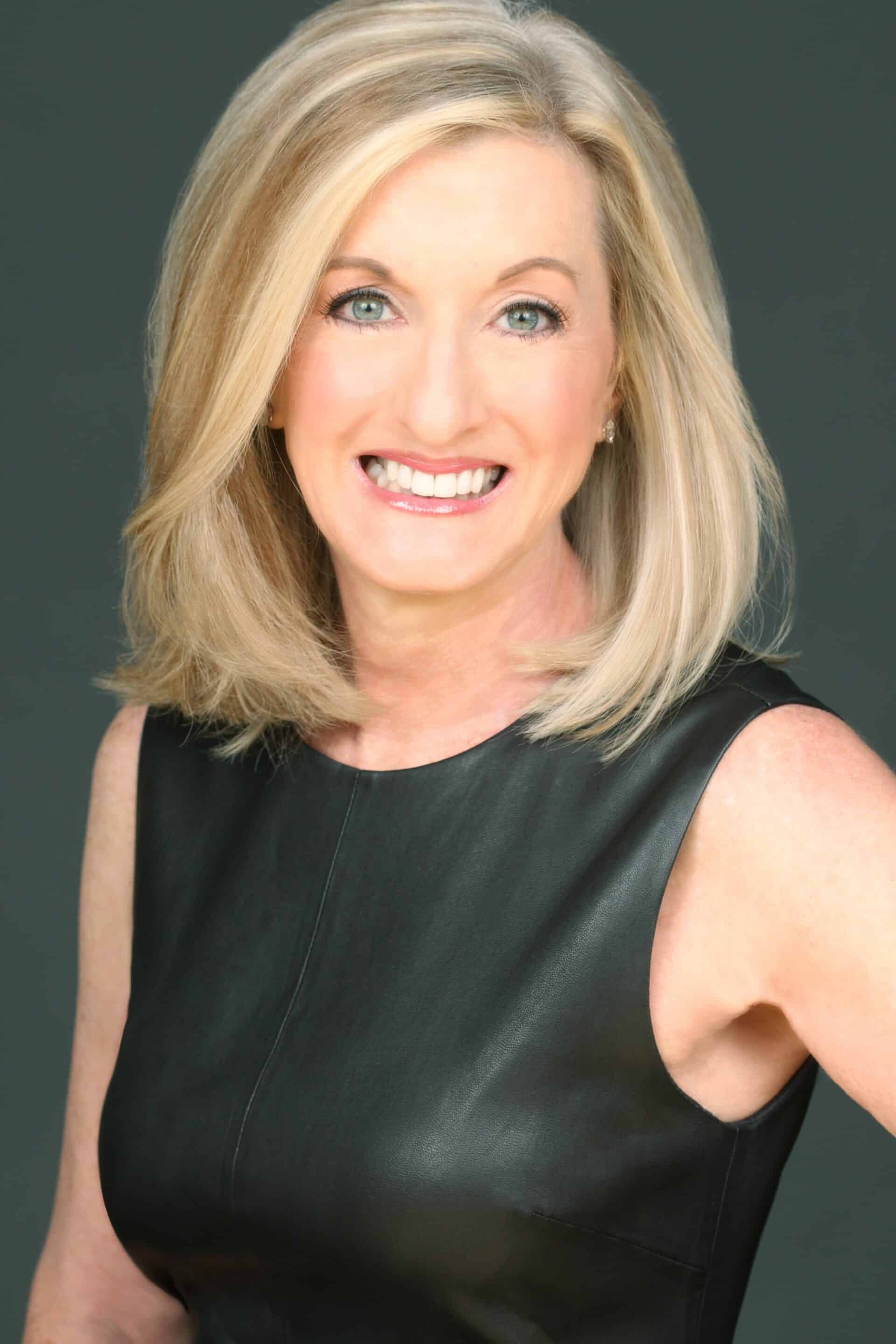
Lisa Gable is a CEO, former US Ambassador, UN Delegate, and author of Wall Street Journal and USA Today Bestseller “Turnaround – How to Change Course When Things Are Going South.” Lisa is recognized worldwide as a turnaround mastermind and innovative businesswoman and started her career in the Reagan administration. You can read more about the author here.
Previous Post

March 6, 2025
Losing DEI May Cost More Than You Think—Including Faith
Next Post

March 18, 2025 Why DEI Matters: Amplifying Muslim Voices in Hollywood
Recent Comments
"Conservatives act like secularism is the enemy. A neutral secular government was designed to protect ..."
How Faith and Religion Shaped America’s ..."
"As a Pagan who is beyond tired of the same basic articles every October leading ..."
Rinse, Repeat, Ramadan: The Explainer Trap
"We need to ask ourselves what happens when a large majority of a population can ..."
What Research Really Shows About Religion ..."
"Good advice. I find more meaning and purpose when I reason with historical context. I ..."
Why the Truth Behind Your Holidays ..."
Browse Our Archives
Select a Category Beyond Christmas: Multi-faith Coverage During The Holidays Diversity Faith Amid the Fray: Reporting During Political Turbulence Faith and Inclusion After DEI: Media’s Role in Religious Representation Faith in the Digital Age: Ensuring Accuracy in Emerging Media Reporting Religious Persecution: How Media Can Inform Reports Uncategorized
Select a Month July 2026 March 2026 February 2026 December 2025 November 2025 October 2025 September 2025 August 2025 July 2025 June 2025 May 2025 April 2025 March 2025 February 2025 January 2025 December 2024 November 2024
Follow Us!
TAKE THE
Religious Wisdom Quiz
Which Christian movement began with John Wesley in the 18th century?
Select your answer to see how you score.
Presbyterianism Methodism Calvinism Lutheranism
Related posts from Coalition For Faith And Media
How Faith and Religion Shaped America's First 250...

Faith in Hospitals: TV Shows Overlook Spiritual Care
Faith After DEI: Will Religious Inclusion Survive?

Why DEI Matters: Amplifying Muslim Voices in Hollywood
TRENDING AT PATHEOS Religion News

Should Churches Endorse Political Candidates?
Amid a highly charged election season, federal court filings last month will...

Surrogacy's $15 Billion Boom Raises Hard Moral Questions
The current surrogacy situation is confusing and fast-evolving. Most of Europe...

Why the Media Only Sees Faith in a...
Faith Beyond the Headlines Faith rarely makes headlines when it is quietly...

Patheos July 2026 Featured Writer: Dr. Joey Cochran
Dr. Joey Cochran is a historian of religion, a General Editor of...

Patheos June 2026 Featured Writer: Dr. James F....
Dr. James F. McGrath holds the Clarence L. Goodwin Chair in New...

How Faith and Religion Shaped America's First 250...
Faith and the Founding: What Media Gets Wrong Religion has shaped America...
view all Religion News blogs
What Are Your Thoughts?leave a comment
Ad-Free & Subscriber Log-In Subscription Support
- About Us
- 2026 Calendar
- Videos
- Podcasts
- Library of World Religions
- Faith In Media Tracker
- Advertise With Us
- Write for Us
- Privacy Policy
- Terms of Service
- Do Not Sell My Data
- Contact Us
- Radiant Digital
- Manage Newsletter Subscriptions
- Unsubscribe From Notifications
- Sitemap
Copyright 2008-2026, Patheos. All rights reserved.
Subscription Support Ad-Free & Subscriber Log-In
Follow Patheos