
BuddhistCatholicContemplativeEvangelicalGeneral ChristianHinduJewishLatter-day SaintMuslimNew VisionsProgressive Christian
Beliefs
- Buddhist
- Catholic
- Contemplative
- Evangelical
- General Christian
- Hindu
- Jewish
- Latter-day Saint
- More Voices
- Muslim
- New Visions
- Pagan
- Progressive Christian
Topics
- Religion News
- Food and Religion
- Sports and Religion
- Religious Art
- Religious Music and Entertainment
- Religious Events
- History and Religion
- Style and Religion
- Politics and Religion
- Women in Religion
- Recreation Outdoors and Religion
- Business Finance and Religion
- Careers Workplace and Religion
- Education and Religion
- Family Parenting and Religion
- Health Fitness and Religion
- Home and Religion
- Relationships and Religion
- Technology and Religion
- Travel and Religion
Columnists
- Buddhist Columnists
- Business Finance and Religion Columnists
- Careers Workplace and Religion Columnists
- Catholic Columnists
- Contemplative Columnists
- Education and Religion Columnists
- Evangelists Columnists
- Family Parenting and Religion Columnists
- General Christian Columnists
- Health Fitness and Religion Columnists
- Hindu Columnists
- History and Religion Columnists
- Home and Religion Columnists
- Jewish Columnists
- More Voices Columnists
- Latter Day Columnists
- Muslim Columnists
- New Visions Columnists
- Nonreligious Columnists
- Pagan Columnists
- Politics and Religion Columnists
- Progressive Columnists
- Recreation Outdoors and Religion Columnists
- Relationships and Religion Columnists
- Religion News Columnists
- Religious Art Columnists
- Religious Events Columnists
- Religious Music and Entertainment Columnists
- Sports and Religion Columnists
- Style and Religion Columnists
- Technology and Religion Columnists
- Travel and Religion Columnists
- Women in Religion Columnists
Resource Library
- 2026 Calendar
- Library of World Religions
- The 100 Most Holy Places on Earth
- Patheos Answers
- Podcasts
- Videos
- Faith Leaders Database
- Anglican Episcopalian
- Bahai
- Baptist
- Buddhism
- Christianity
- Confucianism
- Eastern Orthodoxy
- Hinduism
- Holiness and Pentecostal
- ISKCON
- Islam
- Judaism
- Lutheran
- Methodist
- The Church of Jesus Christ of Latter-day Saints
- New Age
- Paganism
- Presbytarian and Reformed
- Protestantism
- Religion Behind the Scenes
- Roman Catholic
- Scientology
- Shia Islam
- Sikhism
- Sufism
- Sunni Islam
- Taoism
- Zen
- See all religions
Research Tools
 Ad-Free & Subscriber Log-In Subscription Support
Ad-Free & Subscriber Log-In Subscription Support
Follow Patheos 

- Trending:
- Forgiveness
- |
- Marriage
- |
- Consciousness
- |
- Death Penalty
- |
- Election
- |
- Halloween

- Home
- Muslim
- Religion News
- How Media Can Fight Religious Persecution—Or Fuel It
How Media Can Fight Religious Persecution—Or Fuel It
Last updated on: February 7, 2025 at 4:05 pm by Debbie Almontaser
How Media Can Fight Religious Persecution—Or Fuel It 2025-02-07T16:05:29-05:00 Debbie Almontaser
Patheos Explore the world's faith through different perspectives on religion and spirituality! Patheos has the views of the prevalent religions and spiritualities of the world.
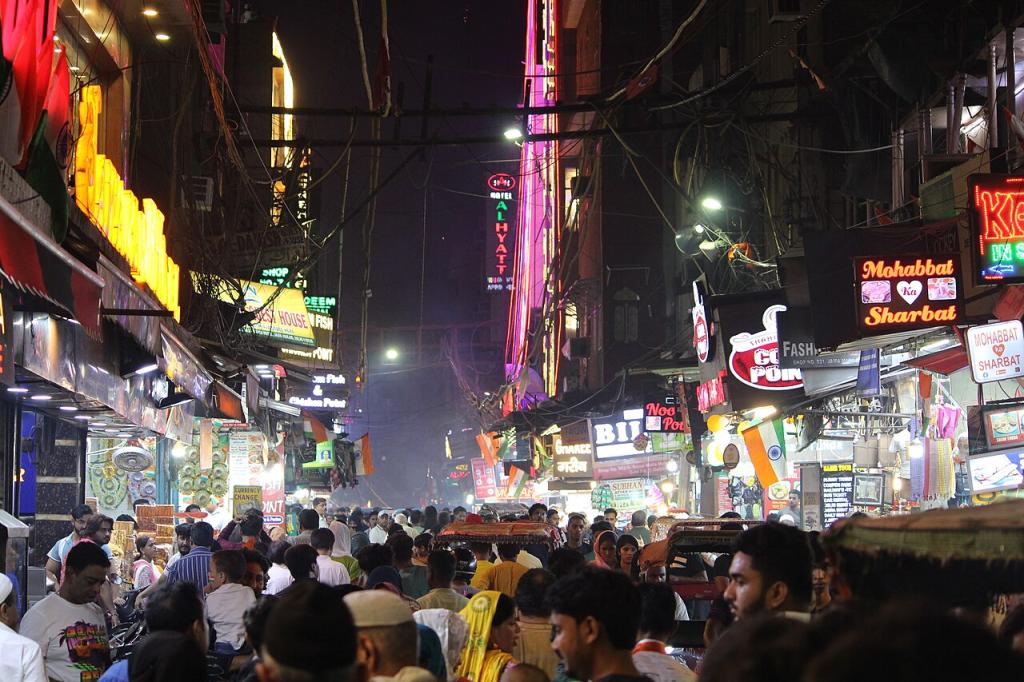
One solution for media outlets is to hire Muslim journalists to report on events like this Ramadan celebration in Old Delhi. This helps ensure that narratives are shaped by those who truly understand the complexities of faith-based persecution, preventing bias and misinformation. | Image courtesy of ThePoeticFrame, CC0, via Wikimedia Commons

The Role of Media in Exposing and Combating Religious Persecution
Religious persecution is not just a relic of history—it is a painful reality today for millions of people across the world. Among the most targeted communities are Muslims in countries like India, China, and Myanmar, where systematic oppression, legal discrimination, and violent suppression have stripped them of fundamental rights. Yet, even in Western democracies, Muslims face growing challenges, from bans on religious attire to cultural marginalization.
In an age where information is readily available, the media has the power to shape public awareness, mobilize advocacy, and influence policy. However, the media is often a double-edged sword—while it can expose injustice, it has also played a role in perpetuating Islamophobia. Sensationalist reporting, biased portrayals of Muslims as security threats, and the amplification of harmful stereotypes have fueled discrimination and justified oppressive policies. Responsible journalism must counter these narratives, ensuring that coverage is fair, accurate, and committed to truth rather than fear-mongering. Yet, reporting on religious persecution requires careful navigation to avoid sensationalism while ensuring the truth reaches global audiences.
Global Religious Persecution: The Crisis for Muslims
Across the world, Muslims face systematic oppression, discrimination, and violence. In India, growing anti-Muslim sentiment has led to mob lynchings, discriminatory citizenship laws, and the demolition of Muslim homes and businesses. In China, over a million Uyghur Muslims have been detained in concentration camps, and subjected to forced labor, sterilization, and religious suppression. Meanwhile, in Myanmar, the Rohingya have endured genocide at the hands of the military, forcing hundreds of thousands to flee to refugee camps in Bangladesh.
These actions have been widely condemned by international human rights organizations and have led to calls for accountability. A 2021 report by the Pew Research Center revealed that in 2019, Muslims faced government harassment in 135 countries—more than any other religious group. This harassment ranges from restrictions on worship to outright government violence against religious communities.
In June 2022, the Tom Lantos Human Rights Commission held a congressional hearing titled “Discrimination and Persecution Against Muslims Worldwide.“ The hearing highlighted severe violations against Muslims, including the ongoing crimes against humanity and genocide committed against Uyghurs in Xinjiang, China, and against Rohingya in Myanmar. It also addressed hate speech and calls for mass violence against Muslims in India, the stigmatization of Muslims in Europe leading to legislation targeting Muslim dress and cultural practices, and the persecution of Muslims in Russia, where over half of the identified political prisoners were targeted due to their faith.
These findings underscore the pervasive nature of anti-Muslim discrimination and the urgent need for comprehensive international efforts to protect religious freedom and hold perpetrators accountable.
India: Rising Anti-Muslim Violence and Discrimination
In recent years, India has experienced a surge in anti-Muslim incidents, including mob lynchings, discriminatory legislation, and social exclusion. According to the 2023 Report on International Religious Freedom by the U.S. Department of State, there have been ongoing concerns about religious discrimination in India. Notable examples include:
- Mob Lynchings: There have been numerous cases where Muslim individuals were attacked by mobs on suspicion of consuming or transporting beef, as cows are considered sacred in Hinduism. For instance, in 2023, Sabir Malik, a Muslim, was beaten to death by a Hindu mob in Haryana due to suspicions of consuming beef, though tests later proved he hadn’t.
- Discriminatory Laws: The Citizenship Amendment Act (CAA) of 2019 provides a pathway to citizenship for non-Muslim refugees from neighboring countries, which, when combined with the proposed National Register of Citizens (NRC), has raised concerns about rendering many Muslims stateless.
- Social Discrimination: Reports indicate that Muslims face challenges in accessing housing, employment, and education due to their religious identity.
China: Systematic Oppression of Uyghur Muslims
In China, the Uyghur Muslim population in the Xinjiang region has been subjected to extensive human rights abuses. Key examples include:
- Mass Detentions: Since 2017, over a million Uyghurs and other Muslim minorities have been detained in “re-education” camps, where they are reportedly subjected to indoctrination, forced labor, and abuse.
- Cultural Suppression: The Chinese government has destroyed mosques, prohibited religious practices, and enforced measures to erode Uyghur cultural and religious identity.
- Surveillance: Advanced surveillance technologies are employed to monitor Uyghur Muslims’ daily activities, restricting their freedom of movement and religious expression.
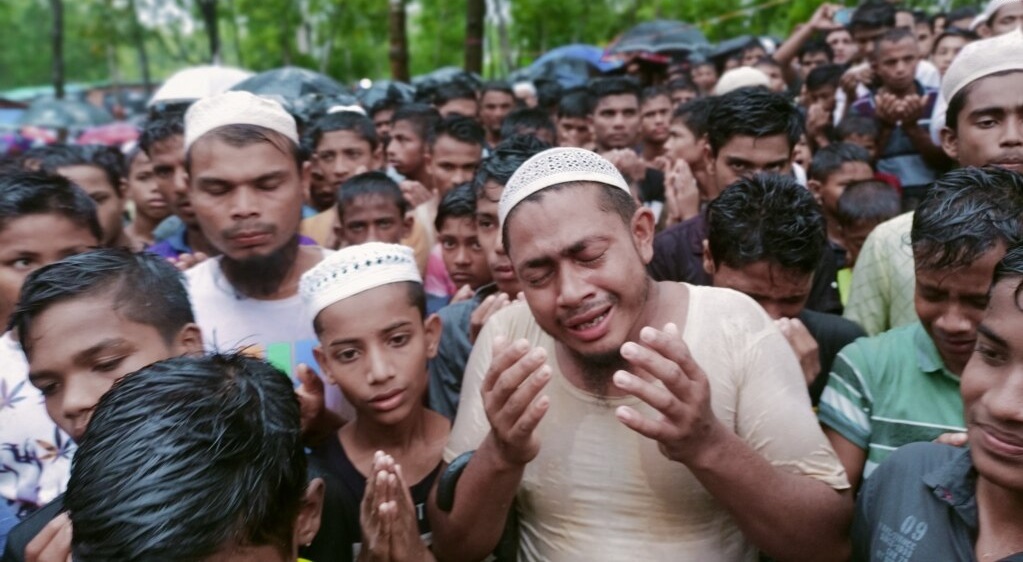
Rohingya refugees gathered in Bangladesh for Genocide Remembrance in 2023. Image courtesy of Md. Jamal / VOA, Public domain, via Wikimedia Commons

Myanmar: The Rohingya Genocide
The Rohingya Muslims in Myanmar have faced severe persecution, leading to a humanitarian crisis. Notable instances include:
- Mass Displacement: Since August 2017, a brutal military crackdown forced over 700,000 Rohingya to flee to Bangladesh, following widespread reports of massacres, sexual violence, and village burnings.
- Statelessness: The Rohingya have been denied citizenship in Myanmar, rendering them stateless and depriving them of basic rights and protections.
- Continued Persecution: Even in displacement, Rohingya refugees face challenges, including inadequate living conditions and limited access to education and healthcare.
The International Criminal Court has sought arrest warrants for Myanmar’s military leaders, accusing them of crimes against humanity related to the persecution of the Rohingya.
These actions have been widely condemned by international human rights organizations and have led to calls for accountability.
Religious Persecution in the West: A Different Form of Suppression
While Western nations uphold religious freedom in principle, Muslims face increasing restrictions and discrimination under the guise of secularism.

Women wearing Hijabs in France in 2017 | Image courtesy of Sophie Barat, CC BY 2.0, via Wikimedia Commons

Hijab Bans in Europe
In France, Belgium, and parts of Switzerland, Muslim women have been legally barred from wearing hijabs or niqabs in public spaces, schools, and workplaces. These policies claim to uphold secularism but disproportionately target Muslim women, forcing them to choose between their faith and participation in public life. Similarly, in India and Canada, hijab bans in educational institutions and workplaces create barriers for Muslim women, limiting their access to opportunities and reinforcing social exclusion.
Surveillance and Profiling
Muslims in Western countries are often treated as security threats. In the U.S., programs like the NYPD’s surveillance of Muslim communities and the FBI’s counterterrorism initiatives have disproportionately targeted mosques and Islamic organizations. The rise of Islamophobic rhetoric in media and politics has led to increased hate crimes and social alienation.
The Role of Media: Turning Awareness into Action
The responsibility of the media is not just to report but to advocate, educate, and drive meaningful change.
-
Accurate and Nuanced Reporting
Journalists must resist framing religious persecution as isolated incidents or internal conflicts. Instead, they should highlight the systemic nature of these oppressions, making the connections between government policies, social discrimination, and human rights abuses.
-
Centering the Voices of the Persecuted
Too often, stories about persecution are told through the lens of policymakers or analysts. Media must give voice to those directly impacted—Muslims who have suffered discrimination, lost homes, or been imprisoned for their faith.
-
Hiring Muslim Journalists to Cover Muslim Issues
Media outlets should hire more Muslim journalists to cover stories about Muslim communities. The Global Faith & Media Study found that 53% of people feel the media actively ignores religion as an aspect of society and culture, while 61% believe that media perpetuates stereotypes rather than protecting against them. Without representation in newsrooms, coverage often lacks depth, context, and lived experience. Having Muslim journalists report on these issues ensures that narratives are shaped by those who truly understand the complexities of faith-based persecution, preventing bias and misinformation.
-
Driving Policy and Advocacy
Investigative journalism and documentaries can push governments and international bodies to take action. For example, media coverage of the Rohingya crisis pressured the UN to recognize Myanmar’s military actions as genocide. Similar efforts should be made to document and expose the persecution of Muslims worldwide.
-
Combating Islamophobia in Western Media
In the West, media outlets have a responsibility to challenge Islamophobic narratives and highlight Muslim contributions to society. The Global Faith & Media Study revealed that 78% of individuals believe religious stereotypes should receive the same, or more, attention as race and gender stereotypes. Yet, the mainstream media continues to overlook this issue. Faith-based media can play a crucial role in countering misinformation and humanizing Muslim communities.
Beyond policy and advocacy, media representation also has a direct impact on the well-being of religious communities. The Faith & Wellness Study by Gallup highlights that religious individuals often experience better health outcomes, including lower rates of depression and substance abuse. When faith-based identities are misrepresented or vilified in the media, it contributes to the marginalization of religious communities, affecting their mental and emotional health. A shift toward fair and respectful portrayals of Muslims in media can help counter the effects of discrimination, fostering a more inclusive society while also supporting the well-being of these communities.
A Call to Action
Religious persecution is a global issue that demands a global response. The media—both mainstream and faith-based—has the power to shift public opinion, mobilize action, and demand justice for persecuted communities. By ensuring responsible, accurate, and impactful reporting, we can turn awareness into advocacy and silence into action.
It is time for journalists, activists, and faith leaders to work together to shine a light on oppression, hold perpetrators accountable, and stand in solidarity with all those whose right to worship freely is under attack. The Tom Lantos Human Rights Commission hearing emphasized the role of governments and international organizations in addressing anti-Muslim persecution. However, media coverage plays an equally crucial role in ensuring these injustices are exposed, understood, and acted upon.
*If you like this article please let us know by leaving a comment below. We are interested in your viewpoint on this important topic.
Muslim
Reporting Religious Persecution: How Media Can Inform
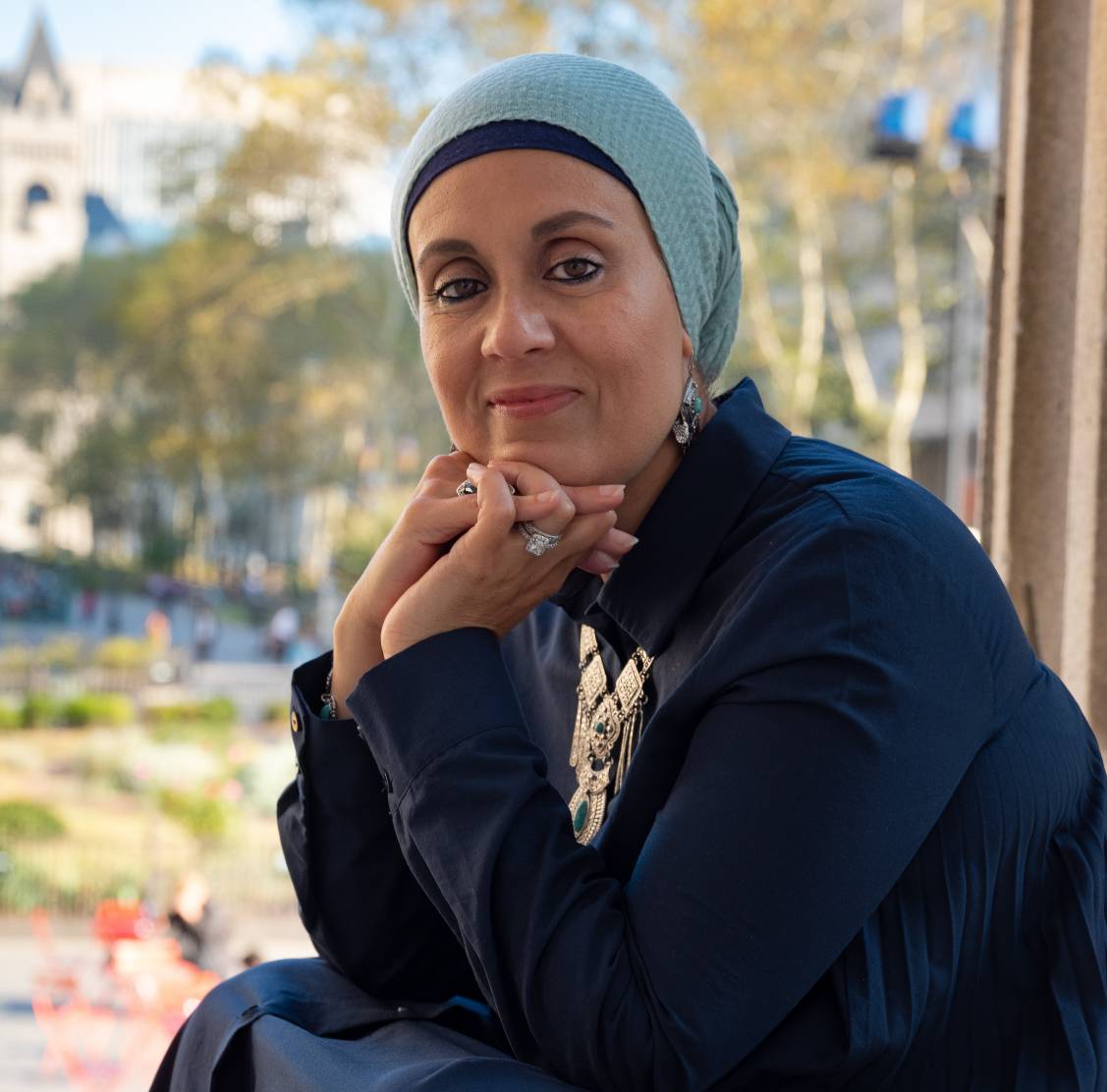
About Debbie Almontaser
Dr. Debbie Almontaser is an internationally recognized educator, speaker, author, and advocate for cross-cultural understanding. As the Founder and CEO of Bridging Cultures Group, she is a respected community leader dedicated to promoting diversity and inclusivity. Over her extensive 25-year career in the NYC Public School System, Dr. Almontaser has held various roles, including special education teacher, literacy trainer, multicultural specialist, and diversity advisor. Notably, she established the Khalil Gibran International Academy in Brooklyn, NY, fostering an environment of cross-cultural understanding among students. You can read more about the author here.
Previous Post

February 3, 2025
Religious Freedom at a 16-Year Low—What Can Be Done?
Next Post

February 11, 2025 How Governments Use Religion to Control—and Who Suffers Most
Recent Comments
"Conservatives act like secularism is the enemy. A neutral secular government was designed to protect ..."
How Faith and Religion Shaped America’s ..."
"As a Pagan who is beyond tired of the same basic articles every October leading ..."
Rinse, Repeat, Ramadan: The Explainer Trap
"We need to ask ourselves what happens when a large majority of a population can ..."
What Research Really Shows About Religion ..."
"Good advice. I find more meaning and purpose when I reason with historical context. I ..."
Why the Truth Behind Your Holidays ..."
Browse Our Archives
Select a Category Beyond Christmas: Multi-faith Coverage During The Holidays Diversity Faith Amid the Fray: Reporting During Political Turbulence Faith and Inclusion After DEI: Media’s Role in Religious Representation Faith in the Digital Age: Ensuring Accuracy in Emerging Media Reporting Religious Persecution: How Media Can Inform Reports Uncategorized
Select a Month July 2026 March 2026 February 2026 December 2025 November 2025 October 2025 September 2025 August 2025 July 2025 June 2025 May 2025 April 2025 March 2025 February 2025 January 2025 December 2024 November 2024
Follow Us!
TAKE THE
Religious Wisdom Quiz
Who saw the vision of the valley of dry bones?
Select your answer to see how you score.
Ezekiel Daniel Jeremiah Isaiah
Related posts from Coalition For Faith And Media
The Rising Tide of Religious Persecution and Global...
Is Anti-Christian Persecution Real Or A Media Narrative?

How Governments Use Religion to Control—and Who Suffers...

Religious Freedom at a 16-Year Low—What Can Be...
TRENDING AT PATHEOS Religion News

Should Churches Endorse Political Candidates?
Amid a highly charged election season, federal court filings last month will...

Surrogacy's $15 Billion Boom Raises Hard Moral Questions
The current surrogacy situation is confusing and fast-evolving. Most of Europe...

Why the Media Only Sees Faith in a...
Faith Beyond the Headlines Faith rarely makes headlines when it is quietly...

Patheos July 2026 Featured Writer: Dr. Joey Cochran
Dr. Joey Cochran is a historian of religion, a General Editor of...

Patheos June 2026 Featured Writer: Dr. James F....
Dr. James F. McGrath holds the Clarence L. Goodwin Chair in New...

How Faith and Religion Shaped America's First 250...
Faith and the Founding: What Media Gets Wrong Religion has shaped America...
view all Religion News blogs
What Are Your Thoughts?leave a comment
Ad-Free & Subscriber Log-In Subscription Support
- About Us
- 2026 Calendar
- Videos
- Podcasts
- Library of World Religions
- Faith In Media Tracker
- Advertise With Us
- Write for Us
- Privacy Policy
- Terms of Service
- Do Not Sell My Data
- Contact Us
- Radiant Digital
- Manage Newsletter Subscriptions
- Unsubscribe From Notifications
- Sitemap
Copyright 2008-2026, Patheos. All rights reserved.
Subscription Support Ad-Free & Subscriber Log-In
Follow Patheos