
BuddhistCatholicContemplativeEvangelicalGeneral ChristianHinduJewishLatter-day SaintMuslimNew VisionsProgressive Christian
Beliefs
- Buddhist
- Catholic
- Contemplative
- Evangelical
- General Christian
- Hindu
- Jewish
- Latter-day Saint
- More Voices
- Muslim
- New Visions
- Pagan
- Progressive Christian
Topics
- Religion News
- Food and Religion
- Sports and Religion
- Religious Art
- Religious Music and Entertainment
- Religious Events
- History and Religion
- Style and Religion
- Politics and Religion
- Women in Religion
- Recreation Outdoors and Religion
- Business Finance and Religion
- Careers Workplace and Religion
- Education and Religion
- Family Parenting and Religion
- Health Fitness and Religion
- Home and Religion
- Relationships and Religion
- Technology and Religion
- Travel and Religion
Columnists
- Buddhist Columnists
- Business Finance and Religion Columnists
- Careers Workplace and Religion Columnists
- Catholic Columnists
- Contemplative Columnists
- Education and Religion Columnists
- Evangelists Columnists
- Family Parenting and Religion Columnists
- General Christian Columnists
- Health Fitness and Religion Columnists
- Hindu Columnists
- History and Religion Columnists
- Home and Religion Columnists
- Jewish Columnists
- More Voices Columnists
- Latter Day Columnists
- Muslim Columnists
- New Visions Columnists
- Nonreligious Columnists
- Pagan Columnists
- Politics and Religion Columnists
- Progressive Columnists
- Recreation Outdoors and Religion Columnists
- Relationships and Religion Columnists
- Religion News Columnists
- Religious Art Columnists
- Religious Events Columnists
- Religious Music and Entertainment Columnists
- Sports and Religion Columnists
- Style and Religion Columnists
- Technology and Religion Columnists
- Travel and Religion Columnists
- Women in Religion Columnists
Resource Library
- 2026 Calendar
- Library of World Religions
- The 100 Most Holy Places on Earth
- Patheos Answers
- Podcasts
- Videos
- Faith Leaders Database
- Anglican Episcopalian
- Bahai
- Baptist
- Buddhism
- Christianity
- Confucianism
- Eastern Orthodoxy
- Hinduism
- Holiness and Pentecostal
- ISKCON
- Islam
- Judaism
- Lutheran
- Methodist
- The Church of Jesus Christ of Latter-day Saints
- New Age
- Paganism
- Presbytarian and Reformed
- Protestantism
- Religion Behind the Scenes
- Roman Catholic
- Scientology
- Shia Islam
- Sikhism
- Sufism
- Sunni Islam
- Taoism
- Zen
- See all religions
Research Tools
 Ad-Free & Subscriber Log-In Subscription Support
Ad-Free & Subscriber Log-In Subscription Support
Follow Patheos 

- Trending:
- Forgiveness
- |
- Marriage
- |
- Consciousness
- |
- Death Penalty
- |
- Election
- |
- Halloween
 Church for Men
- Home
- Evangelical
- Why men aren’t buying the church’s core product (part 1)
Why men aren’t buying the church’s core product (part 1)
Last updated on: April 9, 2014 at 5:37 am by David Murrow
Why men aren’t buying the church’s core product (part 1) 2014-04-09T05:37:08-09:00 David Murrow
Patheos Explore the world's faith through different perspectives on religion and spirituality! Patheos has the views of the prevalent religions and spiritualities of the world.
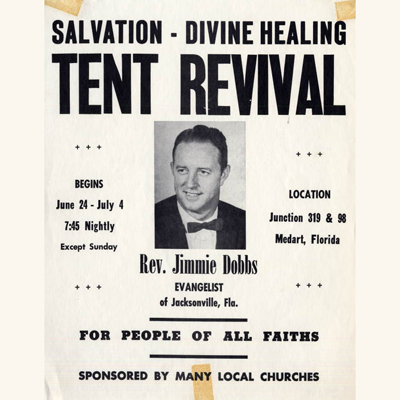 Have you been to McDonald’s lately? What used to be a garish, plastick-y hamburger joint is morphing into a hip, cozy coffee shop. McDonald’s is already the number one java seller in the UK. Some observers believe that within a decade more people will come to MickeyD’s for coffee than for burgers and fries. A few predict McDonald’s will someday exit the hamburger business entirely.
McDonald’s “core product” is changing with the times. The U.S. burger market is saturated. Americans are beginning to think outside the bun. The only way McDonald’s can survive is to offer a new core product that will draw people in.
A similar change has been afoot in the church for the past 30 years. The “core product” we offered for centuries is falling out of favor with Americans. So we’re rolling out a new one. Unfortunately, this new core product is much more compelling to women than it is to men.
So what is the church’s old core product? Eternal salvation. Come to church and live forever. A pretty potent promise. Religion was literally a matter of life and death.
The entire evangelical world was once built around our core product. Traveling evangelists crisscrossed the country. Tent meetings were common. Every Baptist church had a spring revival. Believers went “witnessing.” America’s largest parachurch organizations were all in the soul-winning business: Campus Crusade for Christ, Youth for Christ and the Billy Graham Evangelistic Association. Summer camps focused on getting people saved. Churches counted and reported converts and baptisms to headquarters.
Our worship services were designed to sell the core product. Sermons often focused on eternity. When I was a teenager, every single church service – regardless of topic – concluded with an altar call. This was a high-pressure invitation to receive Christ. It was your weekly opportunity to escape the flames of hell by coming forward to receive Jesus as your personal Lord and Savior.
But a funny thing started happening about 40 years ago. People stopped buying our core product. Numbers dwindled at crusades. Altar calls were going unanswered. Door-to-door evangelism stopped producing converts. The old evangelical pick-up line (If you were to die tonight, do you know where you’d spend eternity?) no longer got the desired response.
Why did our core product suddenly go out of style? People stopped dropping dead unexpectedly.
A little history lesson: since the dawn of humanity, sudden, unexpected death was common. People just “up-and-died” all the time. Plagues wiped out entire cities. Diseases had no cure. Sister Mattie would be fit-as-a-fiddle on Monday and dead-as-a-doornail by Friday. People had large families because they knew 2 or 3 kids would not live to see adulthood. Undertakers were busy.
In a world where people drop dead at any moment from incurable diseases, your eternal destination was of utmost importance. Preachers would stand at the altar and say, “This may be your last opportunity to accept Christ and go to heaven!” And they were right.
But in recent years sudden, unexpected death has become rare, particularly in the developed world. Average lifespan has almost doubled since the 1850s. Modern medicine has cured or controlled many lethal diseases. Occupational safety is the law. Cars are safer, and highway fatalities are at record lows. Even wars kill far fewer people than they once did.
So about 40 years ago people began to realize they weren’t going to die tonight – or even before next Sunday. The urgency to be saved right now was gone. Americans were no longer thinking much about eternity. So they stopped responding to Christ’s offer of salvation – and they began leaving church.
The church needed a new core product to get people in the door.
In 1977, a California psychologist by the name of James Dobson founded an organization called Focus on the Family. About that same time Campus Crusade for Christ launched Family Life, a new kind of ministry focused specifically on relationships. Also in the 1970s a Catholic priest from Spain imported Marriage Encounter to the U.S. Authors such as Gary Smalley created the multimillion-dollar Christian relationship book-and-tape market.
These pioneers found huge demand for their new product. Literally millions of Christians read their books, listened to their broadcasts and attended their weekend retreats. Family-oriented ministries grew like bamboo in a rainforest.
Pastors saw what was happening. They finally began preaching on relationships in the 1980s. Over the next 35 years the entire Evangelical movement shifted its focus from personal salvation to personal relationships.
Today it’s rare to find a church that offers regular altar calls. The word hell is rarely even mentioned in megachurches. But sermon series on relationships are as common as boots at a rodeo.
In less than 40 years the core product of the church has shifted from saving broken souls to saving broken relationships. The very way modern Evangelicals describe the gospel reflects the new core product: a personal relationship with Jesus Christ.
Now, I’m not saying that churches have abandoned salvation altogether. We still offer the old core product, but we no longer place it front and center. Like McDonalds, we still offer hamburgers, but we market ourselves as a coffee house.
The new core product is bringing people in the door – but it’s also undermining men’s engagement and enthusiasm. It’s a product more women than men will enthusiastically buy. I’ll show you why in my next blog entry.
So what do you think? Add your comments below, or join the conversation on my Facebook page. To order books, DVDs and other resources, click here.
Previous Post
April 2, 2014
Free book offer - for men who minister to men
Next Post

April 16, 2014 Why men aren't buying the church's core product (part 2)
Browse Our Archives
Select a Category boys Bullying children's ministry Church Church planting church structure Communication Conservatism devotion Discipleship eternity evangelism Family Fathers Feminism Feminization giving thanks God Humor Jesus Leadership Liberalism Marketing marriage masculinity men's ministry men's studies mission movies Parenting Pastoring persecution Politics pop culture Prayer Preaching and teaching Prison Ministry religion secularism sex spiritual growth sports women Worship youth culture youth ministry
Select a Month July 2020 April 2020 January 2020 December 2019 November 2019 August 2019 July 2019 June 2019 May 2019 April 2019 March 2019 February 2019 January 2019 December 2018 November 2018 October 2018 May 2016 April 2016 March 2016 February 2016 January 2016 December 2015 November 2015 October 2015 September 2015 August 2015 July 2015 June 2015 May 2015 April 2015 March 2015 February 2015 January 2015 December 2014 November 2014 October 2014 September 2014 August 2014 July 2014 June 2014 May 2014 April 2014 March 2014 February 2014 January 2014 December 2013 November 2013 October 2013 September 2013 August 2013 July 2013 June 2013 May 2013 April 2013 March 2013
Follow Us!
TAKE THE
Religious Wisdom Quiz
How many days did God take to create the world?
Select your answer to see how you score.
Ten Six Seven Five
Related posts from Church for Men

Post-COVID Slump: Is it Just a Flesh Wound?

For God's Sake — Shorten Your Sermon

Why Evangelical Men Prefer Trump over Pence

Worship Leader Accused of Playing Well-Known Song
TRENDING AT PATHEOS Evangelical

The REST of Your Life: A Creative Wrestles...
This week I had a conversation with a good friend from church....

How the author of the world's best hymn...
I've been working with John Newton for a while now. This makes...

Long before this Lectio Divina, Psalm 130 - the song - started...

What About the Trees? Another Living Parable
After I finished writing the last article about falling leaves as a...

Why Classical Education Is a Conversation, Not a...
Come and Read: Joy in Classical Education When I was a little...

Cornell University has received a great deal of negative publicity and intense...
view all Evangelical blogs
Ad-Free & Subscriber Log-In Subscription Support
- About Us
- 2026 Calendar
- Videos
- Podcasts
- Library of World Religions
- Faith In Media Tracker
- Advertise With Us
- Write for Us
- Privacy Policy
- Terms of Service
- Do Not Sell My Data
- Contact Us
- Radiant Digital
- Manage Newsletter Subscriptions
- Unsubscribe From Notifications
- Sitemap
Copyright 2008-2026, Patheos. All rights reserved.
Subscription Support Ad-Free & Subscriber Log-In
Follow Patheos