
BuddhistCatholicContemplativeEvangelicalGeneral ChristianHinduJewishLatter-day SaintMuslimNew VisionsProgressive Christian
Beliefs
- Buddhist
- Catholic
- Contemplative
- Evangelical
- General Christian
- Hindu
- Jewish
- Latter-day Saint
- More Voices
- Muslim
- New Visions
- Pagan
- Progressive Christian
Topics
- Religion News
- Food and Religion
- Sports and Religion
- Religious Art
- Religious Music and Entertainment
- Religious Events
- History and Religion
- Style and Religion
- Politics and Religion
- Women in Religion
- Recreation Outdoors and Religion
- Business Finance and Religion
- Careers Workplace and Religion
- Education and Religion
- Family Parenting and Religion
- Health Fitness and Religion
- Home and Religion
- Relationships and Religion
- Technology and Religion
- Travel and Religion
Columnists
- Buddhist Columnists
- Business Finance and Religion Columnists
- Careers Workplace and Religion Columnists
- Catholic Columnists
- Contemplative Columnists
- Education and Religion Columnists
- Evangelists Columnists
- Family Parenting and Religion Columnists
- General Christian Columnists
- Health Fitness and Religion Columnists
- Hindu Columnists
- History and Religion Columnists
- Home and Religion Columnists
- Jewish Columnists
- More Voices Columnists
- Latter Day Columnists
- Muslim Columnists
- New Visions Columnists
- Nonreligious Columnists
- Pagan Columnists
- Politics and Religion Columnists
- Progressive Columnists
- Recreation Outdoors and Religion Columnists
- Relationships and Religion Columnists
- Religion News Columnists
- Religious Art Columnists
- Religious Events Columnists
- Religious Music and Entertainment Columnists
- Sports and Religion Columnists
- Style and Religion Columnists
- Technology and Religion Columnists
- Travel and Religion Columnists
- Women in Religion Columnists
Resource Library
- 2026 Calendar
- Library of World Religions
- The 100 Most Holy Places on Earth
- Patheos Answers
- Podcasts
- Videos
- Faith Leaders Database
- Anglican Episcopalian
- Bahai
- Baptist
- Buddhism
- Christianity
- Confucianism
- Eastern Orthodoxy
- Hinduism
- Holiness and Pentecostal
- ISKCON
- Islam
- Judaism
- Lutheran
- Methodist
- The Church of Jesus Christ of Latter-day Saints
- New Age
- Paganism
- Presbytarian and Reformed
- Protestantism
- Religion Behind the Scenes
- Roman Catholic
- Scientology
- Shia Islam
- Sikhism
- Sufism
- Sunni Islam
- Taoism
- Zen
- See all religions
Research Tools
 Ad-Free & Subscriber Log-In Subscription Support
Ad-Free & Subscriber Log-In Subscription Support
Follow Patheos 

- Trending:
- Forgiveness
- |
- Marriage
- |
- Consciousness
- |
- Death Penalty
- |
- Election
- |
- Halloween
 Christian Piatt
- Home
- Progressive Christian
- Biblical Add-Ons, Edits & Agendas: A Challenge to Literalism?
Biblical Add-Ons, Edits & Agendas: A Challenge to Literalism?
Last updated on: June 1, 2012 at 6:11 pm by Christian Piatt
Biblical Add-Ons, Edits & Agendas: A Challenge to Literalism? 2012-06-01T18:11:00+00:00 Christian Piatt
Patheos Explore the world's faith through different perspectives on religion and spirituality! Patheos has the views of the prevalent religions and spiritualities of the world.
 After reading my post about Randy Wolford, the snake-handling pastor, died from a venomous snakebite, blogger Tim Suttle sent me a link to his own post on the subject. Suttle’s angle was different, and I found it fascinating.
Basically, he contends that the verses in Mark that Wolford and others use to justify handling snakes as an act of worship (among other bizarre practices) should not ever have made it into the Bible to begin with. His article cites what he calls a “nerdy academic journal article” from Bible scholar Robert H. Stein. In it, Stein notes a few reasons why the text in Mark chapter 16 beyond verse 8 should never have been included in the Bible.
First, there have been older copies of the manuscripts from which Mark was produced that stop at Mark 16:8. In addition, there’s the historical agreement among scholars that scribes (the guys who copied the texts by hand) did have a propensity for adding to the documents they copied but seldom, if ever, deleted anything. There’s also the fact that ancient scholars whose commentaries on Mark have been found do not mention these verses at all, as well as the agreement among many Biblical scholars that the tone of those verse suggests a different author wrote them.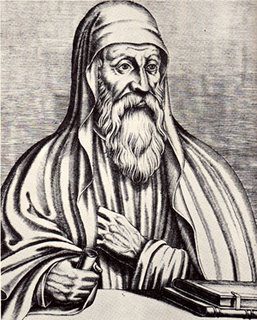
I think this kind of Biblical scholarship is intriguing, though I expect others see it as a threat. I don’t know about anyone else, but if I claim to base much of my life on the teachings found in a handful of ancient books, I want to know as much about who wrote them and where they came from as possible. But for those who ascribe to a literal interpretation of scripture, I wonder what these kinds of arguments do to their faith, or at least their understanding of what “The Bible” is.
Do they know that the Gospel of John (a favorite among most Evangelicals I know) and the book of Revelation (another Evangelical favorite) almost didn’t make it into the Biblical canon we know today? Ancient theologians such as Origen challenged the use of other Biblical books such as Hebrews, James, 2 Peter, 2 John and 3 John as well. Some orthodox churches still do not recognize Revelation as a legitimate part of the Bible.
Meanwhile some Catholics and Orthodox churches use the Apocrypha as part of the Bible, though it isn’t recognized as such my most Protestants. In fact, the word “Apocrypha” has inherent negative connotations, meaning “spurious” or “false.”
Then there are the Dead Sea Scrolls, valued by different groups as holy or sacrilegious, depending on who you ask.
There are those who believe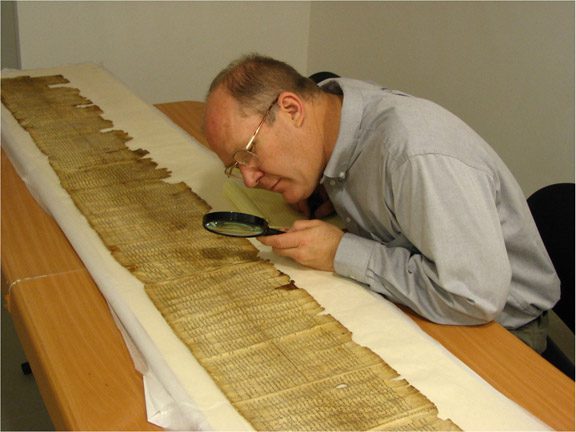 there are secret codes embedded in the book of Exodus and elsewhere, while others claim this is heresy. And even those who claim to believe in Biblical literalism have scads of caveats when it comes to things like stoning adulterers, taking a concubine, owning slaves or keeping all of the Rabbinical laws outlined in the Hebrew Scriptures.
I don’t take personal issue with a literal interpretation of scripture, in and of itself. But when that literalism is used to oppress, condemn, marginalize or even endanger or kill other God-created people, the Bible becomes a weapon of hatred and intolerance. And that, I can’t accept.
Can those who don’t interpret scripture literally use the Bible as a bludgeon against others? Of course. But the inherent lack of room for discussion, critical thought, nuance or even alternate views within the literalist camp is a setup for such abuse.
It seems to me that, if we could get beyond this notion that the Bible was some divine instruction manual to be followed to the letter, the better off we’d all be as fellow human beings, trying awkwardly, and sometimes in vain, to share an ever-shrinking planet.
Previous Post

May 31, 2012
Snake Handling, Stigmata and Testing God
Next Post
June 2, 2012 A Theology of America's Zombie Apocalypse
Browse Our Archives
Select a Category atonement belief bible Bill O'Reilly Buddhism CCM children christian piatt christianity Contemporary Christian Music current events derek flood Easter education Everyday Sunday faith faith and culture Frank Schaeffer great commission Haaz Sleiman Hobby Lobby Homebrewed Culture humor ISIS Jesus John Paul Lederach Killing Jesus LGBTQ marc driscoll Mission Year Music My Jesus Project Nat Geo parenting politics popular culture postChristian prison reform Ray rice religion republicans sacrifice sexuality theology Uncategorized video violence wild goose festival World Vision young adults
Select a Month December 2017 November 2017 October 2017 September 2017 August 2017 July 2017 June 2017 May 2017 April 2017 March 2017 February 2017 January 2017 November 2016 October 2016 September 2016 August 2016 July 2016 June 2016 May 2016 April 2016 March 2016 February 2016 January 2016 December 2015 November 2015 October 2015 September 2015 August 2015 July 2015 June 2015 May 2015 April 2015 March 2015 February 2015 January 2015 December 2014 November 2014 October 2014 September 2014 August 2014 July 2014 June 2014 May 2014 April 2014 March 2014 February 2014 January 2014 December 2013 November 2013 October 2013 September 2013 August 2013 July 2013 June 2013 May 2013 April 2013 March 2013 February 2013 January 2013 December 2012 November 2012 October 2012 September 2012 August 2012 July 2012 June 2012 May 2012 April 2012 March 2012 February 2012 January 2012 December 2011 November 2011 October 2011 September 2011 August 2011 July 2011 June 2011 May 2011 April 2011 March 2011 February 2011 January 2011 December 2010 November 2010 October 2010 September 2010 August 2010 July 2010 June 2010 May 2010 April 2010 March 2010 February 2010 January 2010 December 2009 November 2009 October 2009 September 2009 August 2009 July 2009 June 2009 May 2009 April 2009 March 2009 February 2009 January 2009 December 2008 November 2008 October 2008 September 2008 August 2008 July 2008 June 2008 May 2008 April 2008 March 2008 February 2008 January 2008 December 2007 November 2007 October 2007 September 2007 August 2007 July 2007 June 2007 May 2007 April 2007 March 2007 February 2007 January 2007 December 2006 November 2006 October 2006 September 2006 August 2006
Follow Us!
TAKE THE
Religious Wisdom Quiz
Who did Jesus raise from the dead after four days?
Select your answer to see how you score.
Himself Widow's son Lazarus Jairus’ daughter
Related posts from Christian Piatt

More Than Jezebel (Third Week Advent Devotional)

Are We There Yet? (Second Week in Advent...

Look, Shiny! (First Week of Advent Study)

TRENDING AT PATHEOS Progressive Christian

Why Christians Have a Sacred Duty to Vote:...
The Bible offers strong support for the sacred duty to vote. Here...

What Being a Modern-Day Apostle Means to Me
In my last column, I discussed the ins and outs of modern-day...

Did Ancient China Once Worship the God of...
Across human history, a common thread weaves through the origins of the...

Love Your Neighbor – Including Earth-Kin: Lev. 19,...
God’s command to love your neighbor means acting in an ethical and...

Lead a Church Study of “Jesus and Lao...
Guest writer Jack Thomas (The Irreverent Reverend) reflects on leading his church...

Principles for Understanding the Apostolic Ministry Today
Whenever people discover that my formal ministry title is "apostle," as in...
view all Progressive Christian blogs
Ad-Free & Subscriber Log-In Subscription Support
- About Us
- 2026 Calendar
- Videos
- Podcasts
- Library of World Religions
- Faith In Media Tracker
- Advertise With Us
- Write for Us
- Privacy Policy
- Terms of Service
- Do Not Sell My Data
- Contact Us
- Radiant Digital
- Manage Newsletter Subscriptions
- Unsubscribe From Notifications
- Sitemap
Copyright 2008-2026, Patheos. All rights reserved.
Subscription Support Ad-Free & Subscriber Log-In
Follow Patheos