
BuddhistCatholicContemplativeEvangelicalGeneral ChristianHinduJewishLatter-day SaintMuslimNew VisionsProgressive Christian
Beliefs
- Buddhist
- Catholic
- Contemplative
- Evangelical
- General Christian
- Hindu
- Jewish
- Latter-day Saint
- More Voices
- Muslim
- New Visions
- Pagan
- Progressive Christian
Topics
- Religion News
- Food and Religion
- Sports and Religion
- Religious Art
- Religious Music and Entertainment
- Religious Events
- History and Religion
- Style and Religion
- Politics and Religion
- Women in Religion
- Recreation Outdoors and Religion
- Business Finance and Religion
- Careers Workplace and Religion
- Education and Religion
- Family Parenting and Religion
- Health Fitness and Religion
- Home and Religion
- Relationships and Religion
- Technology and Religion
- Travel and Religion
Columnists
- Buddhist Columnists
- Business Finance and Religion Columnists
- Careers Workplace and Religion Columnists
- Catholic Columnists
- Contemplative Columnists
- Education and Religion Columnists
- Evangelists Columnists
- Family Parenting and Religion Columnists
- General Christian Columnists
- Health Fitness and Religion Columnists
- Hindu Columnists
- History and Religion Columnists
- Home and Religion Columnists
- Jewish Columnists
- More Voices Columnists
- Latter Day Columnists
- Muslim Columnists
- New Visions Columnists
- Nonreligious Columnists
- Pagan Columnists
- Politics and Religion Columnists
- Progressive Columnists
- Recreation Outdoors and Religion Columnists
- Relationships and Religion Columnists
- Religion News Columnists
- Religious Art Columnists
- Religious Events Columnists
- Religious Music and Entertainment Columnists
- Sports and Religion Columnists
- Style and Religion Columnists
- Technology and Religion Columnists
- Travel and Religion Columnists
- Women in Religion Columnists
Resource Library
- 2026 Calendar
- Library of World Religions
- The 100 Most Holy Places on Earth
- Patheos Answers
- Podcasts
- Videos
- Faith Leaders Database
- Anglican Episcopalian
- Bahai
- Baptist
- Buddhism
- Christianity
- Confucianism
- Eastern Orthodoxy
- Hinduism
- Holiness and Pentecostal
- ISKCON
- Islam
- Judaism
- Lutheran
- Methodist
- The Church of Jesus Christ of Latter-day Saints
- New Age
- Paganism
- Presbytarian and Reformed
- Protestantism
- Religion Behind the Scenes
- Roman Catholic
- Scientology
- Shia Islam
- Sikhism
- Sufism
- Sunni Islam
- Taoism
- Zen
- See all religions
Research Tools
 Ad-Free & Subscriber Log-In Subscription Support
Ad-Free & Subscriber Log-In Subscription Support
Follow Patheos 

- Trending:
- Forgiveness
- |
- Marriage
- |
- Consciousness
- |
- Death Penalty
- |
- Election
- |
- Halloween
 Christian Piatt
- Home
- Progressive Christian
- Preacher or False Prophet?
Preacher or False Prophet?
Last updated on: November 25, 2011 at 9:35 pm by Christian Piatt
Preacher or False Prophet? 2011-11-25T21:35:44+00:00 Christian Piatt
Patheos Explore the world's faith through different perspectives on religion and spirituality! Patheos has the views of the prevalent religions and spiritualities of the world.
My first job in a church was as a music minister. I loved the senior pastor I served with, as did the congregation we faced every Sunday morning. He taught me a lot about worship, preaching and how to connect with people.
One time we were at lunch, reflecting on the previous week’s service, when he made a statement that seemed benign at the time. “I love my job,” he said. “every week, I get to stand up in front of a congregation and say beautiful things to people.”
Doesn’t sound so horrible, right? I mean, who doesn’t like to hear beautiful words? It was only over time that the issues I had with this perspective on preaching came to light.
A couple of years later, the church fell into disarray when the pastor had charges of sexual harassment levied against him. Though not the first time such charged had surfaced involving him, the congregation rallied around the pastor they loved. Amy and I, however, left the church, disheartened by the scandal. Within another couple of years, he was accused yet again and the church fell apart. He left the ministry for a secular vocation.
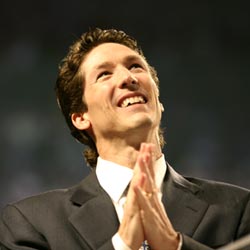 The matters of sexual impropriety are obvious indicators of a sickness, one that reflects a larger disenchantment with organized religion throughout our contemporary culture. From child-abusing priests to televangelist con artists, such violations of both the office of ministry and of the trust of those we serve is easy to name. Plenty of people will name such illicit wrongdoing as the reason they have walked away from organized religion all together, though there is a problem that I would suggest is far more insidious and pervasive that is at the heart of the Church’s popular decline.
Preaching is a curious discipline. Summoning equal parts poet, philosopher, scholar, counselor and theologian, there truly is no other vocation like it. There is an opiate-like attraction of preaching. We hold not only people’s attention in our hands, but often their faith as well. It’s a position of power and influence, and the response we get from those who receive the message can be addictive, particularly if our paychecks hinge upon the receptiveness of such an audience.
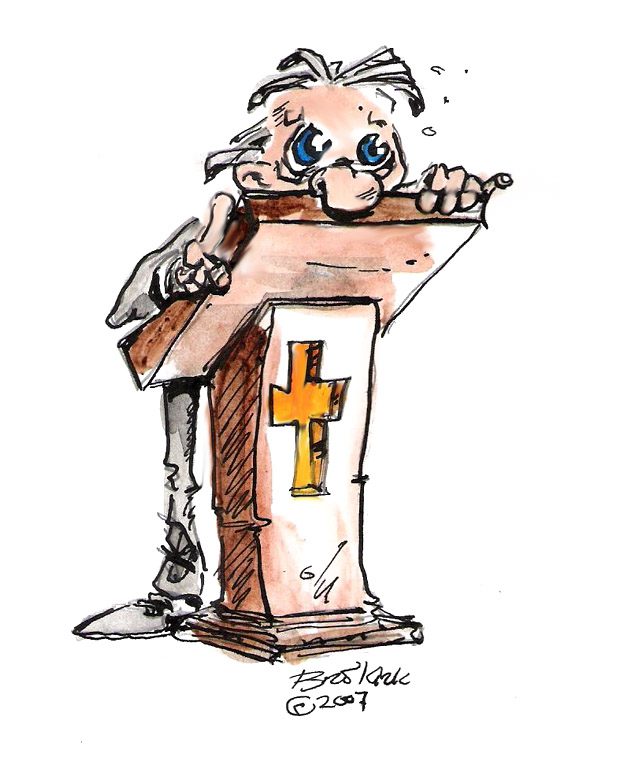
We all love to witness beauty, and to hear words that convey that beauty. We love being told that, despite our circumstances, things will always get better, that everything ultimately will be all right. It’s tempting for preachers to offer such messages of superficial optimism too, as such messages evoke the kind of ego affirmation that helps us feel good about the job we’re doing.
We feel good about what we say, the congregation feels good about what they hear, and everyone leaves smiling. We return the following week to receive our next bump of feel-good assurance to help us through the next week.
The problem is that none of us believes it, including the preacher.
Yes, life is beautiful, but it is also difficult, tragic, complicated and sometimes inexplicable. Yet we come to church and hear that, despite the hard times, everything’s actually tinted with a rose hue; we just have to look a little harder. Have faith; it all will work out for the best.
Except when it doesn’t.
It’s nice to leave church smiling and feeling optimistic, but there’s a growing sense of disconnect between what is conveyed within the church walls and what happens the other 167 hours of the week. We’re told God is always there for us, yet we feel a profound sense of loss. We see rows of smiles and pleasantness on Sunday while there’s suffering just outside the door. We get the implicit – and even sometimes explicit – message that having faith is synonymous with self-assuredness, certainty and perpetual happiness, and then we struggle through the week with our doubts, our fear and tragedies.
Pastors should indeed celebrate the beauty, joy and miraculous mystery of life, but to focus on this while not tempering this with an acknowledgment of struggle, doubt and, yes, suffering, is to offer false prophecy. It is proclaiming the world as it isn’t, assuring those who seek wisdom from us that they should feel, think and act one way, while so much in the rest of the world seems to contradict this reality. Yet we continue to seek and affirm the message that offers a short-term bandage for our gaping spiritual wounds, all the while knowing at a deep level that what we’re hearing is, at best, not the whole truth, and at worst, a brazen lie.
We think we want to hear that everything will be all right, but the truth is that life is difficult.
We seek words from the pulpit that will ameliorate our doubts and fears, unwilling to acknowledge those same doubts and fears in the very one offering the words of assurance.
We seek a fear-proof faith, but reality reaffirms daily that faith and doubt are not mutually exclusive. In fact, they are inextricably, necessarily married to one another.
We think we want answers, but what we really long for is peace. Such peace cannot be found in pithy, lovely messages or lyrically gilded praise songs that do not reflect a genuine experience of life.
We ask to hear a handful of beautiful words, but what we truly crave is for others to bear witness to our lives. Our whole lives. Not just the pleasant, cheerful parts.
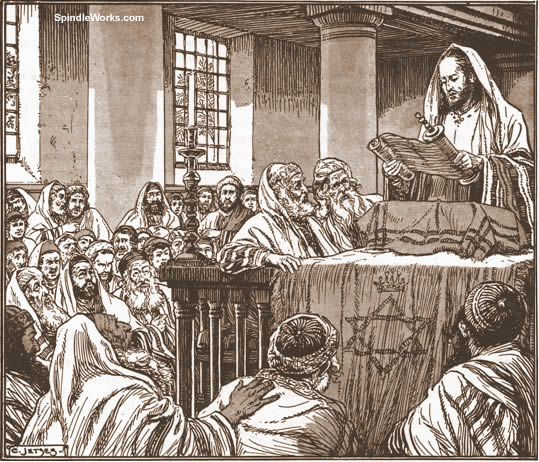 The prophets of the Old Testament will, in one breath, celebrate the fullness of God’s presence, and in the next, mourn an equally profound absence. There are psalms of praise and dirges of despair. They hope, dream, doubt and suffer, all the while seeking to better understand what it means to be a divinely-created, divinely-inspired creature. It’s beautiful, ugly, healing, terrifying, soul-stretching, gut-wrenching work.
Just like life.
Christian Piatt is an author, editor, speaker, musician and spoken word artist. He co-founded Milagro Christian Church in Pueblo, Colorado with his wife, Rev. Amy Piatt, in 2004. Christian is the creator and editor of “Banned Questions About The Bible” and “Banned Questions About Jesus.” He has a memoir on faith, family and parenting being published in early 2012 called “PREGMANCY: A Dad, a Little Dude and a Due Date.” For more information about Christian, visit www.christianpiatt.com, or find him on Twitter or Facebook.
Previous Post

November 22, 2011
Jesus' Moment of Atheism
Next Post
November 30, 2011 Finding Good in College Sports Sex Scandals
Browse Our Archives
Select a Category atonement belief bible Bill O'Reilly Buddhism CCM children christian piatt christianity Contemporary Christian Music current events derek flood Easter education Everyday Sunday faith faith and culture Frank Schaeffer great commission Haaz Sleiman Hobby Lobby Homebrewed Culture humor ISIS Jesus John Paul Lederach Killing Jesus LGBTQ marc driscoll Mission Year Music My Jesus Project Nat Geo parenting politics popular culture postChristian prison reform Ray rice religion republicans sacrifice sexuality theology Uncategorized video violence wild goose festival World Vision young adults
Select a Month December 2017 November 2017 October 2017 September 2017 August 2017 July 2017 June 2017 May 2017 April 2017 March 2017 February 2017 January 2017 November 2016 October 2016 September 2016 August 2016 July 2016 June 2016 May 2016 April 2016 March 2016 February 2016 January 2016 December 2015 November 2015 October 2015 September 2015 August 2015 July 2015 June 2015 May 2015 April 2015 March 2015 February 2015 January 2015 December 2014 November 2014 October 2014 September 2014 August 2014 July 2014 June 2014 May 2014 April 2014 March 2014 February 2014 January 2014 December 2013 November 2013 October 2013 September 2013 August 2013 July 2013 June 2013 May 2013 April 2013 March 2013 February 2013 January 2013 December 2012 November 2012 October 2012 September 2012 August 2012 July 2012 June 2012 May 2012 April 2012 March 2012 February 2012 January 2012 December 2011 November 2011 October 2011 September 2011 August 2011 July 2011 June 2011 May 2011 April 2011 March 2011 February 2011 January 2011 December 2010 November 2010 October 2010 September 2010 August 2010 July 2010 June 2010 May 2010 April 2010 March 2010 February 2010 January 2010 December 2009 November 2009 October 2009 September 2009 August 2009 July 2009 June 2009 May 2009 April 2009 March 2009 February 2009 January 2009 December 2008 November 2008 October 2008 September 2008 August 2008 July 2008 June 2008 May 2008 April 2008 March 2008 February 2008 January 2008 December 2007 November 2007 October 2007 September 2007 August 2007 July 2007 June 2007 May 2007 April 2007 March 2007 February 2007 January 2007 December 2006 November 2006 October 2006 September 2006 August 2006
Follow Us!
TAKE THE
Religious Wisdom Quiz
According to Ecclesiastes 2, what did the author try in search of meaning?
Select your answer to see how you score.
Teaching, healing, and prophecy Pleasure, work, and wisdom Worship, prayer, and sacrifice Fasting, solitude, and silence
Related posts from Christian Piatt

More Than Jezebel (Third Week Advent Devotional)

Are We There Yet? (Second Week in Advent...

Look, Shiny! (First Week of Advent Study)

TRENDING AT PATHEOS Progressive Christian

What Being a Modern-Day Apostle Means to Me
In my last column, I discussed the ins and outs of modern-day...

Did Ancient China Once Worship the God of...
Across human history, a common thread weaves through the origins of the...

Love Your Neighbor – Including Earth-Kin: Lev. 19,...
God’s command to love your neighbor means acting in an ethical and...

Lead a Church Study of “Jesus and Lao...
Guest writer Jack Thomas (The Irreverent Reverend) reflects on leading his church...

Pastoral Wisdom for Responding to Sermon Pushback
Getting sermon pushback on your social justice sermon? Learn practical, Proverbs-based strategies...

Principles for Understanding the Apostolic Ministry Today
Whenever people discover that my formal ministry title is "apostle," as in...
view all Progressive Christian blogs
Ad-Free & Subscriber Log-In Subscription Support
- About Us
- 2026 Calendar
- Videos
- Podcasts
- Library of World Religions
- Faith In Media Tracker
- Advertise With Us
- Write for Us
- Privacy Policy
- Terms of Service
- Do Not Sell My Data
- Contact Us
- Radiant Digital
- Manage Newsletter Subscriptions
- Unsubscribe From Notifications
- Sitemap
Copyright 2008-2026, Patheos. All rights reserved.
Subscription Support Ad-Free & Subscriber Log-In
Follow Patheos