
BuddhistCatholicContemplativeEvangelicalGeneral ChristianHinduJewishLatter-day SaintMuslimNew VisionsProgressive Christian
Beliefs
- Buddhist
- Catholic
- Contemplative
- Evangelical
- General Christian
- Hindu
- Jewish
- Latter-day Saint
- More Voices
- Muslim
- New Visions
- Pagan
- Progressive Christian
Topics
- Religion News
- Food and Religion
- Sports and Religion
- Religious Art
- Religious Music and Entertainment
- Religious Events
- History and Religion
- Style and Religion
- Politics and Religion
- Women in Religion
- Recreation Outdoors and Religion
- Business Finance and Religion
- Careers Workplace and Religion
- Education and Religion
- Family Parenting and Religion
- Health Fitness and Religion
- Home and Religion
- Relationships and Religion
- Technology and Religion
- Travel and Religion
Columnists
- Buddhist Columnists
- Business Finance and Religion Columnists
- Careers Workplace and Religion Columnists
- Catholic Columnists
- Contemplative Columnists
- Education and Religion Columnists
- Evangelists Columnists
- Family Parenting and Religion Columnists
- General Christian Columnists
- Health Fitness and Religion Columnists
- Hindu Columnists
- History and Religion Columnists
- Home and Religion Columnists
- Jewish Columnists
- More Voices Columnists
- Latter Day Columnists
- Muslim Columnists
- New Visions Columnists
- Nonreligious Columnists
- Pagan Columnists
- Politics and Religion Columnists
- Progressive Columnists
- Recreation Outdoors and Religion Columnists
- Relationships and Religion Columnists
- Religion News Columnists
- Religious Art Columnists
- Religious Events Columnists
- Religious Music and Entertainment Columnists
- Sports and Religion Columnists
- Style and Religion Columnists
- Technology and Religion Columnists
- Travel and Religion Columnists
- Women in Religion Columnists
Resource Library
- 2026 Calendar
- Library of World Religions
- The 100 Most Holy Places on Earth
- Patheos Answers
- Podcasts
- Videos
- Faith Leaders Database
- Anglican Episcopalian
- Bahai
- Baptist
- Buddhism
- Christianity
- Confucianism
- Eastern Orthodoxy
- Hinduism
- Holiness and Pentecostal
- ISKCON
- Islam
- Judaism
- Lutheran
- Methodist
- The Church of Jesus Christ of Latter-day Saints
- New Age
- Paganism
- Presbytarian and Reformed
- Protestantism
- Religion Behind the Scenes
- Roman Catholic
- Scientology
- Shia Islam
- Sikhism
- Sufism
- Sunni Islam
- Taoism
- Zen
- See all religions
Research Tools
 Ad-Free & Subscriber Log-In Subscription Support
Ad-Free & Subscriber Log-In Subscription Support
Follow Patheos 

- Trending:
- Forgiveness
- |
- Marriage
- |
- Consciousness
- |
- Death Penalty
- |
- Election
- |
- Halloween
 Christianity For the SBNR
- Home
- Progressive Christian
- Magic Blood
Magic Blood
Last updated on: October 5, 2010 at 7:23 pm by Sam Alexander
Magic Blood 2010-10-05T19:23:54-06:00 Sam Alexander
Patheos Explore the world's faith through different perspectives on religion and spirituality! Patheos has the views of the prevalent religions and spiritualities of the world.
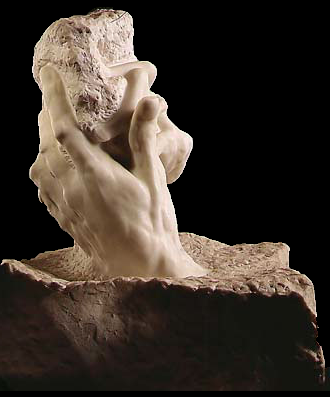
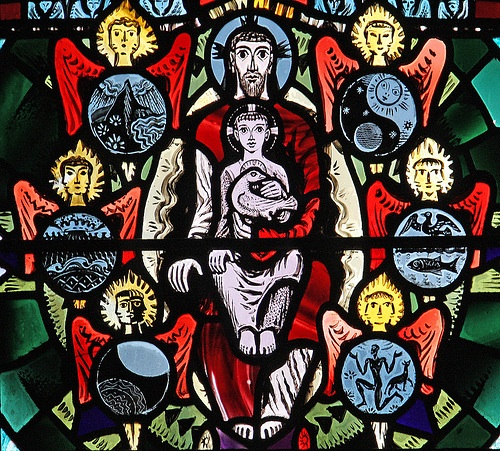 My mother had rocks in her head. She said so herself. She was referring to certain faith puzzles she couldn’t seem to penetrate. Like a rock on a shelf she would occasionally take one down, look at it, then put it back. Turns out I have a couple of rocks in my head too. Take for instance the concept of “magic blood.” There was a time when people thought blood has magical properties. So when the authors of the New Testament were trying to describe the restorative experience which came when they trusted the spirit they found in Jesus, they took up the idea that his blood had the power to make them right with God. But we don’t think blood has magical properties anymore, yet still those concepts remain in our traditional language. Preacher’s Problem: How are we to make sense of their experience without pretending to believe that blood has magical properties? Curiously it was when I took another rock off the shelf, (that is the doctrine of the Trinity of all things), that I began to make some sense of magic blood. (Scholars call it the doctrine of atonement.) When I think about atonement, I think of a “father” who has his “son” tortured and killed to make up for the fact we do rotten stuff. Yuck; is that sick or what? But in the tradition, are the “father” and the “son” separate entities? This brings me to the Trinity. As the early church developed the language they would use to describe their experience of God, they agreed that they experienced God in 3 ways or “persons” – “father,” “son,” and “holy spirit.” Here’s the catch. They insisted each of those “persons” was really a complete expression of the one God. (I know it doesn’t make sense, but really, would you trust a description of God that made complete sense?) In any case if the “father” and the “son” are the same entity, we no longer have a metaphor wherein one “person” seeks the torture and death of another. Instead it is something more like God giving God’s own life to renew, restore, and from my point of view, evolve creation. Granted this might seem ridiculous, but let’s face it, the world isn’t exactly a perfect place. It occurs to me that a model which points the way towards participation in the renewing work of creation, the unfolding of the very life of God, might be useful. For 13.7 billion years this creative act has unfolded through death to new life. This I suspect is what those ancient writers were getting at when they talked about magic blood. They knew that life is hard. But they also knew a still more glorious Dawn awaits each passing day. I may decide tomorrow that I don’t like this idea. But for now it seems those rocks aren’t as impenetrable as they used to be. Thanks for listening
Previous Post

July 14, 2010
A Still More Glorious Dawn
Next Post
October 18, 2010 We've Seen a Great Light
Browse Our Archives
Select a Category Book Clubs Sermons Theological Musings Uncategorized
Select a Month February 2017 January 2017 December 2016 May 2016 April 2016 March 2016 February 2016 January 2016 December 2015 November 2015 October 2015 September 2015 July 2015 June 2015 May 2015 November 2014 October 2014 September 2014 June 2014 November 2013 October 2013 May 2013 April 2013 March 2013 February 2013 June 2012 May 2012 April 2012 March 2012 February 2012 November 2011 October 2011 September 2011 July 2011 May 2011 February 2011 January 2011 December 2010 November 2010 October 2010 July 2010
TAKE THE
Religious Wisdom Quiz
What was the primary light source in Biblical times?
Select your answer to see how you score.
Oil lamp Candle Bonfire Torch
Related posts from Christianity For the SBNR

A Response to Tony Jones’ Question: What’s Good...

"Secret ‘Kill List’ Proves a Test of Obama’s...

TRENDING AT PATHEOS Progressive Christian

What Being a Modern-Day Apostle Means to Me
In my last column, I discussed the ins and outs of modern-day...

Did Ancient China Once Worship the God of...
Across human history, a common thread weaves through the origins of the...

Love Your Neighbor – Including Earth-Kin: Lev. 19,...
God’s command to love your neighbor means acting in an ethical and...

Lead a Church Study of “Jesus and Lao...
Guest writer Jack Thomas (The Irreverent Reverend) reflects on leading his church...

Pastoral Wisdom for Responding to Sermon Pushback
Getting sermon pushback on your social justice sermon? Learn practical, Proverbs-based strategies...

Principles for Understanding the Apostolic Ministry Today
Whenever people discover that my formal ministry title is "apostle," as in...
view all Progressive Christian blogs
Ad-Free & Subscriber Log-In Subscription Support
- About Us
- 2026 Calendar
- Videos
- Podcasts
- Library of World Religions
- Faith In Media Tracker
- Advertise With Us
- Write for Us
- Privacy Policy
- Terms of Service
- Do Not Sell My Data
- Contact Us
- Radiant Digital
- Manage Newsletter Subscriptions
- Unsubscribe From Notifications
- Sitemap
Copyright 2008-2026, Patheos. All rights reserved.
Subscription Support Ad-Free & Subscriber Log-In
Follow Patheos