
BuddhistCatholicContemplativeEvangelicalGeneral ChristianHinduJewishLatter-day SaintMuslimNew VisionsProgressive Christian
Beliefs
- Buddhist
- Catholic
- Contemplative
- Evangelical
- General Christian
- Hindu
- Jewish
- Latter-day Saint
- More Voices
- Muslim
- New Visions
- Pagan
- Progressive Christian
Topics
- Religion News
- Food and Religion
- Sports and Religion
- Religious Art
- Religious Music and Entertainment
- Religious Events
- History and Religion
- Style and Religion
- Politics and Religion
- Women in Religion
- Recreation Outdoors and Religion
- Business Finance and Religion
- Careers Workplace and Religion
- Education and Religion
- Family Parenting and Religion
- Health Fitness and Religion
- Home and Religion
- Relationships and Religion
- Technology and Religion
- Travel and Religion
Columnists
- Buddhist Columnists
- Business Finance and Religion Columnists
- Careers Workplace and Religion Columnists
- Catholic Columnists
- Contemplative Columnists
- Education and Religion Columnists
- Evangelists Columnists
- Family Parenting and Religion Columnists
- General Christian Columnists
- Health Fitness and Religion Columnists
- Hindu Columnists
- History and Religion Columnists
- Home and Religion Columnists
- Jewish Columnists
- More Voices Columnists
- Latter Day Columnists
- Muslim Columnists
- New Visions Columnists
- Nonreligious Columnists
- Pagan Columnists
- Politics and Religion Columnists
- Progressive Columnists
- Recreation Outdoors and Religion Columnists
- Relationships and Religion Columnists
- Religion News Columnists
- Religious Art Columnists
- Religious Events Columnists
- Religious Music and Entertainment Columnists
- Sports and Religion Columnists
- Style and Religion Columnists
- Technology and Religion Columnists
- Travel and Religion Columnists
- Women in Religion Columnists
Resource Library
- 2026 Calendar
- Library of World Religions
- The 100 Most Holy Places on Earth
- Patheos Answers
- Podcasts
- Videos
- Faith Leaders Database
- Anglican Episcopalian
- Bahai
- Baptist
- Buddhism
- Christianity
- Confucianism
- Eastern Orthodoxy
- Hinduism
- Holiness and Pentecostal
- ISKCON
- Islam
- Judaism
- Lutheran
- Methodist
- The Church of Jesus Christ of Latter-day Saints
- New Age
- Paganism
- Presbytarian and Reformed
- Protestantism
- Religion Behind the Scenes
- Roman Catholic
- Scientology
- Shia Islam
- Sikhism
- Sufism
- Sunni Islam
- Taoism
- Zen
- See all religions
Research Tools
 Ad-Free & Subscriber Log-In Subscription Support
Ad-Free & Subscriber Log-In Subscription Support
Follow Patheos 

- Trending:
- Forgiveness
- |
- Marriage
- |
- Consciousness
- |
- Death Penalty
- |
- Election
- |
- Halloween
 Christian Crier
- Home
- Evangelical
- What Does It Mean, “Work Out Your Own Salvation?”
What Does It Mean, “Work Out Your Own Salvation?”
Last updated on: November 23, 2018 at 4:30 am by Jack Wellman
What Does It Mean, “Work Out Your Own Salvation?” 2018-10-22T13:54:12-05:00 Jack Wellman
Patheos Explore the world's faith through different perspectives on religion and spirituality! Patheos has the views of the prevalent religions and spiritualities of the world.
Paul says we should work out our own salvation, so does this mean we’re saved by our own works?
Salvation
Jesus Christ introduced the gospel by saying, “The time is fulfilled, and the kingdom of God is at hand; repent and believe in the gospel” (Mark 1:15), so apparently, repentance and faith are two sides of the same coin that allow us to receive eternal life, and this is received only through Jesus Christ (John 6:44; Acts 4:12). Salvation is not by works or trying really hard, but it is only “by grace you have been saved through faith. And this is not your own doing; it is the gift of God” (Eph 2:8). Clearly, “it is not [our] own doing,” but it is from being born again or born from above (John 3:3-7), so this is a free “gift of God.” If you receive presents on your birthday, can you really say you deserved them because you had everything to do with when and where you were born? Of course not. In the same way, we cannot take credit for a gift that’s been given to us, so all glory goes to God alone because we are not saved by doing. It is “not a result of works, so that no one may boast” (Eph 2:9). If it were, we might always be plagued by doubts about whether we had ever done enough works to save ourselves, but we know that if we offer our works to God as part of our salvation, God considers them as nothing more than filthy rags (Isaiah 64:6). We must trust in Christ. Jesus said that is the only works we can do to be saved (John 6:29). That does not mean we won’t have works, because works will be a natural byproduct of the Spirit of God’s work in us (James 2:14-25).
Works and Salvation
James wrote that, “faith by itself, if it is not accompanied by action, is dead” (James 2:17), and that makes perfect sense because we do good works out of our salvation, but not for our salvation, so what works do we mean? They are the works that God has sovereignly placed before us (Matt 25:35-36; Eph 2:10). It’s not enough to say you believe in Jesus because “Even the demons believe that—and shudder” (James 2:19b). If you say you believe but have no works, then you’ve just qualified to become a demon because demons believe in Christ, but the only works they have are evil. We are saved by faith alone but not by a faith that stands alone. It is our “reasonable service” (Rom 12:2) that accompanies salvation. Jesus said, “By this my Father is glorified, that you bear much fruit and so prove to be my disciples” (John 15:8). Bearing fruit proves whether someone is Jesus’ disciple, but they don’t bear their own fruit out of the soil of humanity, but rather from the Spirit of God. Jesus said, “Abide in me, and I in you. As the branch cannot bear fruit by itself, unless it abides in the vine, neither can you, unless you abide in me” (John 15:4), meaning, “apart from me you can do nothing” (John 15:5b). And the last time I checked, “nothing” is not even a little “something.”
Work it Out
The Apostle Paul wrote that “even as you have always obeyed, not only in my presence, but now much more in my absence, work out your own salvation with fear and trembling” (Phil 2:12), but if we’re not saved by self-effort or works, why does Paul say, “work out your own salvation,” and to do that “with fear and trembling?” Many have interpreted this as meaning we must work with God and cooperate with His Spirit in trying to become more like Christ and striving to sin less, although never being sinless in this life. It is a progressive sanctification that God works in us through His Spirit, but also through His Word and through His Son. These three all agree. We do not get saved only to become the “frozen chosen.” One man said that there are already too many pew potatoes in the church. The lost rarely come to the church so the church must go to the lost (Matt 28:18-20).
Resisting the Devil
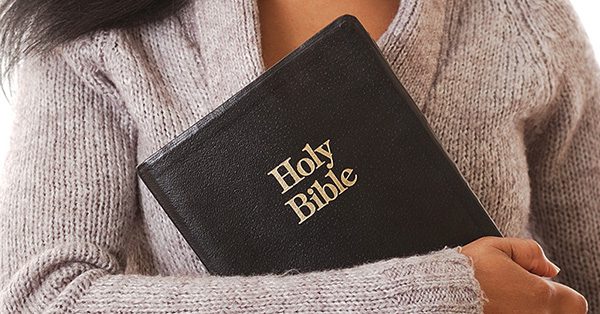 Working out our own salvation also means working with God’s Spirit as we strive to resist the Devil and submit to God, so the Devil will flee from us (James 4:7). We can only do anything through Christ (Phil 4:13), but thankfully, “it is God who works in you, both to will and to work for his good pleasure” (Phil 2:13). We are to work out our own salvation, but God’s Spirit will help us. I believe that also means we are not called to work out other people’s salvation. We have enough to work on with ourselves! We can help others in their walk with Christ, but we cannot get them saved. They must work it out themselves, but never in isolation though (Heb 10:24-25). We can share the Word of God with them and pray for the Spirit of God to illuminate the Son of God, but that’s all the work we can do to save others. For us, it is about us submitting to God, having a daily intake of the Word of God, keeping constant contact with God through prayer, and yielding to the Spirit’s prompting to follow through on God’s will. God is the One working in us, but He needs our cooperation.
Conclusion
If you are still working on “you,” then welcome to the club. We must work out our own salvation, and it’s not easy. That’s why we must do it with “fear and trembling.” The word “fear” is more about having a reverence or deep respect for the Word of God and the God of the Word. The word “trembling” has more to do with being in a state of humility and submission. Even Paul came to the Church at Corinth with “weakness and fear, and with much trembling” (1 Cor 2:3) because he was responsible for teaching them the oracles of God, so we work with God’s Spirit in become more Christ-like, but we do good works which God has laid out before us to do, or when we come across an opportunity. That’s when we know we’re in the will of God. Now the question is, “Will we do them?”
Article by Jack Wellman
Jack Wellman is Pastor of the Mulvane Brethren Church in Mulvane Kansas. Jack is a writer at Christian Quotes and also the Senior Writer at What Christians Want To Know whose mission is to equip, encourage, and energize Christians and to address questions about the believer’s daily walk with God and the Bible. You can follow Jack on Google Plus or check out his book Teaching Children the Gospel available on Amazon.
Previous Post

November 21, 2018
Happy Thanksgiving From Christian Crier
Next Post
November 26, 2018 Why Is Confession Necessary If We’re Already Forgiven?
Browse Our Archives
Select a Category Bible Answers Bible Definitions Bible Story Bible Study Bible Verses Christian Books Christian Entertainment Christian Fathers Christian Mothers Christian Quotes Devotional Famous Christians Music News Parables Prayers Quotes Sunday School Lesson Uncategorized Youth Sermons
Select a Month October 2019 September 2019 August 2019 July 2019 June 2019 May 2019 April 2019 March 2019 February 2019 January 2019 December 2018 November 2018 October 2018 September 2018 August 2018 July 2018 June 2018 May 2018 April 2018 March 2018 February 2018 January 2018 December 2017 November 2017 October 2017 September 2017 August 2017 July 2017 June 2017 May 2017 April 2017 March 2017 February 2017 January 2017 December 2016 November 2016 October 2016 September 2016 August 2016 July 2016 June 2016 May 2016 March 2016 February 2016 January 2016 December 2015 November 2015 October 2015 September 2015 August 2015 July 2015 June 2015 May 2015 April 2015 March 2015 February 2015 January 2015 December 2014 November 2014 October 2014 September 2014 August 2014 July 2014 June 2014 May 2014 April 2014 March 2014 February 2014 January 2014 December 2013 November 2013 October 2013 September 2013 August 2013 July 2013 June 2013 May 2013 April 2013 March 2013
Follow Us!
TAKE THE
Religious Wisdom Quiz
What do the "Weeping Prophet" and "Book of Lamentations" refer to?
Select your answer to see how you score.
Daniel Ezekiel Jeremiah Isaiah
Related posts from Christian Crier

What Does The Bible Say About Our Thoughts?

Top 13 Bible Verses About Virtue

Do Colors Have Special Meaning In The Bible?

The Greatest Father In History
TRENDING AT PATHEOS Evangelical

The REST of Your Life: A Creative Wrestles...
This week I had a conversation with a good friend from church....

How the author of the world's best hymn...
I've been working with John Newton for a while now. This makes...

Long before this Lectio Divina, Psalm 130 - the song - started...

What About the Trees? Another Living Parable
After I finished writing the last article about falling leaves as a...

Why Classical Education Is a Conversation, Not a...
Come and Read: Joy in Classical Education When I was a little...

Cornell University has received a great deal of negative publicity and intense...
view all Evangelical blogs
Ad-Free & Subscriber Log-In Subscription Support
- About Us
- 2026 Calendar
- Videos
- Podcasts
- Library of World Religions
- Faith In Media Tracker
- Advertise With Us
- Write for Us
- Privacy Policy
- Terms of Service
- Do Not Sell My Data
- Contact Us
- Radiant Digital
- Manage Newsletter Subscriptions
- Unsubscribe From Notifications
- Sitemap
Copyright 2008-2026, Patheos. All rights reserved.
Subscription Support Ad-Free & Subscriber Log-In
Follow Patheos